




















🎁 September Offer: Save 5% Every Month Claim 5% Savings New Subscribers Only

You've found a hidden discount!

HN Unlock Layer 1
HN Unlock Layer 2
HN Unlock Layer 3
HN Unlock Layer 4
HN Unlock Layer 5
  • 00Hours
  • 00Minutes
  • 00Seconds

Category: technology

Types of EMR Software | Best Guide for Therapy Practices

Table of Contents

An Electronic Medical Record (EMR) is the operational backbone of a modern therapy practice. But with countless systems on the market, understanding the different types of EMR software is the first step in choosing a platform that fits your clinic’s needs.

The primary difference lies in how the software is deployed and where your data is stored (Cloud vs. On-Premise). However, other key classifications, like whether the EMR is specialty-specific, also play a crucial role. This guide breaks down all the major types to help you make an informed decision.

Comparison graphic showing cloud-based EMR, on-premise EMR, and hybrid EMR systems, illustrating the different types of EMR software for therapy clinics.

Part 1: Deployment-Based EMR Types

This is the most fundamental classification, defining where your software and data live.

1. Cloud-Based EMR

A cloud-based EMR is hosted on secure, remote servers managed by the EMR vendor (like HelloNote). You access it securely via the internet from any device. This is the most popular model for modern therapy practices.

    • Best For: Most modern solo, small, and growing therapy practices.
    • Pros: Lower upfront costs, accessibility from anywhere, automatic security and feature updates, minimal IT burden.
    • Cons: Requires a stable internet connection.

2. On-Premise EMR

An on-premise EMR is installed directly onto your clinic’s local servers. Your practice is responsible for all maintenance, security, and backups.

    • Best For: Large institutions with a dedicated IT department and policies requiring on-site data storage.
    • Pros: Complete physical control over your data; does not require internet for access.
    • Cons: Very high upfront costs for hardware and licensing; full burden of IT maintenance, security, and manual updates.

3. Hybrid EMR

A hybrid system combines an on-premise server for local data storage with a cloud component for syncing and remote access.

    • Best For: Large organizations with complex needs and the IT resources to manage a more complicated infrastructure.
    • Pros: Offers a balance of local control and remote flexibility.
    • Cons: Can be the most complex and expensive to set up and maintain; less common for therapy clinics today.

Part 2: Other Key EMR Classifications

Beyond the deployment model, you should also consider these important distinctions.

Specialty-Specific vs. General EMR

    • Specialty-Specific EMR (Recommended): This type of EMR is designed from the ground up for a specific field, like physical, occupational, or speech therapy. It includes relevant templates (SOAP notes), built-in CPT codes for therapy, functional goal tracking, and workflows that match how a therapist actually works. HelloNote is a specialty-specific EMR for therapy.
    • General EMR: This is a one-size-fits-all system designed for general medical practices. While it can store records, it often lacks the specific documentation and billing features that a therapy clinic needs, leading to inefficient workarounds and frustration.

Open-Source vs. Proprietary EMR

    • Proprietary EMR: This is the most common type. The software is owned and managed by a company (like HelloNote) that provides the license, support, and updates for a fee.
    • Open-Source EMR: The source code for the software is free and publicly available. While the software itself is free, a clinic would need to hire an expert IT team to install, customize, secure, and maintain it, which can be very costly and complex.

Conclusion: Choosing the Right Model for Your Clinic

Understanding the different types of EMR software is crucial. For most modern therapy clinics, a cloud-based, specialty-specific system provides the ideal balance of power, flexibility, and security. It allows you to focus on patient care, not on managing complex IT infrastructure.

HelloNote offers a powerful, cloud-based EMR designed by therapists, for therapists. Book your free demo today to see how our platform can empower your clinic.

Frequently Asked Questions About Types of EMR Software

Q1. What type of EMR is best for a therapy practice?

For nearly all modern therapy practices, a cloud-based, specialty-specific EMR is the best choice. It offers the most flexibility, the lowest upfront cost, and the highest level of security and support without requiring an in-house IT department.

Q2. What is the most used EMR system?

While large EMR systems like Epic and Cerner are common in hospitals, they are not designed for outpatient therapy. Among independent therapy practices, the most widely used systems are cloud-based, therapy-specific EMRs. The “best” one is the one that best fits your specific workflow, and HelloNote is a leading choice in this category.

Q3. Is a cloud-based EMR secure?

Yes, when provided by a reputable, HIPAA-compliant vendor. Reputable cloud EMRs use advanced encryption and security protocols that are often more robust and consistently updated than what a small clinic can manage on its own. They handle the backups, security updates, and server maintenance for you.

Q4. How many EMR platforms are there?

There are hundreds of certified EMR platforms available in the United States. However, the number of platforms designed specifically for the needs of outpatient rehabilitation therapy (PT, OT, SLP) is much smaller, making it easier to narrow down your choices and find a true specialty-specific solution.
Why Specialized Rehabilitation Therapy EMR is Crucial for Your Practice

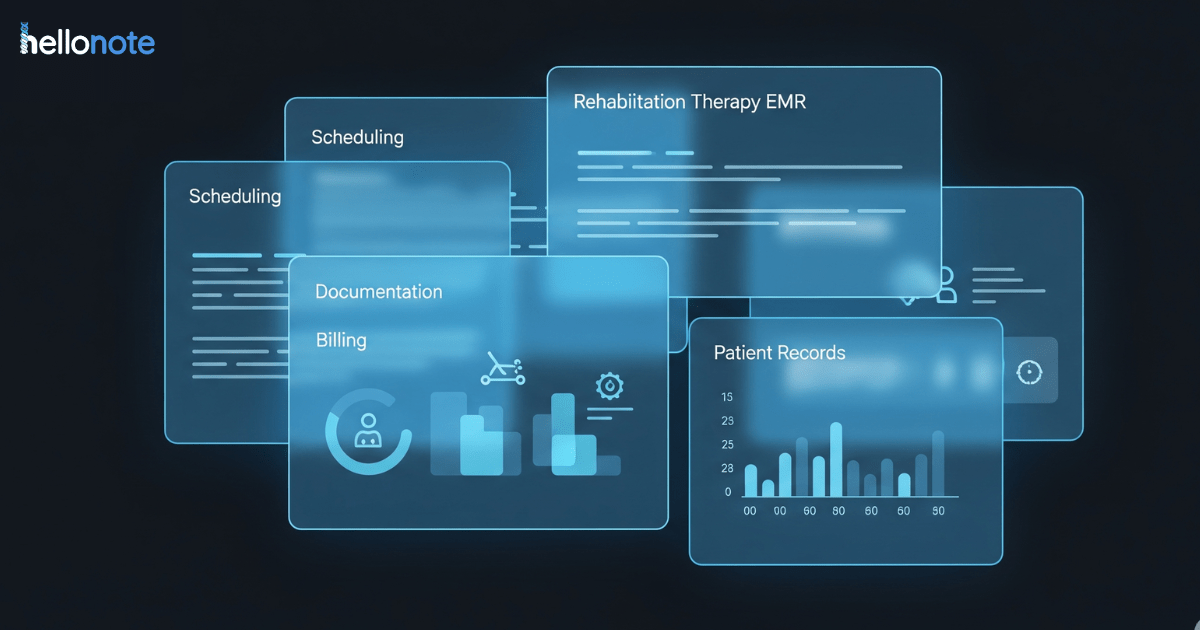
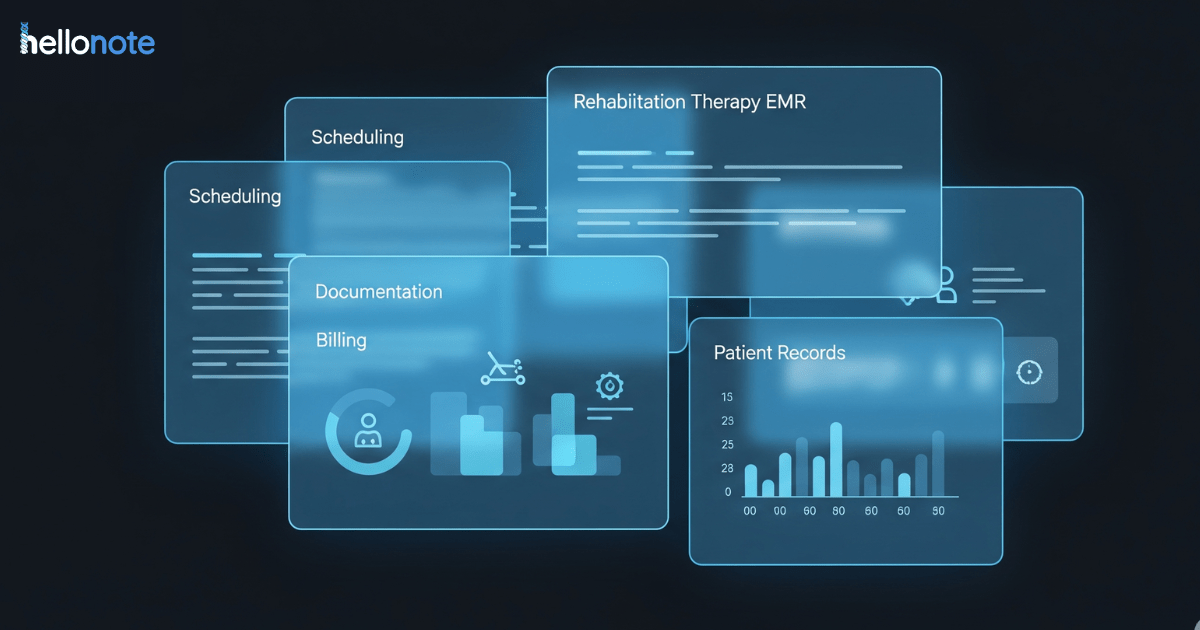
Hellonote EMR interface displaying overlapping translucent modules for Scheduling, Documentation, Billing, and Patient Records, representing a specialized Rehabilitation Therapy EMR solution.

Introduction

Rehabilitation therapy—encompassing Occupational Therapy (OT), Physical Therapy (PT), and Speech-Language Pathology (SLP)—is a field defined by personalized care, complex documentation, and intricate billing requirements. While generic Electronic Medical Record (EMR) and Practice Management Software (PMS) solutions offer basic functionality, they often fail to address the unique needs of rehab therapists. This highlights the crucial need for specialized Rehabilitation Therapy EMR.

Specialized EMR/PMS software, designed specifically for rehabilitation practices, streamlines workflows, reduces administrative burden, and enhances patient care. In this article, we’ll explore the limitations of generic systems, the key benefits of therapy-specific software, and how to choose the right Therapy Practice Management Software for your clinic.

The Shortcomings of Generic EMR Systems for Rehab Therapy

Many clinics start with generic EMRs, only to encounter inefficiencies that hinder productivity and revenue. This is a common problem addressed by specialized Rehabilitation Therapy EMR systems. Here’s where these systems fall short:

1. Scheduling That Doesn’t Adapt to Therapy Needs

Rehab therapy scheduling is more than just booking appointments—it requires matching the right therapist (with the right skillset), room, and equipment. Group therapy sessions, recurring visits, and waitlist management add further complexity. Generic schedulers often lack the flexibility to handle these layers, leading to double bookings, underutilized resources, and frustrated staff, underlining the need for dedicated scheduling in Rehab Clinic Software.

2. Billing Errors and Claim Denials

Therapy billing involves timed codes, modifiers (like KX for Medicare thresholds), and strict authorization tracking. Generic billing modules frequently miss these nuances, resulting in rejected claims, delayed payments, and hours spent on rework, highlighting the importance of specialized Therapy Billing Software. Without built-in checks for therapy caps or payer-specific rules, clinics lose revenue unnecessarily.

3. Documentation That Slows Therapists Down

OTs, PTs, and SLPs each require discipline-specific templates, goal tracking, and outcome measures. Generic EMRs force therapists into inefficient workarounds—manually copying notes, struggling with rigid templates, or even resorting to paper documentation. This not only wastes time but also risks compliance issues if notes don’t adequately justify medical necessity, without proper documentation features in a Rehabilitation Therapy EMR.

4. Poor Plan of Care (POC) Management

A rehab POC is a living document that evolves with patient progress. Generic systems treat it as a static form, making it difficult to track authorized visits, update goals, or flag when progress reports are due. Clinics end up relying on spreadsheets or sticky notes, increasing the risk of missed deadlines and compliance gaps, a critical failing in Plan of Care (POC) management for therapy practices.

5. Lack of Interdisciplinary Coordination

5. Lack of Interdisciplinary Coordination

When multiple therapists (OT, PT, SLP) work with the same patient, seamless communication is essential. Generic EMRs often silo information, forcing clinicians to dig through unrelated notes or rely on external communication tools. This fragmentation slows decision-making and can impact patient outcomes.

How Specialized Rehab Software Solves These Challenges

A purpose-built EMR/PMS system transforms these pain points into streamlined workflows, proving the value of a comprehensive Therapy Practice Management Software. Here’s how:

1. Intelligent Scheduling for Therapy Workflows

    • Rule-based matching of therapists, rooms, and equipment.

    • Automated waitlists to fill cancellations quickly.

    • Group therapy support with attendance tracking.

    • Recurring appointment management for long-term treatment plans.

2. Billing That Minimizes Denials

    • Built-in CPT & modifier checks to prevent coding errors.

    • Real-time eligibility verification before visits.

    • Therapy cap alerts to avoid claim rejections.

    • Automated ERA posting for faster reimbursement. Key features of effective Therapy Billing Software.

3. Documentation Designed for Therapists

    • Customizable templates for evaluations, progress notes, and discharges.

    • Integrated outcome measures (e.g., QuickDASH, Berg Balance Scale).

    • Smart goal tracking with auto-carry forward features.

    • Flowsheets for tracking exercises and interventions. These are essential aspects of documentation in an OT EMR, PT EMR, or SLP EMR.

4. Dynamic Plan of Care Tracking

5. Better Reporting & Financial Insights

    • Therapist productivity dashboards (units per visit, cancellations).

    • Denial rate analysis by payer.

    • MIPS & quality measure tracking.

    • Revenue cycle analytics (clean claim rates, collections).

Choosing the Right Software: Key Considerations

Not all rehab EMRs are created equal. When evaluating options for your Rehabilitation Therapy EMR, consider:

    • Does it fit your clinic’s workflow?

    • Can it handle your mix of OT, PT, and SLP documentation?

    • Does scheduling align with your therapists’ needs?

    • How well does it integrate billing and documentation?

    • Avoid systems that require double data entry.

    • Ensure seamless claim submission and ERA processing.

    • Is it scalable?

    • Can it grow with your practice (multiple locations, new therapists)?

    • What’s the user experience like?

    • Involve therapists in demos—if they find it cumbersome, adoption will suffer.

    • Does the vendor understand rehab therapy?

    • Support teams should know the difference between a PT eval and an SLP progress note, which is vital for choosing the right Rehab Clinic Software.

The Bottom Line: Why Specialization Matters

A rehab-specific EMR/PMS isn’t just an administrative tool—it’s a strategic investment that is crucial for improve rehab clinic efficiency with EMR:

    • Saves therapists hours per week on documentation.

    • Reduces claim denials and speeds up payments.

    • Improves compliance with Medicare, MIPS, and HIPAA.

    • Enhances patient care through better tracking and coordination.

Ready to See the Difference?

If your clinic is struggling with inefficiencies, it may be time to explore a therapy-optimized solution. Schedule a demo today to see how the right Rehabilitation Therapy EMR can transform your practice, bringing the many benefits of specialized EMR for rehab to light.

Chiro vs Deep Tissue for Sports Injuries: Which is Best for Athletes

Athletes consistently push their bodies to the limit, making injuries an unfortunate yet common part of the dynamic sporting landscape. From acute sprains and strains to chronic overuse issues, identifying the most effective treatment is paramount for a swift and comprehensive recovery. When considering hands-on therapies, the question often arises: Chiro vs Deep Tissue for Sports Injuries – which approach offers superior benefits? While both chiropractic adjustments and deep tissue massage aim to alleviate pain and restore function, they operate on distinct principles and target different bodily tissues. Understanding their unique methodologies is key to determining which therapy might be more beneficial, or if a combined strategy is optimal for a specific sports-related injury.

This article will compare chiropractic adjustments and deep tissue massage, exploring how each addresses sports injuries, their respective benefits, common Sports Injury Treatment Options, and crucial factors to consider when choosing the right path for your athletic recovery.

Athlete receiving hands-on manual therapy for a sports injury, relevant to discussions of Chiro vs Deep Tissue for Sports Injuries. HelloNote.

Understanding Chiropractic Care for Athletes

Chiropractic care primarily focuses on the diagnosis, treatment, and prevention of neuromuscular and musculoskeletal disorders, with a strong emphasis on the spine and its intricate relationship with the nervous system. The hallmark of chiropractic treatment is the “adjustment” – a precise, controlled force (often a high-velocity, low-amplitude thrust) applied to specific joints. These joints are often spinal vertebrae but can also include peripheral joints like shoulders, knees, or ankles, particularly those exhibiting restricted movement or improper alignment relevant to Sports Medicine.

How Chiropractic Adjustments Can Help Sports Injuries

    • Restoring Joint Mobility: Injuries, impacts, or repetitive athletic stress can cause joints to become stiff, restricted, or “locked.” Chiropractic adjustments for joint mobility aim to restore the normal physiological range of motion, which is essential for optimal athletic performance and preventing compensatory strain patterns in other areas of the body.
    • Improving Biomechanics and Spinal Alignment: Correcting joint misalignments, a key focus of chiropractors, can improve overall body mechanics. This potentially reduces uneven stress distribution that may have contributed to the initial injury or could predispose an athlete to future problems. Many athletes seek the Benefits of Chiropractic for Athletes for this reason.
    • Reducing Nerve Irritation: Misaligned joints, particularly within the spine, can sometimes irritate or impinge upon nearby nerves. Chiropractic adjustments may help alleviate this pressure, potentially reducing pain, numbness, or tingling that can result from nerve issues relevant to certain sports injuries (e.g., sciatica-like symptoms from a lumbar issue).
    • Addressing Acute Joint Issues: Chiropractic care is often sought for acute conditions such as facet joint syndrome in the spine or certain types of joint dysfunction following a fall, impact, or sudden awkward movement during sport.

Potential Benefits of Chiropractic for Athletes

    • Faster recovery from certain joint-related sports injuries.

    • Improved overall posture and spinal alignment, contributing to better performance.

    • Potential reduction in nerve-related pain or dysfunction impacting athletic activities.
      Chiropractic care might be particularly considered for: Injuries involving sudden joint locking, suspected spinal misalignments contributing to widespread pain, or nerve irritation stemming from spinal joint issues.

Understanding Deep Tissue Massage for Athletes

Deep tissue massage is a therapeutic massage technique that targets deeper layers of muscle and connective tissue, including fascia. It utilizes slower strokes, more sustained pressure, and specific friction techniques compared to more superficial or relaxation-focused massage. The primary goals are to address chronic muscle tension, break down scar tissue (adhesions), and release trigger points (hyperirritable knots) that frequently develop as a result of overuse, repetitive strain, or acute muscle injuries common in Athletic Therapy. This is a key component of many Manual Therapy Techniques.

How Deep Tissue Massage Can Help Sports Injuries

    • Breaking Down Adhesions and Deep tissue for scar tissue: After a muscle strain or tear, the body forms scar tissue as part of the healing process. While necessary, excessive or disorganized scar tissue can restrict movement, cause pain, and limit flexibility. Deep tissue techniques aim to realign these scar tissue fibers, improving tissue pliability and reducing stiffness.

    • Releasing Muscle Tension and Trigger point therapy: Intense training, overuse, or direct injury can lead to chronic muscle tightness, protective spasms, and the formation of painful trigger points. Deep tissue massage works to release these constricted areas, often incorporating Myofascial release techniques to address fascial restrictions, thereby alleviating pain and restoring normal muscle function and length.

    • Improving Circulation and Aiding Inflammation Resolution: The pressure applied during deep tissue massage can enhance blood flow to injured or overworked tissues. This brings vital oxygen and nutrients needed for repair and helps flush out metabolic waste products that contribute to soreness and prolonged inflammation (though very intense deep tissue might cause a temporary, localized inflammatory response before a net positive effect).

    • Increasing Flexibility and Range of Motion: By releasing tight muscles, fascia, and breaking down restrictive adhesions, deep tissue massage can significantly improve flexibility and joint range of motion, which is crucial for preventing re-injury and optimizing athletic movement patterns.

Potential Benefits of Deep Tissue Massage for Athletes

    • Relief from chronic muscle soreness, stiffness, and Delayed Onset Muscle Soreness (DOMS).

    • Improved recovery times from muscle strains, tears, and contusions.

    • Increased flexibility and reduced risk of future muscle-related injuries.

    • Effective management of conditions where muscular components are significant, such as IT band syndrome, plantar fasciitis, or rotator cuff tendinopathies.
      Deep tissue massage is often indicated for: Muscle strains, chronic muscle tightness and imbalances, injuries involving significant scar tissue formation, overuse injuries causing muscular pain and restriction, and as a general recovery support tool within a comprehensive Sports Rehabilitation program.

Chiropractic vs. Deep Tissue: Key Differences for Sports Injuries

Understanding the primary distinctions helps in deciding the appropriate approach for various musculoskeletal injuries.

Comparison Table

Feature Chiropractic Adjustments Deep Tissue Massage
Primary Target Joints (especially spine), nervous system function related to joint mechanics Muscles (deep layers), fascia, connective tissue, trigger points
Primary Technique High-velocity, low-amplitude thrusts (adjustments), joint mobilization Slow, sustained deep pressure, friction, stripping, trigger point release
Main Goal (Sports) Restore joint mobility, correct biomechanical alignment, reduce nerve irritation Release muscle tension, break down scar tissue/adhesions, improve tissue flexibility
Focus Structural alignment, joint kinematics, biomechanics, neurological influences from joints Soft tissue health, muscle recovery, fascial integrity, tissue extensibility
Best Suited For… Acute joint dysfunction/locking, spinal misalignments affecting nerves or biomechanics Muscle strains, chronic tightness, scar tissue restriction, overuse muscle pain/knots

Which Approach is “Better” for Your Sports Injury? It Depends.

Declaring one therapy universally “better” than the other for the broad category of sports injuries is misleading and inaccurate. The most effective approach – be it Chiro vs Deep Tissue for Sports Injuries – depends heavily on the specific nature of the injury, its current stage (acute, subacute, or chronic), the tissues primarily involved, and the individual athlete’s specific needs and recovery goals.

Consider Chiropractic Adjustments if:

    • The injury involves a clear joint restriction, a “locking” sensation, or pain specifically reproduced with joint movement.

    • Pain seems directly related to spinal alignment issues or involves distinct nerve-like symptoms (e.g., sharp, shooting pain, numbness, tingling that follows a nerve path, potentially answering Is chiropractic or massage better for back pain from sports? if the back pain has a clear spinal joint component).

    • There was a specific impact, fall, or awkward movement leading to immediate joint pain or notable dysfunction.

Consider Deep Tissue Massage if:

    • The injury is primarily muscular in nature (e.g., muscle strain, tear, significant chronic tightness, or spasm).

    • There’s considerable muscle soreness, widespread stiffness not clearly related to a single joint, or palpable knots/adhesions within the muscle tissue.

    • The primary goal is to improve flexibility restricted by soft tissues, manage scar tissue effectively post-injury, or aid in muscle recovery.

    • It’s being used as part of a recovery protocol to reduce soreness and enhance tissue readiness after intense training periods.

Important Note on Acute Injuries: In the immediate aftermath of an acute injury (typically the first 24-72 hours), intense deep tissue massage directly on the freshly injured area is often contraindicated due to the active inflammatory process. Similarly, chiropractic adjustments might need to be modified, delayed, or avoided depending on the injury’s severity, stability, and the presence of acute inflammation or muscle guarding. Initial management frequently focuses on principles like RICE (Rest, Ice, Compression, Elevation) or POLICE (Protection, Optimal Loading, Ice, Compression, Elevation).

The Power of a Combined Approach: Chiropractic and Massage for Athletic Recovery

For many sports injuries, it’s rarely a case of “either/or.” Chiropractic adjustments and deep tissue massage can be highly complementary, as an injury seldom affects just one type of tissue in complete isolation. Exploring Combining chiropractic and massage for athletic recovery can often yield superior results. For example:

    • A spinal misalignment or joint restriction (best addressed by chiropractic) might cause protective muscle spasms and fascial tightening in the surrounding musculature (which deep tissue massage can effectively treat).

    • Chronically tight muscles and restricted fascia around a joint (best addressed by deep tissue massage) can limit its movement, potentially leading to joint dysfunction or compensatory stress that chiropractic can help correct.

Using both therapies, when appropriate and guided by proper assessment, can provide a more holistic recovery strategy. Chiropractic care addresses the structural, biomechanical, and neurological components related to joint function, while deep tissue massage tackles the muscular, fascial, and soft tissue restrictions. It’s also worth noting that a skilled physical therapist might integrate aspects of both joint mobilization (similar to some chiropractic techniques) and soft tissue work (similar to massage) within their comprehensive treatment plan, alongside therapeutic exercise.

The Crucial First Step: Accurate Diagnosis by a Healthcare Professional

Before choosing any specific treatment modality, obtaining an accurate diagnosis from a qualified healthcare professional (such as a sports physician, orthopedic specialist, or a physical therapist specializing in sports injuries) is paramount. Self-diagnosing or relying on anecdotal advice can lead to ineffective, delayed, or even harmful treatment choices. A proper assessment will identify the specific tissues involved (bone, joint, ligament, tendon, muscle, nerve), the nature and severity of the injury, and any contributing biomechanical factors. This diagnosis is essential for guiding the most appropriate and effective therapeutic interventions.

Finding Qualified Practitioners for Your Sports Injury Care

Ensure you seek treatment from appropriately licensed and experienced professionals, depending on your specific injury and needs:

    • Chiropractors: Look for a Doctor of Chiropractic (DC) degree and valid state licensure. Experience working specifically with athletes and sports injuries is a significant advantage.

    • Massage Therapists: Seek Licensed Massage Therapists (LMT or RMT, depending on state) who have specialized training and certification in deep tissue massage or sports massage.

    • Physical Therapists (PTs): Ideally, choose a Doctor of Physical Therapy (DPT), particularly one who is a Board-Certified Clinical Specialist in Sports Physical Therapy (SCS) or has extensive experience in sports rehabilitation.

    • Sports Medicine Physicians: These are typically primary care physicians or physiatrists who have completed a fellowship and are board-certified with a Certificate of Added Qualifications (CAQ) in Sports Medicine. They excel in diagnosis and non-surgical management.

    • Certified Athletic Trainers (ATCs): Often found working directly with sports teams, ATCs are skilled in injury prevention, acute on-field management, and initial rehabilitation phases.

    • Osteopathic Physicians (DOs): DOs who specialize in Osteopathic Manipulative Treatment (OMT) can also address joint and muscle issues with hands-on techniques.

    • Acupuncturists: Licensed Acupuncturists (LAc) can provide complementary care for pain management and recovery support.

For severe injuries like complete ligament tears, significant fractures, or conditions requiring surgical intervention, consultation with an orthopedic surgeon, preferably one with sports medicine fellowship training, is necessary. Often, a multidisciplinary team approach involving several of these professionals yields the best and most comprehensive recovery outcomes for athletes.

Conclusion: Making an Informed Choice for Your Sports Injury Recovery

Ultimately, neither chiropractic adjustments nor deep tissue massage holds a singular monopoly on effectively treating all sports injuries. Chiropractic care often excels in addressing joint mechanics, structural alignment, and related nerve function, making it a strong choice for certain types of joint dysfunctions and spinal issues. Deep tissue massage, on the other hand, is highly effective for resolving muscular tightness, breaking down adhesions, and improving overall soft tissue health and flexibility.

The “better” choice in the Chiro vs Deep Tissue for Sports Injuries debate truly hinges on the specific injury accurately diagnosed by a qualified healthcare professional. Frequently, a thoughtfully combined approach, potentially integrated within a broader physical therapy plan that includes corrective exercises and functional retraining, offers the most comprehensive and effective path back to peak athletic performance. Understanding the distinct roles and benefits of each therapy empowers athletes to engage proactively in their recovery journey and make well-informed decisions about their care.


Understanding Your EMR System: Databases, Security, and Function

Therapy professional using a tablet to access an EMR system in a modern clinic setting.

An EMR system (Electronic Medical Record system) is central to modern healthcare, transforming how providers document, access, and share patient information. At its core lies a structured database designed to securely manage vast amounts of clinical and administrative data. For therapy practices, understanding this digital infrastructure is critical for accurate documentation, efficient billing, and ensuring compliance with data protection regulations like HIPAA.

Despite their central role in daily operations, the underlying databases within these platforms are often misunderstood. What exactly do they store? How are they structured? And most importantly, how does the overall software protect sensitive patient information?

This article explores the function and structure of the EMR system, focusing on its core database component and how it serves physical, occupational, and speech therapy professionals. From its technical foundation and security protocols to integration capabilities, understanding this technology can help therapy clinics make informed decisions about their digital infrastructure and safeguard the trust placed in them by their patients.

What is an EMR System?

An Electronic Medical Record system is a digital platform used by clinicians to create, store, manage, and track patient health information electronically. It replaces traditional paper charts and provides a centralized hub for all clinical and administrative data. The EMR database is the core component within this platform that handles the actual storage and organization of information.

In therapy practices, such a system typically manages:

    • Patient demographics and medical history

    • Therapy notes, evaluations, and standardized test results

    • Progress reports and detailed care plans

    • Billing records, superbills, and insurance information

    • Appointment scheduling and communication logs

EMR Technology vs. Traditional Paper Records

Paper records have long been the standard, but their limitations compared to modern electronic records are significant:

    • Prone to physical degradation, loss, or destruction

    • Difficult to duplicate, share quickly, or access remotely

    • Time-consuming for filing, retrieval, and updates

    • Susceptible to illegibility and manual errors

By contrast, electronic record-keeping provides a secure, dynamic, and scalable alternative, offering key benefits for efficiency and compliance.

Core Components of an EMR’s Architecture

A well-designed electronic medical record architecture consists of several key components working together, centered around the database:

The EMR Database

The heart of the platform. It stores all structured patient data, including clinical notes, ICD/CPT codes, and billing history. As mentioned earlier, it often functions as a relational database.

Application Layer (User Interface)

This is what therapists interact with – the screens, forms, and workflows. It interfaces between the user and the database, enabling data entry, report generation, scheduling, and communication.

Security Layer (Ensuring Platform Security)

Crucial for HIPAA compliance. This includes role-based access controls, robust encryption protocols (for data at rest and in transit), and comprehensive audit trails to monitor data usage and access.

Integration Framework (Interoperability)

Allows the software to connect securely with external services such as billing software, patient portals, telehealth platforms, or clearinghouses, enabling seamless data exchange.

HelloNote, as a therapy-specific solution, integrates these components, offering customizable documentation, integrated billing, and secure cloud-based storage suitable for various practice sizes.

How EMR Platforms Protect Patient Information (Data Security)

One of the primary benefits of using electronic medical records is enhanced data security compared to paper. Safeguarding protected health information (PHI) is paramount. Modern healthcare platforms employ multi-layered security features:

1. Encryption at Rest and in Transit

Data within the database is encrypted both when stored and during transmission, making it unreadable without authorization.

2. Role-Based Access Control (RBAC)

Access to sensitive information is strictly limited based on user roles and permissions defined within the software.

3. Regular Backups and Redundancy

These systems perform frequent, automated backups, often stored in geographically separate, secure locations to prevent data loss.

4. Audit Trails for HIPAA Compliance

Detailed logs track all user activity (who accessed what, when), which is essential for accountability and meeting HIPAA requirements.

5. Secure Cloud-Based Advantages

Many modern solutions, including HelloNote, are cloud-based. This typically offers higher security standards maintained by specialized IT teams, better uptime, and faster disaster recovery compared to managing on-premise servers.

The Paramount Importance of PHI Security within Healthcare Technology

While digital platforms streamline workflows and improve data access, their most critical function is the secure protection of PHI. This is achieved through the robust security layers discussed above. Maintaining patient trust and ensuring HIPAA compliance hinges on the effectiveness of the platform’s security measures. This foundation enables all other benefits.

Common Challenges and How Robust EMR Software Addresses Them

Implementing or using electronic records can present challenges:

1. Integration with Existing Tools (Interoperability)

A strong platform supports API integration, allowing seamless data flow with other essential tools (billing, scheduling) without creating data silos.

2. Scalability for Practice Growth

Cloud-based solutions are inherently scalable, easily adapting to increased data volume, users, and locations without major infrastructure changes.

3. Data Migration and Onboarding

Reputable vendors offer tools and support for securely migrating data from old systems or paper records.

4. User Training and Data Entry Consistency

Well-designed software like HelloNote uses templates, required fields, and intuitive workflows to guide users, improving data quality and consistency.

The Future of EMR Technology in Therapy Practices

Electronic medical record technology will become even more central, supporting value-based care, patient engagement, and data analytics. Future therapy software features like predictive analytics, integrated remote patient monitoring, and AI-assisted documentation will rely heavily on the capabilities of the underlying platform and its database. Investing in a robust, secure solution prepares practices for these advancements.

Conclusion: Why Understanding Your Healthcare Technology Matters

Understanding the components, security measures, and capabilities of your chosen EMR system is essential for clinic owners and therapy professionals leveraging modern healthcare tools. It’s the foundation of efficient operations, quality care delivery, and regulatory compliance.

By providing secure, scalable, and increasingly interoperable platforms, these technologies reduce administrative burden, enhance clinical accuracy, and ensure your practice is future-ready. When evaluating solutions like HelloNote EMR, consider the entire architecture – user interface, database structure, security protocols, and integration potential – to find the best fit for your therapy practice.

Take the Next Step with HelloNote EMR

Looking to learn more about how a therapy-specific EMR can support your clinic’s growth? Explore HelloNote’s features and see how its platform can work for you.


Mastering EMR Charting: Best Practices for Efficient and Accurate Documentation

Therapist doing EMR charting for therapists on a laptop computer

In modern therapy practice, the quality of your clinical documentation can directly influence patient outcomes, reimbursement, and legal compliance. Central to that documentation process is EMR charting for therapists—the digital method used to capture, organize, and store patient records within an electronic medical record system.

Unlike traditional paper charting, EMR charting provides a dynamic and centralized approach to patient documentation, crucial for meeting physical therapy documentation requirements and those of other disciplines. It allows clinicians to track patient progress, document interventions, and maintain regulatory compliance in a streamlined digital format. However, despite its benefits, many therapy professionals find EMR charting to be time-consuming and at times overwhelming.

This article explores the challenges clinicians face with EMR charting and provides a set of best practices and solutions that improve both the accuracy and efficiency of documentation. Whether you are running a therapy clinic or practicing in the field, optimizing your EMR charting workflow can result in better patient care and reduced administrative burden.

What Is EMR Charting for Therapists?

EMR charting refers to the process of documenting clinical encounters, assessments, treatments, and progress notes within an electronic medical record system. In physical, occupational, and speech therapy, this includes: 

    • Initial evaluations 
    • Treatment plans and goal setting 
    • Daily session notes 
    • Progress reports 
    • Discharge summaries 

An effective EMR charting system allows clinicians to maintain structured records, quickly retrieve patient data, and meet the documentation standards required by insurance providers and regulatory bodies. 

Why EMR Charting Matters in Therapy Practice

Efficient EMR charting is more than a technical necessity. It is a clinical and business imperative. Proper charting supports: 

    • Evidence-based patient care 
    • Legal and regulatory compliance 
    • Interdisciplinary communication 
    • Clinical outcomes tracking 

When documentation is incomplete or inconsistent, therapy providers risk denied claims, compliance violations, or gaps in patient care. 

Common Pain Points in EMR Charting

Despite its importance, many therapy professionals experience significant frustration when managing EMR charting. Common challenges include:

1. Time-Consuming Data Entry

Manually entering detailed clinical information can slow down productivity. Therapists often struggle to complete charting within a standard workday, leading to late hours or incomplete notes.

2. Documentation Errors

Copy-pasting notes, using incorrect codes, or forgetting required elements are frequent sources of error, making reducing EMR documentation errors a key goal for many clinics. These mistakes can lead to reimbursement delays or compliance risks.

3. Compliance Complexity

Therapists must ensure that each note meets the requirements of different payers, including Medicare, Medicaid, and private insurers. Failing to document medical necessity or progress can result in audits or claim rejections.

4. Learning Curve of EMR Systems

Some EMR systems are not intuitive. Poor user experience and lack of training contribute to inefficiencies and staff frustration.

Practical Solutions to Streamline EMR Charting

Improving the charting experience does not require overhauling your entire clinical workflow. Small, strategic changes can yield significant results. Below are solutions that therapy clinics can adopt to enhance EMR charting processes:

Use Smart Templates

Pre-built templates tailored to therapy services help standardize documentation while reducing manual input. Smart templates include prompts for key information such as: 

    • Objective measurements 
    • Functional goals 
    • Interventions used 
    • Patient response 
    • Plan of care updates 

Templates minimize omissions and help ensure that documentation is payer-compliant and clinically thorough. 

Implement Automation Tools

Automation can significantly reduce administrative workload. For example: 

    • Auto-populating demographic fields or prior visit data 
    • Linking diagnosis codes with corresponding treatment plans 

These tools eliminate redundancy and free up time for direct patient care. 

Leverage Voice Recognition Software

Voice-to-text tools integrated with EMR systems allow therapists to dictate notes quickly, improving speed without sacrificing detail. This is especially helpful during or immediately after a session, when memory is freshest.

Voice recognition tools also reduce the physical fatigue associated with typing and allow clinicians to document more naturally.

Standardize Clinical Terminology

Creating a clinic-wide reference guide for common terms, abbreviations, and documentation styles ensures consistency across providers. This makes records easier to read and audit while promoting accuracy.

Best Practices for Efficient and Accurate EMR Charting

Once the foundational tools are in place, refining your approach involves adopting specific EMR best practices. These habits help therapists chart more effectively while maintaining compliance and quality:

1. Chart in Real Time

Whenever possible, complete notes during or immediately after the patient visit. Real-time charting improves recall accuracy and prevents backlog.

2. Use Clinical Decision Support Features

Modern EMR systems often include features that flag missing fields, suggest appropriate codes, or alert users to inconsistencies. These built-in checks are vital for reducing EMR documentation errors and enhancing compliance.

3. Keep Notes Patient-Specific

Avoid overuse of generic or copied notes. Tailor documentation to the individual’s condition, progress, and response to treatment to meet standards of medical necessity.

4. Review and Sign Daily

Leaving charts unsigned for extended periods increases the risk of missed deadlines, billing delays, or audit exposure. Make chart review and finalization a part of your daily workflow.

5. Train Regularly on EMR Updates

EMR systems evolve. Ongoing training helps clinicians use new features effectively and adapt to interface changes that could impact documentation speed.

The Role of a Therapy-Focused EMR in Better Charting

Not all EMR systems are created equal. A therapy-focused platform can make a substantial difference in how efficiently your team manages documentation.

HelloNote, for instance, offers therapy-specific charting templates, compliance safeguards, and integrated tools like speech-to-text functionality and auto-filling of recurring data. By aligning the EMR interface with how therapists actually work, systems like this reduce the time spent on charting while improving overall accuracy.

Clinics that leverage specialized EMR solutions see improved billing turnaround, lower audit risk, and better staff satisfaction due to reduced after-hours work.

Final Thoughts

Mastering EMR charting for therapists is essential for delivering high-quality, accountable therapy services. As expectations around documentation continue to rise, therapy providers must adopt tools and EMR best practices that make charting both efficient and compliant.

By focusing on structured templates, automation, real-time entry, and consistent training, clinics can turn documentation from a burden into a clinical asset. The right EMR platform can help every team member chart with greater clarity, accuracy, and ease.

TikTok Strategies for Therapists: Engaging Younger Audiences and Growing Your Practice 

Unlock the potential of TikTok for your therapy practice with proven TikTok strategies for therapists. Learn how to create engaging content, connect with younger audiences, and establish your expertise in the mental health space. Discover tips for optimizing your profile, leveraging trending sounds, and using storytelling to build trust and attract new clients. Whether you’re new to TikTok or looking to refine your approach, these strategies will help you grow your online presence and expand your practice effectively.

A digital graphic featuring the TikTok logo with neon blue and red outlines on a dark background, accompanied by the text "TikTok Strategies for Therapists: Engaging Younger Audiences and Growing Your Practice.

Introduction 

TikTok has transformed how younger generations consume content, making it a valuable platform for therapists to engage with Gen Z and Millennials. By leveraging short-form videos, therapists can educate, destigmatize mental health, and build a trusted online presence. However, success on TikTok requires a balance between engagement and ethical considerations. 

In this guide, we’ll explore the best TikTok strategies for therapists, helping you grow your presence while maintaining professional integrity.

Why TikTok is a Game-Changer for Therapists

Engaging a Digital-First Generation 

Gen Z and Millennials turn to TikTok not just for entertainment but also for education and social awareness. The platform’s highly personalized algorithm prioritizes engaging and valuable content, making it easier for therapists to reach potential clients. 

TikTok’s Algorithm Expands Reach 

Unlike platforms where reach depends on follower count, TikTok’s algorithm boosts content based on engagement, shares, and watch time. Even new accounts can gain significant exposure if their content resonates with viewers. 

Key features that help tiktok strategies for therapists expand their reach include: 

    • The For You Page (FYP), which customizes content for each user. 
    • Hashtags and trending audio, which increase discoverability. 
    • Duets and stitches, which encourage interaction and collaboration. 

Destigmatizing Therapy and Mental Health 

Many young people hesitate to seek therapy due to stigma or misconceptions. TikTok allows therapists to: 

    • Normalize therapy by sharing relatable experiences. 
    • Debunk mental health myths in a digestible format. 
    • Break down barriers to seeking professional help by making therapy approachable.  

Effective TikTok Strategies for Therapists 

Creating Educational and Engaging Content 

Therapists can use trending sounds, text overlays, and storytelling techniques to make their content engaging while still being informative. 

Popular content ideas include: 

    • Myth vs. Fact Videos – Addressing misconceptions about therapy. 
    • Mini Therapy Tips – Offering quick strategies for managing anxiety, stress, or pain. 
    • Behind-the-Scenes Content – Providing insight into a therapist’s daily routine (while maintaining HIPAA compliance). 
    • Q&A Style Videos – Answering frequently asked therapy-related questions. 
    • Mental Health Challenges & Encouragement – Motivating young audiences to prioritize their well-being. 

Leveraging Trends to Make Therapy Approachable 

TikTok thrives on trends, challenges, and viral audio clips. Therapists can incorporate these elements while staying true to their expertise. 

For example, a speech therapist can use a trending sound to demonstrate articulation exercises in an engaging way. 

Using Storytelling to Build Trust 

Storytelling makes content relatable and memorable. Therapists can share: 

    • General case studies (without breaching confidentiality). 
    • Personal insights on the therapy process. 
    • Hypothetical client scenarios to illustrate common concerns. 

For example, a mental health therapist could post a “Day in the Life of a Therapist” video to showcase therapy’s impact in a non-intimidating way. 

Encouraging Audience Interaction 

Strong social media engagement is key to effective TikTok strategies for therapists.

Therapists can:

    • Responding to comments. 
    • Creating Duet or Stitch videos to react to or expand on another user’s content. 
    • Asking thought-provoking questions to encourage discussion. 

For example, if a follower asks, “How do I know if I need therapy?”, a therapist can create a video response explaining common signs.

The Role of Clickbait in Engagement

Clickbait techniques can boost engagement, but therapists must use them ethically. 

Using intriguing hooks like “You’ve been breathing wrong your whole life—here’s why!” can capture attention while still delivering valuable content. 

However, misleading claims should be avoided. Instead, balance curiosity-driven content with accurate, professional insights. 

Ethical Considerations for Therapists on TikTok

Avoid Providing Direct Clinical Advice 

Therapists should educate rather than diagnose or provide individualized therapy advice. Best practices include: 

    • Using disclaimers that content is for educational purposes only. 
    • Encouraging viewers to seek professional help when needed. 

Example: Instead of saying, “DM me for therapy advice!”, say, “If you’re struggling, reach out to a licensed therapist for personalized support.” 

Maintain Patient Confidentiality (HIPAA Compliance

Therapists must never disclose identifiable patient information. Instead, they can: 

    • Use generalized case studies. 
    • Share educational insights without referencing specific clients. 

Be Mindful of Misinformation and Oversimplification 

TikTok thrives on quick, digestible content, but therapy is complex. Oversimplification can mislead viewers. 

Instead of saying, “This one tip will cure your anxiety!”, therapists should say, “This exercise can help manage anxiety, but therapy may be necessary for long-term relief.” 

Set Professional Boundaries 

TikTok’s casual nature can blur professional lines. Therapists should: 

    • Maintain a friendly yet professional tone. 
    • Avoid personal DMs with followers asking for medical advice. 

The Impact of TikTok on Therapy Awareness

With strong TikTok strategies for therapists, professionals can:

    • Make therapy more accessible. 
    • Educate younger audiences on mental health. 
    • Combat misinformation with expert insights. 

By following ethical guidelines and leveraging TikTok’s engagement-driven format, therapists can grow their practice while positively impacting mental health awareness. 

Conclusion

TikTok offers therapists a unique opportunity to engage with younger audiences and normalize therapy. By following ethical guidelines and leveraging engaging content strategies, therapists can expand their reach, build trust, and make a lasting impact in mental health awareness. Strong social media engagement is key to sustaining growth and ensuring content reaches those who need it most.

Best EMR Software for Regulatory Compliance: Keeping Healthcare Practices Ahead

Looking for the best EMR software for regulatory compliance? Ensure your practice stays ahead with a system that offers HIPAA-compliant security, automated billing accuracy, seamless interoperability, and real-time updates for evolving healthcare regulations. Learn how the right EMR can help you protect patient data, reduce claim denials, and streamline compliance efforts effortlessly.

A laptop displaying an EMR dashboard with compliance analytics sits beside a stack of books labeled "Compliance," "Transparency," "Policies," "Standards," and "Requirements," representing the essential factors in choosing the best EMR software for regulatory compliance.

The healthcare industry operates in a highly regulated environment, where compliance with evolving laws and standards is not just a recommendation, it’s a necessity. Electronic Medical Record systems play a crucial role in ensuring that healthcare providers meet these regulations, but keeping them updated, secure, and compliant requires continuous monitoring and proactive updates

From HIPAA privacy laws to Medicare documentation requirements, failing to comply with healthcare regulations can lead to financial penalties, security breaches, and loss of patient trust. In this article, we’ll explore why regulatory compliance in EMRs is essential, discuss the most critical updates providers must monitor, and highlight how healthcare organizations can ensure their EMR systems remain up to date. 

Why Regulatory Compliance Matters in EMR Systems

An EMR system is more than just a digital filing cabinet for patient records, it is an essential tool for managing compliance, documentation, and data security. With regulations constantly evolving, healthcare providers must ensure that their EMRs are updated to meet: 

    • Data security requirements – Protecting patient health information (PHI) under HIPAA and other privacy laws. 
    • Billing and coding updates – Aligning with Medicare, Medicaid, and private insurer requirements to avoid claim denials. 
    • Quality reporting standards – Meeting value-based care models such as MIPS (Merit-Based Incentive Payment System). 
    • Interoperability and data-sharing rules – Ensuring seamless exchange of patient records under the 21st Century Cures Act. 

Without regular EMR updates, providers risk compliance violations, legal repercussions, and operational inefficiencies that could impact both patient care and financial stability. 

Key Regulatory Compliance Areas for EMR Systems

1. HIPAA & Patient Data Security 

The Health Insurance Portability and Accountability Act (HIPAA) mandates strict safeguards for electronic patient records, ensuring that EMRs protect sensitive data from breaches, unauthorized access, and cyber threats. 

EMRs Must Support: 

    • End-to-end encryption for data transmission and storage. 
    • User access controls to prevent unauthorized data exposure. 
    • Audit logs and security tracking for HIPAA compliance audits. 
    • Automatic backups and disaster recovery to prevent data loss. 

Recent Update: The HHS Office for Civil Rights (OCR) has proposed stricter patient access rules, requiring EMRs to facilitate easier sharing of records while maintaining security compliance. 

2. Medicare & Medicaid Compliance 

EMRs must align with Medicare and Medicaid guidelines to ensure that providers can properly document patient encounters, submit claims accurately, and receive timely reimbursements. 

EMRs Must Support: 

    • FHIR (Fast Healthcare Interoperability Resources) APIs for Data-Sharing 

A standardized framework enabling real-time exchange of patient data with hospitals, labs, and insurance networks. 

Example: A primary care physician refers a patient to a physical therapist. With FHIR-enabled EMRs, the therapist can instantly access the patient’s medical history, test results, and imaging scans. 

    • Patient Access to Records via Secure Portals 

Compliance with HIPAA and the Cures Act by providing patients direct access to their health records. 

Example: A physical therapy patient recovering from a knee injury can log into their HelloNote patient portal to review rehabilitation exercises, progress notes, and upcoming session details. 

    • Compliance with the Trusted Exchange Framework and Common Agreement (TEFCA) 

Ensuring healthcare providers can securely access and share patient records across different facilities. 

Example: A patient undergoing chronic pain management sees multiple specialists. A TEFCA-compliant EMR ensures all providers have access to the same updated treatment records. 

Recent Update: Medicare’s 2025 reimbursement models emphasize value-based payments, requiring EMRs to track patient outcomes and quality measures rather than just service volume. 

3. The 21st Century Cures Act & Interoperability 

Interoperability—the ability of different healthcare systems to securely share patient information—is a key regulatory focus. The 21st Century Cures Act mandates that EMRs allow seamless data exchange while preventing information blocking. 

EMRs Must Support: 

    • FHIR (Fast Healthcare Interoperability Resources) APIs for Data-Sharing 

Enhancing communication between EMRs and healthcare platforms to improve care coordination. 

    • Patient Access to Records via Secure Portals 

Allowing patients to view treatment history, schedule appointments, and securely communicate with providers. 

    • Compliance with TEFCA 

Standardizing health data exchange to improve efficiency and patient safety. 

Recent Update: In 2025, non-compliant EMR vendors will face penalties for restricting data-sharing or limiting patient access to health records. 

4. Compliance with Telehealth & Remote Care Regulations 

With the rise of telehealth, EMRs must now support secure virtual care features that comply with state and federal laws. 

EMRs Must Support: 

    • HIPAA-compliant video conferencing and secure patient messaging. 
    • Telehealth reimbursement tracking for Medicare & private insurers. 
    • Digital consent forms for remote patient interactions. 

Recent Update: Medicare’s 2025 Telehealth Expansion will continue allowing remote physical therapy, occupational therapy, and speech-language pathology services, requiring EMRs to have telehealth documentation support. 

How Healthcare Organizations Can Ensure EMR Compliance

    • Choose an EMR with Built-In Compliance Updates 

Opt for an EMR that automatically updates for regulatory changes. 

Use cloud-based EMRs that don’t require manual software updates or IT maintenance. 

    • Conduct Regular Compliance Audits 

Review EMR security settings to ensure HIPAA compliance. 

Monitor billing accuracy to prevent claim denials. 

Check interoperability capabilities to avoid violations. 

    • Train Staff on New Regulations 

Schedule compliance training sessions for staff. 

Assign a compliance officer or EMR administrator to oversee regulatory adherence. 

    • Utilize Vendor Support for Compliance Guidance 

Work with an EMR vendor that provides regular compliance updates and customer support. 

Request training on new regulatory features to ensure proper usage. 

How HelloNote Ensures Compliance for Therapy Practices

At HelloNote, we prioritize compliance and regulatory updates so that therapy providers can focus on patient care rather than administrative burdens. 

    • Automatic Updates for Healthcare Regulations – Keeping documentation, billing, and security settings up to date. 
    • HIPAA-Compliant Security Features – Encrypted data storage, role-based user access, and audit tracking. 
    • Seamless Interoperability – FHIR API compatibility for secure data-sharing. 
    • Telehealth Documentation Support – Secure video conferencing and telehealth billing tools built for therapy professionals. 

Looking for an EMR that keeps you ahead of compliance updates? Book a Free Demo of HelloNote Today! 

The Future of EMR Compliance

As healthcare regulations evolve, EMRs must continuously adapt to ensure compliance, security, and efficiency. Providers who invest in compliance-focused EMR systems will be better equipped to reduce legal risks, maximize reimbursements, and improve patient outcomes. 

By staying proactive with compliance audits, training, and EMR updates, healthcare providers can navigate the complex regulatory landscape with confidence, all while delivering top-quality patient care. 

Strengthening EMR Security: Preventing Data Breaches in Healthcare

Enhance EMR security and protect patient data with the latest cybersecurity strategies. Learn about key threats, compliance updates, and advanced solutions to safeguard electronic medical records.

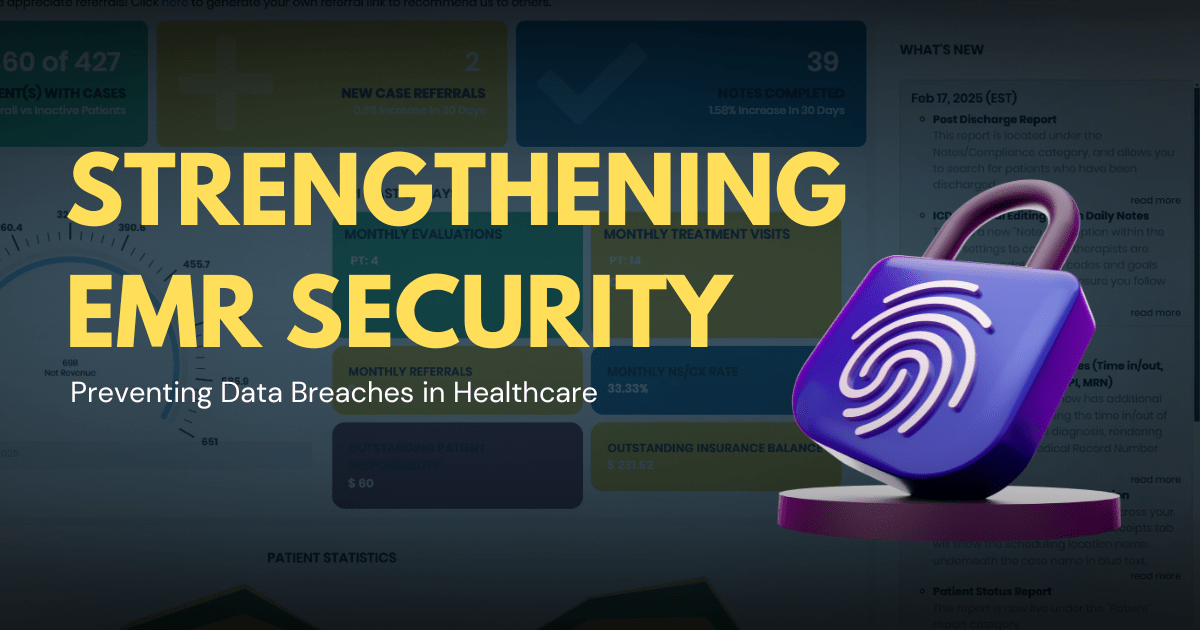
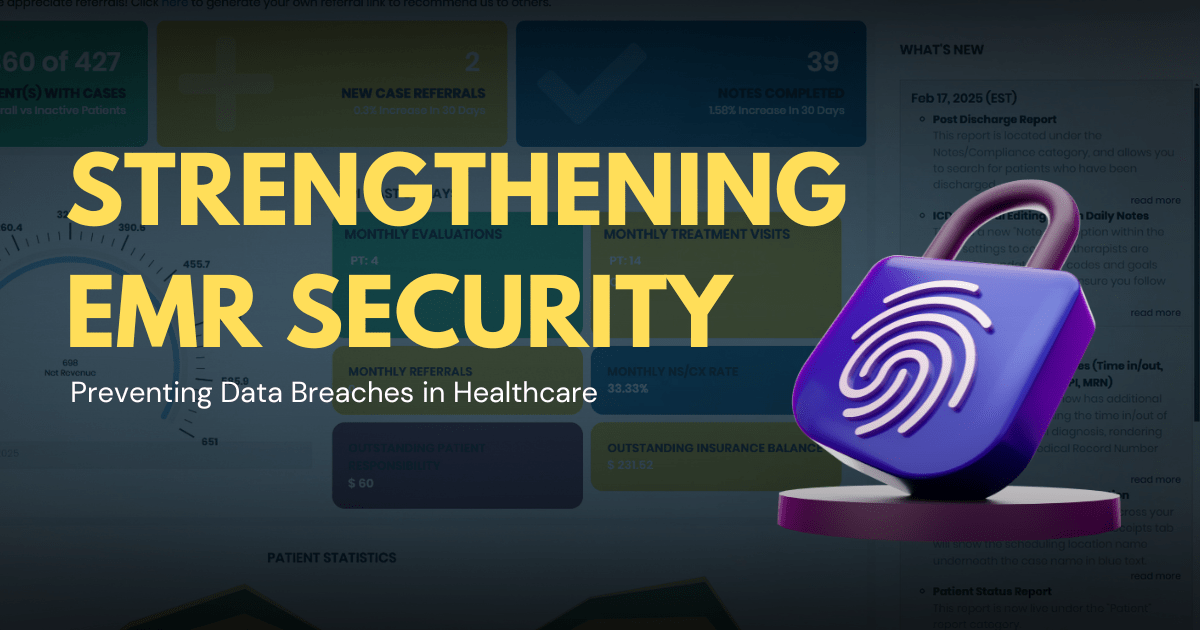
A 3D fingerprint lock symbolizing EMR security, protecting patient data in digital healthcare.

As electronic medical records (EMRs) become essential in healthcare, cyber threats targeting patient data are on the rise. Strengthening EMR security is crucial to prevent breaches, ensure compliance, and protect sensitive information. This article explores key risks, regulatory updates, and innovative security solutions to keep EMR systems safe. 

Strengthening EMR Security in Healthcare

The digitization of healthcare has revolutionized patient care by enhancing accessibility, accuracy, and efficiency. However, as electronic medical record (EMR) systems evolve, they become prime targets for cyber threats. Cybercriminals exploit EMRs due to the vast amounts of sensitive patient data they store, making EMR security a critical priority for healthcare providers. 

To combat these risks, healthcare organizations must implement robust security measures, comply with evolving regulations, and integrate emerging technologies for better data protection. This article explores key security threats, regulatory requirements, innovative security solutions, and best practices to strengthen EMR security in the healthcare industry. 

The Growing Threat of EMR Data Breaches

Cybersecurity Statistics & Trends 

Healthcare data breaches have reached alarming levels. The U.S. Department of Health and Human Services (HHS) reported over 590 healthcare data breaches in 2023 alone, compromising more than 110 million patient records. 

    • Ransomware attacks have surged by 278% since 2021, exploiting outdated EMR systems and weak security protocols. 
    • Insider threats account for 39% of healthcare data breaches, highlighting the risks of unauthorized access and data misuse. 
    • The average cost of a healthcare data breach is $10.93 million, making it the most expensive industry for cyber incidents, according to the 2023 IBM Cost of a Data Breach Report. 

Key Security Risks in EMRs

AI-Powered Cyberattacks 

    • Solution: AI-powered security monitoring tools detect anomalies and flag suspicious activities before they escalate. 

Cloud Storage Vulnerabilities 

    • Threat: Cloud-based EMRs, while efficient, can be compromised if encryption and authentication protocols are inadequate. 

Medical IoT (Internet of Things) Security Risks 

    • Threat: Connected medical devices, such as wearable monitors and smart pacemakers, generate real-time patient data, creating potential entry points for cybercriminals. 
    • Solution: Strengthen IoT networks with firewalls, encryption, and strict access controls. 

Human Error & Insider Threats 

    • Threat: Untrained staff clicking on malicious emails or accessing patient data without authorization can lead to breaches. 

Regulatory Compliance for EMR Security

HIPAA Security Rule Updates (2024-2025) 

In response to rising cyber threats, HIPAA’s latest updates aim to reinforce EMR security and compliance

    • Mandatory Security Measures – All security protocols must be fully implemented, removing “addressable” specifications. 
    • Asset Inventories & Network Mapping – Organizations must track all tech assets and map PHI movement within their systems. 
    • Stronger Breach Reporting & Response – Emphasis on timely reporting and proactive incident response plans. 

The 21st Century Cures Act: Enhancing EMR Interoperability & Security 

    • Regulations ensure that patients have improved access to medical records while maintaining data security protections. 
    • Fines for information blocking have increased to deter providers from restricting patient access to their own data. 

Global Compliance Trends (GDPR & AI Act in Healthcare) 

    • GDPR’s healthcare data mandates require greater patient control over their health information, influencing U.S. policies on privacy rights. 

Advanced Security Solutions for EMR Protection

AI-Powered Threat Detection & Automated Security Monitoring 

    • Predictive AI models analyze EMR data traffic to detect anomalies and potential breaches in real time. 
    • AI-driven access control limits unauthorized EMR logins based on behavioral analysis. 

Blockchain for Secure Patient Record Management 

    • Decentralized storage of patient data prevents single-point-of-failure attacks. 
    • Tamper-proof audit trails ensure that every EMR modification is recorded. 

Zero Trust Architecture for EMR Security 

Traditional security models assume that anyone inside the network is trusted, increasing risks. Zero Trust Architecture (ZTA) follows a “least privilege” approach, where users and devices only get access to the minimum data and system functions required for their role. 

    • Micro-Segmentation: EMR systems divide patient data into secure “zones,” preventing unauthorized navigation. 
    • Continuous Monitoring: Real-time activity tracking detects unusual access patterns, triggering security alerts. 
    • Time-Sensitive Access: High-risk data is temporarily accessible only for specific tasks, reducing misuse risks. 

Biometric Authentication for EMR Access 

    • Facial recognition and fingerprint scanning enhance security beyond passwords. 
    • Multi-factor authentication (MFA) prevents unauthorized logins. 

How HelloNote Ensures EMR Security & Compliance

At HelloNote, we prioritize EMR security while maintaining seamless functionality for therapy clinics. Our system incorporates cutting-edge security measures to help clinics safeguard patient data and comply with regulations. 

    • HIPAA & GDPR-Compliant Encryption – End-to-end encryption to protect PHI from cyber threats. 
    • AI-Driven Threat Monitoring – Real-time alerts for suspicious logins or data access. 
    • Multi-Factor Authentication (MFA) – Secure logins for authorized users only. 
    • Secure Cloud-Based Storage – Automated backups to prevent data loss or ransomware attacks. 
    • Role-Based Access Control – Staff access is restricted based on job roles, reducing insider threats. 

Want an EMR that prioritizes security without compromising usability? Book a Free Demo of HelloNote Today! 

Strengthening EMR Security for the Future

Key Takeaways: 

    • Cyberattacks on healthcare are increasing—stronger EMR security measures are essential. 
    • New regulations (HIPAA, GDPR, AI Act) require EMR systems to enhance data privacy protections. 
    • Innovative solutions like AI-powered monitoring, blockchain, and Zero Trust can prevent breaches. 
    • HelloNote offers a secure, compliance-ready EMR built for therapy clinics. 

By staying ahead of emerging threats and regulations, providers can build a more secure digital healthcare ecosystem where patient trust and EMR security come fir

Best Affordable EMR for Small Therapy Practices: Cost-Effective Solutions for Efficient Patient Care 

Looking for the best affordable EMR for small therapy practices? Discover cost-effective solutions that streamline documentation, improve patient care, and maximize your clinic’s ROI. Learn how HelloNote’s cloud-based, all-in-one system offers transparent pricing, easy adoption, and features tailored specifically for physical, occupational, and speech-language therapy practices. Make the smart choice for your clinic today!

A smiling female therapist in navy blue scrubs stands in a well-lit therapy clinic, representing the best affordable EMR for small therapy practices. The bold purple and yellow text highlights cost-effective solutions for efficient patient care. Two circular images showcase physical therapy sessions, emphasizing the EMR's role in improving therapy workflows.

Implementing an Electronic Medical Record (EMR) system is a critical step for healthcare organizations looking to improve efficiency, streamline documentation, and enhance patient care. However, the cost of EMR implementation and maintenance can be a major concern, especially for small and mid-sized practices operating on tight budgets. 

From software and hardware expenses to training and ongoing support, managing the financial impact of an EMR system requires careful planning and strategic decision-making. In this article, we’ll explore the key costs associated with EMR implementation, discuss cost-saving strategies, and highlight how practices can maximize their return on investment (ROI) while ensuring a smooth and successful transition. 

Understanding the Costs of EMR Implementation

EMR costs extend beyond just the initial purchase price. A comprehensive budget should include: 

1. Upfront Costs (Initial Investment) 

    • Hardware Costs: May include computers, tablets, servers, and networking infrastructure for clinics that require on-site hosting. 
    • Implementation & Setup: Covers system configuration, data migration from previous records, and integration with existing systems (billing, scheduling, or telehealth platforms). 

2. Training and Onboarding Costs 

    • Staff Training Sessions: Providers and administrative staff must learn how to use the system efficiently. 
    • Product Support During Transition: Some vendors offer free support, while others charge for ongoing implementation assistance. 
    • Time Investment: Initial product adoption may slow down clinic operations temporarily, affecting patient volume and revenue. 

3. Ongoing Costs (Maintenance & Support) 

    • Subscription Fees for Cloud-Based EMRs: Monthly or annual costs that include software updates, security patches, and support. 
    • IT Support & Maintenance: Practices using on-premise EMRs must budget for IT professionals to manage servers and security protocols. 

4. Hidden Costs to Consider 

    • Customization Fees: Some EMRs charge extra for specialized templates or custom reporting features. 
    • Data Storage & Backup Costs: Especially for image-heavy practices like radiology or therapy clinics using video-based documentation. 

Cost-Saving Strategies for EMR Implementation

While EMR adoption can be costly, small and mid-sized practices can implement smart cost-management strategies to minimize expenses without compromising quality. 

1. Choosing the Right EMR for Your Practice Size 

    • Cloud-Based EMRs Reduce Upfront Costs: Unlike on-premise solutions, cloud-based EMRs eliminate the need for costly hardware installations and IT maintenance. 
    • Scalable Pricing Plans: Many vendors offer tiered pricing based on practice size, allowing small clinics to pay for only what they need. 

2. Taking Advantage of Government Incentives 

    • Tax Deductions for Software & IT Upgrades: Many practices can write off EMR-related expenses under business technology deductions. 

3. Optimizing Training & Staff Adoption 

    • Vendor-Supported Training: Look for EMRs that offer free training sessions, live demos, or online resources to minimize additional costs. 
    • Gradual Implementation: Rolling out the EMR in phases rather than all at once can help staff adjust without overwhelming workflows. 

4. Reducing Ongoing Maintenance Expenses 

    • Opt for All-in-One Solutions: Choosing an integrated EMR with built-in billing, scheduling, and telehealth eliminates the need for multiple software subscriptions. 
    • Ensure Vendor Support Is Included: Some EMRs charge extra for technical support, so practices should confirm upfront if customer service is included in the cost. 
    • Regular System Audits: Reviewing billing reports, claim rejections, and documentation efficiency helps prevent costly errors and revenue loss. 

Maximizing ROI: Ensuring Long-Term Value from Your EMR

Instead of focusing solely on cost-cutting, clinics should evaluate EMRs based on long-term value. A well-implemented EMR can: 

    • Improve Revenue Cycle Management: Built-in billing tools and claims tracking ensure faster reimbursements and fewer denials. 
    • Enhance Patient Retention: Features like patient portals, telehealth, and automated appointment reminders improve engagement and retention. 
    • Strengthen Compliance & Reduce Risk: Ensuring HIPAA compliance, accurate documentation, and proper coding prevents penalties and audits. 

How HelloNote Helps Small & Mid-Sized Practices Manage EMR Costs

At HelloNote, we understand that small and mid-sized therapy clinics require affordable, feature-rich EMRs without hidden costs. That’s why we offer a solution designed to optimize your clinic’s budget while meeting the unique needs of physical, occupational, and speech-language pathologists. 

Here’s how HelloNote supports cost-effective EMR management: 

  • All-in-One EMR with Built-In Billing & Scheduling: Streamline your clinic operations with an integrated system that combines billing, scheduling, and documentation. Avoid additional costs for third-party software integrations that other platforms may require. 
  • Cloud-Based Platform with No Hardware Expenses: Secure, HIPAA-compliant cloud storage means you don’t have to worry about expensive IT infrastructure or ongoing maintenance. Scalable to your needs, so you only pay for what you use and can expand as your practice grows. 
  • Free Live Training & Customer Support: Onboarding made simple with free live training sessions, so your staff can get up to speed quickly. Ongoing support at no additional cost, ensuring that you always have assistance when needed. 
  • Customizable Features for Therapy Workflows: Prebuilt templates designed for PT, OT, and SLP practices, making documentation efficient and compliant. Outcome tracking and compliance tools that simplify reporting and ensure you stay on top of regulatory requirements. 
  • Easy-to-Use Platform with Integrated Tutorials: HelloNote is designed with therapists in mind, offering an intuitive interface that minimizes the learning curve. Integrated video tutorials walk you through every step, from creating patient records to completing detailed therapy notes, ensuring you don’t need extra training resources. Step-by-step guides within the platform help your team navigate the system smoothly, so your practice can hit the ground running with minimal disruption. 

Why Choose HelloNote?

Looking for an EMR system that combines affordability, functionality, and ease of use? HelloNote is the solution for your practice. With our all-in-one system, transparent pricing, and integrated tutorials, we provide everything you need to run your clinic efficiently and cost-effectively. 

Smart Cost Management for EMR Success

Implementing an EMR doesn’t have to break the bank—with the right planning, strategic choices, and vendor support, clinics can reduce costs while maximizing efficiency and compliance. 

Key Takeaways: 

    • Understanding the full cost of EMR implementation helps avoid unexpected expenses. 
    • Choosing the right EMR based on practice size ensures cost efficiency. 
    • Leveraging government incentives and training resources reduces upfront and ongoing costs. 
    • Investing in an EMR that improves billing, scheduling, and compliance leads to long-term financial success. 

By selecting an EMR that aligns with your practice’s needs, you can improve patient care, boost profitability, and future-proof your clinic—without the financial strain. 

UX Challenges in EMR: Enhancing Efficiency and Reducing Administrative Burdens

Learn about the UX challenges in EMR software and how addressing these issues can enhance efficiency, reduce administrative burdens, and improve overall user experience in healthcare settings. Explore solutions to common UX pain points in EMR systems.

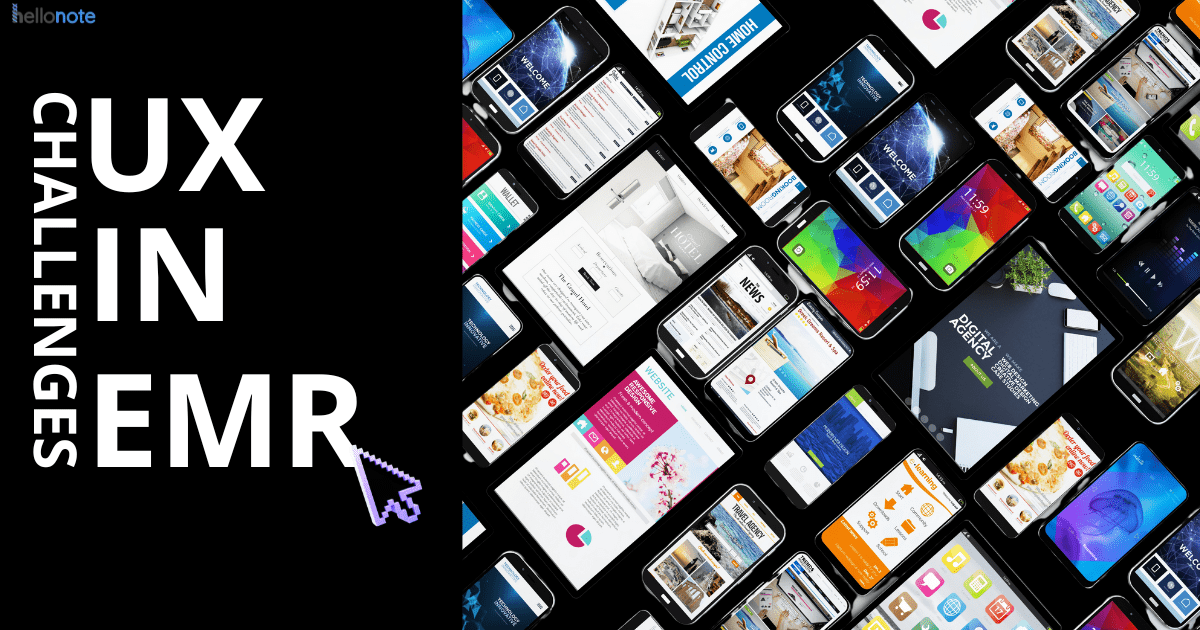
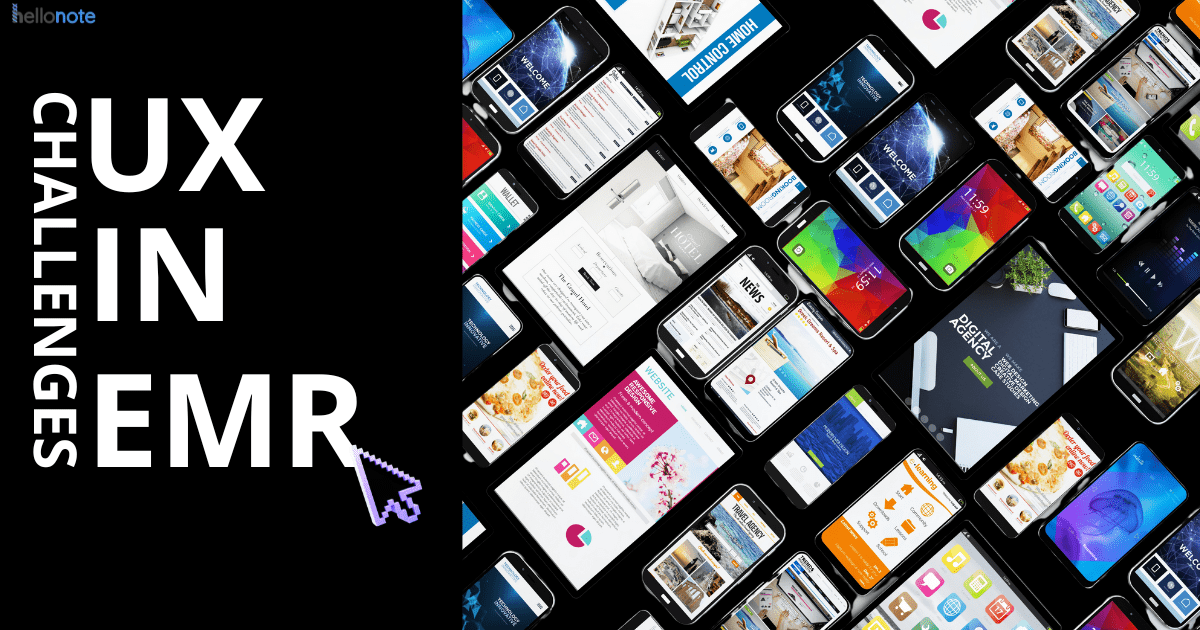
UX challenges in EMR software shown through mobile devices and digital interfaces

Electronic Medical Record software has become the backbone of modern healthcare, offering a digital platform for patient documentation, scheduling, billing, and communication. While EMRs have significantly improved data management and accessibility, many healthcare professionals still find them cumbersome, unintuitive, and time-consuming. 

As the demand for efficient, user-friendly interfaces continues to grow, User Experience (UX) improvements in EMR software have become a key focus for developers, clinicians, and healthcare administrators. A well-designed EMR system can reduce administrative burdens, streamline clinical workflows, and ultimately improve patient care. 

This article explores the current UX challenges in EMR systems, key areas for improvement, and the future of user-centric EMR design. 

Why UX Matters in EMR Software

Unlike traditional software used in other industries, EMR systems are deeply integrated into patient care and medical decision-making. A poorly designed EMR not only slows down administrative tasks but also increases the risk of errors, clinician burnout, and workflow inefficiencies. 

Healthcare professionals spend an average of 4–6 hours per day using EMR system time that could otherwise be dedicated to patient care. 
Cumbersome documentation processes force clinicians to navigate multiple clicks, pop-ups, and complex menus just to complete a simple note. 
Lack of customization and poor adaptability often result in disjointed workflows that don’t align with a provider’s unique needs. 

As the healthcare industry continues to evolve, intuitive, efficient, and user-friendly EMRs are becoming a necessity, not a luxury. 

Key UX Challenges in EMR Software

Despite advancements in EMR technology, several UX-related pain points continue to frustrate users: 

  1. Complex and Cluttered Interfaces

Many EMR platforms suffer from overloaded dashboards, excessive data fields, and cluttered navigation menus, making it difficult for users to find essential information quickly. 

Challenge: Clinicians often need to search through multiple tabs and menus just to retrieve a patient’s history, lab results, or medication records. 

Solution: Streamlined UI design, with clear categorization and logical workflows, can enhance efficiency. 

Example of Clear Categorization: 
A well-designed EMR groups related patient data under intuitive sections instead of scattering them across multiple menus. For instance: 

    • One-click access to patient history from the main dashboard instead of separate tabs. 
    • Lab results categorized by test type (Blood Work, Imaging, Pathology) instead of a single generic list. 
    • Medication lists separated into “Current Prescriptions” and “Past Medications” for quick reference. 

By organizing EMR interfaces in a way that mirrors clinical workflows, providers can access critical information faster, reduce errors, and focus more on patient care. 

Excessive Clicks and Inefficient Workflows

One of the biggest complaints among healthcare professionals is “click fatigue.” Many EMR systems require dozens of clicks to complete simple tasks, such as ordering tests or documenting progress notes. 

Challenge: A single encounter note may require 15-20 clicks, wasting valuable time. 
Solution: Auto-populated fields, voice recognition, and smart templates can reduce manual data entry and speed up documentation. 

  1. Poor Mobile Optimization

With the rise of telehealth and mobile healthcare, clinicians need EMR systems that are fully functional across devices. However, many platforms are not well-optimized for mobile use, limiting their usability in remote settings. 

Challenge: Limited mobile-friendly documentation options, forcing providers to use desktop versions. 
Solution: Responsive mobile apps and cloud-based platforms that enable real-time access to patient records on any device. 

How HelloNote Helps 

At HelloNote, we recognize that therapy doesn’t always happen in a traditional office setting. That’s why we’ve designed our EMR to be fully cloud-based and mobile-friendly, allowing therapists to: 

    • Access patient records securely from any device—desktop, tablet, or smartphone. 
    • Document sessions in real-time, even during home visits or telehealth appointments. 
    • Easily schedule and manage appointments without being tied to a workstation. 
  1. Lack of Personalization and Role-Based Interfaces

Different healthcare professionals have different needs. A physical therapist’s workflow differs from that of an emergency room physician, yet many EMRs offer one-size-fits-all interfaces. 

Challenge: Users often have to manually configure their dashboards and filters every time they log in. 
Solution: Role-based user interfaces (UIs) that adjust based on the user’s specialty and preferences. 

  1. Slow System Performance and Downtime

EMR systems that lag, freeze, or crash during critical moments disrupt workflows and compromise patient safety. 

Challenge: Delayed system responses slow down charting and ordering processes. 
Solution: Cloud-based EMRs with faster processing speeds and real-time updates improve reliability. 

How UX Improvements Can Transform EMR Usability

To address these challenges, EMR vendors are focusing on UX innovations that prioritize efficiency, customization, and ease of use. 

  1. Intuitive Dashboard Design

A well-organized dashboard should display essential patient information at a glance, eliminating the need for excessive navigation. 

Single-screen layouts for quick access to vital signs, medications, and recent notes. 
Customizable widgets so users can personalize their dashboards. 
Minimalist, clutter-free design to enhance focus and usability. 

  1. AI-Powered Smart Documentation

AI-driven voice recognition and natural language processing (NLP) are revolutionizing EMR documentation. 

Speech-to-text capabilities allow providers to dictate notes instead of typing. 
AI-powered smart templates auto-suggest relevant data fields based on the patient’s condition. 
Predictive text and auto-fill features reduce repetitive data entry. 

Example: A speech therapist can dictate a patient’s progress note while performing an assessment, reducing documentation time by 50%. 

  1. Role-Based User Interfaces

Different medical professionals should have tailored interfaces that align with their workflows. 

PTs, OTs, and SLPs see templates focused on therapy goals and functional outcomes. 
Nurses and physicians have interfaces customized for medication reconciliation and lab results. 
Front-desk staff access scheduling and billing features without unnecessary clinical data. 

  1. Seamless Integration with Telehealth and Wearables

As telehealth and remote monitoring become more common, EMRs must seamlessly integrate with third-party applications. 

Real-time data from wearable devices (e.g., heart rate, oxygen levels) synced into EMR records. 
Embedded telehealth platforms with secure video conferencing features. 
Automated home exercise program tracking for therapy patients. 

  1. Faster System Performance and Cloud-Based Solutions

A faster, cloud-based EMR eliminates downtime issues and allows secure access from anywhere. 

Cloud-based storage prevents data loss and improves accessibility. 
Auto-save and real-time syncing reduce system crashes and ensure up-to-date records. 
Load times optimized for faster performance, even during peak hours. 

The Future of UX in EMR Systems

The future of EMR design is focused on simplicity, automation, and interoperability. Key trends include: 

AI-driven decision support – EMRs that suggest treatment plans based on patient history and best practices. 
Interoperability with other healthcare platforms – Seamless data exchange between hospitals, specialists, and therapy clinics. 
Augmented reality (AR) and virtual reality (VR) integrations – Used in rehabilitation therapy and surgical planning. 
Blockchain security for patient records – Ensuring tamper-proof and decentralized medical data storage. 

By prioritizing UX improvements, EMRs can shift from cumbersome, time-consuming systems to intelligent, intuitive tools that support clinicians rather than slow them down. 

For example, an EMR with smart automation can pre-fill patient details, suggest treatment plans based on medical history, and streamline clinical workflows. When EMRs are designed to enhance efficiency rather than add administrative burden, they become a critical asset in delivering high-quality, patient-centered care. 

Why UX Improvements in EMRs Matter

Better UX in EMRs means less time spent on documentation and more time for patient care. 
AI, automation, and customization are transforming EMR efficiency. 
User-friendly interfaces reduce burnout and improve clinician satisfaction. 

As EMR technology continues to evolve, healthcare professionals must advocate for systems that work for them—not against them. The future of EMR UX design is about making healthcare simpler, faster, and more intuitive—because a great EMR should support care, not slow it down.  

How HelloNote is Advancing EMR UX for Therapists

For physical, occupational, and speech therapists, choosing an EMR with a focus on UX is essential for efficiency and better patient management. HelloNote is leading the way by offering: 

 Intuitive, therapy-specific templates for faster documentation and goal tracking. 
Smart automation tools that reduce administrative workload. 
Mobile-friendly access so therapists can document sessions from any location. 
Seamless integration with telehealth and home exercise tracking. 

Want to experience an EMR designed with therapists in mind? Book a Free Demo of HelloNote Today!  

You've found a hidden discount!

  • 00Hours
  • 00Minutes
  • 00Seconds