





















🎁 October Offer: PTs Save 10% Every Month Claim 10% Savings New PT Subscribers • User Fees Only

You've found a hidden discount!

HN Unlock Layer 1
HN Unlock Layer 2
HN Unlock Layer 3
HN Unlock Layer 4
HN Unlock Layer 5
  • 00Hours
  • 00Minutes
  • 00Seconds

Category: technology

Top 6 Advantages of Using an EMR Software in Your Therapy Practice

EMR software simplifies therapy practice management by streamlining documentation, enhancing patient care, ensuring billing compliance, and providing easy accessibility. With features like personalized care plans, secure cloud storage, and patient portals, EMR software helps physical, occupational, and speech therapists deliver effective care while managing their practices efficiently.

A computer screen displaying EMR software, showcasing patient records and streamlined documentation tools for therapy practices.

Starting a physical, occupational, or speech therapy practice comes with unique challenges, one of which is efficiently managing patient care and administrative tasks. A reliable electronic medical record (EMR) software is an essential tool to help you grow and streamline your practice. Gone are the days of paper records; today, EMR systems provide numerous benefits for both clinics and patients. Here are six key advantages of using EMR software in your therapy practice:

1. Personalized Patient Care

An EMR system allows therapists to access detailed patient records instantly, making it easier to understand medical histories and develop comprehensive treatment plans. This ensures that care is tailored to the individual needs of each patient. By having all relevant information in one place, therapists can provide well-rounded and effective interventions.

For practices with multiple clinicians, EMR software enhances collaboration by allowing seamless information sharing, ensuring continuity of care even when therapists are unavailable.

2. Streamlined Documentation

EMR software centralizes all patient notes and documentation in one secure location, making it easier to maintain accurate records. This feature is especially useful when a therapist is on leave, as other clinicians can continue providing goal-oriented treatments without interruptions.

By simplifying the documentation process, EMR systems help therapists save time while ensuring compliance with industry standards. Accurate and organized records also improve coordination among team members and facilitate better patient outcomes.

3. Insurance Billing Compliance

Billing can be one of the most complex aspects of running a therapy practice, especially when dealing with insurance claims. EMR systems, like HelloNote, simplify the process by automating claim submissions and flagging missing information or incorrect codes.

With built-in features for adding necessary modifiers and ensuring accuracy, an EMR system significantly reduces claim rejections and denials. This not only saves time but also ensures consistent cash flow for your practice.

4. Enhanced Patient Engagement with Portals

EMR systems store patient records securely in the cloud, allowing therapists to access data from virtually any location with an internet connection. Whether you’re working from home, at a clinic, or on the go, you can easily retrieve and update records without disruption.

For instance, if you need to finalize a treatment note while traveling, you can quickly log into the EMR system and complete the task. This flexibility eliminates barriers to productivity and ensures that your practice runs smoothly, no matter where you are.

5. Accessibility Anytime, Anywhere

EMR systems store patient records securely in the cloud, allowing therapists to access data from virtually any location with an internet connection. Whether you’re working from home, at a clinic, or on the go, you can easily retrieve and update records without disruption.

For instance, if you need to finalize a treatment note while traveling, you can quickly log into the EMR system and complete the task. This flexibility eliminates barriers to productivity and ensures that your practice runs smoothly, no matter where you are.

6. Environmentally Friendly and Cost-Effective

Switching to EMR software supports eco-friendly practices by reducing the need for paper documentation. All patient information, including intake forms, care plans, and exercise handouts, can be securely uploaded and stored digitally.

By going green, your clinic not only contributes to sustainability but also saves on expenses like paper, ink, and storage space. Additionally, digital storage reduces the time and effort required for manual filing and retrieval, freeing up staff for more critical tasks.

Why EMR Software Is Essential for Your Practice

EMR software is more than just a tool; it’s a cornerstone for improving patient care and optimizing administrative processes. With features that centralize documentation, simplify billing, and enhance accessibility, EMR systems enable therapists to focus on what matters most—helping their patients achieve their goals.

For physical, occupational, and speech therapy practices, an EMR solution like HelloNote offers a comprehensive platform for managing patient records, scheduling, billing, and more. Whether you’re a new clinic owner or transitioning from paper records, now is the time to invest in an EMR system that supports your practice’s growth and success.
Must Have EMR features for an Outpatient Therapy Clinic

Selecting the right EMR features software is crucial for running a successful therapy practice. This article highlights the essential features therapists need in an EMR system, including ease of use, HIPAA compliance, patient reminders, built-in billing functionality, and reporting tools. Learn how the right EMR, like HelloNote, can streamline operations, improve patient care, and enhance productivity in your outpatient clinic.

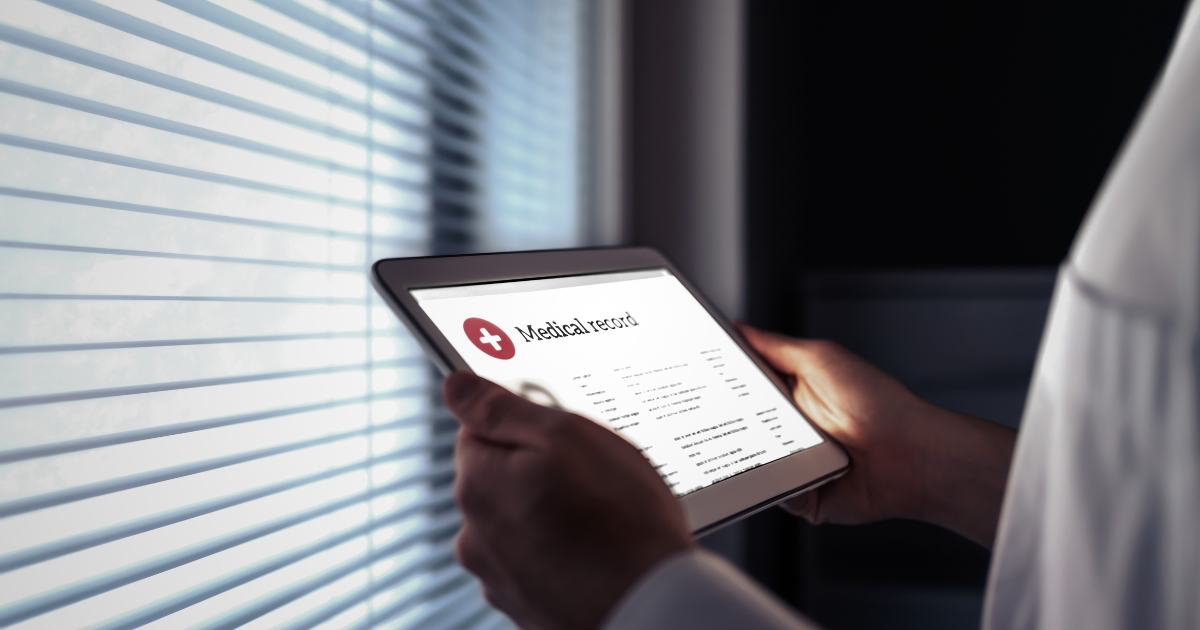
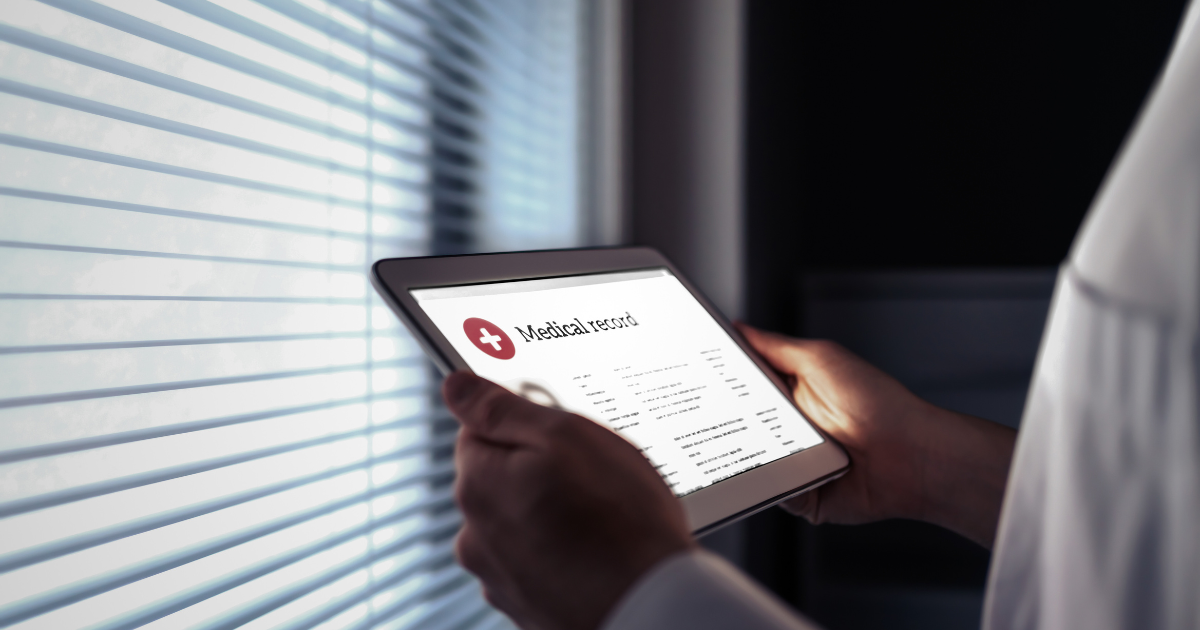
Therapist holding a tablet displaying digital medical records, symbolizing the efficiency of EMR features software in therapy practices

For those therapists who are considering starting or who have just started their own outpatient practice, one of the most important features of running a successful clinic is having a PT documentation software that stands out from the rest. However, with so many therapist notes software out there right now, how do you decide which one is best for your practice?

Let’s discuss the most important EMR features you should be looking for, specifically as a therapist, when purchasing a PT EMR system to ensure you have a software that works for you.

1. EMR designed specifically for therapists:

To start, the most important feature of a physical therapy electronic medical records system is that it was created specifically for therapists and if it was designed by other therapists, then even better. Why? Simple, because when you purchase an EMR software that was created by a fellow therapist, you are ensuring the physical therapy software will have all of the specific features you need as a therapist, since it was created by a fellow colleague, which will make your job that much easier. Did you know HelloNote was built by a team of therapists, meaning their EMR system has the needs and wants of therapists at the forefront.

2. EMR that is simple yet robust:

Another key feature of selecting an appropriate EMR for your clinic is ease of use and HIPAA compliance. The last thing you want when starting a practice is having to take a bunch of time to learn a complex documentation system, time which could be better spent marketing or treating patients. By selecting a therapist notes software that is simple and easy to use, not only will it be easy to learn, but you can also focus on what matters most during sessions…your patients. HIPAA compliance is another consideration when selecting a physical therapy documentation software because as healthcare providers, HIPAA must be followed at all times to protect the privacy of the patients. If you are not following HIPAA, you are setting your practice up for all kinds of legal issues. HelloNote is not only easy to use and self-explanatory, but it also has templates built-in for different notes, to improve efficiency and efficacy during your work day.

3. EMR with built in patient reminders:

If you have worked in an outpatient therapy setting, then there is a good chance you have encountered patients who fall under the “no call, no show” category with the number one reason being they missed their appointment because they forgot about it. Not only is that a disservice for the patient, but it also decreases your productivity and prevents you from potentially seeing a different patient during that time. The simplest way to reduce the number of “no call, no shows” you experience at your outpatient clinic is to have an EMR system that sends out appointment reminders after a patient has scheduled his/her next appointment. That way, even if the patient forgets, he/she receives a friendly reminder 1-2 days prior to the upcoming appointment and if the patient is unable to make it, he/she can cancel instead of just not showing up.

4. EMR with built in billing functionality:

Depending on the type of outpatient practice you have and whether you accept insurance or plan to be cash-based, another crucial documentation software feature is the billing capabilities. As a physical therapist, you do not want to have to worry about a claim not being submitted or a claim being submitted incorrectly because it is missing a modifier, which will ultimately cause a delay in when your practice is reimbursed. To avoid this, seek out a physical therapy documentation software that has modifiers and insurance coding already built into it. This way, in case you forget to add a –59 modifier to a Medicare claim, your EMR will prompt you to add it or at least re-check what you entered. HelloNote not only has these features already built in to their system, but they also have a one-click billing and claim generation to make billing as easy as possible.

5. EMR with reporting functionality:

Last but not least, you want to ensure your therapist notes software can run reports so you can see how the clinic is doing, productivity-wise. From tracking the number of patients being seen each day or week, to the number of billing units per patient, having the ability to run reports is crucial to identifying areas of weakness and ultimately, being able to run a successful practice. If your EMR does not already have a built-in capability of generating reports, not only will you waste time trying to put your own reports together, but those reports might not be as accurate, due to the possibility of manmade error. EMR software’s, such as HelloNote, have the ability to create custom reports, both numerically and with the use of graphs/charts, so that you can plot data and track productivity with minimal to no effort.

Selecting an appropriate PT documentation software can be difficult and challenging but buying the software that is best for you and fits your needs from the beginning, will save you a lot of time and hassle in the long run. HelloNote is a very robust EMR software made by and for rehabilitation therapists and not only has all of the above features, but so much more which you can learn about on Hellonote.

You've found a hidden discount!

  • 00Hours
  • 00Minutes
  • 00Seconds