



















You've found a hidden discount!

HN Unlock Layer 1
HN Unlock Layer 2
HN Unlock Layer 3
HN Unlock Layer 4
HN Unlock Layer 5
  • 00Hours
  • 00Minutes
  • 00Seconds

Category: practice management

Facebook Marketing for Rehabilitation Therapists: Building Trust, Connecting Communities, and Growing Your Practice

A hand holding a smartphone displaying a HelloNote Facebook Business Page, showcasing engaging content and social media interaction for a rehabilitation therapy clinic.

Introduction: Beyond the Clinic Walls

In today’s digitally connected world, the reach of your rehabilitation therapy practice extends far beyond the physical walls of your clinic. Patients and their families increasingly turn to online platforms not just for information, but for connection, support, and validation when seeking care. Among these platforms, Facebook remains a dominant force, offering a unique opportunity for Occupational Therapists (OTs), Physical Therapists (PTs), Speech-Language Pathologists (SLPs), clinic owners, and rehabilitation professionals to build trust, educate their communities, and strategically grow their practice online.

However, simply having a presence isn’t enough. Effective Facebook marketing for therapists requires a thoughtful approach—one grounded in providing genuine value, fostering community, adhering to ethical standards, and ultimately, connecting your outreach efforts to efficient practice management. This article explores how rehabilitation professionals can leverage Facebook pages, groups, and targeted advertising to strengthen their online presence, attract the right clients, and enhance their clinic’s success.

Why Facebook Matters Specifically for Rehabilitation Therapists

Unlike generic businesses, therapy practices thrive on trust and specialized knowledge. Facebook allows your rehabilitation therapist marketing efforts to truly resonate, enabling you to:

    • Educate Your Local Community: Share insights about specific conditions, treatment approaches, and preventative strategies relevant to your specialty (e.g., posture tips for remote workers from a PT, handwriting development activities from an OT, strategies for managing aphasia post-stroke from an SLP). This is key for patient engagement online.

    • Build Authority and Credibility: Consistently providing valuable, accurate information positions you and your clinic as trusted experts in your field, helping with building trust in therapy online.

    • Increase Visibility: Reach potential patients actively or passively searching for solutions you provide within their local area.

    • Counter Misinformation: Offer evidence-based perspectives in a space often filled with questionable health advice.

    • Support Existing Patients (Indirectly): Share general wellness tips, clinic updates, and resources that reinforce their therapeutic journey (while maintaining confidentiality).

    • Generate Referrals: Encourage satisfied clients (with permission) and community members to share your valuable content or recommend your page.

Laying the Groundwork: Your Professional Facebook Business Page

Think of your Facebook Business Page as your digital front door. It needs to be professional, informative, and welcoming. Effective clinic social media strategy starts here.

Optimizing Your Business Page for Impact:

    • Professional Branding: Use a high-quality logo for your profile picture and a compelling cover photo that reflects your clinic’s environment or mission (e.g., therapists working with patients, a welcoming clinic space, community imagery).

    • Comprehensive “About” Section: This is crucial for Facebook Business Page optimization. Include:

        • Your clinic’s mission and values.

        • Detailed descriptions of your services, clearly outlining specialties (e.g., “Pediatric Occupational Therapy specializing in sensory integration,” “Outpatient Physical Therapy for orthopedic and sports injuries,” “Speech Therapy for adults focusing on voice and swallowing disorders”).

        • Full contact information (address, phone number, website).

        • Clinic hours.

        • Insurance information (accepted plans or policy on verification).

    • Clear Call-to-Action (CTA) Button: Configure buttons like “Book Now” (linking to your scheduling system), “Call Now,” “Contact Us” (linking to a contact form), or “Learn More” (linking to your website’s services page).

    • Enable Messaging (Strategically): Allow potential clients to send private messages but set expectations for response times and clarify that specific medical advice cannot be given via message. Have a plan for who monitors and responds.

    • Pin Important Posts: Use the “Pin to Top” feature for crucial announcements, introductory videos, or posts highlighting your core services.

    • Encourage Reviews: Facebook reviews build social proof. Gently encourage satisfied patients (ethically and with consent if mentioning specifics) to leave feedback. Respond professionally to all reviews, positive or negative.

Content Strategy: Educate, Engage, Empower

Your content should provide value far more often than it directly sells. Mix up your formats to keep things interesting like the following. This approach is fundamental to successful physical therapy marketing Facebook campaigns.

    • Blog Post Sharing: Drive traffic to your website by sharing links to your in-depth blog articles.

    • Community Resources: Share links to reputable local health organizations or support groups relevant to your patient population.

Building Deeper Connections: The Power of Facebook Groups

While your Page broadcasts information, Facebook Groups create communities. A well-managed group can foster incredible loyalty and position your clinic as a central resource, enhancing your clinic social media strategy.

Using Groups Effectively and Ethically:

    • Niche Focus: Create private Facebook Groups for therapists centered around specific needs or interests relevant to your practice (e.g., “Local Support Network for Parents of Children with Sensory Processing Disorder,” “Managing Chronic Back Pain: Tips & Support,” “Stroke Recovery & Caregiver Connections [Your City]”).

    • Privacy is Key: Make groups private to encourage open (yet appropriate) sharing and create a safe space. Clearly vet membership requests.

    • Establish Clear Rules: Outline guidelines for respectful interaction, prohibit direct medical advice solicitation/provision, ban overt self-promotion from members, and state moderation policies.

    • Facilitate, Don’t Dominate: Your role is to guide discussion, share relevant (general) resources or articles, pose thoughtful questions, and perhaps host scheduled Q&A sessions or expert interviews (maybe with a nutritionist or physician).

    • Value-Driven Content: Share helpful tips, curated articles, and general advice applicable to the group’s theme, always reinforcing that it’s not a substitute for personalized therapy.

    • Strict Moderation: Actively monitor discussions to ensure rules are followed and the environment remains supportive and professional.

Groups build rapport and trust on a deeper level. Members may eventually become clients or strong advocates for your practice because they feel understood and supported, further solidifying your building trust in therapy online efforts.

Reaching Further: Strategic Facebook Advertising

Organic reach on Facebook can be limited. Paid advertising allows you to target specific demographics and interests, ensuring your message reaches potential clients actively seeking help to grow your therapy practice online. This is a critical component of Facebook marketing for therapists.

Key Elements of Effective Facebook Ads for Therapists:

    • Define Your Objective: What do you want people to do? (e.g., Visit your website, fill out a contact form, call the clinic, sign up for a free webinar/screening). Choose the corresponding Facebook Ad objective (Traffic, Leads, Engagement, etc.).

    • Precise Audience Targeting: This is where Facebook excels. For effective Facebook Ads targeting, target based on:

        • Location: Essential for local clinics (target specific zip codes, cities, or a radius around your practice).

        • Demographics: Age, gender (if relevant to your service).

        • Interests & Behaviors: Target interests related to conditions (e.g., “arthritis,” “back pain,” “running,” “parenting,” “special needs parenting”), but be cautious. Facebook restricts targeting based on specific health conditions. Focus on related interests and behaviors (e.g., people interested in “adaptive equipment” for OT, or “marathon training” for PT).

    • Compelling Ad Creative: For powerful Facebook ads for rehabilitation clinics:

        • Clear Headline: Address a pain point or highlight a benefit (e.g., “Relieve Back Pain & Improve Mobility,” “Help Your Child Thrive with Pediatric OT,” “Regain Confidence in Communication”).

        • Concise Text: Explain how you help and what makes your clinic unique. Focus on benefits, not just features.

        • Strong Visuals: Use high-quality photos or short videos (ideally featuring your clinic or therapists, if comfortable and professional). Avoid generic stock photos if possible.

        • Clear Call-to-Action: Match your objective (e.g., “Learn More,” “Book Your Consultation,” “Download Free Guide,” “Call Us Today”).

    • Landing Page Congruence: Ensure the page users land on after clicking the ad is relevant and makes it easy to take the next step.

    • Budget and Monitoring: Start with a small budget, track performance (clicks, leads, cost per lead), and adjust your targeting, creative, or budget based on results.

Examples of Rehab-Focused Facebook Ads:

      • Promote a free “Back Pain Prevention” or “Fall Prevention” workshop (online or in-person).

      • Offer a downloadable guide: “5 Exercises to Ease Shoulder Tension” (PT) or “Tips for Encouraging Early Language Skills” (SLP).

      • Advertise specialized programs: “Pediatric Feeding Therapy Evaluations Available,” “Post-Surgical Rehab Experts.”

      • Run awareness campaigns targeting specific local demographics.

Upholding Ethical Standards: The Non-Negotiables

Marketing on a public platform requires strict adherence to professional ethics and privacy regulations. Implementing ethical social media for therapists is paramount:

HIPAA Compliance:

    • Never share Protected Health Information (PHI). Avoid discussing specific patient cases, even anonymously, if details could potentially identify someone. Be cautious in direct messages; guide inquiries toward secure communication channels (phone, secure portal) for sensitive discussions.

Confidentiality:

    • Maintain strict patient confidentiality in all online interactions.

No Direct Medical Advice:ext Here

    • Use clear disclaimers stating that information provided is educational and not a substitute for a professional evaluation or personalized treatment plan. Avoid diagnosing or recommending specific treatments in posts, comments, or groups.

Testimonials:

    • If using testimonials, obtain explicit, written informed consent. Ensure they are truthful and not misleading. Be aware of regulations in your specific state regarding patient testimonials in advertising.

Professional Boundaries:

    • Maintain professionalism in all communications. Avoid friending current patients on personal profiles. Have a clear clinic social media policy for staff.

Truthful Advertising:

    • Ensure all claims about services and outcomes are accurate and evidence-based.

Adherence to healthcare marketing ethics builds lasting trust.

Bridging Marketing Success with Operational Efficiency: The HelloNote Advantage

Successful Facebook marketing for therapists—whether through engaging content, community building, or targeted ads—leads to increased inquiries, new patient leads, and ultimately, a busier schedule. Managing this influx efficiently is crucial to capitalize on your marketing investment and maintain a high standard of care. This is where a robust Electronic Medical Record system specifically designed for therapists, like HelloNote, becomes invaluable, serving as essential practice management software.

Imagine generating several promising leads from a Facebook ad campaign promoting pediatric OT evaluations. How do you ensure these potential clients are contacted promptly, scheduled efficiently, and onboarded smoothly?

Seamless Lead Capture & Management:

    • While leads might initiate contact via Facebook message or a linked website form, that information needs a central hub. HelloNote allows your administrative team to easily input and track these new leads, ensuring no potential patient falls through the cracks. You can even track the referral source (e.g., “Facebook Ad Campaign – Pediatric OT”) within HelloNote to measure your marketing ROI accurately. This is a key aspect of effective EMR lead management.

Streamlined Scheduling:

    • Once a lead converts, scheduling their initial evaluation is the next critical step. HelloNote’s integrated scheduling system simplifies finding available slots for the right therapist and service type, reducing back-and-forth communication and minimizing delays.

Efficient Intake Process:

    • Transitioning a lead to a patient involves paperwork. HelloNote offers customizable digital intake forms that can be sent to new patients ahead of their first appointment, saving valuable clinic time and ensuring therapists have necessary information readily available within the EMR before the session begins.

Organized Patient Records:

    • All information for patients acquired through your Facebook marketing efforts—from initial contact notes to evaluation reports and treatment plans—is stored securely and accessibly within HelloNote, providing a comprehensive patient overview.

Data-Driven Decisions:

    • By tracking referral sources within HelloNote, clinic owners and administrators can clearly see which Facebook marketing strategies (specific ads, content themes) are driving the most patient conversions, allowing for informed decisions about future marketing investments.

Essentially, HelloNote acts as the operational backbone that supports your marketing success. It ensures that the interest generated on platforms like Facebook translates into well-managed patient relationships and a smoother workflow for your entire team, freeing up therapists to focus on what they do best: providing excellent care.

Conclusion: Cultivating Growth Through Connection

Facebook offers rehabilitation therapists a dynamic platform to educate, engage, and expand their reach within the community. By establishing a professional Business Page, fostering supportive Group communities, utilizing targeted advertising strategically, and always adhering to strict ethical guidelines, you can build significant trust and attract clients who genuinely need your expertise. This comprehensive approach to social media strategy for OTs PTs SLPs is vital for practice growth.

However, effective marketing is only part of the equation. Integrating these outreach efforts with powerful practice management software like HelloNote ensures that growth is sustainable and manageable. By connecting your external communication with internal efficiency, you create a seamless experience for both potential clients and your dedicated team, paving the way for a thriving and impactful rehabilitation therapy practice.

Ready to Transform Your Clinic’s Efficiency?

Ready to streamline your practice operations and effectively manage the growth from your marketing efforts? Visit https://hellonote.wpengine.com/ or call us today to schedule a personalized demo!

Clinical Specialization for Therapists: Advancing Expertise & Patient Outcomes

A confident female rehabilitation professional in a clinic, representing clinical specialization for therapists.

Introduction: Why Clinical Specialization Matters for Therapy Professionals

As healthcare evolves, therapists must continuously enhance their knowledge and skills to provide specialized, high-quality patient care. Clinical specialization for therapists allows rehabilitation professionals to maintain expertise, improve patient outcomes, and stay competitive in their respective fields, contributing to therapy professional growth.

This article explores the importance of this expertise in Physical Therapists (PTs), Occupational Therapists (OTs), and Speech-Language Pathologists (SLPs), emphasizing how maintaining expertise, continuing education for therapists, and adapting to communication diversity can enhance professional growth and patient care.

Clinical Specialization in Physical Therapy: Enhancing PT Expertise & Care

Physical Therapists (PTs) treat a wide range of conditions, from musculoskeletal injuries to neurological disorders. Specializing in a specific practice area allows PTs to provide advanced, evidence-based treatments that lead to better patient outcomes. This focus on PT Specialization is key, offering benefits for physical therapists.

Importance of Clinical Specialization for Therapists

Enhances patient care and treatment efficiency by developing expertise in a targeted area.
Increases career opportunities by qualifying PTs for specialized roles in hospitals, private practices, and rehabilitation centers.
Helps PTs stay aligned with research-based interventions that improve mobility and function.

Popular Specialization Areas for PTs

PTs can pursue certification in various specialties through organizations like the American Board of Physical Therapy Specialties (ABPTS). Some recognized specialties include:
Orthopedic Physical Therapy – Focuses on treating musculoskeletal injuries, post-surgical rehab, and chronic pain conditions.
Neurologic Physical Therapy – Specializes in rehabilitating patients with stroke, spinal cord injuries, and Parkinson’s disease.
Pediatric Physical Therapy – Helps children with developmental delays, cerebral palsy, and neuromuscular conditions.
Geriatric Physical Therapy – Addresses age-related conditions like osteoporosis, balance deficits, and joint degeneration.
Sports Rehabilitation – Works with athletes recovering from injuries to restore performance and prevent re-injury.

Maintaining Expertise in PT Specializations

Pursuing board certifications to validate expertise and enhance credibility.
Attending workshops and seminars to stay updated on emerging treatment techniques.
Engaging in mentorship programs to refine skills under experienced specialists.
Utilizing EMR systems like HelloNote EMR to track patient progress and document specialized interventions efficiently.

Continuing Education for Occupational Therapists: Staying Updated in a Dynamic Field

Occupational Therapists (OTs) help individuals regain independence in daily activities through customized interventions. With continuous advancements in rehabilitation, OTs must stay informed about the latest research, tools, and treatment techniques. This commitment to OT Continuing Education is crucial, demonstrating how OTs stay updated in rehabilitation.

The Role of Continuing Education for OTs

Keeps therapists informed about regulatory updates, therapy advancements, and evidence-based practices.
Improves clinical decision-making by integrating new rehabilitation techniques and assistive technologies.
Expands career growth opportunities by allowing OTs to specialize in high-demand areas such as hand therapy or neurorehabilitation.

Key Specialization Areas for OTs

OTs can focus on specific populations or treatment areas, including:
Hand Therapy – Treating upper extremity injuries, post-surgical rehabilitation, and fine motor impairments.
Sensory Integration Therapy – Working with children with sensory processing disorders, autism, and ADHD.
Neurological Rehabilitation – Assisting stroke survivors and brain injury patients in regaining motor and cognitive function.
Ergonomics and Workplace Therapy – Helping employees prevent workplace injuries and improve productivity.
Geriatric and Dementia Care – Supporting older adults in maintaining independence and managing cognitive decline.

How OTs Can Stay Updated

Earning advanced certifications like Certified Hand Therapist (CHT) or Neuro-Developmental Treatment (NDT) Certification.
Attending professional conferences hosted by organizations like AOTA (American Occupational Therapy Association).
Taking online courses and webinars to learn new therapy techniques and adaptive equipment use.
Documenting patient progress with HelloNote EMR to track outcomes and enhance treatment planning.

Speech-Language Pathologists: Adapting to Diverse Communication Needs Through SLP Specialization

Speech-Language Pathologists (SLPs) work with patients of all ages, addressing speech, language, voice, and swallowing disorders. As language and communication needs evolve, SLPs must continuously adapt their approaches to provide effective treatment. This need for SLP Specialization is growing.

The Need for Specialization in SLP

Expands clinical expertise to support patients with complex speech and language disorders.
Improves patient-centered care by tailoring interventions to culturally and linguistically diverse populations.
Addresses new challenges, such as increasing demand for teletherapy and alternative communication methods.

Key Specialization Areas for SLPs

SLPs can specialize in various fields, including:
Pediatric Speech Therapy – Assisting children with speech delays, articulation disorders, and language development.
Swallowing and Dysphagia Therapy – Helping patients with swallowing disorders caused by neurological conditions or surgery.
Accent Modification and Multilingual Therapy – Supporting individuals in improving pronunciation and communication in multiple languages.
Augmentative and Alternative Communication (AAC) – Working with non-verbal patients to implement speech-generating devices and communication tools.
Voice Therapy – Treating vocal cord dysfunction, professional voice users, and gender-affirming voice training.

How SLPs Can Adapt to Changing Communication Needs

Engaging in cultural competency training to serve diverse linguistic populations.
Using advanced AAC technology to assist non-verbal or minimally verbal individuals.
Specializing in telepractice to provide virtual speech therapy for remote patients. This highlights the importance of telehealth for therapists.
Leveraging EMR solutions like HelloNote EMR to customize therapy plans and track progress efficiently.

The Role of HelloNote EMR in Supporting Therapy Specialization

Specialization in therapy requires advanced documentation, streamlined workflow management, and data tracking. HelloNote EMR enhances specialized therapy practices by:

Providing customizable templates for documenting specialized interventions, supporting specialized documentation for therapy.
Tracking patient progress in real time to evaluate treatment effectiveness and facilitate improving patient outcomes.
Integrating telehealth options for remote therapy sessions, an essential feature for telehealth for therapists.
Ensuring compliance with insurance and Medicare requirements for specialized services.

By integrating HelloNote, therapists and clinic owners can focus on delivering expert care while maintaining accurate and efficient documentation, contributing to rehabilitation clinic optimization.

Looking to enhance your therapy practice with specialized documentation tools? Book a free demo of HelloNote EMR today!

Final Thoughts: Boosting Therapy Professional Growth Through Specialization

Clinical specialization for therapists is essential for Physical Therapists (PTs), Occupational Therapists (OTs), and Speech-Language Pathologists (SLPs) to provide high-quality, evidence-based care. It is key for continued therapy professional growth.

PTs benefit from maintaining expertise in specialized areas like orthopedics, neurology, and sports rehabilitation, demonstrating the benefits of clinical specialization for physical therapists.

OTs must engage in continuing education for therapists to stay informed about new treatment techniques and assistive technologies, showcasing how OTs stay updated in rehabilitation.

SLPs must adapt to diverse language and communication needs by specializing in AAC, voice therapy, and multilingual interventions, addressing SLP specialization areas and communication needs.

By investing in advanced training, certifications, and EMR solutions like HelloNote EMR, rehabilitation professionals can enhance their practice, improve patient outcomes, and stay ahead in their field.

Chiropractic Care for Stress and Sleep: How Nervous System Regulation Supports Better Rest

Table of Contents

Chiropractic care is often associated with back pain and joint alignment, but its impact reaches far beyond musculoskeletal relief. For many patients, chiropractic care plays a meaningful role in reducing stress and improving sleep quality by supporting nervous system regulation.

As more people seek natural, non-pharmacological ways to manage stress and sleep problems, chiropractors are increasingly positioned as part of a broader wellness approach—one that addresses how the spine, nervous system, and stress response are connected.

This article explores how chiropractic care for stress and sleep works, what the research suggests, and how clinics can integrate this approach into patient care responsibly and effectively.

Understanding the Stress–Sleep Connection

Stress and sleep are tightly linked. Chronic stress keeps the body in a heightened state of alert, making it difficult to fall asleep, stay asleep, or reach deeper stages of rest.

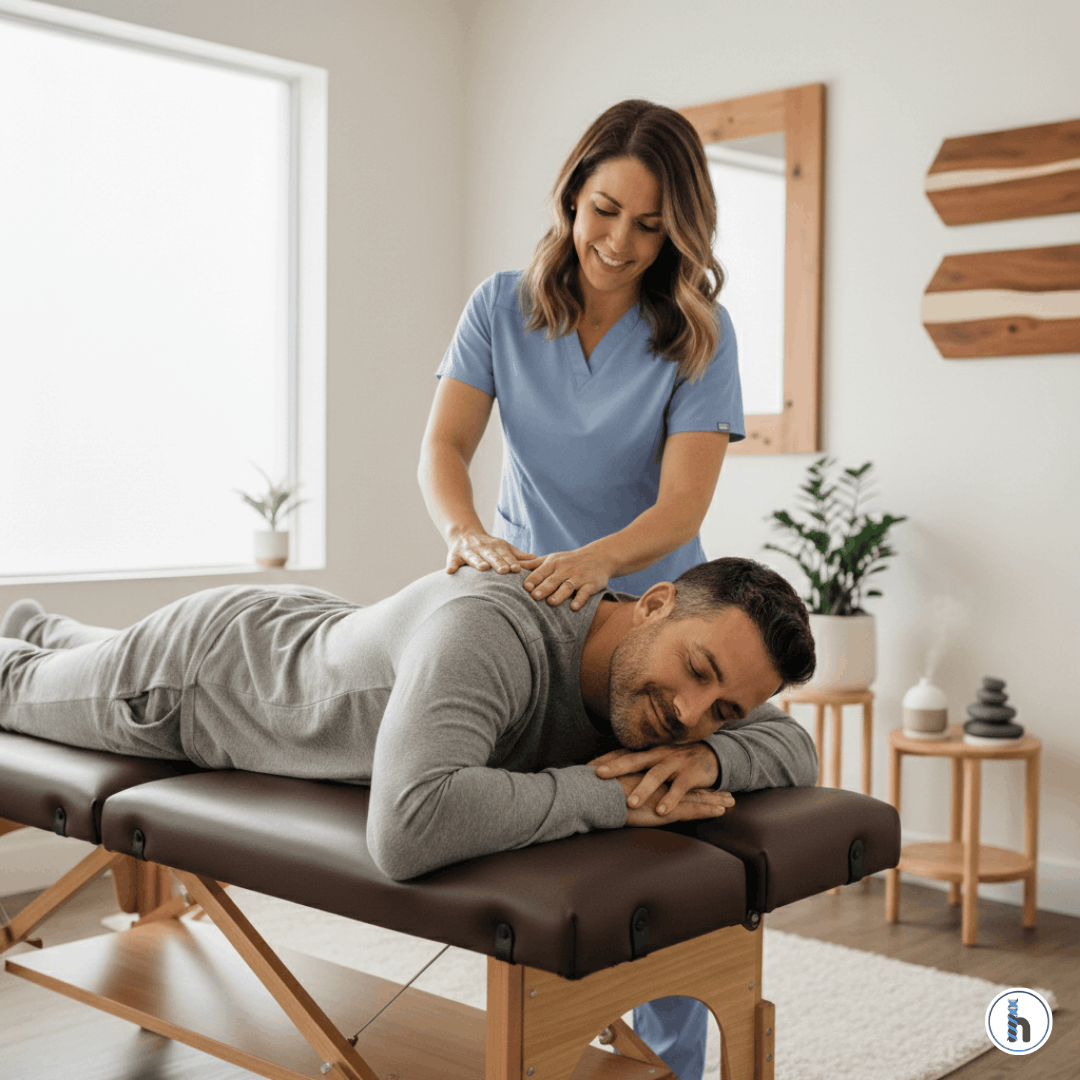
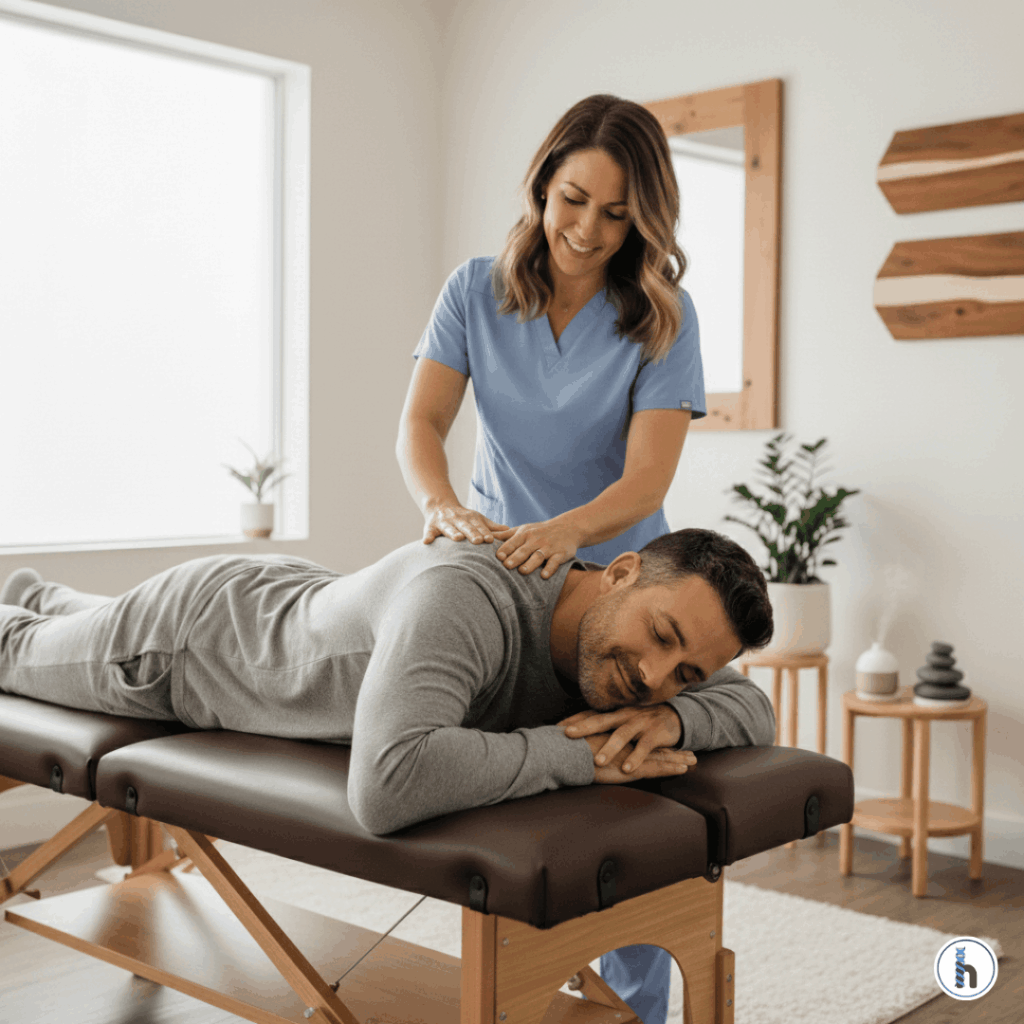
Chiropractor providing gentle spinal adjustment to help reduce stress and support relaxation in a calm wellness clinic

How Stress Disrupts Sleep

When stress persists:

    • Cortisol levels remain elevated
    • Muscle tension increases
    • Heart rate and breathing stay elevated
    • The nervous system struggles to shift into a restorative state

Over time, this imbalance contributes to poor sleep quality, insomnia, and fatigue, even when patients are exhausted.

Why Nervous System Regulation Matters

The spine protects the spinal cord, which acts as the communication highway between the brain and the body. When spinal function is impaired, nervous system signaling may become less efficient contributing to prolonged stress responses.

This is where chiropractic care becomes relevant.

How Chiropractic Care May Help Reduce Stress Naturally

Chiropractic care focuses on improving spinal motion and nervous system communication, which can influence how the body responds to stress.

Supporting Autonomic Nervous System Balance

One of the primary ways chiropractic adjustments may help reduce stress is by encouraging balance between:

    • The sympathetic nervous system (fight-or-flight)
    • The parasympathetic nervous system (rest-and-digest)

Improved balance supports relaxation, recovery, and emotional regulation.

Reducing Physical Tension Linked to Stress

Stress often shows up physically as:

    • Neck and shoulder tightness
    • Jaw clenching
    • Headaches
    • Mid-back tension

By addressing joint restrictions and muscular tension, chiropractic adjustments may help reduce the physical load that reinforces stress patterns.

Influencing Stress-Related Biomarkers

Some research suggests spinal adjustments may positively influence:

    • Heart rate variability (HRV)
    • Cortisol levels
    • Endorphin and serotonin release

These changes are associated with improved stress resilience and emotional regulation.

Lorem ipsum dolor sit amet, consectetur adipiscing elit. Ut elit tellus, luctus nec ullamcorper mattis, pulvinar dapibus leo.

How Chiropractic Care May Improve Sleep Quality

Better sleep is often a downstream effect of reduced pain, lower stress, and improved nervous system regulation.

Pain Reduction and Sleep Quality

Pain is one of the most common reasons people struggle with sleep. Chiropractic care addresses spinal and joint dysfunction that can contribute to:

    • Nighttime discomfort
    • Difficulty finding a comfortable sleeping position
    • Frequent awakenings

Reducing pain supports deeper, more restorative sleep cycles.

Enhancing the Body’s Relaxation Response

Many patients report feeling deeply relaxed after chiropractic adjustments. This relaxation response supports:

    • Slower heart rate
    • Reduced muscle tone
    • Easier sleep onset

Over time, consistent care may help the body enter this relaxed state more easily at night.

Supporting Healthy Sleep–Wake Cycles

By improving nervous system communication, chiropractic care may support more consistent circadian rhythms helping patients fall asleep and wake more naturally.

What Research Says About Chiropractic for Stress and Sleep

While research continues to evolve, existing studies suggest potential benefits:

    • Improvements in relaxation markers following spinal adjustments
    • Reduced muscle tension and improved sleep in patients with musculoskeletal pain
    • Clinical observations linking pain reduction with better sleep quality

Chiropractic care should be viewed as supportive, not standalone, within a broader wellness strategy.

Integrating Chiropractic Care Into a Holistic Wellness Approach

Chiropractic care is most effective when combined with:

    • Physical therapy or movement-based rehab
    • Stress management education
    • Sleep hygiene coaching
    • Lifestyle and ergonomic guidance

Patient Education and Expectations

Patients benefit when providers explain that chiropractic care:

    • Supports nervous system regulation
    • Complements not replaces other treatments
    • Focuses on functional improvement, not quick fixes

How Documentation Supports Integrated Care

Tracking outcomes related to stress and sleep helps clinics:

    • Demonstrate functional improvement
    • Adjust care plans appropriately
    • Coordinate with other providers

Structured documentation can track:

    • Pain levels
    • Sleep quality changes
    • Stress-related symptoms
    • Functional progress over time

Frequently Asked Questions About Chiropractic Care for Stress and Sleep

Q1. Can chiropractic care really help with stress?

Yes. Chiropractic care may help reduce stress naturally by supporting nervous system balance, reducing muscle tension, and promoting relaxation responses.

Q2. Can a chiropractor help improve sleep quality?

Many patients report better sleep after chiropractic care, especially when pain, tension, or nervous system overactivation is contributing to poor sleep.

Q3. How long does it take to see sleep improvements with chiropractic care?

Some patients notice changes quickly, while others experience gradual improvements with consistent care.

Q4. Is chiropractic care safe for people with anxiety or sleep disorders?

Chiropractic care is generally safe when delivered by a licensed provider, though patients should always discuss health conditions beforehand.

Q5. Does chiropractic care replace sleep medication or therapy?

No. Chiropractic care supports overall wellness and works best alongside medical care, behavioral therapy, and healthy sleep habits when needed.

Understanding Your EMR System: Databases, Security, and Function

Therapy professional using a tablet to access an EMR system in a modern clinic setting.

An EMR system (Electronic Medical Record system) is central to modern healthcare, transforming how providers document, access, and share patient information. At its core lies a structured database designed to securely manage vast amounts of clinical and administrative data. For therapy practices, understanding this digital infrastructure is critical for accurate documentation, efficient billing, and ensuring compliance with data protection regulations like HIPAA.

Despite their central role in daily operations, the underlying databases within these platforms are often misunderstood. What exactly do they store? How are they structured? And most importantly, how does the overall software protect sensitive patient information?

This article explores the function and structure of the EMR system, focusing on its core database component and how it serves physical, occupational, and speech therapy professionals. From its technical foundation and security protocols to integration capabilities, understanding this technology can help therapy clinics make informed decisions about their digital infrastructure and safeguard the trust placed in them by their patients.

What is an EMR System?

An Electronic Medical Record system is a digital platform used by clinicians to create, store, manage, and track patient health information electronically. It replaces traditional paper charts and provides a centralized hub for all clinical and administrative data. The EMR database is the core component within this platform that handles the actual storage and organization of information.

In therapy practices, such a system typically manages:

    • Patient demographics and medical history

    • Therapy notes, evaluations, and standardized test results

    • Progress reports and detailed care plans

    • Billing records, superbills, and insurance information

    • Appointment scheduling and communication logs

EMR Technology vs. Traditional Paper Records

Paper records have long been the standard, but their limitations compared to modern electronic records are significant:

    • Prone to physical degradation, loss, or destruction

    • Difficult to duplicate, share quickly, or access remotely

    • Time-consuming for filing, retrieval, and updates

    • Susceptible to illegibility and manual errors

By contrast, electronic record-keeping provides a secure, dynamic, and scalable alternative, offering key benefits for efficiency and compliance.

Core Components of an EMR’s Architecture

A well-designed electronic medical record architecture consists of several key components working together, centered around the database:

The EMR Database

The heart of the platform. It stores all structured patient data, including clinical notes, ICD/CPT codes, and billing history. As mentioned earlier, it often functions as a relational database.

Application Layer (User Interface)

This is what therapists interact with – the screens, forms, and workflows. It interfaces between the user and the database, enabling data entry, report generation, scheduling, and communication.

Security Layer (Ensuring Platform Security)

Crucial for HIPAA compliance. This includes role-based access controls, robust encryption protocols (for data at rest and in transit), and comprehensive audit trails to monitor data usage and access.

Integration Framework (Interoperability)

Allows the software to connect securely with external services such as billing software, patient portals, telehealth platforms, or clearinghouses, enabling seamless data exchange.

HelloNote, as a therapy-specific solution, integrates these components, offering customizable documentation, integrated billing, and secure cloud-based storage suitable for various practice sizes.

How EMR Platforms Protect Patient Information (Data Security)

One of the primary benefits of using electronic medical records is enhanced data security compared to paper. Safeguarding protected health information (PHI) is paramount. Modern healthcare platforms employ multi-layered security features:

1. Encryption at Rest and in Transit

Data within the database is encrypted both when stored and during transmission, making it unreadable without authorization.

2. Role-Based Access Control (RBAC)

Access to sensitive information is strictly limited based on user roles and permissions defined within the software.

3. Regular Backups and Redundancy

These systems perform frequent, automated backups, often stored in geographically separate, secure locations to prevent data loss.

4. Audit Trails for HIPAA Compliance

Detailed logs track all user activity (who accessed what, when), which is essential for accountability and meeting HIPAA requirements.

5. Secure Cloud-Based Advantages

Many modern solutions, including HelloNote, are cloud-based. This typically offers higher security standards maintained by specialized IT teams, better uptime, and faster disaster recovery compared to managing on-premise servers.

The Paramount Importance of PHI Security within Healthcare Technology

While digital platforms streamline workflows and improve data access, their most critical function is the secure protection of PHI. This is achieved through the robust security layers discussed above. Maintaining patient trust and ensuring HIPAA compliance hinges on the effectiveness of the platform’s security measures. This foundation enables all other benefits.

Common Challenges and How Robust EMR Software Addresses Them

Implementing or using electronic records can present challenges:

1. Integration with Existing Tools (Interoperability)

A strong platform supports API integration, allowing seamless data flow with other essential tools (billing, scheduling) without creating data silos.

2. Scalability for Practice Growth

Cloud-based solutions are inherently scalable, easily adapting to increased data volume, users, and locations without major infrastructure changes.

3. Data Migration and Onboarding

Reputable vendors offer tools and support for securely migrating data from old systems or paper records.

4. User Training and Data Entry Consistency

Well-designed software like HelloNote uses templates, required fields, and intuitive workflows to guide users, improving data quality and consistency.

The Future of EMR Technology in Therapy Practices

Electronic medical record technology will become even more central, supporting value-based care, patient engagement, and data analytics. Future therapy software features like predictive analytics, integrated remote patient monitoring, and AI-assisted documentation will rely heavily on the capabilities of the underlying platform and its database. Investing in a robust, secure solution prepares practices for these advancements.

Conclusion: Why Understanding Your Healthcare Technology Matters

Understanding the components, security measures, and capabilities of your chosen EMR system is essential for clinic owners and therapy professionals leveraging modern healthcare tools. It’s the foundation of efficient operations, quality care delivery, and regulatory compliance.

By providing secure, scalable, and increasingly interoperable platforms, these technologies reduce administrative burden, enhance clinical accuracy, and ensure your practice is future-ready. When evaluating solutions like HelloNote EMR, consider the entire architecture – user interface, database structure, security protocols, and integration potential – to find the best fit for your therapy practice.

Take the Next Step with HelloNote EMR

Looking to learn more about how a therapy-specific EMR can support your clinic’s growth? Explore HelloNote’s features and see how its platform can work for you.


Is Chiropractic Safe for Seniors? Benefits and Considerations for Older Adults

Chiropractic care is a widely used conservative treatment approach, often associated with spinal health, musculoskeletal conditions, and improved mobility. For older adults, who frequently deal with age-related physical decline, chronic pain, and functional limitations, chiropractic treatment can offer an alternative or complementary solution to medication or surgery. However, safety concerns and age-specific considerations must be addressed before implementing this modality in geriatric care.

This article explores the safety, benefits (especially for conditions like chronic low back pain), potential risks, and key considerations of chiropractic care for seniors. Many wonder, is chiropractic safe for older adults? We delve into why tailored care is crucial, along with how clinicians and caregivers can assess suitability on a case-by-case basis.

Common Conditions Treated with Chiropractic Care in Seniors (Incl. Chronic Low Back Pain)

As the body ages, the spine and joints experience natural degeneration, contributing to reduced flexibility and chronic discomfort. Chiropractic care is often sought by seniors for the following conditions:

    • Osteoarthritis and joint stiffness

    • Spinal degeneration, such as spinal stenosis

    • Chronic low back pain and sciatica, common issues impacting senior mobility

    • Neck pain and tension headaches

    • Postural issues and kyphosis

    • Balance challenges and fall risk

These conditions can limit a senior’s mobility, increase dependence, and negatively affect quality of life. Chiropractic treatment offers non-pharmacologic management aimed at preserving or restoring function.

Safety of Chiropractic Care in Older Adults: Addressing Concerns

Chiropractic care for seniors, when tailored appropriately, is generally considered safe. However, treatment should always begin with a thorough examination, including a review of the patient’s medical history, medication list, imaging (if necessary), and functional assessment.

Understanding Age-Specific Challenges

Older adults present with distinct challenges:

Gentle Chiropractic Techniques Utilized for Seniors

Chiropractors who treat elderly patients often adapt their techniques to minimize risk. High-velocity, low-amplitude (HVLA) spinal manipulations are sometimes substituted with low-force or gentle chiropractic techniques for seniors such as:

    • Activator method using handheld instruments

    • Soft tissue mobilization

    • Stretching and passive joint mobilization

    • Arthrostim and flexion-distraction techniques

When care is appropriately modified, the risk of adverse effects remains low, especially compared to pharmacologic interventions or invasive procedures. Still, chiropractors must maintain close communication with primary care providers or specialists involved in the patient’s care.

Chiropractor performing gentle back massage on an older patient, showcasing soft tissue techniques used in chiropractic care for seniors.

Benefits of Chiropractic Treatment for Seniors (Especially Back Pain Relief)

Older adults stand to benefit from conservative care that supports musculoskeletal health without the systemic side effects of medications. Documented benefits of chiropractic for elderly back pain and other musculoskeletal issues include:

    • Reduced back (chronic low back pain) and neck pain intensity

    • Improved spinal range of motion and joint mobility

    • Decreased muscular tension

    • Better balance and coordination, lowering fall risk

    • Improved posture and physical function

    • Reduced reliance on pain medications

For seniors who experience stiffness or functional limitations, even mild improvements in flexibility can significantly impact their ability to maintain independence. Regular chiropractic adjustments, soft tissue work, and rehabilitative exercises can promote active aging and enhance daily living.

Potential Risks and Contraindications for Senior Chiropractic Care

As with any clinical intervention, there are risks associated with chiropractic care, particularly when applied improperly or without consideration for age-related vulnerabilities. Adverse events are rare but may include:

    • Muscle soreness or fatigue after treatment

    • Worsening of symptoms if improper techniques are used

    • Vascular complications, especially in patients with known vertebral artery insufficiency

Absolute Contraindications to Spinal Manipulation

Absolute contraindications to spinal manipulation in older adults include:

    • Unstable fractures or acute spinal trauma

    • Severe osteoporosis with high fracture risk

    • Spinal or intracranial tumors

    • Active infection involving the spine

    • Recent surgery to the spine or nearby structures

Relative Contraindications and Necessary Precautions

Relative contraindications, which require caution and often collaborative management, include anticoagulant therapy, severe spinal stenosis, and inflammatory arthropathies. Chiropractors must use judgment, adapt interventions, and refer when necessary.

The Importance of Multidisciplinary Integration in Geriatric Chiropractic Care

Geriatric patients often receive care from multiple providers. Chiropractors should aim for integration with primary care, physical therapy, orthopedics, or neurology to create a comprehensive care plan. Interdisciplinary communication enhances safety and ensures consistency across all aspects of the patient’s care.

Additionally, a team-based approach supports evidence-based care planning. For example, a chiropractor may collaborate with a physical therapist for exercise prescription or a physician to coordinate imaging and monitor bone density status.

How Seniors Can Find a Qualified Chiropractor Specializing in Geriatric Care

Finding a chiropractor specializing in geriatric care is important for safety and efficacy. Older adults or their caregivers should:

    • Ask if the chiropractor has advanced training in treating older patients

    • Inquire about available gentle chiropractic techniques for seniors and alternatives to spinal manipulation

    • Review patient testimonials and treatment success rates

    • Confirm the chiropractor coordinates with other providers when appropriate

A good provider will take the time to assess the patient holistically and educate them on options, treatment expectations, and long-term care plans.

Considerations for Clinics and Caregivers Offering Senior Chiropractic Services

Clinics offering chiropractic care to older populations should ensure that their staff are trained in age-sensitive techniques. They should also provide:

    • Accessible treatment spaces with mobility aids or assistance

    • Thorough intake processes screening for risk factors

    • Ongoing documentation of clinical outcomes

    • Tools for measuring progress, such as functional mobility tests or pain scales

Caregivers should observe how the patient responds after sessions and maintain open lines of communication with both the chiropractor and the primary care provider.

Streamlining Senior Chiropractic Documentation with HelloNote EMR

For clinics providing chiropractic care to seniors, consistent documentation and compliance tracking is essential. HelloNote EMR is designed to support therapy professionals by streamlining documentation, goal tracking, and treatment planning, including for treatments like chiropractic adjustments for seniors with chronic low back pain. The platform’s customizable templates and integrated outcome measurement tools help providers:

    • Efficiently document geriatric-specific goals and progress

    • Share records with interdisciplinary teams using tools available in an EMR for chiropractors

    • Monitor and report changes in function and pain levels over time

With built-in telehealth options, SOAP note management, and compliance tools tailored to therapy workflows, HelloNote (as a comprehensive therapy documentation software) enhances continuity of care—especially important when managing complex cases across multiple providers. Clinics serving older adults benefit from both the clinical and operational structure HelloNote offers, making care more responsive and coordinated.

Conclusion: Embracing Safe and Effective Chiropractic Care for Aging Adults

Chiropractic care for seniors can be a valuable resource for older adults seeking relief from chronic musculoskeletal pain (like chronic low back pain), mobility limitations, and postural dysfunction. When delivered by experienced practitioners who understand the nuances of aging physiology, chiropractic treatment is both safe and effective.

For seniors, this conservative, hands-on approach can offer lasting benefits, including improved movement, reduced medication dependency, and enhanced quality of life. As with all medical care, collaboration, individualized treatment, and patient education are key to maximizing results and minimizing risk. And with tools like HelloNote EMR supporting clinical efficiency and documentation, therapy practices can confidently deliver high-quality care to aging populations while meeting regulatory and operational demands.

How Occupational Therapy Software Enhances Patient Care and Documentation

Delivering high-quality occupational therapy requires more than clinical expertise. It also depends on having the right systems in place to support accurate documentation, smooth scheduling, and reliable billing. As therapy practices grow more complex, many are turning to purpose-built occupational therapy software to streamline operations, improve therapy practice management, and enhance care delivery.

This technology does more than digitize paperwork; it transforms how occupational therapists plan, deliver, and manage treatment. With features designed specifically for the unique demands of occupational therapy, these platforms help reduce administrative burden, improve compliance, and enhance patient engagement.

In this article, we’ll explore the benefits of OT software and how occupational therapy software addresses key challenges therapists face.

The Role of Occupational Therapy Software

Occupational therapy software refers to digital platforms that manage both the clinical and administrative functions of occupational therapy practices. Unlike general healthcare software, these tools are built with OT-specific needs in mind, supporting functions like customizable evaluation templates and efficient OT scheduling, as well as:

    • Customizable evaluation and treatment templates

    • Real-time documentation

    • Progress tracking and goal setting

    • Appointment scheduling and reminders

    • Automated billing and claims management

    • HIPAA-compliant data storage and access

By centralizing these functions, occupational therapy software helps clinics streamline operations, reduce errors, and dedicate more time to patient care.

Occupational therapist using a tablet displaying the HelloNote EMR occupational therapy software.

Common Challenges in Occupational Therapy Practice

Occupational therapists face several day-to-day obstacles that can impact care delivery and efficiency. Many of these challenges in occupational therapy are tied to outdated therapy practice management approaches or manual processes.

Manual Documentation

Writing notes by hand or using generic word processors is not only time-consuming but also increases the risk of missing key documentation elements. Manual systems make it harder to track patient progress or ensure compliance with payer requirements.

Scheduling Inefficiencies

Double-bookings, missed appointments, and communication breakdowns often occur when scheduling is handled through spreadsheets or separate systems. Without a centralized calendar that syncs with documentation and billing, administrative tasks become disjointed.

Compliance and Audit Risk

Meeting documentation standards for Medicare, Medicaid, and private insurers requires precision. Missing data or inconsistencies can lead to denied claims or audit flags, putting financial strain on the practice.

Billing and Coding Errors

Manual billing increases the risk of incorrect CPT codes, missed deadlines, and claim rejections. Without automated systems that link clinical documentation to billing, therapists spend more time chasing payments than focusing on care.

How Occupational Therapy Software Solves These Issues

Investing in dedicated occupational therapy software offers a range of solutions that directly address these pain points—empowering therapists to work more efficiently and confidently.

Improved Documentation Accuracy and Speed

With built-in templates designed for OT workflows, therapists using dedicated OT documentation software can document evaluations, daily notes, and progress reports more efficiently. Key features include:

    • Auto-fill fields for demographics and prior session data

    • Drop-down menus and checkboxes to reduce typing

    • Voice-to-text capabilities for faster note entry

    • Required fields to ensure completeness and compliance

These tools effectively answer how occupational therapy software improves documentation, minimizing the risk of documentation errors while significantly reducing the time therapists spend writing notes.

Real-Time Progress Tracking

Monitoring patient goals is central to occupational therapy. Advanced occupational therapy software allows therapists to:

    • Set and update short-term and long-term goals

    • Track progress against benchmarks

    • Use visual progress charts to enhance patient communication

  • Quickly generate progress reports for payers and referring physicians

This not only improves patient engagement but also strengthens the justification for continued treatment.

Streamlined Scheduling and Session Management

A centralized calendar system enables staff to schedule, cancel, and reschedule appointments with ease. Features include:

By eliminating double bookings and reducing no-shows, the software increases operational efficiency and patient satisfaction.

Automated Billing and Claims Processing

Software for occupational therapy billing simplifies this complex process through:

These features reduce billing errors, improve reimbursement speed, and minimize the need for rework or appeals.

Customization for Therapist and Clinic Needs

No two OT clinics are exactly alike. The best occupational therapy software platforms allow users to tailor templates, workflows, and access permissions. Whether you’re a solo practitioner or part of a multi-provider clinic, customization ensures the software adapts to your practice—not the other way around.

HIPAA-Compliant and Secure Data Storage

Patient confidentiality is non-negotiable. Top-tier, HIPAA compliant therapy software platforms offer:

    • Secure, cloud-based storage with end-to-end encryption

    • Role-based access controls to protect sensitive information

    • Audit logs to monitor user activity

    • Automated backups to prevent data loss

These built-in security measures support compliance with HIPAA and other healthcare data regulations, providing peace of mind to therapists and clinic owners.

Enhancing the Patient Experience

When therapists spend less time on paperwork and more time engaging with patients, patient care and outcomes improve. Occupational therapy software allows for more personalized and responsive care by:

    • Providing access to real-time patient history and progress

    • Reducing administrative distractions during sessions

    • Offering patient portals for easier communication and scheduling

Patients benefit from faster service, clearer goal tracking, and a more professional, tech-enabled therapy experience.

Final Thoughts

The right occupational therapy software can make a measurable difference in how your clinic operates—from reducing documentation time to improving billing accuracy, supporting better patient care, and boosting overall clinic efficiency.

Choosing a solution like HelloNote, a leading occupational therapy software, can further streamline these processes. Designed specifically for therapy practices, we offer customizable documentation, built-in compliance features, and integrated billing tools that support occupational therapists in delivering high-quality, efficient care. With HelloNote, your clinic can stay focused on patient outcomes while staying compliant and financially organized.

If your current processes are holding you back, it may be time to explore a solution built specifically for occupational therapists. Investing in software that aligns with your clinical goals and administrative needs is one of the most effective ways to strengthen your practice for the future.

Common Blogging Mistakes Therapy Clinics Make (and How to Fix Them)

Therapist creating blog content on laptop to avoid common therapy clinics blogging mistakes.

Addressing common therapy clinics blogging mistakes is crucial for maximizing this powerful tool used for patient education, referral engagement, and strengthening an online presence. Whether your therapy clinic specializes in physical therapy, occupational therapy, or speech-language pathology, an informative blog builds trust and attracts new patients.

Blogging is a powerful tool for therapy clinics, offering an opportunity to educate patients, engage with referral sources, and strengthen an online presence. Whether a clinic specializes in physical therapy, occupational therapy, or speech-language pathology, an informative and well-maintained blog can help build trust, attract new patients, and improve search engine rankings.

However, many therapy clinics struggle to make the most of their blogs. Common blogging mistakes therapy clinics make, such as using excessive medical jargon, neglecting SEO, and writing overly promotional content, can limit a blog’s effectiveness. If a clinic’s blog is not engaging, informative, or visible in search results, it is unlikely to reach its full potential.

This article explores the most common blogging mistakes therapy clinics make and provides practical solutions to improve content strategy, increase visibility, and enhance patient engagement.

1. Using Too Much Medical Jargon

Many therapy clinics make the mistake of writing blog content using complex medical terms that patients and caregivers may not fully understand. While therapists are comfortable with technical language, most patients are not familiar with terms like neuromuscular re-education, vestibular dysfunction, or proprioception.

Examples of Medical Jargon in Therapy Blogs

Here are common examples found in therapy blogs and simpler ways to phrase them: 

Neuromuscular Re-Education – Instead of saying “Neuromuscular re-education improves proprioception and movement coordination,” simplify it to “These exercises help retrain your muscles and nerves to work together for better movement.”

Vestibular Dysfunction – Rather than saying “Vestibular dysfunction impacts equilibrium and spatial orientation,” explain it as “A condition that affects balance and can make you feel dizzy or unsteady.”

Proprioception – Instead of using “Proprioception is the body’s ability to sense its position in space,” say “Your body’s natural ability to know where it is without looking.”

Gait Training – Rather than saying “Gait training helps with ambulation and weight-bearing symmetry,” say “Therapy exercises that help people regain their ability to walk safely after an injury or surgery.”

Joint Mobilization – Instead of “Joint mobilization techniques decrease synovial joint adhesions and increase ROM,” say “A hands-on therapy method that helps loosen stiff joints and improve movement.”

How to Fix It: Simplify Your Language

Write in clear, simple language that the average reader can understand. Instead of saying, “Therapeutic exercises enhance neuromuscular control and motor planning,” say, “Exercises help improve coordination and movement control.” Define medical terms when necessary. If a term like “gait training” is used, follow it with a brief explanation such as, “Gait training helps patients relearn how to walk after an injury or surgery.” Use analogies or real-life examples to make complex concepts easier to grasp. For example, comparing joint mobilization to lubricating a stiff door hinge can help readers visualize the treatment. Clear communication ensures that blog content is accessible, engaging, and useful for a wider audience.

2. Neglecting SEO (Search Engine Optimization)

Many therapy clinics write excellent blog content but fail to optimize it for search engines like Google. Without proper SEO strategies, even the most informative posts may go unnoticed, reducing the chances of attracting new patients. Neglecting SEO means missing out on valuable organic traffic from people actively searching for help.

How to Fix It: Boost Your Blog’s Visibility

Use relevant keywords that potential patients are searching for. Instead of just writing about “physical therapy techniques,” incorporate specific phrases like “best physical therapy exercises for knee pain” or “occupational therapy for stroke recovery.”
Write compelling titles and meta descriptions that include keywords and a clear summary of the post. A title like “Speech Therapy Techniques for Children with Autism: A Parent’s Guide” is more likely to attract clicks than “Speech Therapy Overview.”
Include internal links to other relevant pages on the clinic’s website. If writing about back pain relief, link to a service page about physical therapy for back pain.
Optimize images with alt text that describes what they show. This improves accessibility and helps search engines understand the content.
An SEO-friendly blog will reach more people, bringing in new visitors who are actively looking for therapy services.

3. Writing Overly Promotional Content

While blogging is a great way to promote a therapy clinic, focusing too much on sales-driven content can turn readers away. Patients visit blogs to gain information, not to be sold a service. If every post is about booking an appointment, the blog will feel like an advertisement rather than a trusted resource.

How to Fix It: Focus on Education and Value

Focus on educating patients rather than selling services. Instead of writing “Why You Should Choose Our Physical Therapy Clinic,” write “How Physical Therapy Helps Prevent Surgery for Knee Pain.” This shift is a fundamental way to improve content strategy for patient trust.
Offer valuable insights and actionable tips. Posts like “Five At-Home Exercises for Shoulder Pain” give readers useful information while subtly reinforcing the importance of professional therapy.
Share success stories to illustrate how therapy makes a difference without sounding like an advertisement. A post like “How Occupational Therapy Helped Sarah Regain Her Independence After a Stroke” tells a compelling story that builds credibility.
Providing educational content builds trust, making potential patients more likely to book an appointment when they are ready.

4. Failing to Post Consistently

Many therapy clinics start blogging with enthusiasm but fail to maintain a regular posting schedule. Inconsistent posting makes a blog look outdated and can reduce engagement.

How to Fix It: Maintain a Regular Schedule

Set a realistic posting schedule. Even one high-quality blog post per month is better than sporadic updates.
Create a content calendar to plan topics in advance and stay on track. Developing and sticking to a content calendar is crucial to improve content strategy and maintain momentum.
Repurpose content by turning blog posts into social media updates, email newsletters, or short videos to maximize reach.
Consistency signals credibility and reliability, making the clinic’s website a valuable resource for patients and caregivers.

5. Not Addressing Patient Concerns and Questions

If a blog does not answer the questions patients are asking, it will fail to engage its audience. Many therapy clinics focus on general topics rather than the specific concerns patients have before and during treatment.

How to Fix It: Answer Real Patient Needs

To truly improve content strategy, pay attention to frequently asked questions in therapy sessions. If patients often ask, “How long does physical therapy take?” or “What should I bring to my first session?”, create blog posts answering these questions.
Use tools like Google’s “People Also Ask” feature to find common search queries related to therapy.
Address misconceptions about therapy. If patients believe “speech therapy is only for children” or “occupational therapy is just for workplace injuries,” write blog posts debunking these myths.
Answering real patient concerns makes blog content more relevant and valuable, increasing engagement and website traffic.

6. Overlooking Readability and Engagement

A blog should be easy to read, but some therapy clinics make the mistake of publishing long, dense paragraphs without structure. If a post is difficult to skim, readers may lose interest and leave the page.

How to Fix It: Make Your Content Easy to Digest

Break up text with short paragraphs, subheadings, and bullet points.
Use clear headings (like the numbered headings in this optimized version) so readers can quickly find the information they need.
Include images, infographics, or videos to make content visually appealing.
Write in a conversational yet professional tone to keep the content engaging.
Improving readability makes the blog more inviting, increasing the likelihood that visitors will stay and explore other content.

7. Not Promoting Blog Content

Even well-written blog posts will not generate traffic if they are not shared beyond the clinic’s website. Many therapy clinics miss out on valuable exposure by failing to promote their content effectively. Promotion should be a key part of how you improve content strategy.

How to Fix It: Amplify Your Reach

Share blog posts on social media platforms like Facebook, LinkedIn, and Instagram to reach a broader audience.
Include blog links in email newsletters to keep existing patients engaged.
Encourage clinic staff to share articles with patients who might find them helpful.
A well-promoted blog maximizes its reach and impact, bringing in more website visitors, new patients, and referral opportunities.

Conclusion: Turn Your Blog into a Patient Magnet

Blogging is an essential part of a therapy clinic’s digital strategy, but common therapy clinics blogging mistakes can limit its effectiveness. Avoiding pitfalls like using jargon, neglecting SEO, and failing to post consistently requires a conscious effort to improve content strategy.

By addressing patient concerns, improving readability, and actively promoting content, therapy clinics can increase engagement, strengthen credibility, and attract new patients. A well-maintained blog does not just enhance a clinic’s online presence—it serves as a trusted resource for patients, caregivers, and referral sources alike.

Massage Therapy for Seniors: Relieving Joint Stiffness and Enhancing Circulation 

The Role of Massage in Senior Rehabilitation

Aging brings about natural changes in joint mobility, circulation, and overall musculoskeletal function. For many older adults, joint stiffness and reduced circulation contribute to pain, decreased independence, and a higher risk of falls.

Physical and occupational therapists, particularly in geriatric therapy settings, often incorporate massage therapy into rehabilitation plans to address these challenges while supporting movement quality and comfort. When used strategically, massage therapy for seniors can help seniors regain mobility, reduce discomfort, and improve their ability to participate in daily activities.

How Massage Therapy Supports Joint Mobility

Joint stiffness in older adults is often linked to arthritis, reduced synovial fluid production, and muscular tightness. These factors limit movement, and importantly, addressing them through techniques like massage can help reduce pain in the elderly. They also create compensatory patterns that can lead to gait deviations and postural imbalances.

Massage therapy, when integrated with physical and occupational therapy interventions, can:

Senior client receiving gentle massage therapy for seniors from a therapist to help reduce pain and improve mobility

Improve Soft Tissue Elasticity

Gentle kneading and myofascial release techniques help lengthen tight muscles and improve flexibility around joints such as the shoulders, knees, and hips.

Enhance Joint Lubrication

Increased circulation around synovial joints supports fluid exchange, which may reduce friction and discomfort during movement.

Reduce Muscular Guarding

Many seniors unconsciously restrict their movement due to fear of pain. Massage helps calm overactive muscles and encourages controlled, pain-free mobility.

Support Postural Alignment

Addressing soft tissue restrictions can assist with better posture, reducing strain on weight-bearing joints during walking and functional tasks.

For seniors experiencing difficulty raising their arms, transitioning from sit to stand, or maintaining an upright posture, massage can be a valuable adjunct to therapeutic exercise. When combined with targeted stretching and strengthening, massage therapy contributes to smoother movement patterns and improved motor control.

The Circulatory Benefits of Massage for Seniors

Reduced circulation can lead to muscle fatigue, delayed healing, and a greater risk of pressure ulcers. Massage therapy promotes blood flow, oxygenation, and tissue hydration, which are essential for recovery and functional movement. These techniques actively work to improve circulation in the elderly, supporting overall tissue health.

Improved Venous Return

Gentle strokes in the direction of venous flow assist with reducing swelling in the lower extremities, particularly for seniors with conditions such as chronic venous insufficiency or peripheral neuropathy.

Enhanced Oxygen and Nutrient Delivery

Increased circulation supports tissue healing in seniors recovering from joint replacements, fractures, or prolonged immobility.

Reduction in Cold Extremities and Numbness

Many older adults experience decreased circulation in their hands and feet, which affects grip strength and balance. Massage helps warm tissues and improve proprioception, which is critical for walking stability.

Massage Therapy in Occupational and Speech Therapy Settings

While massage therapy is often associated with musculoskeletal recovery, its benefits extend beyond physical therapy applications. Occupational and speech therapists can also incorporate massage techniques to support function in their respective domains.

Occupational Therapy Applications:

    • Massage can be used to reduce muscle stiffness in the hands, helping seniors with arthritis improve their grip strength and fine motor coordination for tasks such as buttoning clothing or holding utensils.

    • For individuals recovering from strokes, massage therapy may improve sensory feedback, reducing hypersensitivity or numbness that interferes with daily activities.

    • Gentle manual techniques can prepare soft tissues for adaptive movement strategies, allowing for smoother transitions in weight shifting and seated postural control.

Speech Therapy Applications:

    • Orofacial massage can assist with reducing tension in the jaw and neck, benefiting seniors with dysphagia or temporomandibular joint dysfunction.

    • Soft tissue manipulation around the larynx and cervical region may help with voice production and swallowing efficiency in individuals with neurological conditions such as Parkinson’s disease.

Optimizing Therapy Workflows with Massage Documentation

As therapists integrate massage therapy into rehabilitation plans, proper documentation is essential for tracking patient progress, justifying interventions, and ensuring compliance with regulatory standards.

Maintaining clear records of soft tissue techniques, patient responses, and functional improvements allows therapists to communicate treatment effectiveness to both patients and insurers.

With HelloNote EMR, therapists can efficiently document manual therapy interventions, including massage techniques, within structured SOAP notes. This helps streamline workflow while ensuring that patient progress is accurately recorded. Additionally, therapists can track changes in mobility, pain levels, and circulatory health over time, reinforcing the value of massage therapy in rehabilitation plans.

Clinic owners who use HelloNote EMR also benefit from integrated scheduling, allowing for organized session planning when incorporating massage into treatment routines. With built-in compliance tools, therapists can confidently include massage therapy as part of patient care while staying aligned with best practices.

Final Thoughts

Massage therapy for seniors plays a valuable role in supporting joint mobility and circulation, making it an important component of rehabilitation in physical, occupational, and speech therapy settings. By improving tissue elasticity, reducing muscular guarding, and enhancing blood flow, massage helps seniors regain confidence in their movement and engage more fully in daily activities.

Therapists who integrate massage into their treatment plans can maximize patient outcomes when paired with a structured approach to documentation and workflow management. HelloNote EMR provides the tools needed to ensure that massage therapy interventions are effectively documented, allowing clinics to maintain compliance while delivering high-quality care.

By combining hands-on therapy with an organized clinical management system, therapists can create an environment where seniors receive the best possible support for their mobility, comfort, and independence.

The Ultimate Guide to Physical Therapy Software

Introduction: Navigating the Modern Demands of Physical Therapy

Physical therapists are expected to deliver high-quality care, maintain rigorous documentation standards, meet compliance requirements, and manage efficient workflows—all while building relationships with patients. As practices grow, the administrative demands often become overwhelming. Manual documentation processes, scheduling inefficiencies, and inconsistent billing workflows can slow down operations and detract from clinical time.

This is where Physical Therapy EMR (Electronic Medical Record) systems come into play. This specialized software is designed to support Physical Therapists by streamlining documentation (including SOAP Notes), scheduling, billing, and compliance processes in one centralized platform. When implemented effectively, physical therapy software can improve patient outcomes, increase operational efficiency, and ensure financial sustainability.

Common Pain Points in Physical Therapy Practice Management

Before diving into software capabilities, it is helpful to understand the key challenges many PT clinics face:

An integrated Physical Therapy EMR platform specifically designed for the needs of Physical Therapists helps address these issues by automating routine tasks and improving data accuracy across the clinic.

Tablet displaying a Physical Therapy EMR interface against a modern, futuristic background.

Core Features of Physical Therapy Software

When evaluating Physical Therapy EMR options, consider the following essential features:

Scheduling and Calendar Management

Efficient scheduling tools should allow for single and recurring appointments, therapist-specific calendars, group sessions, waitlists, and real-time rescheduling. Features like appointment reminders can reduce no-shows and keep patients engaged in their care.

Documentation and SOAP Notes

Physical Therapy EMR systems should offer customizable templates for evaluations, progress notes, and discharge summaries. Compliant SOAP Notes need to be quick to complete, compliant with insurance requirements, and support the tracking of functional outcomes.

Compliance Tools and Audit Support

Software that helps clinics stay audit-ready by flagging missing documentation, tracking certification periods, and providing alerts for expiring authorizations is invaluable. Integration with compliance tools ensures notes are properly formatted, signed, and locked when finalized.

Billing and Claims Management

Robust billing capabilities include integrated coding suggestions, charge capture, and claims submission to clearinghouses. The software should support common CPT codes for physical therapy and offer real-time reporting to monitor claim status and revenue cycles.

Patient Portal and Engagement Tools

Secure patient portals allow clients to view their appointments, complete intake forms, and access home exercise programs. Some software also includes telehealth capabilities for remote sessions, improving access for patients with mobility or transportation challenges.

Outcome Measurement and Reporting

Many clinics rely on outcome measures like the Oswestry Disability Index or Lower Extremity Functional Scale to track patient progress. Software that embeds these tools and displays trends visually helps guide clinical decisions and demonstrate value to payers.

EMR Integration

A major strength of physical therapy software is its seamless integration into a broader Electronic Medical Record (EMR) system. For multidisciplinary clinics, integration means shared access to patient data, fewer duplicated records, and coordinated care plans.

How HelloNote EMR Supports Physical Therapy Practices

HelloNote is a Physical Therapy EMR solution built with the unique needs of Physical Therapists in mind. It offers an all-in-one system that handles everything from scheduling and SOAP notes to billing and outcome tracking.

With HelloNote, Physical Therapists benefit from streamlined documentation templates that include Medicare-compliant phrasing and goal tracking features. The platform makes it easy to create progress notes tied directly to objective measures. Built-in compliance tools ensure therapists are alerted to unsigned notes or missing POC certifications, reducing the risk of audits.

On the billing side, HelloNote integrates with leading clearinghouses like Trizetto, Inovalon, and ClaimMD. This means clinics can submit claims directly from the platform, track their status, and receive faster reimbursements. The system also offers real-time analytics, helping clinic owners monitor revenue and therapist productivity at a glance.

Patient engagement is another area where HelloNote excels. The platform includes a secure portal where patients can view their therapy plans, communicate with providers, and access telehealth sessions when needed. This enhances patient compliance and ensures continuity of care.

Whether you run a solo private practice or manage a multi-location clinic, HelloNote scales with your needs. Its customizable setup, supportive customer service, and regular feature updates make it a strong contender in the competitive physical therapy software market.

Comparing Software Options by Clinic Size and Scope

Solo Practices

For single-provider clinics, key features include simplicity, ease of setup, and cost-effectiveness. Solutions like HelloNote offer a user-friendly interface with minimal onboarding time and scalable pricing based on usage. For those seeking affordable physical therapy software for new practices, evaluating options that scale is key. These Physical Therapy EMR platforms minimize administrative overhead so Physical Therapists can focus on care.

Small to Mid-Size Clinics

Clinics with multiple therapists need tools that support scheduling across providers, team-based documentation, and performance reporting. Platforms should allow for internal messaging, role-based permissions, and multi-user workflows. Just as important, these clinics benefit from internal revenue tracking tools that provide insights into each therapist’s productivity, reimbursement trends, and overall financial health. A built-in revenue dashboard makes it easier to assess clinic performance, forecast income, and ensure accountability across team members.

Multi-Disciplinary and Enterprise Clinics

Larger operations require software that integrates with broader EMR systems, supports multiple specialties, and includes advanced reporting for financial and clinical data. These clinics also benefit from customizable templates for different service lines and advanced analytics for payer mix, reimbursement trends, and staff productivity.

Choosing the Right Physical Therapy Software

When evaluating Physical Therapy EMR systems, consider the following:

    • How customizable are the documentation templates?

    • Does the software support Medicare and private insurance billing requirements?

    • Can the system track functional outcomes and patient progress?

    • Is it easy to schedule appointments, manage waitlists, and reduce no-shows?

    • Does it offer built-in compliance alerts?

    • Are clearinghouse integrations included?

    • What training and support services are available?

    • How does pricing scale as your practice grows?

Most importantly, choose a solution that aligns with your clinical philosophy, operational model, and long-term goals. Software should enhance your workflow—not dictate it.

Conclusion: The Strategic Value of Physical Therapy Software

A well-designed EMR system does more than just streamline documentation, it becomes a growth engine for your clinic. With built-in tools for performance tracking, revenue analytics, and outcome measurement, an EMR allows clinic owners to make data-driven decisions that lead to smarter scheduling, improved patient retention, and better financial planning. When integrated with billing platforms and clearinghouses, it accelerates reimbursements and minimizes denials, directly impacting cash flow. Additionally, features like referral tracking, automated reminders, and telehealth capabilities help attract new patients while keeping existing ones engaged. As your practice expands, a scalable EMR ensures your team stays efficient and aligned, supporting growth without adding administrative burden.

Choosing the right Physical Therapy EMR has become a non-negotiable part of modern clinic operations for Physical Therapists. From streamlining documentation and billing to improving compliance and patient outcomes, the right platform can transform how your practice runs. By understanding your clinic’s unique needs and exploring comprehensive solutions like HelloNote EMR, you can find a system that enhances both patient care and business performance.

As the healthcare landscape continues to evolve, investing in the right physical therapy software is not just a smart decision but a strategic one.

Utah Recognizes Physical Therapists as Primary Care Providers

Utah has officially made history by becoming the first state in the U.S. to formally recognize physical therapists as primary care providers for neuromusculoskeletal conditions. With the passage of this groundbreaking legislation, physical therapists in Utah are now empowered to provide care as the first point of contact for patients suffering from conditions affecting the muscles, bones, and nervous system. This policy shift is a result of persistent advocacy efforts led by APTA Utah and marks a transformative moment in healthcare delivery.

What the New Law Means

Traditionally, patients needed a referral from a physician to receive physical therapy services under insurance. While direct access laws have existed in various forms across all 50 states, Utah’s legislation goes further by giving PTs official designation as primary care providers”within their defined scope of practice. Specifically, this applies to the evaluation, diagnosis, and management of neuromusculoskeletal disorders.

This policy change removes barriers to care, allowing physical therapists to function more autonomously, triage patients effectively, and deliver timely interventions without administrative delays. For patients, this translates into faster recovery, reduced costs, and streamlined care. It also carries significant implications for physical therapy reimbursement under various insurance plans.

Utah State Capitol building, associated with APTA Utah's advocacy for the physical therapist primary care provider law.

A Win for Patients and Providers

One of the most immediate impacts of this change is improved access to care. Musculoskeletal disorders such as low back pain, neck pain, and joint dysfunctions are among the most common reasons individuals seek medical attention. Empowering PTs to act as the initial point of contact for these conditions helps alleviate pressure on primary care physicians and emergency departments.

Patients will benefit from:

    • Utilize their full training and licensure
    • Manage patients more efficiently
    • Increase their value within interdisciplinary care teams

Why Utah?

Utah has long been a state that prioritizes innovation in healthcare. With a robust population of physical therapists and a legislative environment open to scope of practice reform, Utah was well-positioned to become the first state to enact such a policy.

APTA Utah played a pivotal role in securing this legislative win. The organization engaged in sustained lobbying efforts, met with lawmakers, and provided educational materials demonstrating the clinical and economic value of direct PT access. This collaboration between the profession and policymakers exemplifies what’s possible when advocacy is rooted in evidence and public need.

The Scope of Primary Care for PTs

It is important to note that this primary care designation does not mean PTs are now responsible for general medical care. Instead, they are recognized as primary care providers specifically for patients with neuromusculoskeletal issues.

This includes:

    • Conducting comprehensive evaluations
    • Ordering and interpreting appropriate diagnostic imaging (where allowed)
    • Developing and implementing treatment plans
    • Referring patients to other providers when conditions fall outside their scope

This model mirrors how primary care physicians manage care, with the key distinction that PTs focus specifically on the neuromusculoskeletal system.

Safeguards and Collaboration

As with any scope expansion, ensuring patient safety remains paramount. The legislation includes safeguards requiring PTs to refer patients to appropriate medical providers when symptoms indicate a non-musculoskeletal cause or if red flags arise during examination.

Furthermore, the policy encourages collaborative care. Physical therapists will continue to work closely with physicians, nurse practitioners, and specialists to ensure patients receive comprehensive care.

Comparisons with Other States

While Utah is the first state to take this step, the trend is likely to spread. Many states already allow direct access to PT services for a certain number of visits or days without a referral. However, these laws often come with limitations, such as requiring prior physician evaluation for complex cases or restricting billing rights.

Utah’s legislation goes a step further by explicitly defining PTs as primary care providers within a specific clinical domain. This provides clarity for insurers, licensing boards, and patients, and it may serve as a blueprint for similar laws in other jurisdictions.

Reimbursement and Billing Implications

A crucial question for many therapy professionals is: How does Utah PT primary care affect reimbursement? One of the most significant implications of designating PTs as primary care providers is the potential impact on physical therapy reimbursement structures.

Insurers will now need to adapt their policies to recognize PTs as primary care providers for eligible conditions. Navigating changes in physical therapy reimbursement will be vital for clinics.

This change may influence:

The onus will be on both providers and payers to navigate this transition in a way that maintains compliance while ensuring patient care remains uninterrupted and fair physical therapy reimbursement is achieved.

Happy physical therapists embracing their expanded roles as primary care providers.

Implications for Education and Training

As PTs take on more autonomous roles, academic programs and continuing education providers will need to evolve accordingly. Training must increasingly focus on differential diagnosis, clinical reasoning, and primary care principles.

This shift may include:

    • Expanded coursework in medical screening and pharmacology
    • Increased clinical residencies focused on first-contact care
    • Training on interprofessional communication and care coordination

By investing in these areas, the profession can ensure that PTs are fully prepared for their expanding roles as primary care providers in their specific domain.

A Role for Technology and EMR Integration

Managing increased autonomy also means managing more clinical data and ensuring compliance with state and federal guidelines, including those related to physical therapy reimbursement. Here is where advanced EMR platforms like HelloNote play a critical role.

HelloNote provides physical therapy clinics with a comprehensive platform that supports the entire care continuum, from initial intake through discharge. As PTs in Utah and potentially other states step into primary care roles, HelloNote can facilitate:

This level of integration not only supports regulatory compliance but also enhances patient outcomes by ensuring continuity and accuracy in care.

What Comes Next

Utah’s legislation is a watershed moment for physical therapy, but the journey is far from over. Implementation will require coordination between regulatory bodies, payers, providers, and educational institutions. Ongoing research and data collection will be necessary to measure the impact of this policy on access, costs, outcomes, and physical therapy reimbursement models.

Physical therapists across the country should view this development as an invitation to engage more deeply in advocacy (following the example set by APTA Utah), professional development, and interprofessional collaboration

Conclusion

Utah’s recognition of physical therapists as primary care providers for neuromusculoskeletal conditions sets a new standard for the profession. This bold step affirms the critical role of PTs in managing musculoskeletal health, increases access to care, and lays the groundwork for similar reforms nationwide. Successfully navigating the changes, particularly around physical therapy reimbursement, will be key.

With the right tools, training, and collaboration, physical therapists are well-positioned to meet the evolving needs of the healthcare system, and platforms like HelloNote will be essential partners in supporting this expanded scope of care.

You've found a hidden discount!

  • 00Hours
  • 00Minutes
  • 00Seconds