



















🎁 October Offer: PTs Save 10% Every Month Claim 10% Savings New PT Subscribers • User Fees Only

You've found a hidden discount!

HN Unlock Layer 1
HN Unlock Layer 2
HN Unlock Layer 3
HN Unlock Layer 4
HN Unlock Layer 5
  • 00Hours
  • 00Minutes
  • 00Seconds

Category: practice management

Common Blogging Mistakes Therapy Clinics Make (and How to Fix Them)

Therapist creating blog content on laptop to avoid common therapy clinics blogging mistakes.

Addressing common therapy clinics blogging mistakes is crucial for maximizing this powerful tool used for patient education, referral engagement, and strengthening an online presence. Whether your therapy clinic specializes in physical therapy, occupational therapy, or speech-language pathology, an informative blog builds trust and attracts new patients.

Blogging is a powerful tool for therapy clinics, offering an opportunity to educate patients, engage with referral sources, and strengthen an online presence. Whether a clinic specializes in physical therapy, occupational therapy, or speech-language pathology, an informative and well-maintained blog can help build trust, attract new patients, and improve search engine rankings.

However, many therapy clinics struggle to make the most of their blogs. Common blogging mistakes therapy clinics make, such as using excessive medical jargon, neglecting SEO, and writing overly promotional content, can limit a blog’s effectiveness. If a clinic’s blog is not engaging, informative, or visible in search results, it is unlikely to reach its full potential.

This article explores the most common blogging mistakes therapy clinics make and provides practical solutions to improve content strategy, increase visibility, and enhance patient engagement.

1. Using Too Much Medical Jargon

Many therapy clinics make the mistake of writing blog content using complex medical terms that patients and caregivers may not fully understand. While therapists are comfortable with technical language, most patients are not familiar with terms like neuromuscular re-education, vestibular dysfunction, or proprioception.

Examples of Medical Jargon in Therapy Blogs

Here are common examples found in therapy blogs and simpler ways to phrase them: 

Neuromuscular Re-Education – Instead of saying “Neuromuscular re-education improves proprioception and movement coordination,” simplify it to “These exercises help retrain your muscles and nerves to work together for better movement.”

Vestibular Dysfunction – Rather than saying “Vestibular dysfunction impacts equilibrium and spatial orientation,” explain it as “A condition that affects balance and can make you feel dizzy or unsteady.”

Proprioception – Instead of using “Proprioception is the body’s ability to sense its position in space,” say “Your body’s natural ability to know where it is without looking.”

Gait Training – Rather than saying “Gait training helps with ambulation and weight-bearing symmetry,” say “Therapy exercises that help people regain their ability to walk safely after an injury or surgery.”

Joint Mobilization – Instead of “Joint mobilization techniques decrease synovial joint adhesions and increase ROM,” say “A hands-on therapy method that helps loosen stiff joints and improve movement.”

How to Fix It: Simplify Your Language

Write in clear, simple language that the average reader can understand. Instead of saying, “Therapeutic exercises enhance neuromuscular control and motor planning,” say, “Exercises help improve coordination and movement control.” Define medical terms when necessary. If a term like “gait training” is used, follow it with a brief explanation such as, “Gait training helps patients relearn how to walk after an injury or surgery.” Use analogies or real-life examples to make complex concepts easier to grasp. For example, comparing joint mobilization to lubricating a stiff door hinge can help readers visualize the treatment. Clear communication ensures that blog content is accessible, engaging, and useful for a wider audience.

2. Neglecting SEO (Search Engine Optimization)

Many therapy clinics write excellent blog content but fail to optimize it for search engines like Google. Without proper SEO strategies, even the most informative posts may go unnoticed, reducing the chances of attracting new patients. Neglecting SEO means missing out on valuable organic traffic from people actively searching for help.

How to Fix It: Boost Your Blog’s Visibility

Use relevant keywords that potential patients are searching for. Instead of just writing about “physical therapy techniques,” incorporate specific phrases like “best physical therapy exercises for knee pain” or “occupational therapy for stroke recovery.”
Write compelling titles and meta descriptions that include keywords and a clear summary of the post. A title like “Speech Therapy Techniques for Children with Autism: A Parent’s Guide” is more likely to attract clicks than “Speech Therapy Overview.”
Include internal links to other relevant pages on the clinic’s website. If writing about back pain relief, link to a service page about physical therapy for back pain.
Optimize images with alt text that describes what they show. This improves accessibility and helps search engines understand the content.
An SEO-friendly blog will reach more people, bringing in new visitors who are actively looking for therapy services.

3. Writing Overly Promotional Content

While blogging is a great way to promote a therapy clinic, focusing too much on sales-driven content can turn readers away. Patients visit blogs to gain information, not to be sold a service. If every post is about booking an appointment, the blog will feel like an advertisement rather than a trusted resource.

How to Fix It: Focus on Education and Value

Focus on educating patients rather than selling services. Instead of writing “Why You Should Choose Our Physical Therapy Clinic,” write “How Physical Therapy Helps Prevent Surgery for Knee Pain.” This shift is a fundamental way to improve content strategy for patient trust.
Offer valuable insights and actionable tips. Posts like “Five At-Home Exercises for Shoulder Pain” give readers useful information while subtly reinforcing the importance of professional therapy.
Share success stories to illustrate how therapy makes a difference without sounding like an advertisement. A post like “How Occupational Therapy Helped Sarah Regain Her Independence After a Stroke” tells a compelling story that builds credibility.
Providing educational content builds trust, making potential patients more likely to book an appointment when they are ready.

4. Failing to Post Consistently

Many therapy clinics start blogging with enthusiasm but fail to maintain a regular posting schedule. Inconsistent posting makes a blog look outdated and can reduce engagement.

How to Fix It: Maintain a Regular Schedule

Set a realistic posting schedule. Even one high-quality blog post per month is better than sporadic updates.
Create a content calendar to plan topics in advance and stay on track. Developing and sticking to a content calendar is crucial to improve content strategy and maintain momentum.
Repurpose content by turning blog posts into social media updates, email newsletters, or short videos to maximize reach.
Consistency signals credibility and reliability, making the clinic’s website a valuable resource for patients and caregivers.

5. Not Addressing Patient Concerns and Questions

If a blog does not answer the questions patients are asking, it will fail to engage its audience. Many therapy clinics focus on general topics rather than the specific concerns patients have before and during treatment.

How to Fix It: Answer Real Patient Needs

To truly improve content strategy, pay attention to frequently asked questions in therapy sessions. If patients often ask, “How long does physical therapy take?” or “What should I bring to my first session?”, create blog posts answering these questions.
Use tools like Google’s “People Also Ask” feature to find common search queries related to therapy.
Address misconceptions about therapy. If patients believe “speech therapy is only for children” or “occupational therapy is just for workplace injuries,” write blog posts debunking these myths.
Answering real patient concerns makes blog content more relevant and valuable, increasing engagement and website traffic.

6. Overlooking Readability and Engagement

A blog should be easy to read, but some therapy clinics make the mistake of publishing long, dense paragraphs without structure. If a post is difficult to skim, readers may lose interest and leave the page.

How to Fix It: Make Your Content Easy to Digest

Break up text with short paragraphs, subheadings, and bullet points.
Use clear headings (like the numbered headings in this optimized version) so readers can quickly find the information they need.
Include images, infographics, or videos to make content visually appealing.
Write in a conversational yet professional tone to keep the content engaging.
Improving readability makes the blog more inviting, increasing the likelihood that visitors will stay and explore other content.

7. Not Promoting Blog Content

Even well-written blog posts will not generate traffic if they are not shared beyond the clinic’s website. Many therapy clinics miss out on valuable exposure by failing to promote their content effectively. Promotion should be a key part of how you improve content strategy.

How to Fix It: Amplify Your Reach

Share blog posts on social media platforms like Facebook, LinkedIn, and Instagram to reach a broader audience.
Include blog links in email newsletters to keep existing patients engaged.
Encourage clinic staff to share articles with patients who might find them helpful.
A well-promoted blog maximizes its reach and impact, bringing in more website visitors, new patients, and referral opportunities.

Conclusion: Turn Your Blog into a Patient Magnet

Blogging is an essential part of a therapy clinic’s digital strategy, but common therapy clinics blogging mistakes can limit its effectiveness. Avoiding pitfalls like using jargon, neglecting SEO, and failing to post consistently requires a conscious effort to improve content strategy.

By addressing patient concerns, improving readability, and actively promoting content, therapy clinics can increase engagement, strengthen credibility, and attract new patients. A well-maintained blog does not just enhance a clinic’s online presence—it serves as a trusted resource for patients, caregivers, and referral sources alike.


Massage Therapy for Seniors: Relieving Joint Stiffness and Enhancing Circulation 

The Role of Massage in Senior Rehabilitation

Aging brings about natural changes in joint mobility, circulation, and overall musculoskeletal function. For many older adults, joint stiffness and reduced circulation contribute to pain, decreased independence, and a higher risk of falls.

Physical and occupational therapists, particularly in geriatric therapy settings, often incorporate massage therapy into rehabilitation plans to address these challenges while supporting movement quality and comfort. When used strategically, massage therapy for seniors can help seniors regain mobility, reduce discomfort, and improve their ability to participate in daily activities.

How Massage Therapy Supports Joint Mobility

Joint stiffness in older adults is often linked to arthritis, reduced synovial fluid production, and muscular tightness. These factors limit movement, and importantly, addressing them through techniques like massage can help reduce pain in the elderly. They also create compensatory patterns that can lead to gait deviations and postural imbalances.

Massage therapy, when integrated with physical and occupational therapy interventions, can:

Senior client receiving gentle massage therapy for seniors from a therapist to help reduce pain and improve mobility

Improve Soft Tissue Elasticity

Gentle kneading and myofascial release techniques help lengthen tight muscles and improve flexibility around joints such as the shoulders, knees, and hips.

Enhance Joint Lubrication

Increased circulation around synovial joints supports fluid exchange, which may reduce friction and discomfort during movement.

Reduce Muscular Guarding

Many seniors unconsciously restrict their movement due to fear of pain. Massage helps calm overactive muscles and encourages controlled, pain-free mobility.

Support Postural Alignment

Addressing soft tissue restrictions can assist with better posture, reducing strain on weight-bearing joints during walking and functional tasks.

For seniors experiencing difficulty raising their arms, transitioning from sit to stand, or maintaining an upright posture, massage can be a valuable adjunct to therapeutic exercise. When combined with targeted stretching and strengthening, massage therapy contributes to smoother movement patterns and improved motor control.

The Circulatory Benefits of Massage for Seniors

Reduced circulation can lead to muscle fatigue, delayed healing, and a greater risk of pressure ulcers. Massage therapy promotes blood flow, oxygenation, and tissue hydration, which are essential for recovery and functional movement. These techniques actively work to improve circulation in the elderly, supporting overall tissue health.

Improved Venous Return

Gentle strokes in the direction of venous flow assist with reducing swelling in the lower extremities, particularly for seniors with conditions such as chronic venous insufficiency or peripheral neuropathy.

Enhanced Oxygen and Nutrient Delivery

Increased circulation supports tissue healing in seniors recovering from joint replacements, fractures, or prolonged immobility.

Reduction in Cold Extremities and Numbness

Many older adults experience decreased circulation in their hands and feet, which affects grip strength and balance. Massage helps warm tissues and improve proprioception, which is critical for walking stability.

Massage Therapy in Occupational and Speech Therapy Settings

While massage therapy is often associated with musculoskeletal recovery, its benefits extend beyond physical therapy applications. Occupational and speech therapists can also incorporate massage techniques to support function in their respective domains.

Occupational Therapy Applications:

    • Massage can be used to reduce muscle stiffness in the hands, helping seniors with arthritis improve their grip strength and fine motor coordination for tasks such as buttoning clothing or holding utensils.

    • For individuals recovering from strokes, massage therapy may improve sensory feedback, reducing hypersensitivity or numbness that interferes with daily activities.

    • Gentle manual techniques can prepare soft tissues for adaptive movement strategies, allowing for smoother transitions in weight shifting and seated postural control.

Speech Therapy Applications:

    • Orofacial massage can assist with reducing tension in the jaw and neck, benefiting seniors with dysphagia or temporomandibular joint dysfunction.

    • Soft tissue manipulation around the larynx and cervical region may help with voice production and swallowing efficiency in individuals with neurological conditions such as Parkinson’s disease.

Optimizing Therapy Workflows with Massage Documentation

As therapists integrate massage therapy into rehabilitation plans, proper documentation is essential for tracking patient progress, justifying interventions, and ensuring compliance with regulatory standards.

Maintaining clear records of soft tissue techniques, patient responses, and functional improvements allows therapists to communicate treatment effectiveness to both patients and insurers.

With HelloNote EMR, therapists can efficiently document manual therapy interventions, including massage techniques, within structured SOAP notes. This helps streamline workflow while ensuring that patient progress is accurately recorded. Additionally, therapists can track changes in mobility, pain levels, and circulatory health over time, reinforcing the value of massage therapy in rehabilitation plans.

Clinic owners who use HelloNote EMR also benefit from integrated scheduling, allowing for organized session planning when incorporating massage into treatment routines. With built-in compliance tools, therapists can confidently include massage therapy as part of patient care while staying aligned with best practices.

Final Thoughts

Massage therapy for seniors plays a valuable role in supporting joint mobility and circulation, making it an important component of rehabilitation in physical, occupational, and speech therapy settings. By improving tissue elasticity, reducing muscular guarding, and enhancing blood flow, massage helps seniors regain confidence in their movement and engage more fully in daily activities.

Therapists who integrate massage into their treatment plans can maximize patient outcomes when paired with a structured approach to documentation and workflow management. HelloNote EMR provides the tools needed to ensure that massage therapy interventions are effectively documented, allowing clinics to maintain compliance while delivering high-quality care.

By combining hands-on therapy with an organized clinical management system, therapists can create an environment where seniors receive the best possible support for their mobility, comfort, and independence.

The Ultimate Guide to Physical Therapy Software

Introduction: Navigating the Modern Demands of Physical Therapy

Physical therapists are expected to deliver high-quality care, maintain rigorous documentation standards, meet compliance requirements, and manage efficient workflows—all while building relationships with patients. As practices grow, the administrative demands often become overwhelming. Manual documentation processes, scheduling inefficiencies, and inconsistent billing workflows can slow down operations and detract from clinical time.

This is where Physical Therapy EMR (Electronic Medical Record) systems come into play. This specialized software is designed to support Physical Therapists by streamlining documentation (including SOAP Notes), scheduling, billing, and compliance processes in one centralized platform. When implemented effectively, physical therapy software can improve patient outcomes, increase operational efficiency, and ensure financial sustainability.

Common Pain Points in Physical Therapy Practice Management

Before diving into software capabilities, it is helpful to understand the key challenges many PT clinics face:

An integrated Physical Therapy EMR platform specifically designed for the needs of Physical Therapists helps address these issues by automating routine tasks and improving data accuracy across the clinic.

Tablet displaying a Physical Therapy EMR interface against a modern, futuristic background.

Core Features of Physical Therapy Software

When evaluating Physical Therapy EMR options, consider the following essential features:

Scheduling and Calendar Management

Efficient scheduling tools should allow for single and recurring appointments, therapist-specific calendars, group sessions, waitlists, and real-time rescheduling. Features like appointment reminders can reduce no-shows and keep patients engaged in their care.

Documentation and SOAP Notes

Physical Therapy EMR systems should offer customizable templates for evaluations, progress notes, and discharge summaries. Compliant SOAP Notes need to be quick to complete, compliant with insurance requirements, and support the tracking of functional outcomes.

Compliance Tools and Audit Support

Software that helps clinics stay audit-ready by flagging missing documentation, tracking certification periods, and providing alerts for expiring authorizations is invaluable. Integration with compliance tools ensures notes are properly formatted, signed, and locked when finalized.

Billing and Claims Management

Robust billing capabilities include integrated coding suggestions, charge capture, and claims submission to clearinghouses. The software should support common CPT codes for physical therapy and offer real-time reporting to monitor claim status and revenue cycles.

Patient Portal and Engagement Tools

Secure patient portals allow clients to view their appointments, complete intake forms, and access home exercise programs. Some software also includes telehealth capabilities for remote sessions, improving access for patients with mobility or transportation challenges.

Outcome Measurement and Reporting

Many clinics rely on outcome measures like the Oswestry Disability Index or Lower Extremity Functional Scale to track patient progress. Software that embeds these tools and displays trends visually helps guide clinical decisions and demonstrate value to payers.

EMR Integration

A major strength of physical therapy software is its seamless integration into a broader Electronic Medical Record (EMR) system. For multidisciplinary clinics, integration means shared access to patient data, fewer duplicated records, and coordinated care plans.

How HelloNote EMR Supports Physical Therapy Practices

HelloNote is a Physical Therapy EMR solution built with the unique needs of Physical Therapists in mind. It offers an all-in-one system that handles everything from scheduling and SOAP notes to billing and outcome tracking.

With HelloNote, Physical Therapists benefit from streamlined documentation templates that include Medicare-compliant phrasing and goal tracking features. The platform makes it easy to create progress notes tied directly to objective measures. Built-in compliance tools ensure therapists are alerted to unsigned notes or missing POC certifications, reducing the risk of audits.

On the billing side, HelloNote integrates with leading clearinghouses like Trizetto, Inovalon, and ClaimMD. This means clinics can submit claims directly from the platform, track their status, and receive faster reimbursements. The system also offers real-time analytics, helping clinic owners monitor revenue and therapist productivity at a glance.

Patient engagement is another area where HelloNote excels. The platform includes a secure portal where patients can view their therapy plans, communicate with providers, and access telehealth sessions when needed. This enhances patient compliance and ensures continuity of care.

Whether you run a solo private practice or manage a multi-location clinic, HelloNote scales with your needs. Its customizable setup, supportive customer service, and regular feature updates make it a strong contender in the competitive physical therapy software market.

Comparing Software Options by Clinic Size and Scope

Solo Practices

For single-provider clinics, key features include simplicity, ease of setup, and cost-effectiveness. Solutions like HelloNote offer a user-friendly interface with minimal onboarding time and scalable pricing based on usage. For those seeking affordable physical therapy software for new practices, evaluating options that scale is key. These Physical Therapy EMR platforms minimize administrative overhead so Physical Therapists can focus on care.

Small to Mid-Size Clinics

Clinics with multiple therapists need tools that support scheduling across providers, team-based documentation, and performance reporting. Platforms should allow for internal messaging, role-based permissions, and multi-user workflows. Just as important, these clinics benefit from internal revenue tracking tools that provide insights into each therapist’s productivity, reimbursement trends, and overall financial health. A built-in revenue dashboard makes it easier to assess clinic performance, forecast income, and ensure accountability across team members.

Multi-Disciplinary and Enterprise Clinics

Larger operations require software that integrates with broader EMR systems, supports multiple specialties, and includes advanced reporting for financial and clinical data. These clinics also benefit from customizable templates for different service lines and advanced analytics for payer mix, reimbursement trends, and staff productivity.

Choosing the Right Physical Therapy Software

When evaluating Physical Therapy EMR systems, consider the following:

    • How customizable are the documentation templates?

    • Does the software support Medicare and private insurance billing requirements?

    • Can the system track functional outcomes and patient progress?

    • Is it easy to schedule appointments, manage waitlists, and reduce no-shows?

    • Does it offer built-in compliance alerts?

    • Are clearinghouse integrations included?

    • What training and support services are available?

    • How does pricing scale as your practice grows?

Most importantly, choose a solution that aligns with your clinical philosophy, operational model, and long-term goals. Software should enhance your workflow—not dictate it.

Conclusion: The Strategic Value of Physical Therapy Software

A well-designed EMR system does more than just streamline documentation, it becomes a growth engine for your clinic. With built-in tools for performance tracking, revenue analytics, and outcome measurement, an EMR allows clinic owners to make data-driven decisions that lead to smarter scheduling, improved patient retention, and better financial planning. When integrated with billing platforms and clearinghouses, it accelerates reimbursements and minimizes denials, directly impacting cash flow. Additionally, features like referral tracking, automated reminders, and telehealth capabilities help attract new patients while keeping existing ones engaged. As your practice expands, a scalable EMR ensures your team stays efficient and aligned, supporting growth without adding administrative burden.

Choosing the right Physical Therapy EMR has become a non-negotiable part of modern clinic operations for Physical Therapists. From streamlining documentation and billing to improving compliance and patient outcomes, the right platform can transform how your practice runs. By understanding your clinic’s unique needs and exploring comprehensive solutions like HelloNote EMR, you can find a system that enhances both patient care and business performance.

As the healthcare landscape continues to evolve, investing in the right physical therapy software is not just a smart decision but a strategic one.

Utah Recognizes Physical Therapists as Primary Care Providers

Utah has officially made history by becoming the first state in the U.S. to formally recognize physical therapists as primary care providers for neuromusculoskeletal conditions. With the passage of this groundbreaking legislation, physical therapists in Utah are now empowered to provide care as the first point of contact for patients suffering from conditions affecting the muscles, bones, and nervous system. This policy shift is a result of persistent advocacy efforts led by APTA Utah and marks a transformative moment in healthcare delivery.

What the New Law Means

Traditionally, patients needed a referral from a physician to receive physical therapy services under insurance. While direct access laws have existed in various forms across all 50 states, Utah’s legislation goes further by giving PTs official designation as primary care providers”within their defined scope of practice. Specifically, this applies to the evaluation, diagnosis, and management of neuromusculoskeletal disorders.

This policy change removes barriers to care, allowing physical therapists to function more autonomously, triage patients effectively, and deliver timely interventions without administrative delays. For patients, this translates into faster recovery, reduced costs, and streamlined care. It also carries significant implications for physical therapy reimbursement under various insurance plans.

Utah State Capitol building, associated with APTA Utah's advocacy for the physical therapist primary care provider law.

A Win for Patients and Providers

One of the most immediate impacts of this change is improved access to care. Musculoskeletal disorders such as low back pain, neck pain, and joint dysfunctions are among the most common reasons individuals seek medical attention. Empowering PTs to act as the initial point of contact for these conditions helps alleviate pressure on primary care physicians and emergency departments.

Patients will benefit from:

    • Utilize their full training and licensure
    • Manage patients more efficiently
    • Increase their value within interdisciplinary care teams

Why Utah?

Utah has long been a state that prioritizes innovation in healthcare. With a robust population of physical therapists and a legislative environment open to scope of practice reform, Utah was well-positioned to become the first state to enact such a policy.

APTA Utah played a pivotal role in securing this legislative win. The organization engaged in sustained lobbying efforts, met with lawmakers, and provided educational materials demonstrating the clinical and economic value of direct PT access. This collaboration between the profession and policymakers exemplifies what’s possible when advocacy is rooted in evidence and public need.

The Scope of Primary Care for PTs

It is important to note that this primary care designation does not mean PTs are now responsible for general medical care. Instead, they are recognized as primary care providers specifically for patients with neuromusculoskeletal issues.

This includes:

    • Conducting comprehensive evaluations
    • Ordering and interpreting appropriate diagnostic imaging (where allowed)
    • Developing and implementing treatment plans
    • Referring patients to other providers when conditions fall outside their scope

This model mirrors how primary care physicians manage care, with the key distinction that PTs focus specifically on the neuromusculoskeletal system.

Safeguards and Collaboration

As with any scope expansion, ensuring patient safety remains paramount. The legislation includes safeguards requiring PTs to refer patients to appropriate medical providers when symptoms indicate a non-musculoskeletal cause or if red flags arise during examination.

Furthermore, the policy encourages collaborative care. Physical therapists will continue to work closely with physicians, nurse practitioners, and specialists to ensure patients receive comprehensive care.

Comparisons with Other States

While Utah is the first state to take this step, the trend is likely to spread. Many states already allow direct access to PT services for a certain number of visits or days without a referral. However, these laws often come with limitations, such as requiring prior physician evaluation for complex cases or restricting billing rights.

Utah’s legislation goes a step further by explicitly defining PTs as primary care providers within a specific clinical domain. This provides clarity for insurers, licensing boards, and patients, and it may serve as a blueprint for similar laws in other jurisdictions.

Reimbursement and Billing Implications

A crucial question for many therapy professionals is: How does Utah PT primary care affect reimbursement? One of the most significant implications of designating PTs as primary care providers is the potential impact on physical therapy reimbursement structures.

Insurers will now need to adapt their policies to recognize PTs as primary care providers for eligible conditions. Navigating changes in physical therapy reimbursement will be vital for clinics.

This change may influence:

The onus will be on both providers and payers to navigate this transition in a way that maintains compliance while ensuring patient care remains uninterrupted and fair physical therapy reimbursement is achieved.

Happy physical therapists embracing their expanded roles as primary care providers.

Implications for Education and Training

As PTs take on more autonomous roles, academic programs and continuing education providers will need to evolve accordingly. Training must increasingly focus on differential diagnosis, clinical reasoning, and primary care principles.

This shift may include:

    • Expanded coursework in medical screening and pharmacology
    • Increased clinical residencies focused on first-contact care
    • Training on interprofessional communication and care coordination

By investing in these areas, the profession can ensure that PTs are fully prepared for their expanding roles as primary care providers in their specific domain.

A Role for Technology and EMR Integration

Managing increased autonomy also means managing more clinical data and ensuring compliance with state and federal guidelines, including those related to physical therapy reimbursement. Here is where advanced EMR platforms like HelloNote play a critical role.

HelloNote provides physical therapy clinics with a comprehensive platform that supports the entire care continuum, from initial intake through discharge. As PTs in Utah and potentially other states step into primary care roles, HelloNote can facilitate:

This level of integration not only supports regulatory compliance but also enhances patient outcomes by ensuring continuity and accuracy in care.

What Comes Next

Utah’s legislation is a watershed moment for physical therapy, but the journey is far from over. Implementation will require coordination between regulatory bodies, payers, providers, and educational institutions. Ongoing research and data collection will be necessary to measure the impact of this policy on access, costs, outcomes, and physical therapy reimbursement models.

Physical therapists across the country should view this development as an invitation to engage more deeply in advocacy (following the example set by APTA Utah), professional development, and interprofessional collaboration

Conclusion

Utah’s recognition of physical therapists as primary care providers for neuromusculoskeletal conditions sets a new standard for the profession. This bold step affirms the critical role of PTs in managing musculoskeletal health, increases access to care, and lays the groundwork for similar reforms nationwide. Successfully navigating the changes, particularly around physical therapy reimbursement, will be key.

With the right tools, training, and collaboration, physical therapists are well-positioned to meet the evolving needs of the healthcare system, and platforms like HelloNote will be essential partners in supporting this expanded scope of care.

Chiropractic vs. Massage Therapy: Which Is Best for Pain Relief and Recovery?

Wondering which treatment is best for pain relief and recovery? Explore the differences between chiropractic vs. massage therapy, their benefits, and how to choose the right option for your needs. Learn how spinal adjustments and muscle therapy can help alleviate pain and improve mobility.

chiropractor and a massage therapist standing side by side, comparing their roles in pain relief and recovery. The text highlights "Chiropractic vs. Massage Therapy: Which is Best for Pain Relief and Recovery?

When seeking relief from pain and aiming for optimal recovery, individuals often consider various therapeutic options. Among the most popular are chiropractic care and massage therapy. Both modalities offer distinct approaches to addressing pain and promoting healing. This article delves into the differences, benefits, and considerations of each to help you make an informed decision. 

Understanding Chiropractic Care

Chiropractic care focuses on diagnosing and treating musculoskeletal disorders, particularly those related to the spine. Chiropractors employ manual manipulation techniques to adjust the spine and other joints, aiming to restore proper alignment and function. 

Key Aspects of Chiropractic Care: 

    • Spinal Adjustments – Manual manipulations intended to correct misalignments, alleviate pain, and improve mobility. 
    • Holistic Approach – Emphasis on the relationship between the spine and the nervous system, with the belief that proper alignment can enhance overall health. 
    • Conditions Treated – Commonly addresses back pain, neck pain, headaches, and joint issues. 

Educational Requirements for Chiropractors: 

    • Chiropractors must earn a Doctor of Chiropractic (D.C.) degree, which typically takes four years of graduate-level study after completing undergraduate prerequisites. 
    • They are required to pass the National Board of Chiropractic Examiners (NBCE) exams and obtain a state license to practice. Accurate documentation of patient progress is also essential for maintaining compliance and streamlining treatment plans

Studies have shown that chiropractic care can be effective for certain conditions. For instance, a clinical trial indicated that combining chiropractic care with usual medical care for low back pain resulted in greater pain relief and improved function compared to medical care alone. (Source: waldronchiropractic.com) 

Exploring Massage Therapy

Massage therapy involves manipulating the body’s soft tissues, including muscles, tendons, and ligaments, to promote relaxation, reduce tension, and alleviate pain. Many healthcare professionals use digital tools to efficiently manage patient information and track session progress.

Key Aspects of Massage Therapy: 

    • Techniques Used – Various methods such as Swedish massage, deep tissue massage, and sports massage, each tailored to specific needs. 
    • Benefits – Enhances blood circulation, reduces muscle tension, promotes relaxation, and can improve mood and overall well-being. 
    • Conditions Treated – Effective for muscle soreness, stress-related tension, and certain types of chronic pain. 

Educational Requirements for Massage Therapists: 

    • Massage therapists typically complete a certificate or associate degree program, which can range from 500 to 1,000 hours of training in anatomy, physiology, and massage techniques. 
    • They must pass the Massage and Bodywork Licensing Examination (MBLEx) or other state-approved certification exams, depending on location. 

Research indicates that massage therapy may offer short-term relief for certain pain conditions. A systematic review found that massage therapy effectively treats pain compared to no treatment, with benefits observed in reducing anxiety and improving health-related quality of life. (Source: pmc.ncbi.nlm.nih.gov) 

Comparative Effectiveness

When deciding between chiropractic care and massage therapy, it’s essential to consider the nature of your pain and specific health goals.

Chiropractic Care: 

    • Structural Focus – Addresses misalignments in the spine and joints, which may be causing pain or functional issues. 
    • Evidence-Based – Some studies suggest chiropractic adjustments can provide relief for conditions like low back pain. 
    • Considerations – While many individuals find relief through chiropractic care, it’s crucial to ensure treatments are performed by licensed professionals to minimize risks. 

Massage Therapy: 

    • Muscular Focus – Targets muscle tension and stress, promoting relaxation and improved circulation. 
    • Short-Term Relief – Effective in providing temporary alleviation of certain types of pain and discomfort. 
    • Complementary Use – Often used alongside other treatments to enhance overall well-being. 

It’s worth noting that combining both therapies can be beneficial. Relaxed muscles from massage therapy can enhance the effectiveness of chiropractic adjustments, leading to comprehensive pain management and faster recovery. (Source: docsawyerchiropractic.com

Safety and Considerations

Both therapies are generally considered safe when administered by qualified professionals. However, it’s essential to be aware of potential risks: 

    • Chiropractic Care: Spinal manipulations, especially involving the neck, can carry risks if not performed correctly. There have been rare instances of severe complications, such as arterial dissection leading to stroke. Ensuring that your chiropractor is licensed and informed about your medical history can mitigate these risks.  
    • Massage Therapy: Generally involves minimal risks, but it’s important to communicate any health conditions or concerns to your therapist. Some techniques may not be suitable for individuals with certain medical conditions. 

Making an Informed Choice

When choosing between chiropractic care and massage therapy, consider the following: 

    • Nature of Your Pain – Structural issues like joint misalignments may benefit more from chiropractic care, while muscle tension and stress-related discomfort might be better addressed through massage therapy. 
    • Personal Preferences – Some individuals prefer the hands-on adjustment approach of chiropractic care, while others favor the soothing touch of massage. 
    • Consultation – Discuss your symptoms and health goals with healthcare professionals to determine the most suitable therapy for your needs. Keeping accurate clinical notes ensures that therapists and chiropractors can monitor patient progress and adjust treatment accordingly

In some cases, integrating both therapies can offer a holistic approach to pain relief and recovery. Combining chiropractic adjustments with massage therapy may address both structural and muscular aspects of pain, leading to more comprehensive and lasting relief. 

Conclusion

Both chiropractic care and massage therapy offer valuable approaches to pain relief and recovery, each with its unique focus and benefits. Understanding the distinctions between the two can help you make an informed decision tailored to your specific needs. Always consult with qualified professionals to ensure safe and effective treatment. 

Value-Based Care EMRs: Enhancing Patient Outcomes & Quality Measurement 

Value-based care is transforming healthcare by focusing on patient outcomes, quality of care, and cost efficiency rather than service volume. Modern Electronic Medical Records (EMRs) play a crucial role in supporting this shift by enabling quality measurement, predictive analytics, interoperability, and patient engagement. This article explores how EMRs help providers comply with MACRA & MIPS, track outcomes, enhance care coordination, and optimize value-based reimbursement models.

A healthcare provider in blue scrubs assists an elderly patient in a wheelchair using a tablet, while an EMR (Electronic Medical Record) system on another screen displays patient health data. This represents how Value-Based Care EMRs enhance patient engagement, streamline documentation, and improve care outcomes.

1. Introduction: The Shift to Value-Based Care (VBC) & EMRs

Healthcare is transitioning from the traditional fee-for-service model, which focuses on the volume of services provided, to value-based care (VBC), which emphasizes patient outcomes, cost efficiency, and quality of care. 

In this new landscape, Electronic Medical Records (EMRs) play a crucial role, not just as data storage systems but as decision-support tools that help healthcare providers track performance, improve coordination, and optimize patient care. 

This article explores the role of EMRs in value-based care, key features that drive better patient outcomes, and how technology is shaping the future of healthcare. 

2. Understanding Value-Based Care & Its Impact on EMRs

Value-Based Care (VBC) is a healthcare model where providers are reimbursed based on quality metrics and patient health improvements, rather than the number of services performed. 

Key Goals of VBC: 

    • Preventive care to avoid costly interventions later. 
    • Patient engagement through better communication and remote monitoring. 
    • Reduction in hospital readmissions and unnecessary procedures. 
    • Care coordination across multiple providers for seamless treatment. 
    • Data-driven decision-making to improve long-term health outcomes. 

Government programs like MACRA, MIPS, and ACOs support value-based care by incentivizing high-quality, cost-effective treatment. 

3. Key EMR Features That Support Value-Based Care

Traditional EMRs were primarily used for documentation and billing, but modern value-based EMRs must integrate advanced features to optimize care quality.

Quality Measurement & Reporting

    • Tracks patient satisfaction, preventive care compliance, and chronic disease management. 
    • Automates data collection for real-time performance tracking. 
    • Ensures regulatory compliance with MACRA & MIPS. 

Example: A primary care clinic uses EMR-based analytics to track diabetic patient outcomes, improving adherence to A1C monitoring and reducing hospitalizations.

Advanced Care Coordination & Interoperability

    • Facilitates secure data exchange between hospitals, specialists, and rehab centers. 
    • Improves referral and treatment coordination with real-time updates. 

Example: A rehab patient’s progress notes are shared automatically between their surgeon, physical therapist, and primary care doctor, ensuring seamless treatment.

Predictive Analytics for Preventive Care

    • Identifies high-risk patients (e.g., those prone to heart disease or diabetes). 
    • Automates patient reminders for screenings and check-ups. 

Example: A cardiology practice flags patients with elevated blood pressure trends, prompting early lifestyle interventions to prevent heart attacks.

Enhancing Patient Engagement

    • Patient portals for self-service access to records, prescriptions, and scheduling. 
    • Telehealth features for remote consultations and chronic disease management. 

Example: A diabetic patient tracks blood sugar levels via an EMR-integrated app, allowing real-time monitoring by their healthcare provider.

Value-Based Billing & Reimbursement Support

    • Bundled payment models for complete care episodes. 
    • Performance-based reimbursement adjustments based on quality scores. 
    • Automated claims tracking to streamline compliance and efficiency. 

Example: A hospital in the Medicare Shared Savings Program (MSSP) uses EMR analytics to optimize resource use and minimize unnecessary readmissions. 

4. EMR Selection Criteria for Value-Based Care Success

When choosing an EMR for value-based healthcare, consider: 

    • Interoperability: Seamless integration with healthcare networks. 
    • Customization: Ability to adapt to different specialties (PT, OT, SLP, etc.). 
    • Compliance: Alignment with MIPS, MACRA, and other regulations. 

5. Real-World Examples: How EMRs Improve Value-Based Care

    • Diabetes Care: EMRs help track A1C levels, ensuring regular check-ups and reducing complications. 
    • Cardiology Prevention: Predictive analytics in EMRs flag early signs of heart disease, enabling lifestyle interventions. 

6. The Future of EMRs in Value-Based Care

The next generation of EMRs will focus on: 

    • AI-powered diagnostics to predict patient outcomes. 
    • Blockchain for secure data-sharing between healthcare providers. 
    • Population health analytics to provide community-based health insights. 

7. Why Choose HelloNote for Value-Based Care?

For physical, occupational, and speech therapists, HelloNote provides: 

    • Automated outcome tracking for therapy-based quality measures. 
    • Seamless care coordination between therapists, physicians, and specialists. 
    • Integration with telehealth & patient engagement tools. 
    • Compliance with value-based billing models to maximize reimbursement. 
    • Real-time analytics to monitor patient progress and adjust treatment plans. 

8. Call to Action: Experience HelloNote’s Value-Based EMR

Are you ready to enhance patient care and streamline your workflow? 

Book a Free Demo Today! 

Best Affordable EMR for Small Therapy Practices: Cost-Effective Solutions for Efficient Patient Care 

Looking for the best affordable EMR for small therapy practices? Discover cost-effective solutions that streamline documentation, improve patient care, and maximize your clinic’s ROI. Learn how HelloNote’s cloud-based, all-in-one system offers transparent pricing, easy adoption, and features tailored specifically for physical, occupational, and speech-language therapy practices. Make the smart choice for your clinic today!

A smiling female therapist in navy blue scrubs stands in a well-lit therapy clinic, representing the best affordable EMR for small therapy practices. The bold purple and yellow text highlights cost-effective solutions for efficient patient care. Two circular images showcase physical therapy sessions, emphasizing the EMR's role in improving therapy workflows.

Implementing an Electronic Medical Record (EMR) system is a critical step for healthcare organizations looking to improve efficiency, streamline documentation, and enhance patient care. However, the cost of EMR implementation and maintenance can be a major concern, especially for small and mid-sized practices operating on tight budgets. 

From software and hardware expenses to training and ongoing support, managing the financial impact of an EMR system requires careful planning and strategic decision-making. In this article, we’ll explore the key costs associated with EMR implementation, discuss cost-saving strategies, and highlight how practices can maximize their return on investment (ROI) while ensuring a smooth and successful transition. 

Understanding the Costs of EMR Implementation

EMR costs extend beyond just the initial purchase price. A comprehensive budget should include: 

1. Upfront Costs (Initial Investment) 

    • Hardware Costs: May include computers, tablets, servers, and networking infrastructure for clinics that require on-site hosting. 
    • Implementation & Setup: Covers system configuration, data migration from previous records, and integration with existing systems (billing, scheduling, or telehealth platforms). 

2. Training and Onboarding Costs 

    • Staff Training Sessions: Providers and administrative staff must learn how to use the system efficiently. 
    • Product Support During Transition: Some vendors offer free support, while others charge for ongoing implementation assistance. 
    • Time Investment: Initial product adoption may slow down clinic operations temporarily, affecting patient volume and revenue. 

3. Ongoing Costs (Maintenance & Support) 

    • Subscription Fees for Cloud-Based EMRs: Monthly or annual costs that include software updates, security patches, and support. 
    • IT Support & Maintenance: Practices using on-premise EMRs must budget for IT professionals to manage servers and security protocols. 

4. Hidden Costs to Consider 

    • Customization Fees: Some EMRs charge extra for specialized templates or custom reporting features. 
    • Data Storage & Backup Costs: Especially for image-heavy practices like radiology or therapy clinics using video-based documentation. 

Cost-Saving Strategies for EMR Implementation

While EMR adoption can be costly, small and mid-sized practices can implement smart cost-management strategies to minimize expenses without compromising quality. 

1. Choosing the Right EMR for Your Practice Size 

    • Cloud-Based EMRs Reduce Upfront Costs: Unlike on-premise solutions, cloud-based EMRs eliminate the need for costly hardware installations and IT maintenance. 
    • Scalable Pricing Plans: Many vendors offer tiered pricing based on practice size, allowing small clinics to pay for only what they need. 

2. Taking Advantage of Government Incentives 

    • Tax Deductions for Software & IT Upgrades: Many practices can write off EMR-related expenses under business technology deductions. 

3. Optimizing Training & Staff Adoption 

    • Vendor-Supported Training: Look for EMRs that offer free training sessions, live demos, or online resources to minimize additional costs. 
    • Gradual Implementation: Rolling out the EMR in phases rather than all at once can help staff adjust without overwhelming workflows. 

4. Reducing Ongoing Maintenance Expenses 

    • Opt for All-in-One Solutions: Choosing an integrated EMR with built-in billing, scheduling, and telehealth eliminates the need for multiple software subscriptions. 
    • Ensure Vendor Support Is Included: Some EMRs charge extra for technical support, so practices should confirm upfront if customer service is included in the cost. 
    • Regular System Audits: Reviewing billing reports, claim rejections, and documentation efficiency helps prevent costly errors and revenue loss. 

Maximizing ROI: Ensuring Long-Term Value from Your EMR

Instead of focusing solely on cost-cutting, clinics should evaluate EMRs based on long-term value. A well-implemented EMR can: 

    • Improve Revenue Cycle Management: Built-in billing tools and claims tracking ensure faster reimbursements and fewer denials. 
    • Enhance Patient Retention: Features like patient portals, telehealth, and automated appointment reminders improve engagement and retention. 
    • Strengthen Compliance & Reduce Risk: Ensuring HIPAA compliance, accurate documentation, and proper coding prevents penalties and audits. 

How HelloNote Helps Small & Mid-Sized Practices Manage EMR Costs

At HelloNote, we understand that small and mid-sized therapy clinics require affordable, feature-rich EMRs without hidden costs. That’s why we offer a solution designed to optimize your clinic’s budget while meeting the unique needs of physical, occupational, and speech-language pathologists. 

Here’s how HelloNote supports cost-effective EMR management: 

  • All-in-One EMR with Built-In Billing & Scheduling: Streamline your clinic operations with an integrated system that combines billing, scheduling, and documentation. Avoid additional costs for third-party software integrations that other platforms may require. 
  • Cloud-Based Platform with No Hardware Expenses: Secure, HIPAA-compliant cloud storage means you don’t have to worry about expensive IT infrastructure or ongoing maintenance. Scalable to your needs, so you only pay for what you use and can expand as your practice grows. 
  • Free Live Training & Customer Support: Onboarding made simple with free live training sessions, so your staff can get up to speed quickly. Ongoing support at no additional cost, ensuring that you always have assistance when needed. 
  • Customizable Features for Therapy Workflows: Prebuilt templates designed for PT, OT, and SLP practices, making documentation efficient and compliant. Outcome tracking and compliance tools that simplify reporting and ensure you stay on top of regulatory requirements. 
  • Easy-to-Use Platform with Integrated Tutorials: HelloNote is designed with therapists in mind, offering an intuitive interface that minimizes the learning curve. Integrated video tutorials walk you through every step, from creating patient records to completing detailed therapy notes, ensuring you don’t need extra training resources. Step-by-step guides within the platform help your team navigate the system smoothly, so your practice can hit the ground running with minimal disruption. 

Why Choose HelloNote?

Looking for an EMR system that combines affordability, functionality, and ease of use? HelloNote is the solution for your practice. With our all-in-one system, transparent pricing, and integrated tutorials, we provide everything you need to run your clinic efficiently and cost-effectively. 

Smart Cost Management for EMR Success

Implementing an EMR doesn’t have to break the bank—with the right planning, strategic choices, and vendor support, clinics can reduce costs while maximizing efficiency and compliance. 

Key Takeaways: 

    • Understanding the full cost of EMR implementation helps avoid unexpected expenses. 
    • Choosing the right EMR based on practice size ensures cost efficiency. 
    • Leveraging government incentives and training resources reduces upfront and ongoing costs. 
    • Investing in an EMR that improves billing, scheduling, and compliance leads to long-term financial success. 

By selecting an EMR that aligns with your practice’s needs, you can improve patient care, boost profitability, and future-proof your clinic—without the financial strain. 

The Best Alternative EMR for Therapy Practice

Discover the best alternative EMR for your therapy practice with HelloNote. Designed specifically for physical, occupational, and speech therapists, HelloNote simplifies scheduling, documentation, and billing all in one platform. Say goodbye to complicated, generic systems and switch to a streamlined, user-friendly solution that improves efficiency and enhances patient care. Optimize your practice today with HelloNote – the EMR built with your clinic’s needs in mind.

Best alternative EMR for your therapy practice showcasing HelloNote’s intuitive login interface

Switching your clinic’s Electronic Medical Record (EMR) system is a big decision that comes with its challenges. While new features and improved workflow are enticing, the process can be complicated with disruptions, data transfer delays, and system outages.

These issues can add up, especially when dealing with contract obligations, integration problems, and the learning curve for staff. Without careful planning, switching EMRs can impact your clinic’s operations, slow down your workflow, and strain resources.

Choosing the wrong EMR could lead to long-term consequences, affecting your clinic’s success. That’s why it’s essential to select a platform that seamlessly integrates into your workflow and meets the specific needs of your therapy practice.

This guide is designed to help you make an informed decision when choosing an EMR, so you don’t end up locked into a restrictive contract that doesn’t meet your needs.

wpDataTable with provided ID not found!

Why Choose HelloNote over WebPT, SimplePractice, Prompt, JaneApp, System4PT, PTEverywhere, Spry, Heno, Raintree Inc, Theraplatfor.

Designed for Therapists: Specialization Matters

HelloNote is for Therapy Professionals

We understand the unique challenges that physical therapists, occupational therapists, and speech-language pathologists face because we’ve been in your shoes. Our platform isn’t a generic EMR trying to fit all healthcare providers — it’s designed specifically for therapy professionals, ensuring that every feature supports the way you work.

This isn’t just a marketing claim; it’s embedded in everything we do. From customized documentation templates to streamlined workflow management, our system is built to enhance efficiency, simplify compliance, and improve patient outcomes. We know what therapists need, and we’ve designed HelloNote to deliver exactly that.

Client Testimonials: Real Therapists, Real Benefits

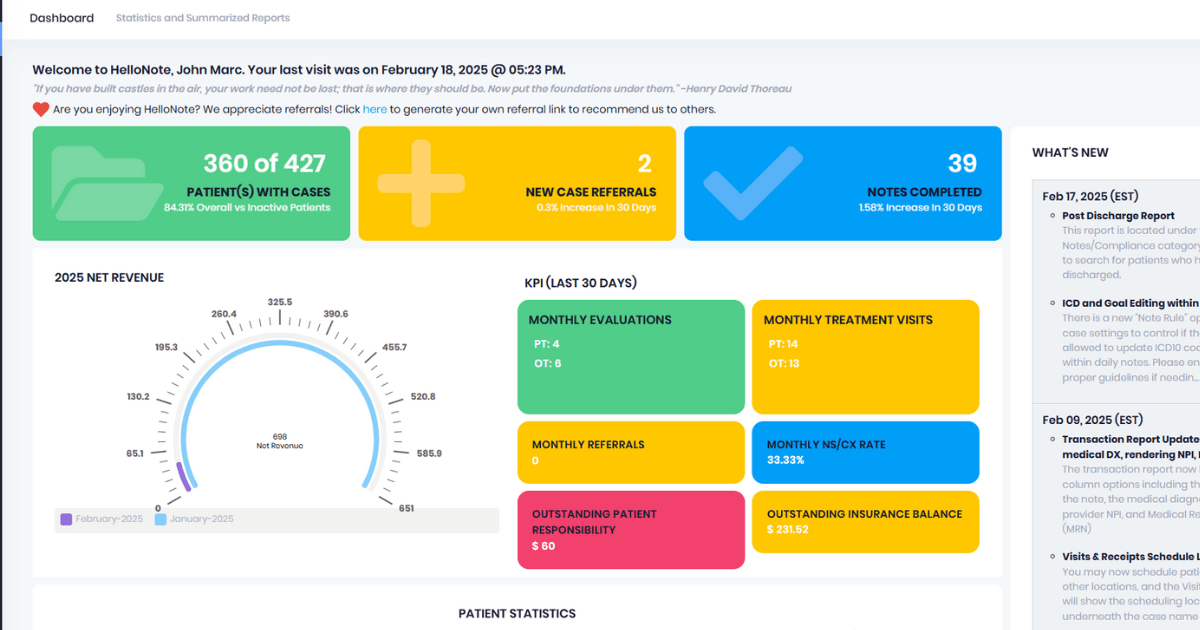
One of the standout features of HelloNote is its user-friendly dashboard, which allows therapy professionals to access key information quickly and efficiently. A client recently shared their experience:

“I love the dashboard feature because it summarizes everything I need to know. There’s probably even more that I haven’t explored, but the basics are right there. For example, I can easily track when we need to recertify patients, especially since we see many patients with neurologic conditions for longer durations. The dashboard helps me stay on top of when plans of care need updates and whether the doctor has signed off. It also shows me if we’ve received necessary documents, making everything very streamlined and easy to manage. The system is easy to navigate, and the team has been amazing with support. Since switching to HelloNote, the billing process has been a lot easier. It’s been light years easier for me, and I now handle billing for our whole team. It’s fast, efficient, and truly made my life easier!” DR. Chloe Diordano PT, DPT Founder and Owner of Neuro Nation Physical Therapy and Wellness.

This testimonial highlights how HelloNote’s intuitive dashboard and billing features can simplify daily operations for therapy practices, particularly those managing long-term care or dealing with complex documentation needs. The ease of use and quick navigation save valuable time, allowing therapists to focus on patient care instead of administrative tasks.

HelloNote dashboard showing key performance indicators (KPI) for therapy clinics, including patient statistics, new case referrals, net revenue, treatment visits, and outstanding balances for therapy clinic management.

Integration and Streamlining

At HelloNote, we know that therapists don’t have time to juggle multiple systems for scheduling, documentation, and billing. That’s why we built an all-in-one EMR that seamlessly integrates these essential functions into a single, streamlined platform. By eliminating the need for third-party add-ons, we help reduce inefficiencies, minimize errors, and keep your workflow as smooth as possible. Our goal is to provide a solution that lets you focus on patient care, not software workarounds.

Billing Transparency & Pricing Comparison

How HelloNote Simplifies Billing for Therapists

We know that billing shouldn’t be a guessing game. As therapists ourselves, we’ve seen how complicated and frustrating insurance claims and payments can be, especially for small to mid-sized practices. That’s why we built a billing system that prioritizes transparency, affordability, and ease of use.

HelloNote’s pricing structure is designed to keep things straightforward, without hidden fees or surprise charges. We don’t believe in adding extraneous features that would increase your monthly bill without providing meaningful value to your practice. Our focus is on providing you with the tools and functions that directly support your day-to-day operations. By avoiding unnecessary complexities, we ensure that you only pay for the features that truly benefit your practice.

With one-click claims generation, seamless insurance processing, and a pricing model that fits the needs of therapy clinics, we make it easy to manage your finances efficiently. No more paying for features you don’t need, just the solutions that work for you.

“ 100%. I would say again, I don’t know how those scaling works. However, if it works for one person, it’s going to work for everybody. Right? It’s simple. I’ve used every single, uh, documentation system known to man working in hospitals with Epic, working in practices with everything from, uh, prompt to, you know, WebPT, but again.

Everything has different features, but hello note is by far the most simple and easy to use and direct. And that’s what I want as a practitioner. And again, from a price point, you guys were the only people that would let me come on as a sole practitioner. So I’m super grateful for that. And again, regardless, like the cost is honestly very, very, very affordable.

And it essentially, I mean, if, again, it makes me money essentially, because I’m able to, yeah. Have more clients, build more with confidence, get those things. You guys have great support. So yeah, I’m super grateful. That’s why I chose to, you know, kind of do the interview. I was like, you know what, they’ve been really good to me.

And even at, I was at PPS and I saw you guys at a booth and then I talked to, I can’t remember her name, but she was a really sweet lady from New York. And I was like, Oh yeah, you guys are great. I love you guys so much. And I, you know, and I said, Hey, you know, I paid a year in full. Can you guys give me like, you guys want, she was like, yeah, I’ll take care of you.

Don’t worry. And she like emailed me, you know, the next week. So just having that like relationship of just trusting the real people it’s, it’s fantastic. So I appreciate your all’s work. And like I said, that’s part of the reason why I wanted to come on here today. Cause I’m a huge advocate for hello note and I grateful for the kind of opportunity it’s given me, because like I said, I’m very happy and I don’t need to change a thing right now.

So, and even if I expanded, I would know I’d be able to do that confidently with you guys.”

Daniel C Brown, DPT, COMT, OCS owner of DCB Physical Therapy.

Telehealth & Patient Engagement

How HelloNote Elevates Telehealth and Patient Engagement

Virtual therapy isn’t just a convenience but a necessity. Whether you’re working with remote patients, managing home health visits, or offering hybrid care, having a seamless, HIPAA-compliant telehealth solution is essential. That’s why we’ve built integrated telehealth directly into our platform, along with a secure patient portal that enhances engagement and accessibility.

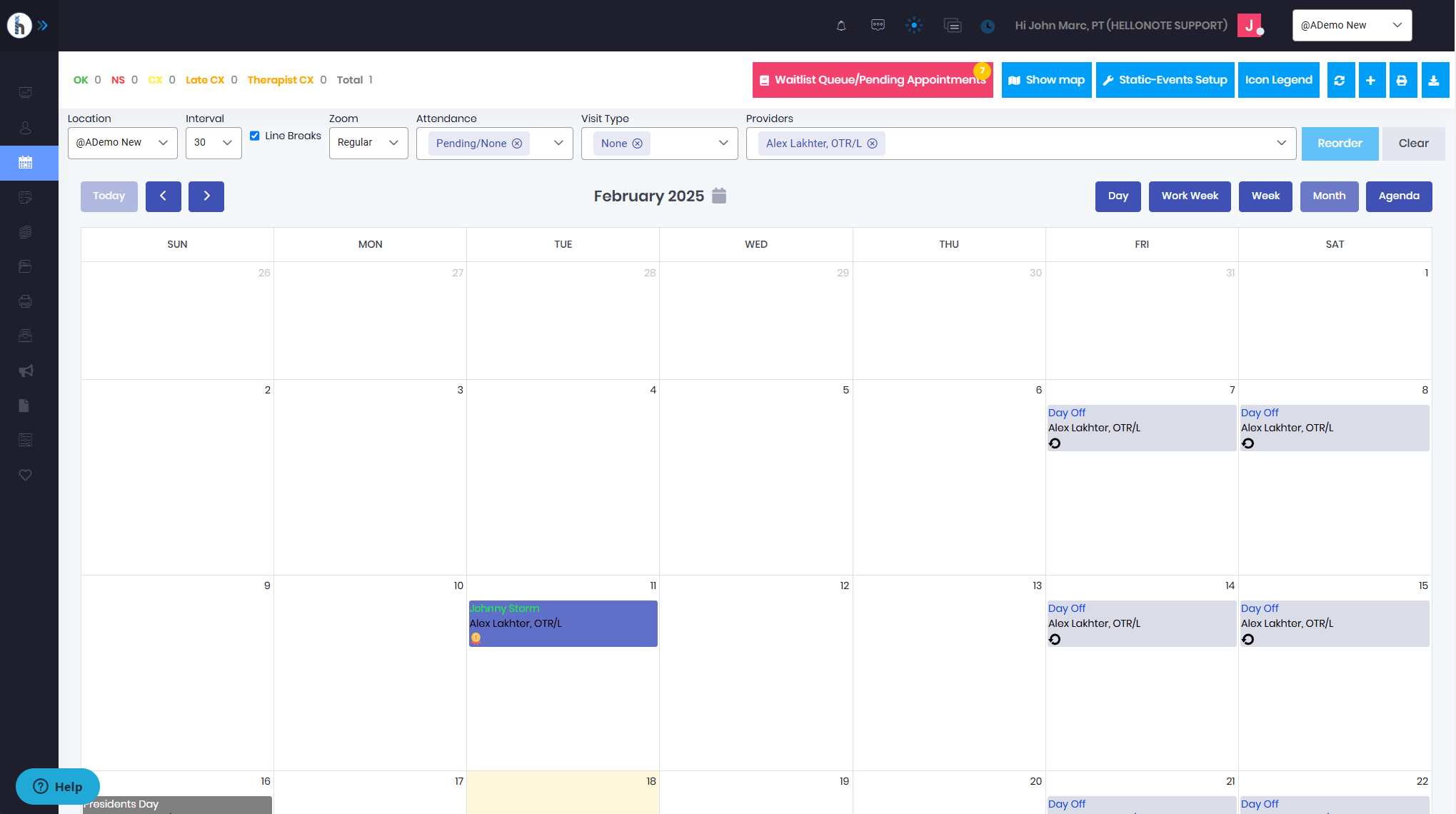
Scheduling & Documentation: Reducing Admin Burden

How HelloNote Simplifies Scheduling and Documentation for Therapists

At HelloNote, we know that efficient scheduling and documentation are essential for a smooth workflow. As therapists ourselves, we’ve seen how frustrating it can be when scheduling tools don’t align with real-world therapy needs or when documentation feels like a time-consuming chore instead of a helpful tool.

HelloNote therapy clinic calendar view for February 2025, showing appointments, day off schedules for providers, and pending appointments with detailed filters

Customer Support & Community Feedback

HelloNote: Responsive Support & Continuous Updates

We know that having a reliable support team isn’t just a nice-to-have but essential. Therapists don’t have time to wait on hold for hours or deal with unanswered support tickets when they need immediate assistance. That’s why we’ve built a responsive, knowledgeable support team that is readily available to help whenever you need it.

Another client shared their experience with HelloNote’s support and commitment to improvement:

“You guys have been pivotal to us. I’ve really enjoyed the communication and collaboration on building reports that we need and changing things within the EMR. For example, the new map feature where we can see where our clinicians are seeing patients is going to be a game-changer for us. You’ve been incredibly open to feedback, and we can’t thank you enough!” Dr. Derek Smith – PT, DPT, GCS of Roaming Rehab

This feedback illustrates HelloNote’s commitment to continuous improvement and the platform’s flexibility to adapt to the unique needs of each therapy practice.

HelloNote's built-in support and knowledgebase for therapy clinics, highlighting Evaluation Notes assistance and providing access to helpful resources for practitioners.

Addressing Security and Compliance

HIPAA Compliance and Data Security in HelloNote

We understand how critical patient data security is, and we take it seriously. HelloNote is fully HIPAA-compliant, ensuring that your practice and your patients’ sensitive information are protected with the highest security standards.

7 Common Mistakes to Avoid When Choosing an EMR for Your Therapy Practice

  1. Choosing a Generic EMR Instead of One Tailored for Therapy
    Many EMR systems are designed for general healthcare practices and don’t offer the specialized features that therapy clinics require. Always choose an EMR that is built specifically for physical, occupational, and speech therapy practices. Look for features like customizable documentation templates, therapy-specific progress tracking, and the ability to manage long-term treatment plans.
  2. Neglecting Integration Capabilities
    An EMR that doesn’t integrate smoothly with your other software systems can create inefficiencies and lead to errors. Ensure the EMR you choose integrates with scheduling, billing, and patient management systems to streamline operations and improve productivity.
  3. Overlooking Data Security and HIPAA Compliance
    Patient data security is essential. Choose an EMR that guarantees compliance with HIPAA standards, provides encrypted storage, and offers secure data exchange protocols to protect patient confidentiality and ensure compliance with privacy regulations.
  4. Forgetting About Training and Ongoing Support
    No matter how powerful the EMR, it will be ineffective without proper training and reliable customer support. Ensure the system you choose offers comprehensive training materials and accessible, responsive support teams to help you and your staff effectively use the software.
  5. Opting for an Overly Complex System
    Some EMR systems are overly complex, making them difficult to learn and use. Avoid systems that are packed with features your clinic doesn’t need. Select an EMR that strikes the right balance between ease of use and necessary functionality.
  6. Ignoring the Total Cost of Ownership
    The initial cost of the EMR is just one part of the equation. Consider the total cost of ownership, which includes recurring fees for updates, support, and training. Choose a system with clear and transparent pricing to avoid unexpected costs in the future.
  7. Underestimating the Need for Streamlined Billing, Documentation, and Scheduling
    Many therapists struggle with managing patient documentation, scheduling, and billing in separate systems that don’t communicate with each other. This leads to inefficiencies, errors, and extra administrative work. HelloNote offers an integrated solution that combines billing, documentation, and scheduling into one easy-to-use platform, saving time and reducing the likelihood of errors, so you can focus on patient care instead of administrative burdens.

By avoiding these common mistakes, you’ll be better equipped to select an EMR system that fits your clinic’s unique needs, helping you streamline operations, reduce administrative burdens, and ensure long-term success.

Final Verdict: Choosing the Right EMR for Your Therapy Practice

The decision between HelloNote and other platforms hinges on your unique needs and priorities. It isn’t just about features but also about finding a system that fits your workflow without unnecessary complexity or extra costs. With HelloNote, you’ll get a platform that was built by therapists, for therapists, and one that keeps your practice running smoothly while saving you time, money, and energy.

Make the switch to HelloNote today and experience the difference it can make for your therapy practice.

The Shocking Medicare Changes for Therapists…

Stay informed about the latest healthcare coverage updates for 2025. This article explores the changes in deductibles, premiums, and coinsurance for Part B and their impact on therapy services. Learn how therapists can help patients navigate these updates, manage out-of-pocket costs, and maintain access to care. With rising healthcare expenses, this guide offers actionable strategies for 2025 to ensure smooth patient management and continued therapy services.

Man stressed over Medicare updates, highlighting concerns about Medicare Part A and Part B deductibles and premiums for 2025.

As Medicare continues to evolve, understanding the 2025 updates to Part A and Part B is crucial for therapists and their patients. The changes in deductibles, premiums, and coinsurance can significantly impact clinic operations, patient access to care, and the cost of therapy services. In this article, we’ll examine these updates and provide therapists with actionable strategies to help their patients navigate these changes effectively. 

Part A Updates for 2025

Medicare Part A covers a range of inpatient care services, including hospital stays, skilled nursing facility (SNF) care, hospice care, and home health services. The deductible for Part A services has increased to $1,676 for 2025, up from previous years. This deductible is the amount that patients must pay out-of-pocket before health insurance will begin covering the costs of hospital stays and other inpatient services. 

    • Inpatient Hospital Stays: For inpatient care, Part A covers the first 60 days of hospitalization without coinsurance. However, for stays between 61 and 90 days, patients will be responsible for a coinsurance of $419 per day. Beyond 90 days, the daily coinsurance increases to $838 per day. Patients should be prepared for these higher out-of-pocket costs if their hospital stay extends beyond 60 days. 

These increases in deductibles and coinsurance mean that patients will need to budget for higher out-of-pocket costs, particularly for extended hospital stays and skilled nursing care. 

Part B Updates for 2025

Medicare Part B covers outpatient care, including physician services, outpatient therapy services, home health services, and durable medical equipment. The deductible for Part B has increased to $257 for 2025, up from $240. Once the deductible is met, health insurance covers 80% of approved services, leaving the patient responsible for the remaining 20%. 

In addition to the deductible increase, the monthly premium for Part B has risen to $185, a significant jump from $174.70 in the previous year. This increase in premiums can result in higher monthly healthcare expenses for beneficiaries, which may lead some patients to reconsider or delay seeking care. 

Income-Related Adjustments (IRMAA) 

For higher-income beneficiaries, the monthly Part B premiums are adjusted based on income. This means that individuals with higher earnings will pay more for their Medicare coverage. These adjustments vary depending on the beneficiary’s income level and can be as much as $500 or more per month for high-income individuals. 

For therapists, these changes could have implications for patient access to therapy services. Patients with limited financial resources may be more reluctant to start or continue therapy due to these increased premiums and out-of-pocket costs. 

Impact on Therapy Practices in 2025

The updated Part A and Part B deductibles, coinsurance, and premiums are likely to affect therapy practices in several ways: 

    • Increased Patient Costs: With the higher deductibles and coinsurance, many patients may face higher out-of-pocket costs, especially those requiring long-term therapy or outpatient services. As a result, therapists may notice a decline in patient visits or an increase in cancellations due to financial barriers. 
    • Delayed or Reduced Access to Care: Patients who cannot afford to pay the higher premiums or out-of-pocket costs may delay or reduce the frequency of their therapy sessions. This could lead to poorer health outcomes, especially for patients with chronic conditions who require ongoing therapy services. 
    • Challenges for Therapists in Collecting Payments: Therapists may face challenges in collecting payments from patients who struggle to meet the higher out-of-pocket costs. This could impact cash flow for clinics, requiring therapists to have clear communication with patients about payment plans, insurance, and other financial options. 

How Therapists Can Adapt to Medicare Changes

Given the financial impact of these updates, therapists need to adapt their practice strategies to help patients manage these changes effectively: 

Educate Patients on Medicare Costs 

It is essential for therapists to educate patients on how Medicare deductibles, coinsurance, and premiums will affect their care. Therapists should: 

    • Discuss costs upfront during the initial evaluation or consultation. 
    • Explain the financial burden patients might face and how they can mitigate it through Medicare Supplement policies or other insurance options. 

Offer Flexible Payment Plans 

For patients struggling with the increased costs, offering flexible payment plans or discounts for upfront payments can help reduce the financial burden. Therapists should work with patients to create manageable payment options that allow them to continue therapy without interruption. 

Emphasize Preventive Care 

Encourage patients to take advantage of Medicare-covered preventive services that come at no additional cost. Preventive care such as wellness visits, screenings, and early interventions can help reduce the need for more expensive treatments later, ultimately saving both patients and the healthcare system money. 

Promote Medicare Supplement (Medigap) Policies 

Patients who are eligible for Part A and Part B should consider purchasing a Medicare Supplement (Medigap) policy to help cover additional out-of-pocket expenses. Medigap plans can reduce the financial burden on patients by covering the coinsurance, deductibles, and other costs not covered by Original Medicare. 

Plan for Increased Financial Transparency 

With rising out-of-pocket costs, it’s more important than ever for therapists to be transparent about costs and billing. This can include: 

    • Providing clear and detailed estimates of therapy costs upfront. 
    • Keeping patients informed about their Medicare benefits, including any out-of-pocket expenses they may incur during their treatment. 

Conclusion

The 2025 Medicare changes present new challenges for both patients and therapists, particularly with higher deductibles, increased premiums, and rising out-of-pocket costs. However, by staying informed and proactive, therapists can ensure that their patients are equipped to navigate these changes. Educating patients, offering flexible payment options, and promoting preventive care and Medicare Supplement plans will be key strategies in helping patients maintain access to therapy services despite the rising costs. 

By understanding the financial challenges brought on by the 2025 Medicare updates, therapists can continue to provide high-quality care while ensuring that patients are not financially burdened by the changes. 


Dr. Chloe Giordano: Transforming Neurologic Rehabilitation with NeuroNation PT 

Discover how Dr. Chloe Giordano is revolutionizing neurologic rehabilitation with her innovative approach at NeuroNation PT. By combining high-intensity therapy, home-based care, and cutting-edge technology, Dr. Giordano is transforming patient outcomes for those with neurological conditions like stroke, brain injuries, and spinal cord injuries

Dr. Chloe Giordano, PT, DPT, leading neurologic rehabilitation and physical therapy.

When Dr. Chloe Giordano, PT, DPT, founded NeuroNation Physical Therapy and Wellness, she wasn’t just opening a clinic instead she was redefining the way neurologic rehabilitation is delivered.  

Rather than following the traditional outpatient model, she envisioned a hybrid approach that brings high-intensity, research-backed therapy directly to patients’ homes, ensuring that individuals with stroke, brain injuries, and spinal cord conditions receive the personalized, progressive, and functional care they truly need. 

With a background in intensive inpatient rehab and home health, Dr. Giordano identified a crucial gap in the system: many neurologic patients were undertrained and underdosed, limiting their recovery potential. Her goal was clear which is bring the rigor of sports rehab and high-intensity training into neurologic therapy while making treatment more accessible through mobile services and wellness programs. 

Since launching NeuroNation PT in 2022, Dr. Giordano has successfully grown her practice, expanded her team, and implemented strategies that blend clinical expertise, community engagement, and technology to optimize patient outcomes. Through her journey, she has leveraged HelloNote’s EMR system to streamline operations, improve financial efficiency, and scale her services while maintaining the highest quality of care. 

This is the story of how she built a thriving therapy practice, overcame challenges, and created a patient-centered model that is changing lives. 

Building a Patient-Centered Therapy Practice

Dr. Giordano’s passion for neurologic rehabilitation stems from her hands-on experience working with neurologic clinical specialists and treating complex cases in stroke-certified rehabilitation hospitals. Her specialized expertise allows her to design highly individualized therapy plans that address the unique needs of patients recovering from: 

    • Stroke & Traumatic Brain Injuries – Helping patients regain motor function, balance, and coordination. 
    • Spinal Cord Injuries – Developing targeted rehabilitation plans to improve mobility and independence. 
    • Neurodegenerative Conditions – Supporting individuals with Parkinson’s disease, multiple sclerosis, and other progressive disorders through strength, balance, and movement training.  
    • Pain Management & Functional Mobility – Enhancing quality of life by reducing pain and optimizing movement patterns. 

Her approach is rooted in neuroplasticity principles, ensuring high-intensity, repetition-based therapy to maximize recovery. Unlike traditional therapy that focuses on basic exercises, she believes in pushing patients like athletes recovering from ACL injuries, emphasizing functional movement, walking, and strength training. 

NeuroNation PT: More Than Just a Clinic

What sets NeuroNation PT apart is its comprehensive approach to therapy. Rather than operating as a traditional outpatient clinic, Dr. Giordano has developed a hybrid model that integrates in-home therapy, private fitness programs, group education, and wellness services. This model allows her team to: 

    • Meet patients where they are – Offering in-home therapy for those with mobility challenges. 
    • Provide ongoing wellness support – Encouraging long-term progress through private fitness programs and online exercise programs. 
    • Educate caregivers and patients – Hosting group education sessions to teach essential strategies for managing neurologic conditions at home.  
    • Offer long-term wellness programs – Transitioning patients from therapy to wellness for continued progress and prevention of decline. 

Overcoming Growth Challenges with HelloNote

As NeuroNation PT expanded, Dr. Giordano recognized the need for an efficient, user-friendly EMR system to support the clinic’s growth, financial health, and operational workflow. That’s when she turned to HelloNote, a platform designed to simplify documentation, billing, and practice management for therapy professionals. 

Key Milestones Since Implementing HelloNote 

With HelloNote’s support, NeuroNation PT has experienced significant growth and success: 

    • Expanding the Team – Hired one full-time therapist and two PRN therapists to meet increasing patient demand.  
    • Financial Growth – Achieved a 48% increase in gross profit and a 57% increase in net income from 2023 to 2024.  
    • Billing Optimization – Successfully transitioned to in-house billing, eliminating the need for a third-party billing company and gaining greater financial control.  
    • Diversifying Revenue Streams – Launched two private-pay online exercise programs, expanding accessibility for patients beyond the clinic setting 
    • Building an Online Presence – Started a YouTube channel to educate, inspire, and engage with a broader audience. 

How HelloNote Supports NeuroNation PT’s Success

HelloNote has played a pivotal role in streamlining operations and allowing Dr. Giordano to focus on patient care rather than administrative tasks. With HelloNote, NeuroNation PT has been able to: 

    • Improve documentation efficiency – Faster, more accurate note-taking ensures compliance and saves time.  
    • Gain financial control – Switching to in-house billing with HelloNote’s integrated billing system improved cash flow and reduced errors.  
    • Scale the practice while maintaining high-quality care – As the team grows, HelloNote ensures consistency in treatment documentation, scheduling, and reporting.  
    • Explore new business opportunities – Online programs and digital content creation have expanded NeuroNation PT’s impact beyond its physical location. 

Why HelloNote Was the Right Choice

Reflecting on her decision to integrate HelloNote into her practice, Dr. Giordano noted how the platform has simplified operations, especially regarding billing and compliance.  

“HelloNote really had the systems in place so I could see everything really quickly and easily to navigate, and for me, it seemed to be a lot easier to bill through HelloNote.”” 

By eliminating inefficiencies and offering real-time access to patient information, HelloNote allows her and her team to spend more time treating patients and less time on administrative burdens. 

Looking Ahead: The Future of NeuroNation PT

With a strong foundation, a dedicated team, and a commitment to patient-centered care, Dr. Giordano is looking forward to even greater expansion in the coming years. 

    • Expanding services to reach more patients in underserved areas.  
    • Developing specialized wellness programs for patients with chronic neurological conditions.  
    • Growing the digital side of NeuroNation PT through virtual education and online exercise programs. 

Her vision remains the same: to provide innovative and effective neurologic rehabilitation that empowers patients to take control of their health and live fuller, more independent lives. 

How HelloNote’s Planned Features Support NeuroNation PT

Dr. Chloe Giordano’s NeuroNation PT specializes in neurologic rehabilitation and mobile therapy, requiring seamless communication, efficient documentation, and streamlined operations. HelloNote’s planned features can enhance patient care and optimize practice workflows: 

Customizable Notes & Sharing – Enables detailed neurologic rehab documentation and easy sharing with referring providers for better care coordination. 

ROM/MMT/Pain/Edema Chart – Helps track patient progress with visual data, improving treatment planning and insurance justification. 

Referring Provider POC Portal – Speeds up e-signing of Plans of Care, preventing delays in treatment due to pending physician approvals. 

AI Billing & Documentation – Automates compliance checks, reducing denials and ensuring Medicare coverage for extended therapy needs. 

Mobile App (Coming Soon) – Supports on-the-go documentation, perfect for in-home therapy sessions. 

Automated Phone Call Reminders – Reduces missed visits by notifying patients and caregivers of upcoming appointments. 

Customizable Dashboard Reports – Provides real-time insights on patient trends, referrals, and financial performance, supporting growth. 

As NeuroNation PT expands, HelloNote’s technology-driven solutions ensure efficiency, compliance, and better patient outcomes while allowing Dr. Giordano’s team to focus on high-quality care. 

Final Thoughts

Dr. Chloe Giordano’s journey with NeuroNation Physical Therapy and Wellness is a testament to the power of specialized care, smart business strategies, and the right technology. Her clinic has grown, evolved, and thrived, and HelloNote has been a key partner in making that success possible. 

As she continues to expand her reach and transform patient care, NeuroNation PT stands as an example of how a dedicated therapist, a patient-first mindset, and the right practice management tools can create a lasting impact in the field of neurologic rehabilitation. 

For therapists looking to optimize their practice operations, streamline billing, and improve efficiency, Dr. Giordano’s success with HelloNote serves as a powerful case study. 

Interested in how HelloNote can streamline your therapy practice? Let’s talk! 

You've found a hidden discount!

  • 00Hours
  • 00Minutes
  • 00Seconds