




















You've found a hidden discount!

HN Unlock Layer 1
HN Unlock Layer 2
HN Unlock Layer 3
HN Unlock Layer 4
HN Unlock Layer 5
  • 00Hours
  • 00Minutes
  • 00Seconds

Category: article

Cash-Based vs. Insurance-Based Healthcare: How HelloNote Can Help

Cash-based therapy practices offer personalized care, financial flexibility, and independence from insurance constraints. This approach prioritizes patient outcomes, streamlines operations, and allows clinics to provide high-quality, unrestricted services. Ideal for therapists and clinic owners, the article delves into the benefits and challenges of cash-based, insurance-based, and hybrid models, helping identify the best fit for sustainable and patient-focused care.

Therapist working on a computer, evaluating payment options between insurance and cash-based methods for a patient.

Clinic owners and therapists often navigate the choice between cash-based and insurance-based healthcare models. This decision shapes not only the operational framework of a practice but also its approach to patient care and financial sustainability. 

Each model has distinct advantages and challenges, and selecting the right one requires thoughtful consideration of factors like location, patient demographics, and financial goals. For many, a hybrid approach combining aspects of both models provides the optimal balance. 

Cash-Based Healthcare: Independence and Flexibility

A cash-based practice operates outside the constraints of insurance, with patients paying the full cost of treatment upfront. This model provides flexibility for therapists to set their own fees and offer services tailored to individual needs. 

Benefits of Cash-Based Care 

    • Personalized Attention 

Cash-based practices allow therapists to spend more time with each patient without the pressure of adhering to insurance-imposed time limits. This approach fosters better relationships with patients and enables customized treatments, such as detailed gait training programs, advanced manual therapy techniques, or personalized speech therapy interventions. 

    • Freedom in Service Offerings 

Therapists have the autonomy to include innovative or non-traditional services that may not be reimbursable through insurance. Examples include wellness programs, preventive care, or specialized functional mobility assessments. 

Challenges of Cash-Based Care 

Patient Financial Responsibility 

Many patients may hesitate to pay out-of-pocket, especially for long-term care. Therapists in affluent areas like Manhattan or Scottsdale often find success with this model, but practices in less affluent regions may struggle. It’s critical to communicate the value of personalized attention and better outcomes to overcome this barrier. 

    • Billing and Payment Management 

Cash-based clinics must handle all payment processing internally. This includes generating invoices, tracking payments, and managing outstanding balances, which can add to the administrative burden. 

    • Geographical and Demographic Considerations 

The success of cash-based models heavily depends on the location and socioeconomic demographics. Practices in affluent regions are more likely to thrive, while those in less wealthy areas may need to adjust their approach or supplement with insurance options. 

Insurance-Based Healthcare: Accessibility and Volume

Insurance-based practices rely on billing insurance companies for services rendered. This model often appeals to patients with insurance coverage, as their out-of-pocket costs are typically limited to co-pays or deductibles.

Benefits of Insurance-Based Care 

    • Wider Accessibility 

Insurance-based practices attract a broader patient base, as more people are willing to seek therapy when it is partially or fully covered by insurance. 

    • Steady Patient Flow 

Being part of insurance networks ensures a consistent stream of referrals and new patients, helping clinics maintain occupancy and financial stability. 

Challenges of Insurance-Based Care 

    • Complex Billing and Reimbursement 

Navigating insurance requirements can be time-consuming and prone to errors. Issues such as denied claims or delayed reimbursements can disrupt cash flow. 

    • Insurance Reimbursement Cuts 

Recent trends, such as Medicare’s 15% reduced reimbursement for services provided by therapy assistants, have further strained clinics. Balancing these cuts with operational costs remains a challenge for insurance-based practices. 

    • Restricted Services 

Insurance companies often limit coverage to specific services, potentially restricting the range of therapies a practice can offer. For instance, time-intensive treatments for post-stroke rehabilitation or pediatric developmental delays may not be fully covered. 

Hybrid Model: The Best of Both Worlds

A hybrid model blends cash-based and insurance-based approaches, offering a strategic balance between accessibility and financial sustainability. For example, some clinics accept only Medicare while providing cash-based options for other patients. This model allows practices to cater to diverse patient needs without becoming overly dependent on insurance reimbursement. 

Insights into the Hybrid Model 

  • Flexibility in Services: Therapists can offer premium services like advanced wellness programs alongside insurance-covered treatments. 
  • Increased Revenue: By targeting cash-paying patients alongside insured clients, clinics can diversify their income streams. 
  • Optimal Balance: This model is particularly effective for clinics in areas with mixed demographics, where some patients prefer the convenience of insurance while others value the personalized care of cash-based options. 


Financial Considerations for Therapists 

Regardless of the model, financial planning is crucial for sustainability. 

  • Cost Structure: Therapists must calculate how much to charge per session to cover expenses without overworking themselves. Rates can vary widely, ranging from Medicare reimbursement levels to $400 per visit in affluent areas. 
  • Revenue Goals: Balancing session prices with patient volume ensures long-term success. 
  • Niche and Specialization: Targeting underserved markets or developing unique specializations can increase demand for cash-based services, reducing dependency on insurance reimbursements. 

How HelloNote Can Help

HelloNote’s EMR platform is designed to support cash-based, insurance-based, and hybrid practices by addressing their unique needs. 

Streamlined Billing and Payment Processing 

  • For Cash-Based Practices: Generate invoices and accept payments directly through the system, reducing administrative tasks and ensuring prompt collections. 
  • For Insurance-Based Practices: Submit claims efficiently, track statuses, and minimize errors, reducing the burden of insurance reimbursement processes. 

Flexible Scheduling and Documentation 

HelloNote integrates scheduling with patient records, helping clinics manage time efficiently and ensuring accurate documentation of progress. This is vital for tracking patient outcomes, such as gait improvement, enhanced speech clarity, or better shoulder mobility. 

Enhanced Patient Communication 

  • For Cash-Based Practices: Build trust and retain patients through secure communication tools that enable follow-ups and reminders. 
  • For Insurance-Based Practices: Manage expectations and improve satisfaction by providing updates and clear explanations of coverage and treatment plans. 

Comprehensive Reporting and Analytics 

HelloNote’s dashboards and reports offer insights into operational performance, helping clinics evaluate financial metrics and patient outcomes. These tools support decision-making, whether targeting a niche audience or expanding services. 

Compliance and Security 

HelloNote ensures compliance with HIPAA and other regulations, protecting patient data and fostering trust in your practice. 

Decision-Making Framework: Choosing the Right Model

When deciding between cash-based, insurance-based, or hybrid models, consider the following: 

  1. Local Demand: Evaluate the need for therapy services in your area. 
  2. Demographics: Assess whether your target population is likely to pay out-of-pocket. 
  3. Competition: Research existing practices to identify gaps in the market. 
  4. Financial Goals: Determine the revenue needed to sustain your practice and align this with your chosen model. 

Conclusion: Finding the Right Balance

Choosing the right healthcare model is a pivotal decision for therapists and clinic owners. While cash-based practices offer freedom and personalization, insurance-based models ensure accessibility and volume. For many, the hybrid approach provides the perfect balance, enabling clinics to cater to a wide range of patients while maintaining financial stability. 

HelloNote’s EMR platform empowers practices to succeed in any model by streamlining operations, enhancing patient care, and simplifying compliance. With the right tools and strategies, therapists can focus on what truly matters: delivering exceptional care that transforms lives. 

Whether you’re exploring cash-based, insurance-based, or hybrid options, HelloNote is here to support your journey. Start optimizing your practice today. 

Effective Strategies for Challenging Therapy Cases: How to Handle Complexity

Therapist developing strategies for challenging therapy cases.

Introduction:

Facing the Complexity – How to Handle Challenging Therapy Cases

As therapists, helping patients navigate difficulties is our core purpose. Yet, some situations push us beyond routine practice – these are the challenging therapy cases. Patients with profound cognitive issues, significant behavioral complexities, or severe physical limitations demand more than standard approaches. Successfully navigating these scenarios requires specific strategies for challenging therapy cases.

Feeling overwhelmed or unsure how to handle complex therapy cases effectively? It’s a common experience. The demands can lead to stress and potential burnout. But with the right approach, these challenges become opportunities for incredible growth and impact.

This guide provides actionable strategies for challenging therapy cases. We’ll explore proven techniques covering personalized understanding, adaptive communication, creative interventions, vital collaboration, essential therapist self-care, and leveraging technology. Equip yourself to handle complex therapy cases with greater confidence and effectiveness.

Section 1: Foundational Strategy – Deeply Understanding the Individual in Challenging Cases

The first step in handling complex therapy cases is looking beyond the diagnosis to truly understand the person.

The Challenge: Connecting meaningfully when a condition seems to overshadow the individual.

A patient facing significant challenges is still an individual with a unique history, passions, and remaining abilities. Learning their story (e.g., their past career, hobbies) is a crucial strategy for challenging therapy cases, as it builds rapport and reveals pathways for engagement.

The Challenge: Standard therapy plans proving inadequate for complex, unique needs.

Strategy: Develop Highly Personalized Care Plans.

Flexibility is paramount when handling complex therapy cases. What goal matters most to this patient right now? Their priority might differ significantly from textbook examples. Centering the therapy around their specific, meaningful objectives is a cornerstone strategy for motivation and success.

Section 2: In-Session Strategies for Handling Challenging Therapy Moments

Directly addressing difficulties during sessions requires adaptable techniques.

The Challenge: Communication barriers with patients having cognitive, verbal, or behavioral difficulties.

Strategy: Adapt Your Communication Toolkit:

Effectively handling complex therapy cases often means adjusting how you communicate.
• Simplify: Use clear, direct language. Avoid jargon.
• Go Visual/Nonverbal: Employ gestures, pictures, charts, and demonstrations. Show, don’t just tell.
• Practice Patience & Reinforce Positively: Maintain calm, offer frequent encouragement, and validate effort. This builds trust, a vital component when implementing strategies for challenging therapy cases.

The Challenge: Engaging patients or adapting exercises due to severe limitations or disruptive behaviors.

Strategy: Employ Creative Treatment Adaptations:

 Break Down Tasks: Simplify complex actions into smaller, achievable steps to build confidence.
• Modify Exercises Creatively: Think outside the box. Use isometrics, adaptive equipment, or modify activities for different positions (seated, lying down). This adaptability is key to handling complex therapy cases.
Boost Engagement: Make therapy relevant and interesting. Use gamification, incorporate patient interests, or leverage therapy apps to maintain focus, especially in challenging therapy cases involving attention deficits.

Section 3: Essential Strategy – Prioritizing Therapist Well-Being in Challenging Cases

You cannot effectively implement strategies for challenging therapy cases if you’re running on empty. Protecting your well-being is non-negotiable.

The Challenge: Emotional drain, stress, and burnout risk from the intensity of handling complex therapy cases.

Strategy: Integrate Proactive Self-Care & Boundary Setting:

 Schedule Recharge Time: Treat self-care (exercise, hobbies, mindfulness) as a mandatory part of your professional practice.
• Set Firm Boundaries: Develop routines to mentally disconnect from work. Acknowledge your efforts but protect your personal time.
• Seek Support Systems: Connect with peers or supervisors. Discussing challenging therapy cases (maintaining confidentiality) provides perspective, solutions, and emotional relief. This support network is a crucial strategy.

Section 4: Collaborative Strategies – Building a Support System for Complex Cases

Handling complex therapy cases rarely happens in isolation. Collaboration multiplies effectiveness.

The Challenge: Ensuring treatment continuity outside sessions or coordinating care among multiple providers.

Strategy: Actively Foster Collaboration:

Empower Caregivers: Educate family/caregivers on how to support therapy goals. Clear guidance is a vital strategy for challenging therapy cases involving home support.
• Manage Expectations Clearly: Communicate realistic goals and timelines with all stakeholders to build trust and patience.
• Build Interdisciplinary Bridges: Regularly communicate with physicians, other therapists, social workers, etc. A unified approach is essential when handling complex therapy cases with multiple facets.

Section 5: Tech Strategies – Tools to Help Handle Complex Therapy Case Loads

Technology can offer practical strategies for challenging therapy cases by improving efficiency and communication.

The Challenge: Administrative burdens (documentation, tracking) consuming valuable time needed for patient care in complex situations.

Strategy: Leverage Technology Thoughtfully:

• Utilize Assistive Technology: Recommend tools (communication aids, adaptive equipment) that empower patient independence.
Streamline with Digital Documentation (EMRs): Systems designed for therapists (like HelloNote and others) can be powerful strategies for challenging therapy cases. They help by:
• Improving Documentation Efficiency: Saving time on notes and compliance.
• Enhancing Goal Tracking: Making progress monitoring easier and more objective.
• Facilitating Team Communication: Allowing secure sharing of updates and plans.
• Employ Telehealth When Appropriate: Provide continuity of care, reach remote patients, or conduct caregiver training virtually.

Conclusion: Mastering Complexity with the Right Strategies

Handling complex therapy cases is inherently demanding, pushing therapists to be highly skilled, adaptable, and resilient. It requires a dedicated toolkit of strategies for challenging therapy cases, encompassing deep patient understanding, flexible communication and intervention, strong collaboration, committed self-care, and the smart use of technology.

By implementing these strategies, you can navigate even the most intricate patient situations more effectively and confidently. Answering the question of “how to handle complex therapy cases?” lies in this multifaceted approach. While challenging, applying these techniques transforms demanding situations into opportunities for profound professional growth and significant positive impact on your patients’ lives.

GeriHab Physical Therapy’s Ongoing Journey with HelloNote EMR

GeriHab Physical Therapy has grown from a single clinic to seven thriving locations across Tennessee, providing exceptional care for older adults. With the help of HelloNote EMR, GeriHab has streamlined its operations, managed multi-location challenges, and maintained high standards of service. Learn how GeriHab Physical Therapy continues to make a difference in patient care while embracing innovative solutions for growth and efficiency.

Michael Chua standing proudly in front of a GeriHab Physical Therapy clinic, representing dedication to patient care and innovative therapy services

In 2020, GeriHab Physical Therapy, led by Michael Chua, shared its journey of adopting HelloNote EMR to streamline operations and improve patient care. At that time, GeriHab was a single-location practice focused on in-home therapy for older adults. HelloNote provided the tools needed to simplify workflows and manage an increasing caseload effectively. 

Fast forward to today, GeriHab has grown to seven thriving locations across Tennessee, serving more patients than ever. This expansion has introduced both exciting opportunities and significant challenges. Here, we’ll explore how GeriHab continues to evolve, the hurdles faced during growth, and how HelloNote remains a valuable tool in supporting its operations. 

Progress Since 2020

GeriHab has achieved remarkable growth over the past few years, expanding its reach and enhancing its services to meet the needs of older adults in Tennessee. 

Expanding to Seven Locations 

Since 2020, GeriHab has grown from one clinic to seven locations, significantly increasing access to therapy services in underserved areas. 

Introducing New Services 

The practice has expanded beyond physical therapy to include programs tailored for older adults, such as balance training, chronic condition management, and recovery support after surgeries like joint replacements. 

Building a Stronger Team 

With the addition of more skilled therapists and administrative staff, GeriHab ensures every patient receives the care they need while maintaining its high standards of service. 

Michael reflects, “Growth is always a challenge, but it’s been incredibly rewarding to see the impact we’ve been able to make in so many communities.” 

Challenges of Expansion

While growth brings opportunity, it also introduces complexities that require strategic planning and efficient systems. 

Managing Multiple Clinics 

Operating seven clinics means coordinating schedules, staffing, and patient care across different locations. The logistics of ensuring seamless operations can be daunting. 

Maintaining Consistency Across Teams 

With a larger team, ensuring every therapist adheres to standardized practices is critical for providing consistent, high-quality care. 

Scaling Administrative Work 

The increase in patients and services has resulted in more administrative tasks, from scheduling and documentation to billing and compliance. 

How HelloNote Supports GeriHab

HelloNote EMR has played a significant role in helping GeriHab navigate the challenges of growth. Its features have provided the tools needed to stay organized, efficient, and patient-focused. 

Streamlining Multi-Location Operations 

HelloNote’s centralized platform allows GeriHab to coordinate operations across all locations. Therapists and administrators can access real-time patient information, making it easier to manage scheduling and documentation. 

Ensuring Consistent Documentation 

With built-in templates, HelloNote has helped GeriHab maintain consistency in patient records, reducing errors and ensuring compliance with Medicare and other regulations. 

Simplifying Billing 

The system’s billing tools have streamlined processes, allowing GeriHab to handle increased patient volume while maintaining accuracy in claims and reimbursement. 

Building Community Connections

For Michael and his team, GeriHab’s growth is about more than just opening new clinics—it’s about becoming a trusted partner in the communities they serve. 

Tailored Programs for Older Adults 

GeriHab has developed services to meet the unique needs of older adults, including: 

  • Balance and fall prevention programs. 
  • Chronic condition management for arthritis, neuropathy, and more. 
  • Rehabilitation support after surgery. 

Engaging Patients in Their Care 

By involving patients in their care plans and using tools to track progress, GeriHab fosters trust and collaboration. Showing measurable improvements keeps patients motivated and engaged. 

Looking Ahead

GeriHab’s success has positioned it for continued growth, and Michael is focused on expanding services, supporting his team, and exploring new technologies. 

Expanding Accessibility 

Michael aims to introduce telehealth options to provide therapy for patients unable to visit clinics, further extending GeriHab’s reach. 

Investing in the Team 

With a growing staff, Michael emphasizes the importance of training and mentorship to maintain the practice’s high standards. 

Innovating with Technology 

Michael is exploring additional ways technology can enhance patient care and streamline operations, building on the success of HelloNote’s tools. 

Final Reflections

Reflecting on GeriHab’s growth, Michael shares, “The journey hasn’t always been easy, but it’s been worth it to see the positive changes we’ve made in so many lives.” 

While challenges remain, GeriHab continues to thrive by staying committed to its mission of improving care for older adults. HelloNote’s role in simplifying operations has supported the practice’s ability to grow while maintaining its focus on quality care. 

Conclusion

GeriHab’s evolution from a single clinic to seven thriving locations demonstrates the power of dedication, innovation, and the right tools. With HelloNote EMR supporting its operations, the practice is well-positioned for future success. 

If you’re ready to see how HelloNote can support your practice’s growth, click here to learn more. 

New Caregiver Training Codes 2025: Essential Tips for Therapists and Billing Success

Comprehensive 2025 guide on caregiver training codes (G0541, G0542, G0543) featuring Medicare compliance tips, practical teaching strategies, and simplified billing processes for effective caregiver support and accurate documentation.

Two caregivers supporting each other during a training session, symbolizing teamwork and skill development aligned with caregiver training codes

Caregiver training plays a crucial role in patient care, equipping caregivers with the necessary skills to assist their loved ones. Healthcare professionals and therapists are responsible for ensuring caregivers are adequately trained while maintaining proper documentation and accurate billing. The new caregiver training codes introduced in 2025 provide an additional layer of clarity and structure, ensuring that services are reimbursed appropriately. Understanding these codes is essential for seamless service delivery and timely reimbursements. 

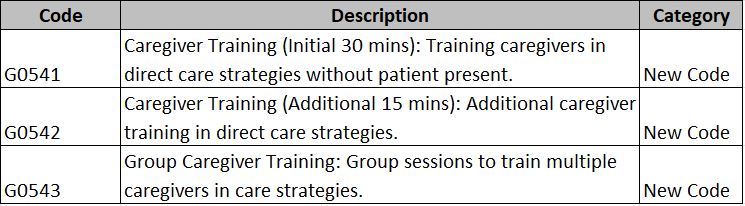
NEW Caregiver Training Code Table

New additional 2025 caregiver training codes

Understanding the New Caregiver Training Codes

Understanding the New Caregiver Training Codes 

The HCPCS codes (G0541, G0542, G0543) introduced in 2025 focus on caregiver training and direct care strategies. Unlike CPT codes (97550, 97551, 97552), these new codes aim to better document services under Medicare guidelines without replacing existing codes. Instead, they serve as additional tools for structuring caregiver education sessions. 

G0541: The first 30 minutes of caregiver training, focusing on essential skills like infection control, wound care, and ensuring patient safety at home. 

G0542: Covers each additional 15-minute increment for longer sessions that require extended training on complex caregiving techniques. 

G0543: Designed for group sessions, allowing multiple caregivers to participate in training together, fostering shared learning and support. 

The Importance of Caregiver Training

Quality caregiver training leads to better patient outcomes. Caregivers who receive proper instruction are better prepared to handle day-to-day patient care, preventing unnecessary hospitalizations and reducing the risk of injury. Training sessions may cover a range of essential skills, including: 

    • Safe transfer and mobility techniques 
    • Managing challenging behaviors in patients with cognitive impairments 
    • Wound care and infection prevention 
    • Medication management 
    • Creating a safe home environment 

Providing caregivers with this knowledge helps them feel more confident and reduces stress associated with caregiving. 

Medicare Guidelines for Caregiver Training

To qualify for Medicare reimbursement, caregiver training must meet specific standards. These include: 

    • The caregiver training session must be separate from the patient and conducted without the patient present. 
    • Training must be directly related to the patient’s care plan and documented accordingly. 
    • The service must be medically necessary, with clear justifications for its inclusion in the patient’s care regimen. 

Example: If a caregiver is learning how to safely lift and transfer a patient with mobility issues, documentation should include why this training is crucial for reducing falls and preventing injuries. 

Best Practices for Teaching Caregivers

Since caregivers come from diverse backgrounds with varying levels of experience, training should be structured in a way that is engaging and practical. 

    • Hands-On Demonstrations: Show caregivers step-by-step how to perform essential tasks rather than just explaining them. 
    • Interactive Learning: Incorporate videos, role-playing scenarios, and Q&A sessions to enhance retention. 
    • Personalized Instruction: Adapt training sessions based on the specific needs of the patient and caregiver. 
    • Reinforcement Strategies: Offer follow-up sessions to assess progress and address any gaps in understanding. 
    • Encourage Peer Learning: In group training sessions (G0543), caregivers can share experiences and strategies with each other, making the learning process more collaborative. 

Billing for Caregiver Training Services

Proper billing ensures healthcare providers are compensated for the training they deliver. To bill accurately

Select the Appropriate Code: 

    1. Use G0541 for the first 30-minute session. 
    2. Apply G0542 for each additional 15 minutes. 
    3. Choose G0543 for group training sessions. 

Example: If a caregiver receives 45 minutes of one-on-one training, the claim should include G0541 for the first 30 minutes and G0542 for the additional 15 minutes. 

Ensure Detailed Documentation: 

    1. Specify the skills taught and their relevance to the patient’s care plan. 
    2. Outline the caregiver’s progress and competency in performing the skills. 
    3. Justify why the training was medically necessary. 

Example: If a caregiver is trained on preventing pressure sores in a bedridden patient, documentation should include how this aligns with the patient’s risk factors and overall care objectives. 

Leverage Technology for Efficiency: 

    1. Use electronic medical record (EMR) platforms like HelloNote to streamline billing and documentation. 
    2. Utilize pre-filled templates to ensure consistency and reduce errors. 
    3. Conduct real-time eligibility checks to prevent claim denials. 
  1.  

Example: If Medicare eligibility for caregiver training services is close to exceeding limits, an automated alert can notify the provider, allowing for proactive planning. 

Ensuring Long-Term Success for Caregivers

Training should not be a one-time event. Ongoing education, refresher courses, and access to resources can help caregivers maintain their skills and adapt to their patient’s changing needs. Healthcare providers can implement: 

  • Regular Check-Ins: Follow up with caregivers to offer guidance and reassurance. 
    • Online Learning Modules: Provide virtual resources caregivers can access at their convenience. 
    • Support Groups: Connect caregivers with others in similar situations for shared learning and emotional support. 
    • Advanced Training Sessions: Offer deeper insights into specialized care techniques, such as dementia care or assistive device usage. 

Conclusion

The introduction of G0541, G0542, and G0543 enhances the way caregiver training is documented and billed. By understanding how to use these codes effectively, healthcare providers can ensure caregivers receive proper education while maintaining compliance with Medicare guidelines. Proper training leads to better patient outcomes, reduced hospitalizations, and a more confident caregiving experience. 

Healthcare professionals should continue to explore ways to improve caregiver training through innovative teaching methods, digital tools like HelloNote EMR, and structured follow-up programs. HelloNote’s robust features simplify the documentation process for caregiver training, making it easier to track and bill for these services. By integrating HelloNote into daily practice, healthcare providers can create a seamless support system that empowers caregivers and ultimately benefits the patients they serve.

Effective Strategies for Dealing with Challenging Patients: A Guide for Therapists

Discover effective strategies for dealing with challenging patients in therapy. This guide provides insights on addressing cognitive impairments, behavioral challenges, and severe physical limitations. Learn how to foster communication, adapt therapy techniques, and leverage tools like HelloNote EMR to improve patient care. Ideal for therapists seeking practical tips to manage complex patient cases and prevent burnout.

Three therapists celebrating success after discovering breakthrough strategies for managing challenging patients.

As therapists, we often work with patients whose needs go beyond the ordinary. Patients with cognitive impairments, behavioral challenges, or severe physical limitations require us to bring not only our clinical expertise but also creativity, patience, and adaptability. These challenging cases push us to think beyond traditional therapy, making us better practitioners and teaching us invaluable lessons in empathy and perseverance.

Having spent years working with such patients, I’ve faced many hurdles but also learned strategies that allow me to provide effective care. Here, I’ll share insights and approaches for addressing the unique challenges these populations present, focusing on understanding patient needs, fostering effective communication, adapting therapy techniques, preventing burnout, leveraging tools and technology, and how HelloNote EMR can simplify the process.

Understanding Patient Needs

Every patient brings a unique set of challenges, but those with cognitive impairments, behavioral issues, or severe physical limitations require a deeper level of understanding and a tailored approach.

Cognitive Impairments in Challenging Patients

Patients with conditions such as dementia, brain injuries, or developmental disorders often struggle with memory, comprehension, and decision-making. Success often comes from meeting patients where they are. For instance, with a patient diagnosed with dementia, I focus on breaking tasks into smaller, manageable steps while reinforcing positive behaviors. Using a patient’s past interests or habits to create meaningful therapy activities can make sessions more engaging and productive.

Behavioral Challenges and How to Approach Difficult Patients

Behavioral issues, whether due to conditions like autism, anxiety disorders, or trauma, demand sensitivity and flexibility. Building rapport is often the first and most crucial step. For instance, incorporating a child’s favorite activity, like drawing cars, into therapy exercises can break resistance and foster collaboration.

Overcoming Barriers for Patients with Severe Physical Limitations

Patients with significant physical disabilities, such as those recovering from strokes or dealing with progressive conditions like ALS, may face barriers that require creative solutions. Therapy becomes a balancing act between working toward achievable goals and maintaining a patient’s motivation. Understanding their priorities, such as regaining the ability to perform daily self-care tasks, can help guide the therapy process toward meaningful outcomes.

Effective Communication with Challenging Patients

Good communication is the foundation of any therapeutic relationship, but it takes on even greater importance with challenging populations.

  • Simplify Language for Difficult Patients

Using straightforward, jargon-free language is essential, especially with patients who have cognitive impairments. For example, instead of saying, “Let’s work on your fine motor coordination,” I might say, “Let’s practice picking up these coins.”

  • Leverage Visual Aids for Better Understanding

Visual aids, like pictures or demonstration videos, can bridge gaps in understanding. Step-by-step instructions have been instrumental in helping patients with brain injuries complete home exercise programs.

  • Build Trust with Challenging Patients

Trust takes time, particularly with patients who may be fearful or overwhelmed. Starting with small successes and involving caregivers can help create a supportive environment that encourages progress.

Therapeutic Adaptations for Difficult or Challenging Patients

One of the most rewarding aspects of working with challenging populations is finding creative ways to help patients achieve their goals.

  • Customize Activities for Challenging Cases

Tailor activities to a patient’s interests and abilities to make therapy more engaging.

  • Incorporate Playfulness in Therapy for Difficult Patients

Using playful approaches, like turning therapy into a game, can help patients stay motivated while working toward their goals.

  • Use Gradual Progressions with Challenging Patients

Setting small, achievable goals builds confidence and momentum. Celebrating milestones  keeps patients motivated, even when progress is slow.

Preventing Burnout While Managing Challenging Patient Cases

Working with complex cases can be emotionally and physically draining. Maintaining your well-being is essential—not just for you, but for your patients as well.

  • Practice Self-Care to Manage Difficult Patients

Setting aside time for exercise, hobbies, or family activities helps maintain resilience.

  • Establish Professional Boundaries When Dealing with Challenging Cases

Empathy is vital, but so is recognizing your limits. Focusing on what you can achieve within  your role prevents emotional exhaustion.

  • Seek Peer Support for Difficult Patient Cases

Connecting with other therapists for advice or sharing experiences can help lighten the emotional load and provide fresh perspectives.

Tools & Technology to Overcome Challenges in Therapy for Difficult Patients

Advancements in technology have transformed how we deliver care to patients with complex needs. From assistive devices to digital documentation systems, these tools streamline care and improve outcomes.

Telehealth: A Game-Changer for Challenging Patient Cases

Telehealth has been a game-changer for patients who are homebound or live in remote areas. Virtual sessions allow us to guide therapy remotely, ensuring continuity of care even when in-person visits aren’t possible.

Assistive Devices for Challenging Patient Populations

Adaptive tools, such as communication devices for nonverbal patients or specialized exercise equipment, empower patients to participate in therapy. For instance, an eye-gaze communication device can help nonverbal patients engage with their families.

Tracking Progress for Difficult Patients

Using apps and digital tools to track progress helps stay organized and communicate measurable outcomes to patients and caregivers. Seeing tangible evidence of improvement reinforces motivation for everyone involved.

How HelloNote EMR Streamlines Treatment for Challenging and Difficult Patients

Managing complex cases requires not only clinical expertise but also efficient systems to streamline administrative tasks and documentation. This is where HelloNote EMR comes in.

  • Streamlined Documentation for Challenging Cases

HelloNote simplifies the process of creating progress notes, re-certifications, and treatment plans. Its user-friendly interface allows therapists to document sessions quickly and accurately, ensuring compliance with insurance requirements.

  • Goal Tracking and Reporting for Difficult Patient Cases

With built-in tools for tracking patient goals and progress, HelloNote helps therapists stay organized and identify trends over time. For example, you can easily monitor improvements in a patient’s mobility or functional independence and generate reports to share with caregivers or payers.

  • Caregiver Collaboration for Challenging Patients

HelloNote makes it easy to involve caregivers in the therapeutic process by providing access to treatment plans, exercises, and updates. This transparency fosters collaboration and ensures that therapy continues beyond the clinic.

  • Integration with Technology for Complex Cases

From telehealth integration to adaptive device documentation, HelloNote helps therapists incorporate modern tools into their practice seamlessly.

By leveraging HelloNote, therapists can spend less time on administrative tasks and more time focusing on patient care, making the process smoother for both therapists and patients.

Reflection on Working with Challenging Patients

Managing challenging patients is not only demanding but also incredibly rewarding. These cases push us to think creatively, adapt constantly, and bring our full selves to every session. While the challenges can feel overwhelming at times, they also remind us of the profound impact we can have on our patients’ lives.

With the right strategies, tools like HelloNote, and a focus on well-being, therapists can navigate even the most complex cases successfully. By understanding your patients’ needs, communicating effectively, adapting techniques, and collaborating with families, you can achieve meaningful outcomes that improve both your patients’ lives and your own.

The journey isn’t always easy, but it’s one worth taking—because the rewards of making a difference are immeasurable.

Building Strong Referral Networks: A Guide for Physical Therapists

Building strong referral networks is crucial for therapists to grow their practice and establish lasting relationships with healthcare providers. By focusing on clear communication, trust, and consistent follow-ups, therapists can boost patient referrals and strengthen their reputation within the community.”

Effective strategies for building a strong referral network for therapists to attract new patients and grow their practices.

Establishing a reliable referral network is a cornerstone of building and sustaining a successful practice. Whether you’re just starting out or have been in the field for years, referrals from physicians, other healthcare providers, and even past patients play a significant role in maintaining a steady flow of new clients. 

However, creating and maintaining these networks is not without its challenges. Many therapists struggle with issues such as limited access to referring providers, lack of visibility, or difficulty standing out in a crowded market. This article dives into the common pain points therapists face when it comes to referrals and offers actionable strategies to help you build a referral network that works for your practice. 

Why Referral Networks Matter in Physical Therapy

Referral networks are the backbone of many physical therapy practices. They not only drive patient volume but also serve as an endorsement of your expertise and the quality of care you provide. A strong referral network

    • Ensures a consistent pipeline of new patients. 
    • Strengthens your reputation within the local healthcare community. 
    • Encourages collaboration with other providers for better patient outcomes. 

In some states with direct access laws, patients can seek physical therapy without a physician’s referral. However, even with these laws in place, many patients still prefer to consult their doctors first, making physician referrals essential. 

Common Challenges Therapists Face in Building Referral Networks

While referrals are invaluable, many physical therapists encounter significant hurdles in establishing strong networks. 

1. Limited Relationships with Referring Providers 

One of the most common issues is the lack of existing connections with physicians or other healthcare providers. Many physical therapists find it difficult to initiate contact or establish trust with potential referrers, especially in competitive markets. 

2. Lack of Visibility 

Even if your practice provides exceptional care, it can be difficult to gain visibility among referring providers and potential patients. Without effective marketing or outreach, many therapists struggle to stand out. 

3. Ineffective Communication 

Healthcare providers are often pressed for time, making it challenging to convey the value of your services during brief interactions. Failing to communicate how your expertise benefits their patients can lead to missed referral opportunities. 

4. Unclear Referral Processes 

Sometimes, the referral process itself is a barrier. If it’s not straightforward or convenient for providers to refer patients to your practice, they may look elsewhere. 

5. Reliance on a Single Referral Source 

Some practices depend heavily on one or two sources for patient referrals. This lack of diversification can be risky, particularly if those providers retire, change specialties, or switch to a competitor. 

Strategies for Building a Strong Referral Network

1. Identify Key Referral Sources 

Start by identifying the healthcare providers in your community who are most likely to refer patients. This may include: 

  • Primary care physicians 
  • Orthopedic surgeons 
  • Chiropractors 
  • Podiatrists 
  • Sports medicine specialists 

Don’t overlook non-physician sources like fitness trainers, massage therapists, or even attorneys specializing in personal injury cases. 

2. Build Personal Relationships 

Developing genuine relationships is the foundation of any successful referral network. Instead of sending generic flyers or emails, consider these approaches: 

  • Schedule Face-to-Face Meetings: Meet physicians or their staff in person to introduce yourself, explain your services, and discuss how you can help their patients. 
  • Host Networking Events: Organize events or workshops to bring together local healthcare providers. Use these opportunities to showcase your expertise. 
  • Show Appreciation: A handwritten thank-you note or a small token of appreciation for referrals can go a long way in building goodwill. 

3. Showcase Your Expertise 

Physicians and other providers need to trust that their patients are in good hands. Highlight your skills and success stories to build that trust: 

  • Share case studies or patient testimonials (with proper consent). 
  • Offer to present at local medical group meetings or lunch-and-learns. 
  • Create educational content, like blogs or videos, to share with referring providers. 

4. Streamline the Referral Process 

Make it as easy as possible for providers to refer patients to your practice. Consider: 

  • Providing clear referral forms or links. 
  • Ensuring that your contact information is readily available and accessible. 
  • Using technology to simplify communication, such as a secure portal for sharing patient updates. 

HelloNote EMR, for instance, allows you to streamline referrals by making documentation, communication, and patient tracking easier for both you and the referring provider. 

5. Stay Connected and Communicate Effectively 

Ongoing communication is key to maintaining strong relationships with referral sources. Keep providers updated on their patients’ progress through detailed reports or periodic check-ins. Providers are more likely to refer patients again when they see positive outcomes and feel included in the care process. 

Expanding Beyond Healthcare Providers

While healthcare professionals are the most traditional referral sources, consider diversifying your network to include non-medical sources: 

    • Patient Referrals: Satisfied patients are often your best advocates. Encourage them to share their experiences with friends and family or leave online reviews. Consider offering referral incentives if appropriate. 
    • Community Connections: Partner with local gyms, schools, senior centers, or community organizations to promote your services. For example, offering workshops or free screenings can raise awareness about your practice. 
    • Social Media and Online Presence: A strong online presence can attract referrals from unexpected sources. Regularly update your website, share success stories on social media, and optimize your online listings to increase visibility. 

Avoiding Common Pitfalls in Referral Building

1. Focusing Only on Quantity Over Quality 

It’s tempting to try to build a massive network, but quality matters more than quantity. Focus on building relationships with providers who align with your practice’s values and patient care philosophy. 

2. Neglecting Follow-Up 

It’s not enough to establish contact with a referral source—you need to maintain the relationship. Regular follow-ups, even if brief, can make a big difference in keeping your practice top of mind. 

3. Ignoring Feedback 

If a referring provider stops sending patients, don’t hesitate to ask for feedback. Understanding their concerns or unmet needs can help you improve your services and regain their trust. 

How HelloNote EMR Can Support Referral Building

HelloNote EMR offers several features that can help you build and maintain strong referral networks: 

    • Efficient Communication: Share progress reports and updates with referring providers securely and seamlessly. 
    • Customizable Templates: Create professional referral forms and letters to simplify the process for providers. 
    • Patient Tracking: Easily monitor patient progress and generate reports that demonstrate your effectiveness to referral sources. 
    • Streamlined Documentation: Ensure timely and accurate documentation, making it easier to maintain trust and compliance. 

By leveraging technology, you can focus more on building relationships and less on administrative burdens. 

Final Thoughts

Establishing a reliable referral network is essential for the growth and success of any physical therapy practice. While challenges like limited visibility and complex processes can make this task daunting, a strategic approach can yield significant rewards. 

By focusing on building genuine relationships, streamlining the referral process, and consistently delivering excellent patient outcomes, you can create a network that supports your practice’s growth and solidifies your reputation within the healthcare community. 

With the help of HelloNote EMR, you can enhance communication, simplify documentation, and build a referral system that benefits both your practice and your patients. Take the first step toward growing your referral network today and watch your practice thrive. 

How to overcome insurance and reimbursement challenges in therapy

Overcome insurance and reimbursement challenges in therapy by streamlining documentation, reducing claim denials, and improving billing efficiency. Discover proven strategies and tools like HelloNote EMR to simplify workflows and ensure financial stability while focusing on quality patient care.

A therapist analyzing documents to overcome insurance and reimbursement challenges in a therapy practice.

Managing insurance and reimbursement is one of the most time-consuming and frustrating aspects of running a therapy practice. Learning how to overcome insurance and reimbursement challenges is crucial for maintaining financial stability and patient care. With shifting policies, reimbursement thresholds, and stringent documentation requirements, practices often find themselves navigating administrative complexities that disrupt cash flow and affect patient care delivery. Whether you are managing a physical therapy, occupational therapy, speech therapy, or all three discipline practice, overcoming these challenges is essential to maintaining a successful business and ensuring that patients receive uninterrupted, high-quality care. 

This article explores the most common insurance and reimbursement challenges therapy practices face and actionable solutions to address them effectively. Additionally, we’ll highlight how tools like HelloNote EMR can help alleviate these pain points, allowing your team to focus on providing exceptional care to your patients. 

Understanding Key Insurance and Reimbursement Challenges

This article explores the most common insurance and reimbursement challenges therapy practices face, how to overcome insurance and reimbursement challenges, and actionable solutions to address them effectively.

1. Low Reimbursement Rates 

One of the most significant challenges therapy practices face is dealing with low reimbursement rates. Insurance provi ders, including Medicare and Medicaid, often set reimbursement thresholds that do not reflect the true cost of delivering therapy services. These rates are typically calculated based on historical data and fail to account for rising operational costs such as staff salaries, rent, and technology upgrades. 

Smaller practices often feel the effects of low reimbursement more acutely, as they lack the patient volume or additional revenue streams needed to absorb these financial pressures. Practices serving a large population of Medicare or Medicaid beneficiaries must find ways to balance quality care with financial sustainability—a task that is easier said than done. 

2. Delayed Payments 

Delayed reimbursements are a common issue across healthcare. Insurance claims can take weeks or even months to process, particularly if there are errors or discrepancies flagged during review. Common causes of delays include incomplete documentation, coding errors, and failure to secure proper authorizations ahead of time. 

For therapy practices that rely on a steady cash flow to meet operational costs, these delays can create significant financial strain. Even small disruptions in payment cycles can lead to mounting stress for both administrative staff and practice owners. 


3. Increased Prior Authorization Requirements 

Prior authorization is a growing challenge for therapy practices, especially with Medicare Advantage, Managed Medicaid Plans, and Commercial insurance plans. While prior authorizations aim to ensure services are medically necessary, they often lead to administrative bottlenecks. 

Many plans require detailed justifications before authorizing treatment, particularly for long-term care plans or high-cost services. The process often involves multiple communications with insurers, detailed documentation submissions, and time-consuming follow-ups to track approval status. This administrative burden can stretch resources thin, especially for smaller clinics without dedicated billing and authorization staff. 


4. Annual Thresholds and Visit Limitations 

Most insurance plans set annual thresholds or visit limitations for therapy services. For instance, Medicare imposes combined annual therapy thresholds for physical therapy and speech-language pathology, as well as separate thresholds for occupational therapy. When patients approach these thresholds, additional documentation may be required to justify continued care. 

Private insurance plans often impose visit limitations rather than financial thresholds, which can leave patients without adequate coverage if their therapy needs extend beyond the number of approved sessions. 

Claim denials related to exceeding thresholds or visit limits are common and often stem from incomplete documentation or errors in coding. Each denial adds to the administrative workload, as staff must spend additional time resubmitting claims or appealing decisions. 


5. Complex Documentation Standards 

Insurance companies often demand detailed documentation to support claims for reimbursement. Notes must clearly outline the medical necessity of the therapy, demonstrate measurable progress toward treatment goals, and show adherence to the treatment plan. Failing to meet these high standards can result in delayed or denied payments. 

This focus on detailed documentation diverts therapists and administrative staff from their primary roles, creating an additional burden that can lower morale and efficiency. 

Strategies to Overcome Insurance and Reimbursement Challenges

1. Build a Strong Understanding of Insurance Policies 

Knowledge is your best tool to overcome insurance and reimbursement challenges successfully. Maintain a comprehensive database of insurance policies, including payer-specific guidelines for prior authorizations, documentation standards, and thresholds. 

Keep this database updated and easily accessible to your team. For example, knowing that a particular payer requires specific modifiers for therapy assistant services allows your team to code correctly the first time, reducing delays or denials. 


2. Optimize Coding and Billing Practices 

Accurate coding is essential for ensuring timely reimbursement. Administrative staff and therapists should stay updated on ICD-10 and CPT codes, as well as any modifiers required for therapy assistant-provided services. 

Schedule regular training sessions to educate your team on billing changes and consider periodic audits to identify and correct errors. Accurate billing practices not only minimize claim denials but also build trust with payers, paving the way for smoother reimbursements. 


3. Streamline the Prior Authorization Process 

Managing prior authorizations effectively is key to avoiding treatment delays. Establish a clear workflow for handling authorizations, from initial submission to follow-ups and renewals. 

Using an EMR system like HelloNote can simplify this process. HelloNote provides automated alerts for pending authorizations, ensures timely submissions, and keeps a centralized record of all communications with payers. 


4. Educate Patients About Their Insurance Benefits 

Transparency with patients is critical to managing expectations. During the initial visit, provide patients with a clear explanation of their insurance coverage, including any thresholds, visit limitations, co-pays, or out-of-pocket costs they might incur. 

By proactively informing patients about these limitations, you can reduce frustration and improve patient satisfaction, even when additional approvals or documentation are needed. 


5. Leverage Technology to Simplify Documentation 

An EMR system like HelloNote can reduce the burden of documentation while improving accuracy. Features like customizable templates, integrated billing, and automated reminders ensure your team captures all the necessary details for successful claim submissions. 

For example, HelloNote can flag missing modifiers or incomplete documentation before claims are submitted, reducing the likelihood of denials. The system also enables therapists to track patient progress and outcomes more efficiently, strengthening the justification for continued care. 

How HelloNote EMR Can Help

HelloNote is tailored to the unique needs of therapy practices, providing solutions to overcome insurance and reimbursement challenges with ease.

    • Streamlined Documentation: Customizable templates ensure complete, payer-compliant notes that reduce the risk of denials. 
    • Integrated Billing and Coding: Automatically identifies errors in claims before submission, saving time and minimizing delays. 
    • Authorization Tracking: Tracks prior authorizations and provides reminders for renewals to avoid interruptions in care. 
    • Real-Time Benefit Monitoring: Helps therapists track patient usage and stay ahead of annual thresholds or visit limits. 
    • Comprehensive Reporting: Offers insights into claim trends and denial rates, empowering practices to improve revenue performance. 

Additional Tips for Navigating Insurance Challenges

    • Build Relationships with Payers: Establish direct communication with insurance representatives to resolve issues quickly and clarify policies. 
    • Advocate for Patients: Help patients appeal denied claims or request extensions when medically necessary. 

A Path Forward for Therapy Practices

Insurance and reimbursement challenges are inevitable, but they don’t have to overwhelm your team. By staying informed, streamlining workflows, and using tools like HelloNote EMR, your practice can navigate these challenges while maintaining high-quality patient care and financial stability. 

HelloNote equips you with the tools to simplify billing, enhance compliance, and improve documentation accuracy—so you can focus on what matters most: your patients. 

Take the First Step Toward Simplicity

Ready to simplify your insurance processes and maximize reimbursements? Schedule a demo with HelloNote today and discover how we can support your practice’s success. 

Team Collaboration for Cohesive Clinic Culture & Patient Outcomes

Understand how team collaboration boosts clinic culture and enhances patient outcomes by improving communication and teamwork among healthcare professionals.

Team collaboration effor of all therapists joining to improve patient care and clinic outcomes.

A successful clinic doesn’t just depend on the skill of its clinicians or the efficiency of its administrative staff—it thrives when both teams work in sync, focused on delivering excellent patient care. Yet, bringing clinical and administrative teams together under a shared mission can be challenging. Clinicians are deeply involved in patient treatment and outcomes, while administrative staff manage the scheduling, billing, and operational details that keep the clinic running smoothly. With each team juggling its own responsibilities, misunderstandings and competing priorities can arise, potentially affecting both workflow and patient experience. 

Building a culture that unites clinical and administrative goals around patient-centered care takes intention and effort. By fostering collaboration, aligning on values, and creating open channels for communication, clinic owners can create a cohesive environment where both teams support each other and, ultimately, improve outcomes for every patient who walks through the door. 

In here, we’ll explore the common challenges clinics face in uniting clinical and administrative teams, along with actionable strategies for building a shared vision that centers on patient care. 

1. Understanding Common Challenges: Recognizing Points of Misalignment

Before diving into strategies, it’s important to recognize where disconnection often happens between clinical and administrative teams. Each group has distinct objectives that can create tension without careful alignment. 

  • Different Priorities: Clinicians are focused on patient care, clinical outcomes, and treatment quality, while administrative staff often concentrate on scheduling efficiency, billing accuracy, and clinic productivity. Without understanding each other’s goals, each team may feel that its priorities are being overlooked, which can lead to frustration. 
  • Communication Barriers: Clinics can be busy and fast-paced, which can make regular communication difficult. Clinicians may not fully understand administrative workflows, while front-desk staff may not grasp the time and attention needed for certain treatments. Without ongoing communication, teams may feel isolated from one another. 
  • Lack of a Shared Vision: Without a unified purpose, staff may focus only on their own roles rather than working toward a common goal. When both teams understand how they contribute to the clinic’s mission, collaboration becomes more natural, and patient care improves. 

Recognizing these challenges helps clinic owners create a culture where both teams feel valued and aligned with shared goals. 

2. Defining a Clear Mission: Establishing a Foundation

The first step in creating a cohesive culture is establishing a patient-centered mission that resonates with both clinical and administrative staff. A clear mission connects everyone’s work to the clinic’s larger purpose. 

  • Craft a Meaningful Mission Statement: Your mission should emphasize quality care, compassion, and patient empowerment. For example, “Our mission is to help patients achieve their health goals through compassionate, team-based care.” The statement should be clear, easy to remember, and relevant to everyone in the clinic. 
  • Involve Teams in Defining Core Values: Bring both teams together to discuss and define clinic values, such as empathy, respect, teamwork, and continuous improvement. When values are developed collaboratively, they feel more personal and authentic, making them easier to uphold. 
  • Incorporate the Mission in Daily Operations: Display the mission and values throughout the clinic and reference them in team meetings, performance reviews, and interactions with patients. This reinforces the message that each team’s work is connected to a common purpose. 

3. Enhancing Communication

Good communication is essential for building alignment and keeping everyone in the loop. Strong communication channels allow clinical and administrative teams to understand each other’s roles and work better together. 

  • Hold Regular Team Meetings: Schedule weekly or biweekly meetings that include both clinical and administrative staff to discuss schedules, patient needs, and any operational issues. These meetings foster understanding and give each team a chance to express its concerns and insights. 
  • Collaborate on Problem Solving: For clinic-wide issues like long wait times or scheduling conflicts, bring both teams together to find solutions. Collaborative problem-solving helps improve workflows and promotes teamwork, as each team can see the value of the other’s perspective. 
  • Establish Clear Communication Channels: Define specific communication channels for daily interactions, such as shared email groups or instant messaging platforms. A centralized EMR system like HelloNote can also streamline communication by giving both teams access to documentation, scheduling, and patient information in one place. 

4. Fostering Mutual Respect and Understanding

For a clinic culture to thrive, both teams need to respect and appreciate each other’s contributions. Each role is essential and understanding that helps foster empathy and collaboration. 

  • Encourage Cross-Training: Cross-training enables both teams to understand each other’s roles. For instance, administrative staff can observe a therapy session to see how treatments unfold, and clinicians can learn about billing or scheduling workflows. This builds mutual understanding and helps teams see how they support each other. 
  • Celebrate Team Successes: Regularly acknowledge and celebrate the achievements of both clinical and administrative staff. Whether it’s a patient recovery milestone or a billing milestone, recognizing achievements fosters camaraderie and reinforces each team’s value to the clinic. 

5. Leveraging Technology to Bridge Teams

Technology can help bridge the gap between clinical and administrative workflows. When both teams have access to the right tools, they can focus more on patient care and less on manual tasks. 

  • Use an Integrated EMR System: A comprehensive EMR system like HelloNote allows both teams to access relevant patient information in one place. Clinicians can view treatment notes, and administrative staff can manage billing and scheduling. This centralized system minimizes miscommunication and provides both teams with the data they need. 
  • Automate Routine Tasks: Automating repetitive tasks such as appointment reminders and billing can free up time for both teams to focus on patient interactions and meaningful teamwork. 

6. Creating a Culture of Continuous Improvement

Building a cohesive culture is an ongoing effort that requires regular evaluation and adjustments. 

  • Host Feedback Sessions: Schedule quarterly feedback sessions where both teams can discuss what’s working well and areas for improvement. This creates a space for open communication and allows issues to be addressed before they escalate. 
  • Offer Professional Development: Provide opportunities for growth and learning that support the clinic’s mission and values. Training sessions or workshops for both teams reinforce skills and foster a collaborative culture. 

Final Thoughts 

Aligning clinical and administrative teams around a shared mission and purpose is essential for a clinic’s success. By establishing a clear mission, encouraging open communication, fostering mutual respect, and using the right tools, clinic owners can build a cohesive, patient-centered culture that supports exceptional care and operational efficiency. 

Ready to streamline operations and improve collaboration between your clinical and administrative teams? HelloNote’s EMR system is designed to support a unified, patient-centered approach, making it easy to manage documentation, scheduling, and billing in one place. Contact us to learn how HelloNote can enhance teamwork, optimize operations, and improve patient outcomes. 

Medicare-Compliant EMR: A Comprehensive Guide to Physical Therapy Compliance

In Medicare-compliant physical therapy, accurate documentation and adherence to criteria are essential for successful outcomes and appropriate remuneration.
Here’s a brief overview of essential themes for maintaining compliance and efficacy in your electronic medical records (EMR) system:

Medicare-compliant EMR system for physical therapy compliance and documentation.

1. Understanding Dx Codes and Their Importance

The Medicare billing procedure relies heavily on diagnostic codes (Dx codes). They offer a consistent approach for documenting patient diagnoses, which directly impacts claims processing and compensation. Accurate Dx coding ensures that the services given are appropriately justified and reimbursed, thus avoiding claim denials and delays. Misuse or inaccuracies in coding might result in compliance concerns and financial losses. As a result, knowing and using Dx codes appropriately is critical to preserving Medicare compliance.

2. Past Medical and Surgical History: Why It Matters?

Documenting a patient’s past medical and surgical history is critical for developing a comprehensive treatment plan. This information assists therapists in understanding underlying problems that may influence present therapy demands and prospective complications. Accurate and complete history documenting promotes better clinical decision-making and validates the need for therapeutic services. It also assures Medicare compliance by providing a precise overview of the patient’s health status, thereby justifying continued therapy under Medicare guidelines.

3. Medication Management in Physical Therapy

Medication management is an important element of physical therapy, especially when working with patients who are taking numerous medications. Drug documentation helps to analyze their impact on therapy, avoid interactions between medications, and ensure patient safety. Medicare-compliant EMR systems should have extensive sections for recording medication history and current prescriptions to ensure that treatment plans are consistent with the patient’s medication regimen and overall health goals, in line with Medicare regulations.

4. Addressing Functional Deficits and ADLs

Functional impairments and Activities of Daily Living (ADLs) are important aspects of therapeutic evaluations and planning. Documenting these factors assists in assessing the patient’s functioning skills and customizing therapy interventions accordingly. Medicare compliance necessitates precise records of how therapy tackles specific deficiencies and promotes ADL improvements, ensuring that therapy goals are relevant and attainable depending on the patient’s needs, all in line with Medicare’s requirements.

5. Tracking Functional Transfers and Objective Measurements

Effective recording of functional transfers and objective assessments is critical for determining patient progress and therapeutic success. Objective measurements provide quantitative information about a patient’s functional skills, which is critical for assessing progress and altering treatment strategies. Medicare-compliant EMR systems should make it easier to accurately record and monitor these indicators in order to justify therapy services and outcomes for Medicare billing.

6. Effective Goals Tracking and the 8-Minute Rule for Billing

Setting and tracking objectives for therapy are critical for assessing patient progress and ensuring effective treatment. The 8-minute rule, which applies to billing for time-based therapy services, requires exact verification of the time spent on therapy activities. Proper goal monitoring and adherence to this rule aid in accurate billing and compliance with Medicare requirements, ensuring that services are properly billed and reimbursements are received as expected. This is crucial for maintaining Medicare-compliant billing practices.

7. Navigating the Auto KX Modifier and Cap Tracking

The Auto KX modifier is used to indicate that therapeutic services have exceeded the Medicare cap but are medically essential. Accurate use of this modifier and effective cap tracking are essential for Medicare compliance and avoiding claim denials. To guarantee that all services are properly documented and billed, EMR systems should support the seamless application of the Auto KX modifier as well as good therapy cap tracking, which is essential for Medicare-compliant billing.

8. Plan of Care (POC) Tracking for Better Patient Outcome

The Plan of Care (POC) is an important document that details a patient’s therapeutic goals, interventions, and expected outcomes. Tracking the POC ensures that therapeutic services are in line with the patient’s needs and progress. Medicare compliance necessitates regular updates and comprehensive records of the POC to verify the therapy’s medical necessity and effectiveness, ultimately leading to better patient outcomes and satisfaction. This continuous documentation ensures that therapy stays aligned with Medicare’s requirements.

Conclusion

Adherence to Medicare regulations in physical therapy entails a full understanding of Dx codes, extensive documentation of medical history, cautious medication management, and accurate tracking of therapy goals and outcomes. By concentrating on these critical areas, you can ensure Medicare compliance, improve patient care, and simplify the billing process. The proper usage of your EMR system in these areas will help to maintain the integrity and efficiency of your physical therapy business, keeping it Medicare-compliant and financially secure.

TOP 5 Medicare Fee of 2025 Schedule Updates for Therapists.

Stay informed about the 2025 Medicare Fee Schedule changes! Learn how therapy professionals can adapt to new payment rates, codes, and care models.

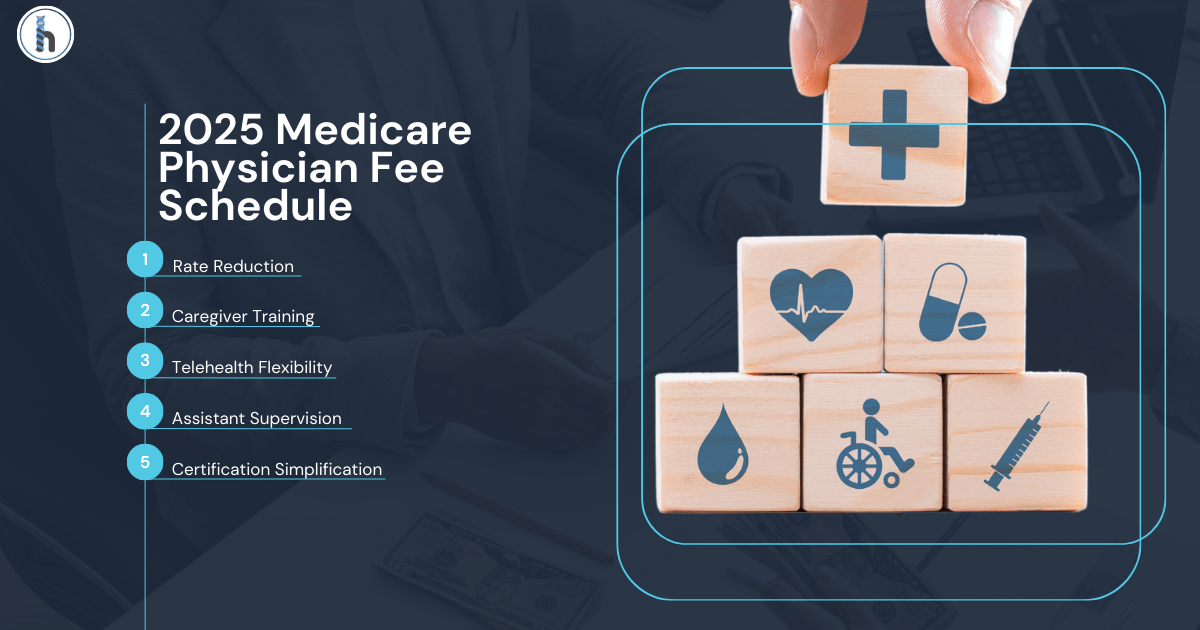
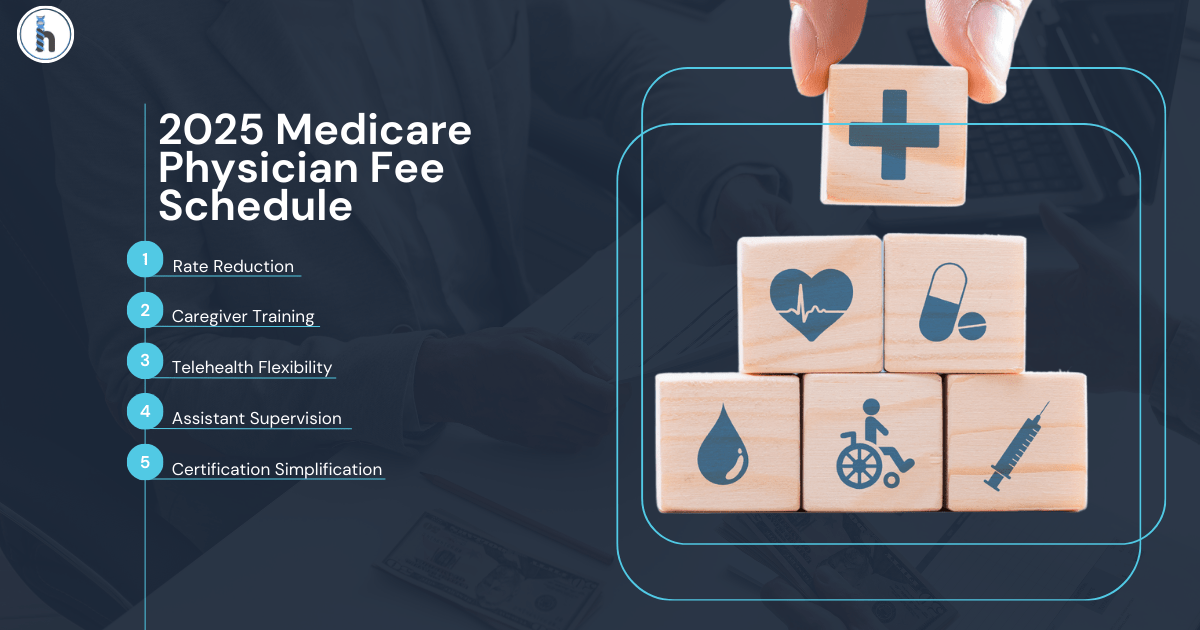
Key updates to the 2025 Medicare Physician Fee Schedule for therapy professionals.

The Medicare Physician Fee Schedule (MPFS) is a critical framework for determining reimbursement rates for services provided by healthcare professionals, including therapists. Managed by the Centers for Medicare & Medicaid Services (CMS), the MPFS undergoes yearly updates that often bring significant changes impacting how therapy practices operate. 

The 2025 updates to the MPFS aim to simplify administrative processes, improve patient care, and respond to ongoing challenges in healthcare delivery. However, these changes also come with financial adjustments that require therapy professionals to adapt their workflows, financial planning, and compliance strategies. 

This article highlights the top five updates for 2025, their implications for therapy practices, and practical tips to help professionals navigate this evolving landscape. 

1. Payment Rate Reduction and Conversion Factor Changes

For 2025, CMS has introduced a 2.93% reduction in payment rates compared to 2024. The new conversion factor is $32.35, down from $33.29. This decrease is largely due to the expiration of last year’s temporary rate increase, which had been implemented to support providers during a financially challenging period. 

Why It Matters: Reduced reimbursement means therapy practices will face tighter financial margins, especially for services heavily reliant on Medicare payments. Smaller practices may feel the impact more acutely, as they typically lack the resources to absorb such changes without adjustments to operations. 

What Therapists Should Do

  • Focus on Efficiency: Assess workflows to identify opportunities for reducing overhead costs and streamlining patient care. 
    • Improve Coding Accuracy: Ensure that services are coded correctly to avoid denied claims and maximize reimbursement. 
    • Review Service Models: Consider how group therapy sessions, telehealth, or task delegation to assistants can maintain patient care quality while controlling costs. 

Takeaway: Although the cut poses challenges, a proactive approach to managing resources and optimizing billing processes can help offset some of the financial impact. 

2. Simplified Certification Requirements for Therapy Plans of Care

CMS has eased the administrative burden associated with therapy plans of care. A separate physician or non-physician practitioner (NPP) signature is no longer required as long as an order is already on file. However, therapists must still send the treatment plan to the referring provider within 30 days of the initial evaluation to ensure compliance. 

Why It Matters: Previously, delays in obtaining signatures often slowed down the initiation of treatment, particularly in rural or busy healthcare environments where referring providers were less accessible. By eliminating this requirement, CMS allows therapists to focus more on patient care and less on chasing paperwork. 

What Therapists Should Do

    • Establish Efficient Communication: Develop systems to send treatment plans to referring providers promptly and track compliance within the 30-day window. 
    • Train Staff: Ensure administrative staff understand the new rules to avoid unnecessary delays or non-compliance. 
    • Monitor Documentation: While the signature requirement has been removed, proper documentation of the initial order remains crucial for audits and reimbursement. 

Takeaway: This change not only reduces administrative headaches but also speeds up access to care, benefiting both patients and therapy practices. 

3. General Supervision for Therapy Assistants

A significant change in 2025 is the shift from direct to general supervision for therapy assistants in private practice settings. Previously, physical therapist assistants (PTAs) and occupational therapy assistants (OTAs) required the supervising therapist to be physically present for oversight. Under the new rules, assistants can now perform delegated tasks with general supervision, meaning the therapist does not need to be on-site but must remain available as needed. 

Why It Matters: This regulatory update provides much-needed flexibility for private practices, especially in areas where hiring a full-time on-site therapist is impractical. It also makes therapy services more accessible in underserved communities where shortages of licensed therapists have been a longstanding issue. 

What Therapists Should Do

    • Review Delegation Protocols: Clearly outline the tasks assistants can perform under general supervision and ensure they are consistent with state laws and practice standards. 
    • Invest in Training: Make sure PTAs and OTAs are well-trained to operate independently within their scope of practice. 
    • Communicate With Patients: Educate patients about the role of therapy assistants to build trust and confidence in the care they receive. 

Takeaway: The shift to general supervision allows practices to scale their services while maintaining high standards of care, but it requires thoughtful planning and oversight. 

4. New Caregiver Training Codes

For the first time, CMS has introduced specific codes for caregiver training services. These codes cover areas such as wound care, infection prevention, and behavioral management. Notably, these services can also be provided via telehealth, expanding accessibility for caregivers who cannot attend in person. 

Why It Matters: Caregivers often play a critical role in patient outcomes, particularly for individuals with chronic or complex conditions. Until now, caregiver training has largely gone uncompensated despite being an integral part of therapy. The new codes not only recognize the value of this service but also allow therapists to bill for time spent on caregiver education. 

What Therapists Should Do

    • Incorporate Caregiver Training Into Care Plans: Identify cases where caregiver education can enhance outcomes and document these sessions thoroughly. 
    • Utilize Telehealth Options: Use telehealth for caregiver training when in-person sessions aren’t feasible, ensuring compliance with telehealth regulations. 
    • Educate Staff: Train staff on how to document and bill for caregiver training under the new codes to avoid missed reimbursement opportunities. 

Takeaway: These new codes incentivize therapists to formally integrate caregiver training into their services, benefiting patients while opening up a new revenue stream. 

5. Expanded Telehealth Flexibility

While some pandemic-era telehealth measures are set to expire, CMS has retained key flexibilities for 2025. These include adding new services like caregiver training to the Medicare Telehealth Services List and relaxing visit frequency limits for certain types of care. 

Why It Matters: Telehealth remains an essential tool for reaching patients in rural or underserved areas, as well as those with mobility or transportation challenges. Retaining these flexibilities helps therapists continue providing care without the logistical barriers often associated with in-person visits. 

What Therapists Should Do

    • Stay Updated on Eligible Services: Regularly review the updated Medicare Telehealth Services List to ensure compliance. 
    • Enhance Telehealth Documentation: Properly document telehealth visits to ensure reimbursement and minimize audit risks. 
    • Promote Telehealth to Patients: Highlight the convenience and accessibility of telehealth to encourage more patients to take advantage of this option. 

Takeaway: Telehealth remains a valuable mode of care delivery, and practices that embrace it can expand their reach and improve patient access. 

Practical Tips for Adapting to the 2025 MPFS

The 2025 updates present both challenges and opportunities. Here are actionable steps to help therapy practices navigate the changes: 

    • Focus on Financial Planning: With reduced reimbursement rates, practices should monitor expenses closely and look for ways to optimize operations without compromising patient care. 
    • Leverage New Billing Opportunities: Use the new caregiver training codes to capture reimbursement for services that were previously uncompensated. 
    • Adopt Flexible Supervision Models: Employing therapy assistants under general supervision can help practices expand services and manage caseloads effectively. 
    • Stay Compliant: Ensure documentation, coding, and communication protocols are updated to reflect the new rules, reducing the risk of denied claims or audits. 
    • Educate Teams and Patients: Keep staff informed about the changes and help patients understand how these updates will affect their care. 

Final Thoughts

The 2025 Medicare Physician Fee Schedule introduces important changes that will shape therapy practice operations, reimbursement, and service delivery. While the reduction in payment rates and new supervision rules require careful adjustment, the updates also bring opportunities for innovation, such as billing for caregiver training and expanding telehealth services. 

Therapy practices that embrace these changes proactively—by refining workflows, training teams, and adopting flexible care models—will be well-positioned to succeed in this evolving Medicare landscape. By staying informed and adaptable, therapists can continue providing high-quality care while ensuring financial and regulatory stability. 

“Stay ahead of the curve! Adapt to the 2025 Medicare Physician Fee Schedule updates by refining your workflows, training your team, and embracing new opportunities like caregiver training and telehealth. Ready to navigate these changes with ease? Discover how HelloNote EMR can streamline your practice and help you stay compliant and profitable. Get started today!

You've found a hidden discount!

  • 00Hours
  • 00Minutes
  • 00Seconds