You've found a hidden discount!

HN Unlock Layer 1
HN Unlock Layer 2
HN Unlock Layer 3
HN Unlock Layer 4
HN Unlock Layer 5
  • 00Hours
  • 00Minutes
  • 00Seconds

Category: documentation

Chiropractic and Massage Therapy for Rehabilitation: A Recovery Plan for Therapists

Table of Contents

For physical and occupational therapists, building an effective injury recovery plan often requires more than just traditional rehab techniques. Integrating chiropractic and massage therapy for rehabilitation can offer a more holistic path to healing. While chiropractic adjustments restore joint alignment and nerve function, massage therapy addresses soft tissue restrictions together supporting better outcomes.

This guide outlines actionable rehab strategies for physical therapists using this integrated model, and shows how HelloNote EMR can help document and track injury recovery progress seamlessly.

Physical therapist and chiropractor collaborating on an injury recovery plan with a patient during rehabilitation, showcasing integrated chiropractic and massage therapy for rehabilitation.

Why Combine Chiropractic and Massage Therapy for Rehabilitation?

Combining chiropractic and massage therapy for rehabilitation allows therapists to treat both structural and soft tissue dysfunctions. This dual approach improves mobility, reduces pain, and accelerates healing especially when tailored to common musculoskeletal injuries.

Chiropractic Benefits

    • Restores proper joint mechanics (e.g., spinal or shoulder adjustments)
    • Reduces nerve compression (e.g., sciatica, radiculopathy)
    • Improves proprioception and motor control (especially for chronic instability)

Massage Therapy Benefits

    • Relieves muscle tightness and adhesions (e.g., post-injury scar tissue)

    • Increases circulation and lymphatic drainage

    • Lowers muscle guarding and compensatory movement patterns

Clinic Owner Tip: This multidisciplinary model expands your service offerings and helps deliver better patient outcomes while improving documentation flow with HelloNote EMR.

Injury Recovery Plan for Therapists: A Multimodal Approach

Below are three common clinical cases showing how chiropractic, massage therapy, and PT/OT rehab work together.

Rotator Cuff Strains & Shoulder Impingement

Chiropractic Care

    • Thoracic spine mobilization for better scapular control
    • Glenohumeral joint adjustments to restore overhead reach

Massage Therapy

    • Myofascial release to pectoralis minor and infraspinatus
    • Cross-friction for scar tissue and tendon adherence

PT/OT Rehab

    • External rotation strengthening with bands
    • Scapular stabilization (wall slides, prone Y’s)

EMR Tip:

Use HelloNote to track shoulder ROM and pain levels pre/post session.

Ankle Sprains & Chronic Instability

Chiropractic Care

    • Talocrural adjustments

    • Fibular mobilization

Massage Therapy

    • Peroneal + calf release

    • Manual lymph drainage

PT/OT Rehab

    • Balance training
    • Eccentric calf strengthening

Progress Tracking:

Log improvements in hop distance and balance metrics in HelloNote.

Low Back Pain (Acute & Chronic)

Chiropractic Care

    • SI joint & lumbar adjustments
    • Pelvic alignment correction

Massage Therapy

PT/OT Rehab

    • Core activation (e.g., bird-dogs, dead bugs)
    • Hip mobility and hamstring flexibility routines

Outcome Tracking:

Document improvements in HelloNote EMR.

Structuring a Phased Rehab Plan

A clear timeline helps guide both clinical care and EMR documentation.

Phase 1: Acute (0–2 Weeks)

    • Chiropractic: Gentle mobilizations for pain relief
    • Massage: Light effleurage to reduce swelling
    • PT/OT: Protected range-of-motion exercises

Phase 2: Subacute (2–6 Weeks)

    • Chiropractic: More targeted adjustments
    • Massage: Deeper work for adhesions
    • PT/OT: Strengthening + neuromuscular re-education

Phase 3: Return to Function (6+ Weeks)

    • Chiropractic: Maintenance care
    • Massage: Sport/work-specific bodywork
    • PT/OT: Functional drills and return-to-play protocols

Documentation Tip

Use HelloNote EMR for documenting rehab milestones and tracking changes over time.

EMR for Documenting Rehab Progress

Using an EMR designed for therapists helps keep multi-provider care organized. HelloNote EMR allows you to:

    • Log chiropractic adjustments and soft tissue findings

    • Track patient-reported outcomes and functional tests

    • Share progress notes across care teams (e.g., ortho, trainers)

    • Automate SOAP notes tied to each discipline

Whether you’re a solo practitioner or a multidisciplinary clinic, HelloNote makes it easier to track injury recovery progress EMR-wide with no extra steps.

Final Takeaways for Therapy Clinics

    • Chiropractic and massage therapy for rehabilitation supports faster recovery by addressing joint and soft tissue dysfunction together.

    • Building an effective injury recovery plan for therapists means integrating hands-on techniques with active rehab strategies.

    • These rehab strategies for physical therapists improve outcomes and reduce re-injury risk.

    • Using an EMR for documenting rehab like HelloNote simplifies communication and data tracking.

    • To fully track injury recovery progress EMR-based, therapists need smart, integrated tools that match how they work.

Want to see how HelloNote can support your integrated care model?
Book a free demo today and discover how to streamline your clinic’s documentation, billing, and outcomes.

Frequently Asked Questions (FAQ)

Q1: Why combine chiropractic and massage therapy for rehabilitation?

Chiropractic improves joint alignment while massage reduces soft tissue tension, providing more complete recovery than either technique alone.

Q2: What rehab strategies can physical therapists use with chiropractic and massage?

Joint mobilization, soft tissue release, strengthening, balance training—all enhanced when paired with adjustments and massage therapy.

Q3: How can therapists track injury recovery progress in an EMR?

Use HelloNote EMR to track ROM, pain levels, strength tests, and soft tissue changes throughout the recovery process.

Q4: What role does EMR play in multi-provider rehab?

An EMR keeps chiropractic, PT, and massage documentation aligned, improving care continuity and communication.

Q5: Is chiropractic and massage therapy safe to integrate with PT/OT rehabilitation?

Yes—when applied correctly. Collaboration ensures adjustments and soft tissue work align with active rehab goals.

Decoding Documentation: The Ultimate Guide to EMR Abbreviations for Therapists

A senior therapist mentors a younger colleague on therapy documentation, pointing to a computer screen showing an EMR chart with electronic medical records abbreviations.

Mastering common Electronic Medical Records abbreviations is essential for efficiency in any physical, occupational, or speech therapy clinic. We juggle patient care, administrative tasks, and the constant need for clear communication. EMR systems have become indispensable tools, helping to organize patient data, track progress, and facilitate billing.

A key component of efficient documentation within these systems is the use of abbreviations. Mastering common electronic medical records abbreviations can significantly streamline the charting process. However, this shorthand comes with inherent risks. Misinterpretation of EMR abbreviations can lead to errors in care, compromising your therapy documentation and patient safety.

This guide aims to equip rehabilitation therapists and administrators with a better understanding of frequently used abbreviations, categorizing common examples and suggesting best practices to ensure clarity and accuracy.

Why This EMR Abbreviations Matter in Therapy Documentation

Why have abbreviations become so ingrained in medical documentation?

    • Speed and Efficiency: Abbreviations allow therapists to record information quickly, reducing time spent on documentation and increasing time for patient care.

    • Brevity and Space: Concise notes are often easier to read. Abbreviations help condense complex information.

    • Standardization (When Used Correctly): A standardized list can create a common language for your team.

    • Data Structuring: Some EMRs can recognize specific abbreviations, aiding in data analysis and reporting.

Common shorthand terms List for Therapists

Abbreviations in patient charts can be grouped into several categories. These shorthand terms list covers examples relevant to rehabilitation professionals:

1. General Medical Terms

    • Dx: Diagnosis

    • Sx: Symptoms

    • Rx: Prescription or Treatment

    • Pt: Patient

    • c/o: Complains of

    • DOB: Date of Birth

    • PRN: Pro Re Nata (as needed)

2. Rehabilitation Therapy Specific Abbreviations

This section includes common physical therapy abbreviations and occupational therapy abbreviations.

    • ROM: Range of Motion (AROM, PROM, AAROM)

    • MMT: Manual Muscle Test

    • WFL/WNL: Within Functional/Normal Limits

    • ADLs/IADLs: Activities of/Instrumental Activities of Daily Living

    • HEP: Home Exercise Program

    • CGA/SBA: Contact Guard/Stand By Assist

    • Min A / Mod A / Max A: Minimal/Moderate/Maximal Assist

    • POC: Plan of Care

    • STG/LTG: Short-Term/Long-Term Goal

    • WBAT/NWB: Weight Bearing As Tolerated / Non-Weight Bearing

3. Billing and Administrative Abbreviations

    • CPT: Current Procedural Terminology

    • ICD-10: International Classification of Diseases, 10th Revision

    • SOAP: Subjective, Objective, Assessment, Plan

    • NPI: National Provider Identifier

Navigating the Risks of Clinical Shorthand

Despite their utility, abbreviations present significant risks:

    • Misinterpretation: The most critical danger. “MS” could mean Multiple Sclerosis or Mental Status. Ambiguity leads to errors.

    • Documentation Errors: Using non-standard abbreviations renders the record unclear, impacting continuity of care.

    • Communication Breakdowns: Lack of clarity hinders communication between therapists, physicians, and staff.

    • Legal and Compliance Risks: Ambiguous records are a liability during audits or legal reviews.

Best Practices: How to Improve Therapy Documentation

If you’re wondering how to improve therapy documentation, the answer lies in harnessing the efficiency of abbreviations while mitigating the risks. Clinics should adopt these clear guidelines:

    • Develop a Standardized List: Create an official list of approved abbreviations for your clinic. Prohibit the use of abbreviations not on this list.

    • Prioritize Clarity Over Brevity: If an abbreviation could be misinterpreted, spell it out.

    • Context is Key: Ensure the context clearly supports the intended meaning.

    • Regular Training: Train all staff on the approved abbreviations list.

    • Utilize EMR Features: Explore EMR features like auto-expansion or built-in glossaries.

Streamline Charting with the Right EMR System

Managing the complexities of therapy documentation, including the correct use of electronic medical records abbreviations, is far easier with the right EMR systems. Systems tailored to PT, OT, and SLP workflows often include templates that promote clarity.

HelloNote, for example, is an EMR platform built with the unique requirements of therapy practices in mind. Its intuitive design can help standardize documentation across your clinic. By providing clear structures for notes, HelloNote supports therapists in creating comprehensive and unambiguous patient records.

A Final Word on Documentation Clarity

Electronic medical records abbreviations are a double-edged sword. Used correctly, they enhance efficiency. Misused, they compromise patient safety. By fostering a culture of clarity, implementing a standardized list, providing training, and leveraging supportive EMR tools like HelloNote, therapy practices can ensure patient records are accurate, clear, and support excellent care.

How to Explain Therapy to Patients, Caregivers & Doctors: 9 Tips

As therapists, we understand the complexities of rehabilitation. But for our patients, caregivers, and even referring physicians, our technical language can often sound like jargon. Effectively explaining therapy is a critical skill for improving patient adherence, building trust, and ensuring continuity of care.

Are you struggling to break down complex concepts? A core part of our job is knowing how to explain therapy to patients. This guide provides 9 actionable tips for communicating with patients, caregivers, and referral sources with clarity and confidence.

A male therapist uses a tablet to demonstrate how to explain therapy to patients, showing an older woman a visual recovery 'roadmap' from her injury to her personal goal of gardening again.

The Foundation: 3 Core Strategies for How to Explain Therapy to Patients

1. Simplify Medical Jargon Without Losing Meaning

This is the most important skill.

    • Use Plain Language: Instead of “gait training,” say “learning to walk more steadily and safely.”

    • Define Necessary Terms: If you must use a term like “proprioception,” immediately follow it with a simple definition like, “your body’s ability to sense its position in space.”

    • Use Short, Direct Sentences: Break down complex ideas into simple, easy-to-digest sentences.

2. Structure Information for Clarity

In learning how to explain therapy to patients, how you present information is as important as what you say.

  • Lead with the “Why”: Start with the most important information first what the condition is and how therapy will help.

  • Use Headings and Lists: Break up long sections of text with clear subheadings and use bullet points for exercises or key takeaways.

  • Tell a Story: Use relatable, hypothetical examples or (with consent) anonymous case studies to make abstract concepts tangible.

3. Incorporate Evidence to Build Trust

Backing up your claims with credible sources reassures all audiences that your information is accurate. Citing a reputable study or clinical guideline demonstrates that your plan is rooted in evidence-based practice.

Tailoring Your Communication for Each Audience

4. How to Explain Therapy to Patients: The Basics

Focus on reassurance, empowerment, and education.

    • Use a Conversational Tone: Be approachable and supportive.

    • Provide Visual Aids: Use diagrams or short videos to demonstrate exercises.

    • Focus on the Benefit: Instead of “range-of-motion exercises,” say, “gentle movements to help you regain flexibility and move more comfortably.”

5. Tips for Explaining Therapy to Caregivers

When communicating with caregivers, the focus should be on clear, actionable steps.

    • Give Practical Instructions: Clearly outline how they can assist with home exercises.

    • Offer Troubleshooting Advice: Prepare them for common challenges, like a patient’s resistance to therapy.

    • Emphasize Emotional Support: Remind them of the crucial role they play in keeping the patient motivated.

6. Tips for Communicating with Referral Sources

Focus on being concise, objective, and data-driven.

    • Use a Professional Tone: Keep your reports objective and clinical.

    • Highlight Measurable Progress: Use data and standardized outcome measures to demonstrate progress. Instead of “patient is feeling better,” write, “Patient has demonstrated a 30% improvement in grip strength.”

    • Focus on Functional Outcomes: Clearly state how therapy has impacted the patient’s ability to perform daily tasks.

Advanced Techniques for Better Communication

7. Utilize Multimedia Content

Enhance your blog posts and patient handouts with:

    • Diagrams illustrating exercises.

    • Infographics summarizing key points.

    • Videos demonstrating proper technique.

8. Ensure Accessibility for All

Make sure your content is easy for everyone to consume.

    • Use clear, large fonts.

    • Provide translations when necessary.

    • Ensure your website is accessible for users with visual impairments.

9. Use Your EMR to Standardize Communication

A modern EMR like HelloNote is a powerful tool that helps with how to explain therapy to patients by streamlining communication:

    • Storing Patient Education Handouts: Attach pre-written, easy-to-understand handouts directly to the patient’s file in their portal.

    • Generating Professional Reports: Create clean, data-rich progress reports for referring physicians with just a few clicks.

    • Facilitating Secure Messaging: Use a patient portal for HIPAA-compliant communication with patients and caregivers.

Frequently Asked Questions About Therapy Communication

  • Q1: How do you explain therapy in simple terms?

    Explain it as a partnership. In your own words, therapy is a guided process where a professional helps you regain strength, movement, or skills that were lost due to injury or illness. The goal is always to help you return to your daily activities safely and with confidence. The best explanation focuses on the patient’s personal goals.

  • Q2: What are descriptive words to use in therapy notes?

    Use objective and measurable words. Instead of “better,” use “improved strength by 1 grade (4/5).” Instead of “walks well,” use “ambulated 100 feet with modified independence.” Good descriptive words include: demonstrated, completed, required (e.g., minimal assistance), tolerated, and achieved.

  • Q3: What is the 2-year rule for therapists?

    The “2-year rule” is an ethical guideline from the American Psychological Association (APA) that generally prohibits psychologists from engaging in sexual intimacies with former clients/patients for at least two years after the cessation of therapy. While this specific rule is from the APA, all therapy disciplines (including PT, OT, and SLP) have strict codes of ethics regarding professional boundaries with current and former patients.

Conclusion

Mastering the skill of how to explain therapy to patients is essential for effective clinic management and superior patient care. By simplifying jargon, structuring information clearly, and tailoring your message to each audience, you can educate, empower, and foster better outcomes for everyone involved in the patient’s journey.

Chiro vs Deep Tissue for Sports Injuries: Which is Best for Athletes

Athletes consistently push their bodies to the limit, making injuries an unfortunate yet common part of the dynamic sporting landscape. From acute sprains and strains to chronic overuse issues, identifying the most effective treatment is paramount for a swift and comprehensive recovery. When considering hands-on therapies, the question often arises: Chiro vs Deep Tissue for Sports Injuries – which approach offers superior benefits? While both chiropractic adjustments and deep tissue massage aim to alleviate pain and restore function, they operate on distinct principles and target different bodily tissues. Understanding their unique methodologies is key to determining which therapy might be more beneficial, or if a combined strategy is optimal for a specific sports-related injury.

This article will compare chiropractic adjustments and deep tissue massage, exploring how each addresses sports injuries, their respective benefits, common Sports Injury Treatment Options, and crucial factors to consider when choosing the right path for your athletic recovery.

Athlete receiving hands-on manual therapy for a sports injury, relevant to discussions of Chiro vs Deep Tissue for Sports Injuries. HelloNote.

Understanding Chiropractic Care for Athletes

Chiropractic care primarily focuses on the diagnosis, treatment, and prevention of neuromuscular and musculoskeletal disorders, with a strong emphasis on the spine and its intricate relationship with the nervous system. The hallmark of chiropractic treatment is the “adjustment” – a precise, controlled force (often a high-velocity, low-amplitude thrust) applied to specific joints. These joints are often spinal vertebrae but can also include peripheral joints like shoulders, knees, or ankles, particularly those exhibiting restricted movement or improper alignment relevant to Sports Medicine.

How Chiropractic Adjustments Can Help Sports Injuries

    • Restoring Joint Mobility: Injuries, impacts, or repetitive athletic stress can cause joints to become stiff, restricted, or “locked.” Chiropractic adjustments for joint mobility aim to restore the normal physiological range of motion, which is essential for optimal athletic performance and preventing compensatory strain patterns in other areas of the body.
    • Improving Biomechanics and Spinal Alignment: Correcting joint misalignments, a key focus of chiropractors, can improve overall body mechanics. This potentially reduces uneven stress distribution that may have contributed to the initial injury or could predispose an athlete to future problems. Many athletes seek the Benefits of Chiropractic for Athletes for this reason.
    • Reducing Nerve Irritation: Misaligned joints, particularly within the spine, can sometimes irritate or impinge upon nearby nerves. Chiropractic adjustments may help alleviate this pressure, potentially reducing pain, numbness, or tingling that can result from nerve issues relevant to certain sports injuries (e.g., sciatica-like symptoms from a lumbar issue).
    • Addressing Acute Joint Issues: Chiropractic care is often sought for acute conditions such as facet joint syndrome in the spine or certain types of joint dysfunction following a fall, impact, or sudden awkward movement during sport.

Potential Benefits of Chiropractic for Athletes

    • Faster recovery from certain joint-related sports injuries.

    • Improved overall posture and spinal alignment, contributing to better performance.

    • Potential reduction in nerve-related pain or dysfunction impacting athletic activities.
      Chiropractic care might be particularly considered for: Injuries involving sudden joint locking, suspected spinal misalignments contributing to widespread pain, or nerve irritation stemming from spinal joint issues.

Understanding Deep Tissue Massage for Athletes

Deep tissue massage is a therapeutic massage technique that targets deeper layers of muscle and connective tissue, including fascia. It utilizes slower strokes, more sustained pressure, and specific friction techniques compared to more superficial or relaxation-focused massage. The primary goals are to address chronic muscle tension, break down scar tissue (adhesions), and release trigger points (hyperirritable knots) that frequently develop as a result of overuse, repetitive strain, or acute muscle injuries common in Athletic Therapy. This is a key component of many Manual Therapy Techniques.

How Deep Tissue Massage Can Help Sports Injuries

    • Breaking Down Adhesions and Deep tissue for scar tissue: After a muscle strain or tear, the body forms scar tissue as part of the healing process. While necessary, excessive or disorganized scar tissue can restrict movement, cause pain, and limit flexibility. Deep tissue techniques aim to realign these scar tissue fibers, improving tissue pliability and reducing stiffness.

    • Releasing Muscle Tension and Trigger point therapy: Intense training, overuse, or direct injury can lead to chronic muscle tightness, protective spasms, and the formation of painful trigger points. Deep tissue massage works to release these constricted areas, often incorporating Myofascial release techniques to address fascial restrictions, thereby alleviating pain and restoring normal muscle function and length.

    • Improving Circulation and Aiding Inflammation Resolution: The pressure applied during deep tissue massage can enhance blood flow to injured or overworked tissues. This brings vital oxygen and nutrients needed for repair and helps flush out metabolic waste products that contribute to soreness and prolonged inflammation (though very intense deep tissue might cause a temporary, localized inflammatory response before a net positive effect).

    • Increasing Flexibility and Range of Motion: By releasing tight muscles, fascia, and breaking down restrictive adhesions, deep tissue massage can significantly improve flexibility and joint range of motion, which is crucial for preventing re-injury and optimizing athletic movement patterns.

Potential Benefits of Deep Tissue Massage for Athletes

    • Relief from chronic muscle soreness, stiffness, and Delayed Onset Muscle Soreness (DOMS).

    • Improved recovery times from muscle strains, tears, and contusions.

    • Increased flexibility and reduced risk of future muscle-related injuries.

    • Effective management of conditions where muscular components are significant, such as IT band syndrome, plantar fasciitis, or rotator cuff tendinopathies.
      Deep tissue massage is often indicated for: Muscle strains, chronic muscle tightness and imbalances, injuries involving significant scar tissue formation, overuse injuries causing muscular pain and restriction, and as a general recovery support tool within a comprehensive Sports Rehabilitation program.

Chiropractic vs. Deep Tissue: Key Differences for Sports Injuries

Understanding the primary distinctions helps in deciding the appropriate approach for various musculoskeletal injuries.

Comparison Table

Feature Chiropractic Adjustments Deep Tissue Massage
Primary Target Joints (especially spine), nervous system function related to joint mechanics Muscles (deep layers), fascia, connective tissue, trigger points
Primary Technique High-velocity, low-amplitude thrusts (adjustments), joint mobilization Slow, sustained deep pressure, friction, stripping, trigger point release
Main Goal (Sports) Restore joint mobility, correct biomechanical alignment, reduce nerve irritation Release muscle tension, break down scar tissue/adhesions, improve tissue flexibility
Focus Structural alignment, joint kinematics, biomechanics, neurological influences from joints Soft tissue health, muscle recovery, fascial integrity, tissue extensibility
Best Suited For… Acute joint dysfunction/locking, spinal misalignments affecting nerves or biomechanics Muscle strains, chronic tightness, scar tissue restriction, overuse muscle pain/knots

Which Approach is “Better” for Your Sports Injury? It Depends.

Declaring one therapy universally “better” than the other for the broad category of sports injuries is misleading and inaccurate. The most effective approach – be it Chiro vs Deep Tissue for Sports Injuries – depends heavily on the specific nature of the injury, its current stage (acute, subacute, or chronic), the tissues primarily involved, and the individual athlete’s specific needs and recovery goals.

Consider Chiropractic Adjustments if:

    • The injury involves a clear joint restriction, a “locking” sensation, or pain specifically reproduced with joint movement.

    • Pain seems directly related to spinal alignment issues or involves distinct nerve-like symptoms (e.g., sharp, shooting pain, numbness, tingling that follows a nerve path, potentially answering Is chiropractic or massage better for back pain from sports? if the back pain has a clear spinal joint component).

    • There was a specific impact, fall, or awkward movement leading to immediate joint pain or notable dysfunction.

Consider Deep Tissue Massage if:

    • The injury is primarily muscular in nature (e.g., muscle strain, tear, significant chronic tightness, or spasm).

    • There’s considerable muscle soreness, widespread stiffness not clearly related to a single joint, or palpable knots/adhesions within the muscle tissue.

    • The primary goal is to improve flexibility restricted by soft tissues, manage scar tissue effectively post-injury, or aid in muscle recovery.

    • It’s being used as part of a recovery protocol to reduce soreness and enhance tissue readiness after intense training periods.

Important Note on Acute Injuries: In the immediate aftermath of an acute injury (typically the first 24-72 hours), intense deep tissue massage directly on the freshly injured area is often contraindicated due to the active inflammatory process. Similarly, chiropractic adjustments might need to be modified, delayed, or avoided depending on the injury’s severity, stability, and the presence of acute inflammation or muscle guarding. Initial management frequently focuses on principles like RICE (Rest, Ice, Compression, Elevation) or POLICE (Protection, Optimal Loading, Ice, Compression, Elevation).

The Power of a Combined Approach: Chiropractic and Massage for Athletic Recovery

For many sports injuries, it’s rarely a case of “either/or.” Chiropractic adjustments and deep tissue massage can be highly complementary, as an injury seldom affects just one type of tissue in complete isolation. Exploring Combining chiropractic and massage for athletic recovery can often yield superior results. For example:

    • A spinal misalignment or joint restriction (best addressed by chiropractic) might cause protective muscle spasms and fascial tightening in the surrounding musculature (which deep tissue massage can effectively treat).

    • Chronically tight muscles and restricted fascia around a joint (best addressed by deep tissue massage) can limit its movement, potentially leading to joint dysfunction or compensatory stress that chiropractic can help correct.

Using both therapies, when appropriate and guided by proper assessment, can provide a more holistic recovery strategy. Chiropractic care addresses the structural, biomechanical, and neurological components related to joint function, while deep tissue massage tackles the muscular, fascial, and soft tissue restrictions. It’s also worth noting that a skilled physical therapist might integrate aspects of both joint mobilization (similar to some chiropractic techniques) and soft tissue work (similar to massage) within their comprehensive treatment plan, alongside therapeutic exercise.

The Crucial First Step: Accurate Diagnosis by a Healthcare Professional

Before choosing any specific treatment modality, obtaining an accurate diagnosis from a qualified healthcare professional (such as a sports physician, orthopedic specialist, or a physical therapist specializing in sports injuries) is paramount. Self-diagnosing or relying on anecdotal advice can lead to ineffective, delayed, or even harmful treatment choices. A proper assessment will identify the specific tissues involved (bone, joint, ligament, tendon, muscle, nerve), the nature and severity of the injury, and any contributing biomechanical factors. This diagnosis is essential for guiding the most appropriate and effective therapeutic interventions.

Finding Qualified Practitioners for Your Sports Injury Care

Ensure you seek treatment from appropriately licensed and experienced professionals, depending on your specific injury and needs:

    • Chiropractors: Look for a Doctor of Chiropractic (DC) degree and valid state licensure. Experience working specifically with athletes and sports injuries is a significant advantage.

    • Massage Therapists: Seek Licensed Massage Therapists (LMT or RMT, depending on state) who have specialized training and certification in deep tissue massage or sports massage.

    • Physical Therapists (PTs): Ideally, choose a Doctor of Physical Therapy (DPT), particularly one who is a Board-Certified Clinical Specialist in Sports Physical Therapy (SCS) or has extensive experience in sports rehabilitation.

    • Sports Medicine Physicians: These are typically primary care physicians or physiatrists who have completed a fellowship and are board-certified with a Certificate of Added Qualifications (CAQ) in Sports Medicine. They excel in diagnosis and non-surgical management.

    • Certified Athletic Trainers (ATCs): Often found working directly with sports teams, ATCs are skilled in injury prevention, acute on-field management, and initial rehabilitation phases.

    • Osteopathic Physicians (DOs): DOs who specialize in Osteopathic Manipulative Treatment (OMT) can also address joint and muscle issues with hands-on techniques.

    • Acupuncturists: Licensed Acupuncturists (LAc) can provide complementary care for pain management and recovery support.

For severe injuries like complete ligament tears, significant fractures, or conditions requiring surgical intervention, consultation with an orthopedic surgeon, preferably one with sports medicine fellowship training, is necessary. Often, a multidisciplinary team approach involving several of these professionals yields the best and most comprehensive recovery outcomes for athletes.

Conclusion: Making an Informed Choice for Your Sports Injury Recovery

Ultimately, neither chiropractic adjustments nor deep tissue massage holds a singular monopoly on effectively treating all sports injuries. Chiropractic care often excels in addressing joint mechanics, structural alignment, and related nerve function, making it a strong choice for certain types of joint dysfunctions and spinal issues. Deep tissue massage, on the other hand, is highly effective for resolving muscular tightness, breaking down adhesions, and improving overall soft tissue health and flexibility.

The “better” choice in the Chiro vs Deep Tissue for Sports Injuries debate truly hinges on the specific injury accurately diagnosed by a qualified healthcare professional. Frequently, a thoughtfully combined approach, potentially integrated within a broader physical therapy plan that includes corrective exercises and functional retraining, offers the most comprehensive and effective path back to peak athletic performance. Understanding the distinct roles and benefits of each therapy empowers athletes to engage proactively in their recovery journey and make well-informed decisions about their care.


Chiropractic for Seniors: Enhancing Mobility, Posture & Function

Female therapist guides smiling senior man through a floor exercise on a mat, illustrating active rehabilitation in Chiropractic for Seniors

As the aging population continues to grow, healthcare professionals are increasingly focused on interventions that preserve mobility, reduce pain, and enhance overall function within geriatric care. Chiropractic treatment has become an integral component in the management of age-related musculoskeletal issues. This guide explores Chiropractic for Seniors, offering older adults a conservative and often effective approach to maintaining independence.

Seniors frequently experience limitations caused by joint degeneration, reduced flexibility, and poor postural alignment. These conditions contribute not only to physical discomfort but also to a decline in balance and increased fall risk. Appropriate chiropractic techniques, delivered with consideration for the physiological changes of aging, can play a meaningful role in mitigating these challenges.

Common Musculoskeletal Issues in Seniors

The most prevalent conditions addressed through chiropractic care in older adults include:

    • Osteoarthritis and degenerative joint disease

    • Lumbar and cervical spondylosis

    • Spinal stenosis and intervertebral disc degeneration

    • Chronic low back or neck pain

    • Kyphosis, forward head posture, and general postural decline

    • Gait dysfunction and balance impairments

These issues often lead to decreased engagement in activities of daily living (ADLs), compounding physical and psychological decline. Early intervention with targeted manual therapy can reduce symptom burden and improve function.

Enhancing Mobility Through Chiropractic Interventions

One of the primary goals in geriatric chiropractic is to maintain or restore mobility. Chiropractors trained in working with older adults utilize gentle mobilization techniques to reduce stiffness and improve joint function. Low-force adjustments, drop table methods, and instrument-assisted adjustments are commonly used to address restrictions without placing stress on compromised bone structures.

In addition to spinal adjustments, extremity mobilization may be incorporated to address shoulder impingement, hip stiffness, or restricted ankle dorsiflexion. Improving range of motion in these areas can have a direct impact on gait quality, stair navigation, and overall stability.

Posture Correction and Functional Alignment

Age-related postural changes, particularly thoracic kyphosis and anterior head carriage, are more than cosmetic issues. Poor alignment affects breathing mechanics, spinal loading, and balance. Chiropractic care aims to reduce compensatory patterns by addressing the biomechanical sources of dysfunction.

Key Interventions for Posture Correction

    • Targeted spinal adjustments to restore segmental mobility

    • Soft tissue work to release hypertonic muscles

    • Education on body mechanics and ergonomics

    • Prescribed home exercises to reinforce alignment gains

Combining manual therapy with posture training enables seniors to hold therapeutic gains longer and function more effectively in daily environments.

Improving Joint Health and Pain Modulation

Cartilage degradation, reduced synovial fluid production, and ligament laxity all contribute to joint pain in older adults. While chiropractic cannot reverse these changes, it can support joint health by promoting movement and improving alignment. Joint mobilization has been shown to enhance proprioceptive input, reduce pain signaling, and increase circulation to periarticular tissues.

Pain relief achieved through conservative care may also reduce the need for long-term analgesic use, particularly NSAIDs, which pose gastrointestinal and renal risks in elderly populations.

Fall Risk Reduction and Balance Support

Fall prevention remains a major priority in geriatric care. Balance impairments often stem from a combination of sensory decline, muscular deconditioning, and poor posture. Many ask, ‘does chiropractic help seniors with balance?’ Chiropractic interventions that address spinal alignment, vestibular input, and proprioceptive function can contribute to improved postural control.

Therapists may use balance testing protocols and reassess outcomes periodically to measure effectiveness. Incorporating vestibular challenges or dynamic balance exercises post-adjustment can further enhance outcomes.

Evidence Supporting Geriatric Chiropractic Benefits

Clinical literature supports the efficacy and safety of chiropractic treatment for seniors when appropriately delivered. A longitudinal study published in the Journal of Manipulative and Physiological Therapeutics found that older adults who used chiropractic services had fewer declines in ADLs and reported higher self-rated health, highlighting key geriatric chiropractic benefits.

Additional research in The Spine Journal has shown that spinal manipulative therapy is effective for reducing chronic low back pain in older populations, with low risk of adverse events when contraindications are respected.

Contraindications and Clinical Caution

Not all seniors are candidates for spinal manipulation. Conditions that warrant caution or referral include:

    • Severe osteoporosis or history of vertebral compression fractures

    • Unstable spinal segments

    • Vascular pathologies such as vertebrobasilar insufficiency

    • Advanced rheumatoid arthritis or active joint inflammation

Clinicians should perform detailed evaluations and may utilize imaging, bone density data, and interdisciplinary consultation to ensure safety.

Multidisciplinary Collaboration in Geriatric Care

Effective geriatric care of the older adult involves more than manual therapy. Chiropractors often work in coordination with physical therapists, occupational therapists, and primary care providers to ensure integrated management.

How HelloNote Facilitates Collaboration

In clinics where therapists use EMRs like HelloNote EMR, multidisciplinary communication is streamlined. This system allows for:

    • Centralized documentation across multiple providers

    • Functional outcome tracking (e.g., ROM, balance scores)

    • Secure sharing of treatment plans with referring physicians

This integration ensures that all providers involved in a senior’s care have access to updated records and can contribute to coordinated treatment planning.

Documentation and Workflow Efficiency with HelloNote

Chiropractors managing older patients often deal with complex cases involving comorbidities and multiple care settings. HelloNote EMR is equipped with tools that facilitate:

Key HelloNote EMR Features for Geriatric Documentation

    • Custom templates for geriatric assessments

    • SOAP note standardization for consistent documentation

    • Integrated billing codes that reflect Medicare compliance

  • Real-time progress tracking with visual reporting for outcome review

These features are particularly useful in outpatient rehab or senior-focused clinics where documentation and reporting are essential for both reimbursement and continuity of care.

How HelloNote Supports Geriatric Chiropractic Practices

For practices treating older adults, having a system like HelloNote EMR offers clear operational and clinical advantages. Therapists can track changes in balance, mobility, and postural outcomes over time using built-in outcome measures. Automated reminders for reassessments ensure patients are progressing, and administrative teams benefit from simplified billing processes that reduce claim errors. The ability to document telehealth sessions is especially beneficial for homebound or transportation-limited patients. These integrated tools position HelloNote EMR as a valuable partner in delivering effective and compliant geriatric care.

Training and Specialization

Clinics offering chiropractic services for seniors should ensure that providers are trained in low-force techniques and aware of age-specific risks. Continuing education in geriatric care, fall prevention, and postural rehabilitation enhances treatment safety and efficacy.

Some chiropractors choose to pursue certification in geriatric chiropractic through professional organizations, which reinforces clinical confidence in treating this population.

Practical Considerations for Clinic Setup

To serve senior populations effectively, clinics should consider:

    • Accessible treatment areas with non-slip flooring

    • Tables that accommodate limited mobility

    • Handrails and adaptive equipment where necessary

    • Clear signage and welcoming environments for older adults

Patient education materials should also be age-appropriate and include large fonts, simplified language, and visual aids when possible.

Conclusion

Chiropractic for Seniors offers significant benefits for older adults when tailored to their specific anatomical and functional needs. With careful screening, modified techniques, and a collaborative care model, chiropractors can improve mobility, reduce pain, and support better posture in aging patients.

By leveraging a modern EMR system like HelloNote EMR, clinics can enhance their operational workflows, improve communication with other providers, and deliver higher quality, more compliant care. In a healthcare landscape where demand for senior services is growing rapidly, integrating chiropractic approaches into a broader wellness plan is both clinically and financially strategic.

More Than Muscle Deep: The Science of Massage Therapy and Its Untapped Potential in Rehabilitation and Mental Well Being

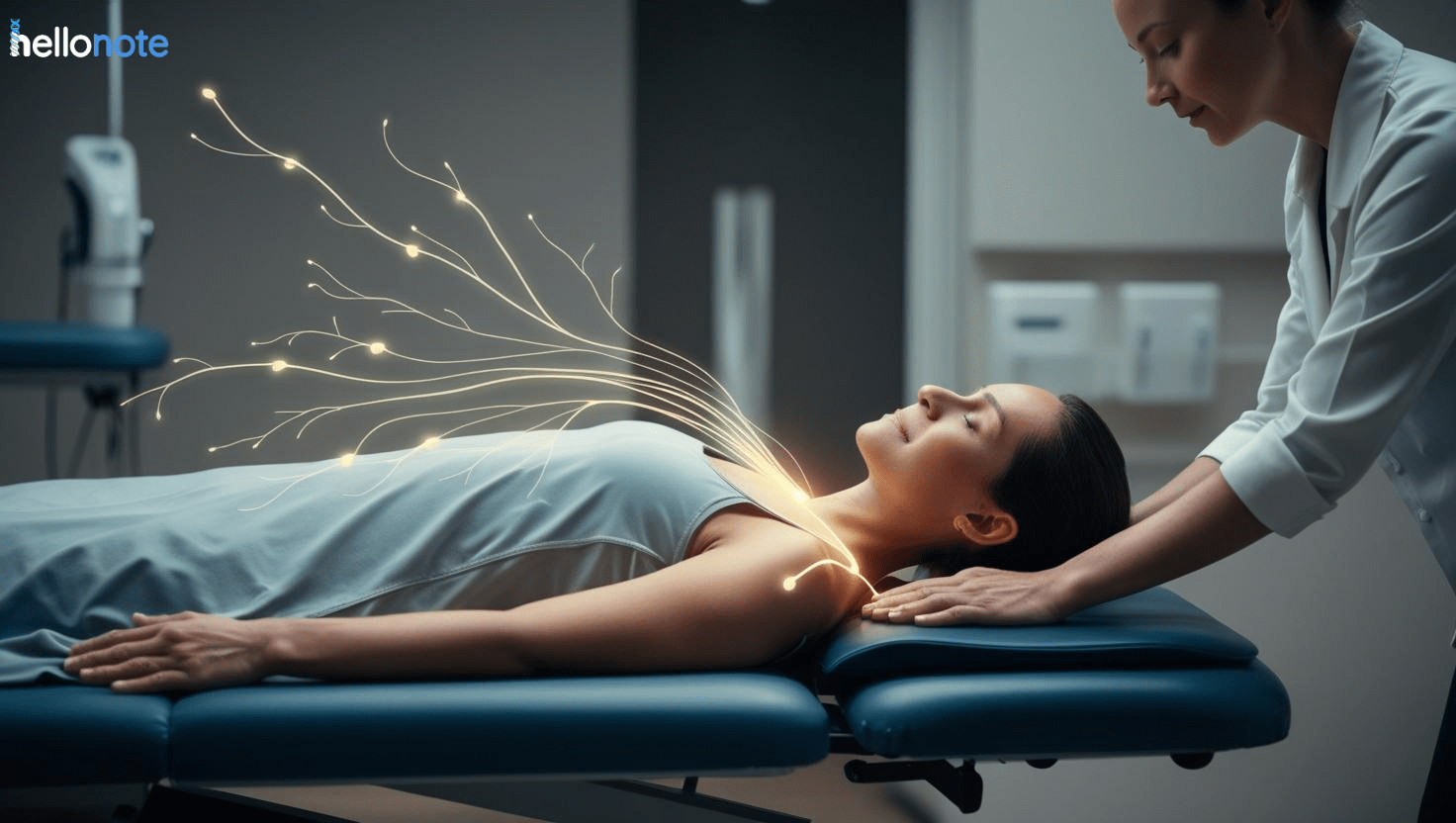
Conceptual image showing therapist applying gentle touch to relaxed patient, visualizing the nervous system benefits of **massage therapy in rehabilitation** via glowing pathways.

Addressing the Whole Patient in Rehabilitation

As physical, occupational, and speech therapists, we’re dedicated to helping patients regain function, mobility, and communication. While we target physical recovery from injuries, surgeries, or health conditions, we often see progress complicated by factors beyond the primary diagnosis. Persistent pain fueled by stress, functional limits increased by anxiety, or recovery stalls linked to mood or sleep issues are common challenges. Recognizing this powerful mind-body connection is vital, suggesting that exploring complementary approaches could significantly enhance our effectiveness.

Understanding the science behind massage therapy in rehabilitation reveals it’s far more than just a tool for relaxation or muscle soreness relief. It possesses a robust scientific foundation demonstrating profound effects on the nervous system and mental state. For rehabilitation professionals and clinic administrators, grasping this science isn’t just academically interesting; it unlocks potential pathways to better patient outcomes, increased engagement, and a more holistic, effective approach to care. This article delves into the mechanisms behind massage therapy and explores its valuable, often underutilized, role in supporting the mental well being of the patients we serve within the rehabilitation context.

The Neurophysiological Symphony: How Massage Influences the Nervous System

The power of skilled touch extends far beyond superficial relaxation. Massage therapy directly influences the autonomic nervous system (ANS), orchestrating a shift away from the sympathetic “fight or flight” state towards the parasympathetic “rest and digest” state. This shift is critical for patients navigating the stresses of recovery and pain. Here’s how:

Stress Hormone Reduction

This is key to understanding how massage reduces cortisol rehabilitation. Research consistently shows that massage therapy decreases levels of cortisol, the body’s primary stress hormone. Chronically elevated cortisol contributes to inflammation, heightened pain perception, muscle tension, impaired tissue healing, and sleep disturbances—all significant barriers in rehabilitation. Lowering cortisol via massage creates a physiological environment more conducive to healing and recovery within the rehabilitation journey.

Boosting “Feel Good” Neurotransmitters

Massage stimulates the release of serotonin and dopamine. Serotonin plays a vital role in mood regulation, anxiety reduction, and promoting feelings of calm. Dopamine is associated with pleasure, motivation, and reward. Increased levels can improve a patient’s mood, outlook, and motivation to participate actively in their therapy program.

Endorphin Release

Massage encourages the production of endorphins, the body’s natural opioids. These neurochemicals act as potent analgesics (pain relievers) and mood elevators, contributing to both physical comfort and emotional uplift.

Vagal Nerve Stimulation

Techniques involving moderate pressure, common in many massage styles, have been shown to increase vagal tone. The vagus nerve is a major component of the parasympathetic nervous system. Enhanced vagal activity promotes relaxation, slows heart rate, reduces inflammation, and improves emotional regulation.

Understanding these mechanisms helps us appreciate that massage isn’t just a passive relaxation technique; it’s an active intervention influencing the neurochemical landscape in ways that directly support therapeutic goals, making it a strong consideration for massage therapy in rehabilitation.

Clinical Relevance for Rehabilitation Populations

The benefits of nervous system regulation via massage have direct applications for common challenges faced by patients in PT, OT, and SLP settings:

Chronic Pain Management

For patients experiencing conditions like chronic low back pain, fibromyalgia, or arthritis, massage for pain management rehab can be particularly beneficial:

    • Massage can help downregulate the nervous system, addressing central sensitization.

    • It aids in reducing persistent muscle guarding and tension.

    • It can decrease the perception of pain.

    • It potentially improves tolerance for therapeutic exercise. Effective massage for pain management rehab requires skilled application tailored to the patient’s condition.

Post-Surgical Recovery

Beyond standard PT/OT scar tissue and swelling management:

    • Massage can alleviate surgery-related anxiety and stress.

    • It may improve sleep quality, which is crucial for healing.

    • It helps address compensatory muscle tension developed before or after surgery.

Neurological Rehabilitation

For patients recovering from stroke, TBI, or managing conditions like MS or Parkinson’s:

    • Appropriate massage techniques can help modulate muscle tone and reduce spasticity.

    • It can assist in reducing associated anxiety.

    • It may improve sensory feedback and body awareness.

    • It can enhance body image and acceptance. Considering massage therapy in rehabilitation for neurological conditions requires specific training and precautions.

Stress Related Musculoskeletal Complaints

Many patients present with conditions exacerbated by stress, such as tension headaches, temporomandibular joint (TMJ) dysfunction, or postural strain. Massage can directly address the involved musculature while simultaneously mitigating the underlying stress contributing to the symptoms.

Mental Health Comorbidities

Anxiety and depression frequently accompany physical impairments. While massage is not a standalone treatment for these conditions, it can be a powerful adjunct, improving mood, reducing somatic symptoms of anxiety, and enhancing receptiveness to both rehabilitation and mental health interventions.

The Therapeutic Value of Intentional Touch

In a healthcare system often characterized by brief interactions and technological interventions, the simple power of human touch can be profoundly therapeutic. Skilled, intentional touch provided during massage therapy offers:

Proprioceptive Input and Body Awareness

Massage provides rich sensory information, helping patients reconnect with their bodies, improve proprioception (sense of body position), and enhance interoception (sense of internal state), which can be particularly valuable after injury or neurological events.

Non Verbal Communication of Safety

For patients feeling vulnerable, in pain, or anxious, therapeutic touch within a safe, professional context can communicate care, empathy, and safety, helping to calm the nervous system at a fundamental level.

Trauma Informed Potential

Recognizing that many patients may have histories of trauma (medical or otherwise), trauma informed massage approaches prioritize patient control, communication, and nervous system regulation, offering a gentle way to re establish a sense of safety within one’s own body.

Considering Different Massage Modalities

While various techniques exist, some are particularly relevant when considering mental well being and massage therapy in rehabilitation:

    • Swedish Massage: Often the foundation, utilizing long, flowing strokes, kneading, and gentle tapping to promote general relaxation, improve circulation, reduce muscle tension, and lower stress levels. Excellent for overall nervous system calming.

    • Myofascial Release (MFR): Focuses on releasing restrictions within the connective tissue (fascia). While often used by PTs/OTs for specific physical limitations, LMTs trained in MFR can address widespread fascial tension that contributes to pain, postural strain, and feelings of physical restriction linked to stress.

    • Craniosacral Therapy (CST): A very gentle technique focused on subtle manipulations of the skull, spine, and pelvis to influence the craniosacral system and promote deep relaxation and nervous system balance. Often sought for stress, headaches, and trauma related issues.

    • Lymphatic Drainage: A gentle technique to support the lymphatic system, relevant post surgery or injury to reduce swelling, but also has calming effects on the nervous system.

    • Neuromuscular Therapy (NMT) / Trigger Point Therapy: Focuses on releasing specific points of muscle hypersensitivity (trigger points) that can refer pain and contribute to chronic tension patterns often exacerbated by stress.

The choice of modality often depends on the patient’s specific needs, preferences, and the therapist’s training.

Integrating Massage into the Rehabilitation Ecosystem

How can rehabilitation clinics effectively leverage the benefits of massage therapy?

Develop Referral Networks

Build relationships with qualified, licensed massage therapists (LMTs) in your community who understand rehabilitation principles and ideally have experience with relevant patient populations (e.g., oncology massage, neuro massage, orthopedic massage). Clear communication about patient goals is key.

Consider In House Services

Some larger clinics or wellness centers may employ LMTs directly. This allows for closer collaboration and seamless integration into patient care plans, but requires careful consideration of space, scheduling, and management. This model optimizes the use of massage therapy in rehabilitation settings.

Patient Education

Inform patients about the potential benefits of massage as a complement to their primary rehabilitation therapy, particularly for managing stress, pain (where massage for pain management rehab is relevant), and improving overall well being related to their recovery.

Scope Awareness

Clearly differentiate between the manual therapy techniques performed by PTs/OTs within their scope (often focused on specific joint/tissue mobilization for functional goals) and the broader relaxation, stress reduction, and systemic effects often targeted by LMTs.

Efficient Documentation and Coordination: The HelloNote Advantage

Whether referring out or employing LMTs, managing information and coordinating care efficiently is crucial. This is where a versatile Electronic Medical Record (EMR) system like HelloNote becomes invaluable:

    • Tracking Referrals: Easily document referrals made to LMTs, including the reason for referral and communication sent, maintaining a comprehensive patient record.

    • Integrated Documentation (for In House LMTs): If employing LMTs, HelloNote can provide customizable templates (e.g., SOAP notes tailored for massage) allowing them to document sessions within the same patient chart, facilitating easy review by the primary rehab therapist.

    • Monitoring Patient Response: Rehab therapists can use HelloNote to document patient reported feedback on massage interventions and objectively track changes in pain levels, range of motion, functional scores, or goal achievement that may correlate with the addition of massage therapy.

    • Secure Inter provider Communication: Utilize secure messaging features within HelloNote to communicate (with patient consent) relevant information or progress updates between the rehab therapist and the LMT, ensuring continuity of care.

    • Goal Alignment: Document how adjunctive massage therapy supports specific rehabilitation goals (e.g., “Patient receiving weekly massage to manage stress and muscle tension, supporting improved participation in therapeutic exercise program”).

HelloNote helps streamline these processes, ensuring that integrating massage therapy enhances, rather than complicates, clinical workflow and supports quality patient care.

Discover how HelloNote’s features support integrated care models in your clinic.

Physical Therapy Documentation: Best Practices to Streamline Notes and Compliance

Implementing PT documentation best practices is central to both clinical outcomes and administrative success. It ensures continuity of care, tracks patient progress, supports reimbursement, and serves as legal protection for the therapist and practice. Yet, many physical therapists continue to face challenges around documentation—namely, balancing thoroughness with time efficiency and meeting ever-evolving compliance requirements.

Improving physical therapy documentation efficiency isn’t just about reducing paperwork; it’s about building sustainable workflows that support clinicians, safeguard patient care, ensure therapy documentation compliance, and maximize reimbursement. This article outlines common documentation challenges, explores practical physical therapy documentation best practices, details key EMR features that help, and answers how to improve documentation efficiency.

Therapist applying physical therapy documentation best practices using a tablet EMR system.

Why Adhering to Physical Therapy Documentation Best Practices Matters

In a fast-paced clinical environment, documentation is often seen as a time-consuming task that follows hands-on care. However, the importance of thorough physical therapy documentation extends far beyond recordkeeping.

Proper documentation adhering to best practices:

    • Captures the patient’s baseline and progress over time

    • Justifies the medical necessity of therapy services

    • Facilitates communication among providers

    • Ensures compliance with Medicare and private insurance requirements

    • Serves as a legal record in case of audits or disputes

Failing to meet documentation standards can lead to denied claims, compliance violations, or even loss of licensure. For this reason, therapists must approach documentation not as an afterthought but as a critical part of patient care where PT documentation best practices are consistently applied.

Common Documentation Challenges Addressed by Best Practices

Despite its importance, documentation is often one of the most burdensome aspects of clinical practice. Adopting best practices can help mitigate some of the most frequently reported issues:

1. Time Constraints

Therapists often juggle full caseloads, leaving limited time to complete detailed notes during or between sessions. As a result, documentation is frequently delayed, rushed, or completed after hours, contributing to burnout. Best practices focus on improving efficiency.

2. Inconsistent Note Quality

Without standardized templates or structured workflows – key elements of documentation best practices – notes can vary widely across providers. This inconsistency increases the risk of missing essential elements required for compliance or reimbursement.

3. Compliance Complexity

Navigating requirements from Medicare, Medicaid, and commercial insurers for therapy documentation compliance can be overwhelming. Each payer may require different levels of detail, terminology, or evidence of progress. Manual tracking of these criteria increases the likelihood of errors, which best practices aim to reduce.

4. Paper-Based or Outdated Systems

Some clinics still rely on paper charts or legacy software that lacks integration or automation. These systems make implementing and sustaining physical therapy documentation best practices difficult, increasing administrative burden and risk.

Core Physical Therapy Documentation Best Practices

Improving PT documentation requires a combination of clinical discipline, administrative planning, and the right technology. Below are key PT documentation best practices that therapy practices can implement.

Use Standardized Templates

Structured templates are a fundamental best practice, ensuring consistency in the documentation process while reducing the risk of omitting required details. Templates for evaluations, daily notes, progress reports, and discharge summaries should include prompts for:

Templates can be customized to reflect the specific needs of your patient population or referral sources while aligning with payer requirements.

Document in Real Time When Possible

Completing notes during or immediately after treatment is a crucial best practice that reduces the risk of forgetting key details and directly addresses how to improve documentation efficiency. While this is not always feasible, therapists can use shorthand, voice-to-text tools, or quick note features within their EMR to capture essential data before completing full documentation.

Real-time documentation also facilitates timely billing, which can improve cash flow and reduce denials due to missing or incomplete records.

Align Notes with Medical Necessity Criteria

Insurance carriers look for specific elements to determine whether therapy services are justified. A core documentation best practice involves ensuring notes clearly demonstrate that treatment is:

    • Reasonable and necessary for the patient’s condition

    • Delivered by a licensed professional

    • Progressing toward measurable goals

Phrases such as “patient tolerated treatment well” are often flagged as insufficient. Instead, therapists should document clinical reasoning, patient performance, and observed improvements tied to objective measures to meet payer requirements.

Conduct Regular Chart Audits

Periodic internal audits are a best practice for quality assurance. They help identify gaps in documentation and ensure that notes reflect current regulations. Clinic managers can review a sample of patient records for completeness, accuracy, and compliance with payer requirements.

Findings from these audits can be used to guide staff training and template adjustments, reinforcing physical therapy documentation best practices across the team.

How Key EMR Features Enhance Documentation & Enable Best Practices

A well-designed EMR system can significantly reduce the administrative load of physical therapy documentation while improving accuracy and compliance. Explore the specific EMR features that support physical therapy documentation best practices:

1. Built-In Templates and Smart Forms

An EMR designed for therapy practices includes standardized forms with required fields, dropdowns, and auto-fill features. These tools guide therapists through the documentation process, reducing variability and improving completeness. This EMR feature directly supports the best practice of standardization.

2. Compliance Prompts and Alerts

Modern EMR platforms offer built-in compliance tools that prompt users when documentation is incomplete or missing required information according to payer rules. This EMR feature is key for maintaining compliance best practices and can help prevent denials or audit issues before they arise.

3. Time-Saving Tools (Dictation, Macros, etc.)

Key EMR features like speech-to-text dictation, quick note macros, and copy-forward functionality allow therapists to complete notes more efficiently without sacrificing quality, directly contributing to how to improve documentation efficiency.

4. Centralized Record Access

An integrated EMR stores all documentation in a centralized, secure database. Therapists, billing staff, and administrative personnel can access the records they need without duplication or data loss. This promotes coordination across the clinic and simplifies audit preparation, supporting documentation management best practices.

5. Reporting and Analytics

By tracking documentation trends and productivity metrics via EMR reporting features, clinic managers can identify bottlenecks and implement data-driven improvements. For example, if daily notes are consistently delayed, additional training or schedule adjustments aligning with best practices may be needed.

HelloNote, as an EMR built by therapists for therapists, incorporates many of these EMR features. Its templates, workflow automation, and compliance tools are designed specifically to facilitate physical therapy documentation best practices for physical, occupational, and speech therapy practices.

Key Takeaways for Implementing Documentation Best Practices

Therapists are trained to focus on outcomes, functional improvement, and patient care—but without proper documentation following best practices, those efforts may not be recognized or reimbursed. Streamlining PT documentation is not about cutting corners. It is about creating a sustainable workflow that protects clinicians and supports patient progress.

To improve documentation practices:

    • Adopt structured physical therapy documentation best practices, starting with standardized templates.

    • Document as close to the time of service as possible to improve efficiency and accuracy.

    • Align every note with medical necessity standards.

    • Leverage EMR features for automation, compliance checks, and efficiency gains.

    • Conduct regular audits to maintain quality and accountability.

Incorporating these strategies helps therapists spend less time on paperwork and more time doing what they do best; helping patients move, function, and live better.

How HelloNote Streamlines Physical Therapy Documentation

HelloNote EMR was purposefully developed to reduce the documentation burden that therapists often face by embedding best practices into its workflow. By offering customizable, discipline-specific templates, HelloNote ensures that documentation stays compliant while remaining clinically relevant – a cornerstone of physical therapy documentation best practices. Physical therapists can easily record evaluations, daily notes, and progress updates using guided prompts that meet Medicare and private insurance standards. Key EMR features such as real-time note entry, voice dictation, and one-click carry-forward help therapists document accurately without spending extra hours after sessions, addressing how to improve physical therapy documentation efficiency. Built-in compliance alerts notify users if any required data is missing, preventing costly billing errors and rejected claims. HelloNote also tracks patient goals and outcomes over time, allowing for clear progress reporting. These EMR features not only support better care delivery but also make documentation more efficient, less error-prone, and fully aligned with payer requirements and documentation best practices. For therapy practices looking to improve workflow without compromising quality, HelloNote offers an intuitive and reliable solution.

Effective physical therapy documentation, achieved through adopting best practices, is both a clinical and administrative priority. By investing in smarter workflows and purpose-built tools like HelloNote EMR, clinics can support their teams, safeguard compliance, and enhance care delivery in every session.


Mastering EMR Charting: Best Practices for Efficient and Accurate Documentation

Therapist doing EMR charting for therapists on a laptop computer

In modern therapy practice, the quality of your clinical documentation can directly influence patient outcomes, reimbursement, and legal compliance. Central to that documentation process is EMR charting for therapists—the digital method used to capture, organize, and store patient records within an electronic medical record system.

Unlike traditional paper charting, EMR charting provides a dynamic and centralized approach to patient documentation, crucial for meeting physical therapy documentation requirements and those of other disciplines. It allows clinicians to track patient progress, document interventions, and maintain regulatory compliance in a streamlined digital format. However, despite its benefits, many therapy professionals find EMR charting to be time-consuming and at times overwhelming.

This article explores the challenges clinicians face with EMR charting and provides a set of best practices and solutions that improve both the accuracy and efficiency of documentation. Whether you are running a therapy clinic or practicing in the field, optimizing your EMR charting workflow can result in better patient care and reduced administrative burden.

What Is EMR Charting for Therapists?

EMR charting refers to the process of documenting clinical encounters, assessments, treatments, and progress notes within an electronic medical record system. In physical, occupational, and speech therapy, this includes: 

    • Initial evaluations 
    • Treatment plans and goal setting 
    • Daily session notes 
    • Progress reports 
    • Discharge summaries 

An effective EMR charting system allows clinicians to maintain structured records, quickly retrieve patient data, and meet the documentation standards required by insurance providers and regulatory bodies. 

Why EMR Charting Matters in Therapy Practice

Efficient EMR charting is more than a technical necessity. It is a clinical and business imperative. Proper charting supports: 

    • Evidence-based patient care 
    • Legal and regulatory compliance 
    • Interdisciplinary communication 
    • Clinical outcomes tracking 

When documentation is incomplete or inconsistent, therapy providers risk denied claims, compliance violations, or gaps in patient care. 

Common Pain Points in EMR Charting

Despite its importance, many therapy professionals experience significant frustration when managing EMR charting. Common challenges include:

1. Time-Consuming Data Entry

Manually entering detailed clinical information can slow down productivity. Therapists often struggle to complete charting within a standard workday, leading to late hours or incomplete notes.

2. Documentation Errors

Copy-pasting notes, using incorrect codes, or forgetting required elements are frequent sources of error, making reducing EMR documentation errors a key goal for many clinics. These mistakes can lead to reimbursement delays or compliance risks.

3. Compliance Complexity

Therapists must ensure that each note meets the requirements of different payers, including Medicare, Medicaid, and private insurers. Failing to document medical necessity or progress can result in audits or claim rejections.

4. Learning Curve of EMR Systems

Some EMR systems are not intuitive. Poor user experience and lack of training contribute to inefficiencies and staff frustration.
Practical Solutions to Streamline EMR Charting

Improving the charting experience does not require overhauling your entire clinical workflow. Small, strategic changes can yield significant results. Below are solutions that therapy clinics can adopt to enhance EMR charting processes:

Use Smart Templates

Pre-built templates tailored to therapy services help standardize documentation while reducing manual input. Smart templates include prompts for key information such as: 

    • Objective measurements 
    • Functional goals 
    • Interventions used 
    • Patient response 
    • Plan of care updates 

Templates minimize omissions and help ensure that documentation is payer-compliant and clinically thorough. 

Implement Automation Tools

Automation can significantly reduce administrative workload. For example: 

    • Auto-populating demographic fields or prior visit data 
    • Linking diagnosis codes with corresponding treatment plans 

These tools eliminate redundancy and free up time for direct patient care. 

Leverage Voice Recognition Software

Voice-to-text tools integrated with EMR systems allow therapists to dictate notes quickly, improving speed without sacrificing detail. This is especially helpful during or immediately after a session, when memory is freshest.

Voice recognition tools also reduce the physical fatigue associated with typing and allow clinicians to document more naturally.

Standardize Clinical Terminology

Creating a clinic-wide reference guide for common terms, abbreviations, and documentation styles ensures consistency across providers. This makes records easier to read and audit while promoting accuracy.

Best Practices for Efficient and Accurate EMR Charting

Once the foundational tools are in place, refining your approach involves adopting specific EMR best practices. These habits help therapists chart more effectively while maintaining compliance and quality:

1. Chart in Real Time

Whenever possible, complete notes during or immediately after the patient visit. Real-time charting improves recall accuracy and prevents backlog.

2. Use Clinical Decision Support Features

Modern EMR systems often include features that flag missing fields, suggest appropriate codes, or alert users to inconsistencies. These built-in checks are vital for reducing EMR documentation errors and enhancing compliance.

3. Keep Notes Patient-Specific

Avoid overuse of generic or copied notes. Tailor documentation to the individual’s condition, progress, and response to treatment to meet standards of medical necessity.

4. Review and Sign Daily

Leaving charts unsigned for extended periods increases the risk of missed deadlines, billing delays, or audit exposure. Make chart review and finalization a part of your daily workflow.

5. Train Regularly on EMR Updates

EMR systems evolve. Ongoing training helps clinicians use new features effectively and adapt to interface changes that could impact documentation speed.

The Role of a Therapy-Focused EMR in Better Charting

Not all EMR systems are created equal. A therapy-focused platform can make a substantial difference in how efficiently your team manages documentation.

HelloNote, for instance, offers therapy-specific charting templates, compliance safeguards, and integrated tools like speech-to-text functionality and auto-filling of recurring data. By aligning the EMR interface with how therapists actually work, systems like this reduce the time spent on charting while improving overall accuracy.

Clinics that leverage specialized EMR solutions see improved billing turnaround, lower audit risk, and better staff satisfaction due to reduced after-hours work.

Final Thoughts

Mastering EMR charting for therapists is essential for delivering high-quality, accountable therapy services. As expectations around documentation continue to rise, therapy providers must adopt tools and EMR best practices that make charting both efficient and compliant.

By focusing on structured templates, automation, real-time entry, and consistent training, clinics can turn documentation from a burden into a clinical asset. The right EMR platform can help every team member chart with greater clarity, accuracy, and ease.

Massage Therapy for Seniors: Relieving Joint Stiffness and Enhancing Circulation 

The Role of Massage in Senior Rehabilitation

Aging brings about natural changes in joint mobility, circulation, and overall musculoskeletal function. For many older adults, joint stiffness and reduced circulation contribute to pain, decreased independence, and a higher risk of falls.

Physical and occupational therapists, particularly in geriatric therapy settings, often incorporate massage therapy into rehabilitation plans to address these challenges while supporting movement quality and comfort. When used strategically, massage therapy for seniors can help seniors regain mobility, reduce discomfort, and improve their ability to participate in daily activities.

How Massage Therapy Supports Joint Mobility

Joint stiffness in older adults is often linked to arthritis, reduced synovial fluid production, and muscular tightness. These factors limit movement, and importantly, addressing them through techniques like massage can help reduce pain in the elderly. They also create compensatory patterns that can lead to gait deviations and postural imbalances.

Massage therapy, when integrated with physical and occupational therapy interventions, can:

Senior client receiving gentle massage therapy for seniors from a therapist to help reduce pain and improve mobility

Improve Soft Tissue Elasticity

Gentle kneading and myofascial release techniques help lengthen tight muscles and improve flexibility around joints such as the shoulders, knees, and hips.

Enhance Joint Lubrication

Increased circulation around synovial joints supports fluid exchange, which may reduce friction and discomfort during movement.

Reduce Muscular Guarding

Many seniors unconsciously restrict their movement due to fear of pain. Massage helps calm overactive muscles and encourages controlled, pain-free mobility.

Support Postural Alignment

Addressing soft tissue restrictions can assist with better posture, reducing strain on weight-bearing joints during walking and functional tasks.

For seniors experiencing difficulty raising their arms, transitioning from sit to stand, or maintaining an upright posture, massage can be a valuable adjunct to therapeutic exercise. When combined with targeted stretching and strengthening, massage therapy contributes to smoother movement patterns and improved motor control.

The Circulatory Benefits of Massage for Seniors

Reduced circulation can lead to muscle fatigue, delayed healing, and a greater risk of pressure ulcers. Massage therapy promotes blood flow, oxygenation, and tissue hydration, which are essential for recovery and functional movement. These techniques actively work to improve circulation in the elderly, supporting overall tissue health.

Improved Venous Return

Gentle strokes in the direction of venous flow assist with reducing swelling in the lower extremities, particularly for seniors with conditions such as chronic venous insufficiency or peripheral neuropathy.

Enhanced Oxygen and Nutrient Delivery

Increased circulation supports tissue healing in seniors recovering from joint replacements, fractures, or prolonged immobility.

Reduction in Cold Extremities and Numbness

Many older adults experience decreased circulation in their hands and feet, which affects grip strength and balance. Massage helps warm tissues and improve proprioception, which is critical for walking stability.

Massage Therapy in Occupational and Speech Therapy Settings

While massage therapy is often associated with musculoskeletal recovery, its benefits extend beyond physical therapy applications. Occupational and speech therapists can also incorporate massage techniques to support function in their respective domains.

Occupational Therapy Applications:

    • Massage can be used to reduce muscle stiffness in the hands, helping seniors with arthritis improve their grip strength and fine motor coordination for tasks such as buttoning clothing or holding utensils.

    • For individuals recovering from strokes, massage therapy may improve sensory feedback, reducing hypersensitivity or numbness that interferes with daily activities.

    • Gentle manual techniques can prepare soft tissues for adaptive movement strategies, allowing for smoother transitions in weight shifting and seated postural control.

Speech Therapy Applications:

    • Orofacial massage can assist with reducing tension in the jaw and neck, benefiting seniors with dysphagia or temporomandibular joint dysfunction.

    • Soft tissue manipulation around the larynx and cervical region may help with voice production and swallowing efficiency in individuals with neurological conditions such as Parkinson’s disease.

Optimizing Therapy Workflows with Massage Documentation

As therapists integrate massage therapy into rehabilitation plans, proper documentation is essential for tracking patient progress, justifying interventions, and ensuring compliance with regulatory standards.

Maintaining clear records of soft tissue techniques, patient responses, and functional improvements allows therapists to communicate treatment effectiveness to both patients and insurers.

With HelloNote EMR, therapists can efficiently document manual therapy interventions, including massage techniques, within structured SOAP notes. This helps streamline workflow while ensuring that patient progress is accurately recorded. Additionally, therapists can track changes in mobility, pain levels, and circulatory health over time, reinforcing the value of massage therapy in rehabilitation plans.

Clinic owners who use HelloNote EMR also benefit from integrated scheduling, allowing for organized session planning when incorporating massage into treatment routines. With built-in compliance tools, therapists can confidently include massage therapy as part of patient care while staying aligned with best practices.

Final Thoughts

Massage therapy for seniors plays a valuable role in supporting joint mobility and circulation, making it an important component of rehabilitation in physical, occupational, and speech therapy settings. By improving tissue elasticity, reducing muscular guarding, and enhancing blood flow, massage helps seniors regain confidence in their movement and engage more fully in daily activities.

Therapists who integrate massage into their treatment plans can maximize patient outcomes when paired with a structured approach to documentation and workflow management. HelloNote EMR provides the tools needed to ensure that massage therapy interventions are effectively documented, allowing clinics to maintain compliance while delivering high-quality care.

By combining hands-on therapy with an organized clinical management system, therapists can create an environment where seniors receive the best possible support for their mobility, comfort, and independence.

Therapeutic Exercises CPT Code 97110: A Complete Guide to Billing, Documentation, and Reimbursement 

Learn everything about CPT Code 97110, the essential billing code for therapeutic exercise in physical, occupational, and speech therapy. Discover its correct usage, documentation requirements, Medicare compliance, and best practices to maximize reimbursement while avoiding claim denials.

A physical therapist assisting a patient with therapeutic exercises in a gym setting, representing CPT Code 97110 for rehabilitation and recovery.

Introduction 

CPT Code 97110 is one of the most used billing codes in physical therapy, occupational therapy, and speech-language pathology for therapeutic exercises aimed at improving patient function. This code plays a critical role in rehabilitation by addressing strength, endurance, range of motion, and flexibility. 

Understanding when and how to use CPT Code 97110 ensures accurate billing, Medicare compliance, and maximum reimbursement. This guide covers when to use CPT 97110, documentation requirements, key differences from other therapy codes, billing rates, a comparison with similar codes, and billing best practices to avoid claim denials. 

What Is CPT Code 97110?

Definition 

CPT Code 97110 is defined as: 

Therapeutic exercises to develop strength, endurance, range of motion, and flexibility, with direct (one-on-one) patient contact by the provider, each 15 minutes.” 

This code is used for individualized, structured exercises that improve a patient’s physical abilities. The exercises must be designed to address specific impairments and contribute to the patient’s functional goals. 

Key Features of CPT 97110: 

    • Hands-on, one-on-one therapy 
    • Focus on improving movement, strength, and function 
    • Billed in 15-minute increments 
    • Requires measurable improvement and patient participation

Billing Rates for CPT 97110

Billing rates for CPT 97110 vary depending on location, payer, and provider contracts. On average, Medicare reimburses approximately $30 to $40 per 15-minute unit, while private insurers may reimburse between $35 to $50 per unit. It’s essential for therapy practices to verify reimbursement rates with specific payers and ensure accurate coding to maximize revenue. 

When to Use CPT Code 97110?

Common Conditions Treated 

Therapists may use 97110 for a wide range of diagnoses, including: 

    • Orthopedic injuries (fractures, post-surgical rehabilitation, joint replacements) 
    • Neurological conditions (stroke, spinal cord injury, Parkinson’s disease) 
    • Chronic pain syndromes (fibromyalgia, arthritis) 
    • Pediatric therapy (developmental delays, motor coordination deficits) 

Examples of Therapeutic Exercises Under 97110 

CPT Code 97110 applies when specific, structured exercises are prescribed for a functional goal. Examples include: 

    • Leg press exercises to strengthen lower limbs post-knee replacement 
    • Shoulder range-of-motion drills after rotator cuff surgery 
    • Grip-strength exercises for post-stroke rehabilitation 
    • Core stabilization exercises for chronic low back pain 
    • Flexibility training to improve joint mobility after immobilization

Comparison of CPT 97110 vs. Other Therapy Codes

Therapists must differentiate between CPT 97110 (therapeutic exercises) and other similar therapy codes to ensure proper billing. 

CPT Code 

Description 

Example Use Case 

97110 

Therapeutic exercises for strength, endurance, and flexibility 

Leg press after knee replacement 

97112 

Neuromuscular re-education for balance, coordination, and proprioception 

Balance training for stroke recovery 

97530 

Therapeutic activities that simulate functional tasks 

Sit-to-stand training for daily mobility 

Billing and Documentation for CPT 97110

Billing Guidelines 

    • Billed in 15-minute increments (minimum 8 minutes per unit) 
    • Requires direct one-on-one interaction with the therapist 
    • Cannot be billed on the same day as 97530 unless separate goals/body parts are addressed 
    • Must document medical necessity and progress toward goals 

Medicare and Insurance Compliance 

Medicare and private insurers require thorough documentation to justify reimbursement for 97110. Therapists should include: 

    • The specific exercises performed 
    • The functional goal of the exercise 
    • Patient response to treatment and measurable progress 
    • Adaptive equipment used (e.g., resistance bands, dumbbells) 

Example documentation entry: 

“Patient performed resisted shoulder flexion exercises using a 2 lb weight to increase strength for independent dressing. Required minimal assistance. Goal: Improve ability to lift arms overhead for self-care tasks within 4 weeks.” 

Avoiding Common Denials for CPT Code 97110

  • Insufficient Documentation 

Many claim denials occur due to lack of clear documentation. Avoid vague entries like: “Patient performed strength exercises.” Instead, specify: “Patient completed 3 sets of 10 repetitions of quadriceps exercises using a resistance band to improve knee stability for walking.” 

  • Billing 97110 and 97530 Together Without Justification 

If billing 97110 (therapeutic exercises) and 97530 (therapeutic activities) on the same day, documentation must differentiate them:  97110 is for specific muscle training (e.g., resistance training for knee strength)  97530 is for functional training (e.g., car transfer simulation) 

  • Using Modifier 59 for 97110 and 97530 on the Same Day 

When billing 97110 and 97530 together, Modifier 59 must be used to indicate that these services were distinct and separately identifiable. Modifier 59 tells payers that the two codes were used for different therapeutic purposes, reducing the risk of claim denials. 

Example of Correct Billing with Modifier 59: “Patient completed therapeutic exercises (97110) to strengthen knee extensors for improved gait. Separately, the patient performed functional sit-to-stand training (97530) to improve independence in daily mobility. Modifier 59 applied to distinguish separate goals.” 

Avoid Overuse: Modifier 59 should only be applied when documentation clearly supports separate treatment purposes. Improper use may trigger audits or payment rejections. 

Case Study: Resolving a Claim Denial for 97110

A physical therapy clinic submitted a claim for 97110 and 97530 on the same day without proper documentation. The claim was denied due to lack of differentiation between the two codes. After reviewing the documentation, the clinic resubmitted the claim with a clear distinction between the therapeutic exercises (97110) and functional training (97530), using Modifier 59 correctly. As a result, the insurance provider approved the claim upon reconsideration. 

How HelloNote EMR Simplifies CPT 97110 Billing

Accurate billing and documentation can be complex and time-consuming, but HelloNote EMR streamlines the process by:  Automating CPT code selection to ensure correct billing for therapeutic exercises  Providing built-in compliance alerts to guide therapists on proper use of Modifier 59 when billing 97110 with other therapy codes  Tracking patient progress with real-time documentation and reporting tools  Reducing administrative burden by integrating scheduling, documentation, and billing in one system 

By using HelloNote EMR, therapy practices can improve claim approval rates, prevent denials, and enhance overall practice efficiency. 

Final Thoughts

CPT Code 97110 is essential for billing structured therapeutic exercises in physical therapy, occupational therapy, and speech-language pathology. Understanding when and how to use it correctly ensures proper reimbursement, compliance with Medicare and insurance policies, and optimal patient care. 

By following best documentation practices, using Modifier 59 when necessary, and leveraging an EMR like HelloNote, therapists can streamline their billing processes, maximize reimbursement, and avoid costly claim denials. 

You've found a hidden discount!

  • 00Hours
  • 00Minutes
  • 00Seconds