



















You've found a hidden discount!

HN Unlock Layer 1
HN Unlock Layer 2
HN Unlock Layer 3
HN Unlock Layer 4
HN Unlock Layer 5
  • 00Hours
  • 00Minutes
  • 00Seconds

Category: marketing

How Birthday Emails Improve Patient Loyalty for Physical Therapists

Birthday emails boost patient loyalty in physical therapy. Discover how HelloNote’s automated birthday email reminders enhance patient engagement, retention, and referrals.​

Birthday email reminder feature in HelloNote EMR, designed to boost patient loyalty and engagement in physical therapy through personalized messages.

Nowadays, standing out in physical therapy is about more than just providing excellent care; it’s about building meaningful connections with your patients. One often overlooked but powerful tool for enhancing these relationships is birthday emails in physical therapy. These messages are more than just friendly; they are opportunities to engage your patients, show you care, and remind them of your practice. Implementing birthday emails can be a simple yet effective way to improve patient loyalty for physical therapists. Best of all, with HelloNote’s built-in birthday reminder feature, you can easily automate these personalized emails to maintain patient engagement throughout the year. 

Why Birthday Emails are Essential for Patient Engagement in Physical Therapy

1. Personalized Care Beyond the Clinic

In physical therapy, building trust and rapport is crucial for patient retention. A birthday email is a simple yet effective way to show your patients that you’re thinking of them, even when they are not in your office. This small gesture makes patients feel valued, and when they feel appreciated, they are more likely to stick with your practice for long-term care.

2. Strengthening Patient Relationships

Consistent communication helps you build stronger relationships with your patients. Birthday emails offer a great opportunity to remind patients of the personal connection they have with your practice. By including a personal note or offering a small discount on their next visit, you can make your practice feel like a community rather than just a service provider. 

3. A Soft Marketing Tool

Birthday emails are an excellent, non-intrusive way to market your services. By wishing patients a happy birthday, you are subtly reinforcing your brand and keeping your practice at the forefront of their minds. Including a friendly call-to-action, like a seasonal promotion or wellness tips, can help drive appointments without feeling like a hard sell.

4. Patient Retention Through Thoughtfulness

One key to patient retention is keeping patients engaged, even between appointments. A birthday email can serve as a gentle reminder that your practice is available and ready to help them maintain their health goals. A patient who feels cared for beyond their regular sessions is more likely to return for future services, whether for routine check-ups or new therapy needs. 

5. Creating Opportunities for Referrals

Personalized touches like birthday emails can lead to more referrals. When patients feel special and appreciated, they are more likely to talk about their positive experiences with friends and family. A well-timed birthday email can create word-of-mouth opportunities, leading to new patient referrals and growing your practice organically. 

How HelloNote’s Birthday Reminder Feature Makes It Easy

At HelloNote, we understand the importance of personalized patient engagement. That is why we have included a birthday reminder feature in our EMR system. With this tool, you can automate birthday emails, making sure you never miss a chance to connect with your patients. 

Here’s how it works: 

    • Automated Reminders: HelloNote tracks patient birthdays and automatically sends a reminder to your staff or directly sends an email to the patient. 
    • Customizable Emails: You can personalize your birthday messages, including special offers, seasonal promotions, or simple well-wishes. 
    • Seamless Integration: The birthday reminders are integrated with your patient management tools, so you never have to worry about missing a special occasion. 

By incorporating HelloNote’s birthday reminder feature, you can boost patient loyalty and enhance your practice’s reputation — all while reducing administrative workload. 

Small Gestures, Big Impact

Physical therapy can be very demanding but don’t forget the power of personal connection. Little touches like birthday emails can make a big difference. They help you nurture patient relationships, increase retention, and subtly market your practice—all with minimal effort. With HelloNote’s built-in birthday reminder feature, staying connected with your patients has never been easier or more impactful. It’s a simple yet effective way to celebrate your patients and grow your practice at the same time.

Ready to boost patient loyalty and engagement? Discover how HelloNote’s automated birthday reminder feature can help you stay connected with your patients and improve retention today!
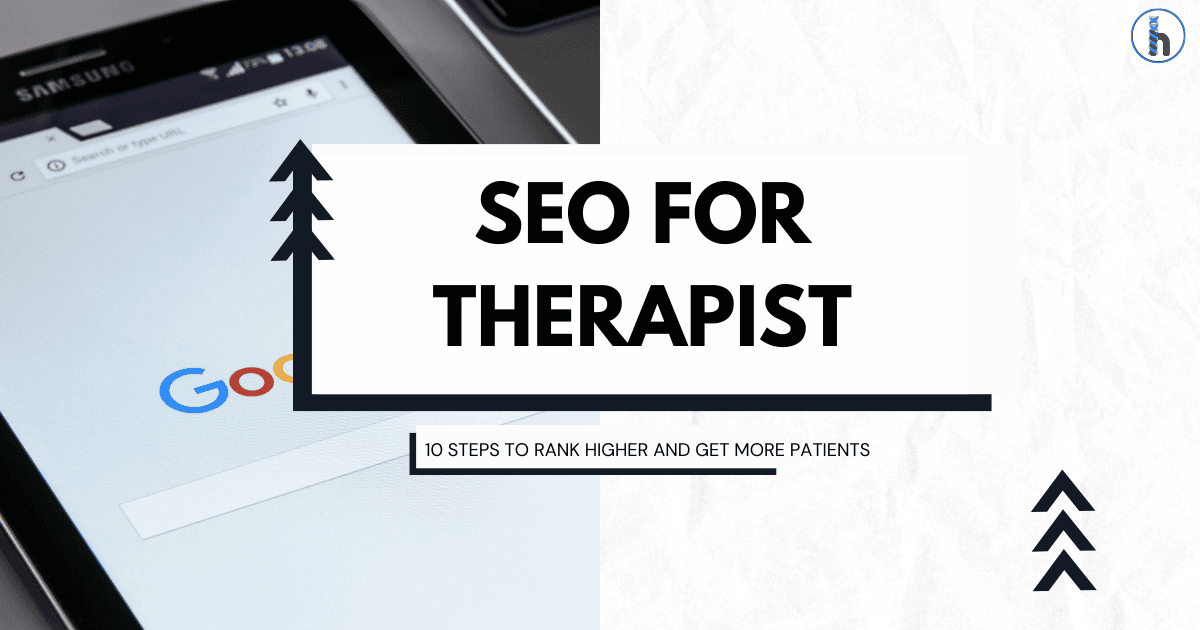
SEO for Therapists: 10 Steps to Rank Higher and Get More Patients

Discover how to improve your therapy practice’s online presence with “SEO for Therapists.” Follow these 10 steps to rank higher in search results and attract more patients to your website.

SEO strategies for therapists to improve website ranking and attract more patients

As a healthcare professional, you’re likely aware of how critical it is to be visible to potential patients, especially in today’s digital age. SEO (Search Engine Optimization) is a powerful tool that can help your therapy practice improve its online presence, rank higher in search engine results, and ultimately attract more patients. In this article, we will explore 10 essential SEO tips tailored for therapists in physical, occupational, and speech therapy practices.

1. Incorporate Keywords Strategically

The foundation of SEO starts with keywords. These are the words and phrases potential patients use when searching for therapy services. For therapy practices, keywords should be specific to your services and location. For example, if you’re a speech therapist in New York, use phrases like “speech therapy in New York” or “speech therapist near me.”

To identify the best keywords for your practice, you can use tools like Google Keyword Planner, SEMrush, or Ahrefs to find high-volume, low-competition keywords. These tools can help you uncover long-tail keywords, which are more specific and less competitive, leading to better chances of ranking.

Additionally, it’s crucial to strategically place keywords in your page titles, headers, meta descriptions, and throughout the body of your content. However, avoid overstuffing your content with keywords—this can lead to penalties from search engines. Instead, aim for natural inclusion.

2. Create Detailed, Engaging Content

Creating quality content is essential for SEO. Aim for at least 1,500 words of helpful, meaningful content. Blogs, articles, and case studies are great ways to provide value to your audience and improve your rankings. For example, you could write blog posts answering common questions like “How long does speech therapy take?” or “What is the difference between physical and occupational therapy?”

In your content, include relevant keywords naturally, but also use synonyms and related terms. This will help broaden the scope of your reach. For instance, instead of always saying “speech therapy,” you could use “language therapy,” “speech treatment,” or “speech rehabilitation.”

Structuring your content well is also important. Break it up with headings, bullet points, and images to make it easier for readers to navigate and engage with. Google favors well-organized, user-friendly pages.

3. Optimize for Local SEO

Local SEO is vital for therapy practices since most patients will be searching for services close to them. Make sure your practice is listed in local directories and on Google My Business (GMB). A GMB listing provides key information, such as your business hours, location, website, and contact details, and it shows up when people search for therapy services near them.

According to a 2023 study by BrightLocal, 78% of mobile searches for “near me” results in an offline purchase or action, underscoring the importance of local optimization. In addition to GMB, make sure to include your location in key areas of your website, such as titles, meta descriptions, and headings.

4. Utilize Internal and External Links

Linking to other pages or blog posts on your site (internal links) and having external websites link to your site (backlinks) are both powerful SEO techniques.

Internal links help search engines understand the structure of your website, allowing them to crawl and index your content more effectively. For example, if you have a blog post about “speech therapy for children,” link to another blog post about “how to prepare for your first speech therapy session.”

Backlinks, on the other hand, show search engines that other authoritative sites trust your content. You can build backlinks by contributing guest posts, answering questions on platforms like HARO (Help A Reporter Out), or collaborating with other health professionals to create content. Websites like Health.com, WebMD, and Psychology Today are great examples of authoritative sites that could link to your practice’s website if you have relevant and quality content.

5. Answer Common Questions with Featured Snippets

Google often provides a “featured snippet” at the top of search results, which answers a query in a concise manner. To get your content featured, aim to answer common questions in clear, succinct language. For example, if someone asks, “What does a physical therapist do?”, you can provide a brief, accurate answer in your content.

The goal is to structure your content in a way that Google can easily extract a snippet. You can do this by including a direct question-and-answer format or creating a list that directly addresses the user’s query.

6. Improve Your Website’s User Experience (UX)

Search engines like Google place significant value on user experience (UX). A website that is easy to navigate, mobile-friendly, and fast will rank better in search results.

For instance, 53% of mobile users abandon a site if it takes more than three seconds to load (Google). You can use tools like Google PageSpeed Insights to check your website’s speed and make improvements. Additionally, ensure your website is mobile-friendly, as most users will visit your site on their smartphones.

7. Leverage Google My Business (GMB) for Local Visibility

As mentioned earlier, Google My Business is crucial for local SEO. Set up and fully optimize your GMB profile by adding your business name, address, phone number, website link, and business hours. Include high-quality photos of your practice and any certifications or qualifications that might help patients trust you.

Encourage your satisfied patients to leave reviews on your GMB profile. Positive reviews not only improve your ranking but also build your practice’s credibility. A study by BrightLocal showed that 79% of consumers trust online reviews as much as personal recommendations.

8. Optimize for Voice Search

With the rise of virtual assistants like Siri, Alexa, and Google Assistant, optimizing your website for voice search is becoming increasingly important. Voice searches tend to be longer and more conversational. For example, someone might search, “Where can I find a speech therapist near me?” instead of just “speech therapist NYC.”

To optimize for voice search, focus on natural language and long-tail keywords. Write content in a conversational tone, and include answers to questions that users may ask their devices.

9. Use Analytics to Monitor and Adjust Your SEO Strategy

Tracking your website’s performance is essential to understanding what works and what doesn’t. Google Analytics and Google Search Console are two free tools that provide valuable insights into your traffic, user behavior, and keyword rankings.

Regularly review these metrics to identify areas of improvement. For example, if you notice that certain blog posts are driving a lot of traffic, consider writing more content on similar topics or updating older posts with fresh information.

10. Create Engaging Visual Content

Lastly, incorporate images, videos, and infographics into your content. Visual content can improve user engagement and time spent on your website, which are important SEO factors. Google also indexes images, so make sure to use relevant file names and alt tags with your target keywords.

For instance, if you’re writing about “speech therapy techniques,” including a video demonstration or an infographic showing therapy exercises can provide extra value to your visitors.

Conclusion

By following these 10 SEO tips, your therapy practice can improve its online presence, attract more patients, and rank higher in search results. While SEO can seem complex, these strategies offer a solid foundation for therapists looking to increase visibility and grow their practice. If you need assistance with practice management software, be sure to check out HelloNote, an all-in-one EMR solution designed for therapists.

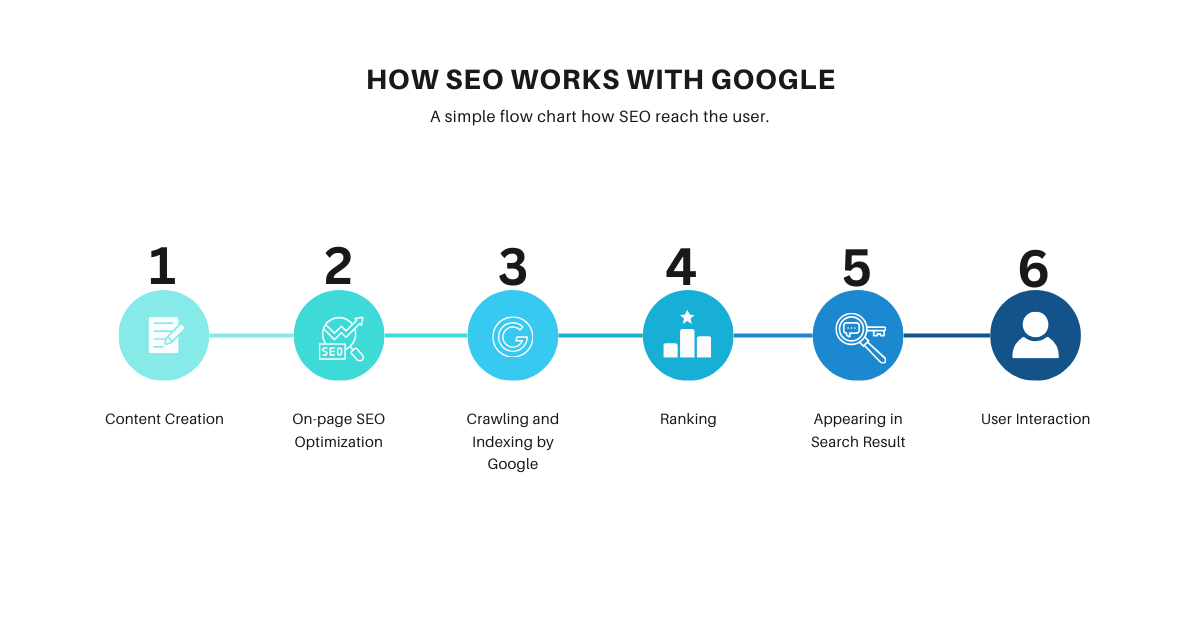
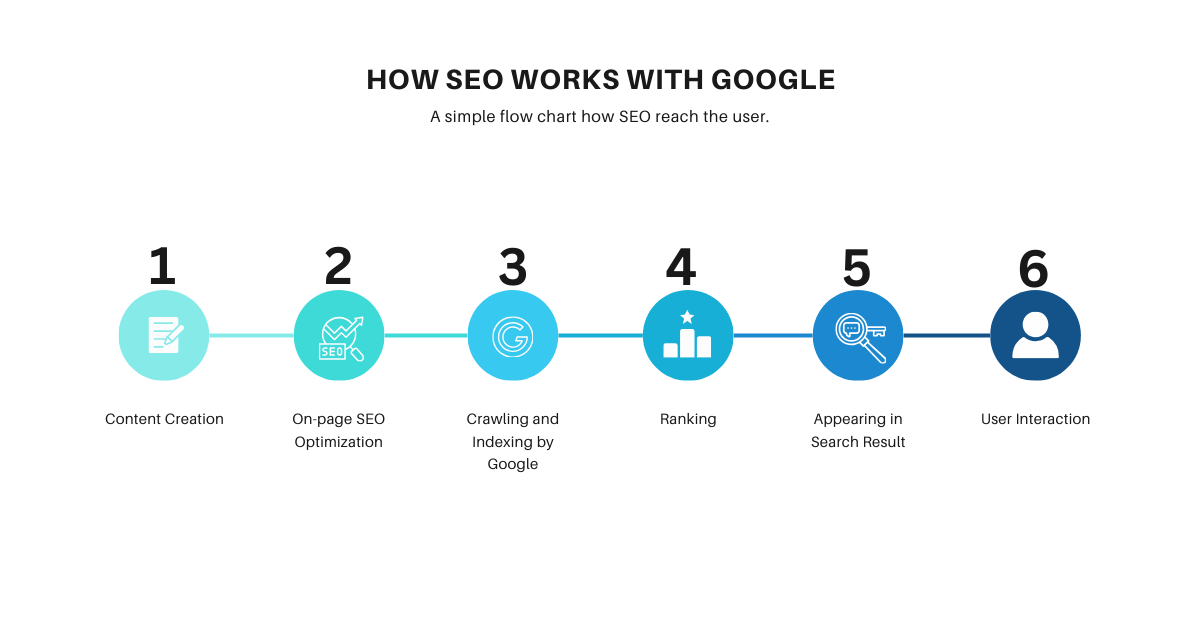
How SEO works with Google Step by Step

Learn how SEO works with Google and how content creation, on-page optimization, and user interaction impact your rankings and drive organic traffic.

A flowchart explaining how SEO works with Google, from content creation to user interaction, showcasing the SEO process for better search rankings

Search Engine Optimization (SEO) is the backbone of digital marketing, and understanding how SEO works with Google is essential for anyone looking to improve their website’s performance. Whether you’re an experienced marketer or just starting, knowing how Google evaluates and ranks content is key to driving organic traffic and achieving long-term success. In this article, we’ll take a close look at the steps involved in SEO, from creating engaging content to making sure it appears in Google’s search results. By following these steps, you can boost your chances of ranking higher and getting noticed by your target audience.

1. Content Creation

Write Informative, Engaging, and High-Quality Content Targeting Your Audience and Specific Keywords

The first step in how SEO works with Google is to create valuable content. Your content should address specific user queries, incorporate relevant keywords (like “therapy for children with autism”), and provide detailed answers. High-quality, engaging content not only helps you rank higher on Google but also ensures visitors find your page useful.

Example: If you own a pediatric therapy clinic, an article titled “Effective Therapy Techniques for Children with Autism” will target parents searching for solutions to help their children. The article should include specific keywords and actionable advice.

Why it’s Important: Google prioritizes content that directly answers user queries, so content quality is a fundamental factor in ranking.

2. On-Page SEO Optimization

Apply On-Page SEO Techniques

Once your content is ready, on-page SEO is the next step. This involves optimizing various elements within your article, like titles, meta descriptions, header tags, and internal linking. These steps help Google understand your page’s focus and relevance to search queries.

Example: In the article “Effective Therapy Techniques for Children with Autism,” include a title tag such as “Top Therapy Techniques for Children with Autism – Learn How They Help” and a meta description like, “Discover proven therapy techniques for children with autism that improve development and behavior.”

Why it’s Important: Proper on-page SEO tells Google what your content is about, improving your chances of ranking higher for relevant searches.

3. Crawling and Indexing by Google

Google Crawls Your Website to Understand the Content and Index It in Its Database

After publishing your content, Google needs to crawl your website to understand its content and add it to its database. Googlebot, Google’s web crawler, visits the page to assess its relevance and context before indexing it.

Example: Googlebot might crawl your article “Effective Therapy Techniques for Children with Autism” to determine its relevance to users searching for therapy tips.

Why it’s Important: Without crawling and indexing, your content won’t appear in Google search results, meaning no one will find it.

4. Ranking

Google Uses Algorithms to Rank Your Article Based on Factors Like Relevance, Content Quality, and Backlinks

Once indexed, Google’s ranking algorithms analyze hundreds of factors to determine where your article will appear in search results. These factors include content relevance, quality, page load speed, user engagement, and backlinks from other authoritative sites.

Example: Your article ranks highly because it offers helpful content, has internal and external links, and is frequently shared by users and reputable sites.

Why it’s Important: Ranking on Google determines whether your article will be visible to users when they search for related topics.

5. Appearing in Search Results

Your Article Appears in Google Search Results When Users Search for Related Keywords

After ranking, your article will appear in Google’s search results. When users search for keywords like “autism therapy techniques,” your article will show up as a possible answer.

Example: Someone types “best therapy techniques for autism” into Google, and your article appears on the first page of search results.

Why it’s Important: Appearing in search results increases the chances that users will click on your article, leading to more website traffic.

6. User Interaction

Users Click on Your Article, Read the Content, and Interact with It

When users find your article in search results and click on it, Google tracks how they interact with your content. Positive engagement signals, such as time spent on the page, sharing the article, and clicking on internal links, are indications to Google that your content is valuable.

Example: If users share your article on social media or leave comments, Google sees this as a sign that the content is valuable and may rank it higher.

Why it’s Important: User interaction helps Google understand that your content is helpful and engaging, potentially boosting your rankings further.

Conclusion

Understanding How SEO Works with Google

SEO is a complex but essential process for getting your content in front of the right audience. By focusing on creating high-quality content, optimizing it for search engines, and ensuring that Google can crawl and index it, you can increase your chances of appearing in search results and engaging with users.

Ready to take your clinic’s online presence to the next level? HelloNote offers an all-in-one EMR solution that streamlines your pediatric therapy practice and helps you manage your operations efficiently. Learn more about HelloNote and see how it can support your clinic’s growth today.

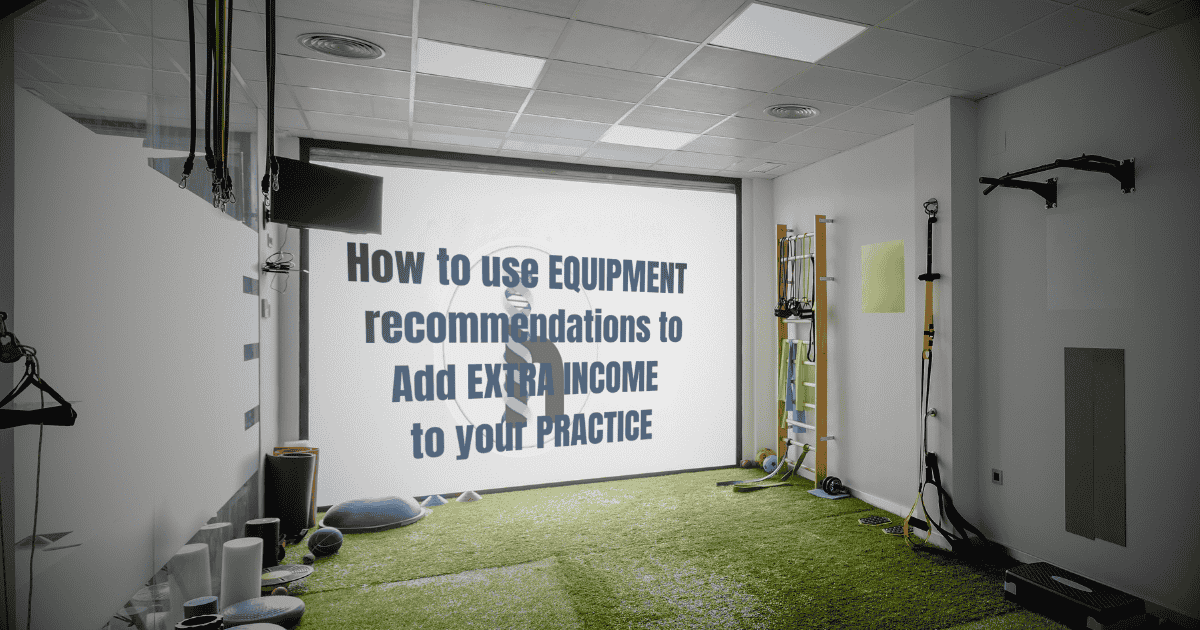
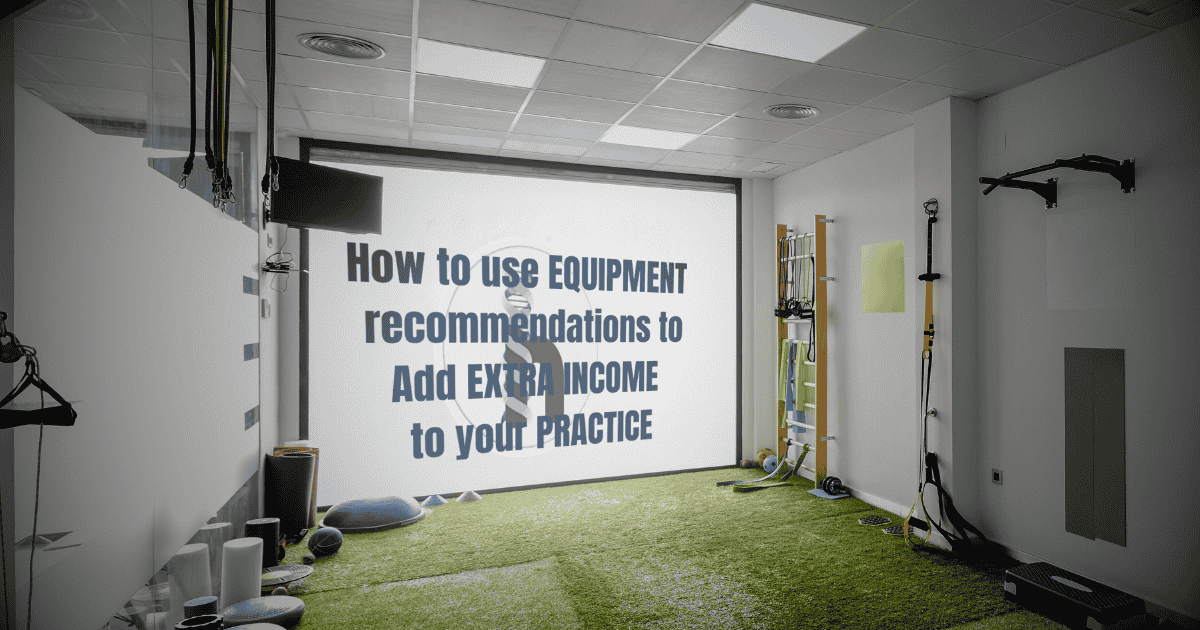
Product Recommendations to Generate Extra Income for Your Therapy Practice

Discover how therapists can increase their income through product recommendations and affiliate links, enhancing their practice while providing valuable resources to clients.

product recommendations for improving patient care and generating extra income in your therapy practice.

Massagers, walkers, cushions, foam rollers, putty are just some common items that each day you either order or recommend to patients. And likely, your patients are often asking you for all sorts of recommendations on products. In this article, we’ll give you several tips on how to appropriately add extra income to your practice through these equipment recommendations. 

Make sure it’s a product you’ve tested and love!

People trust you, and although not every product works perfectly for each person, you want to be able to confidently know that the product you recommend is one of the best out there. 

If you recommend a product solely based on the profit it may provide for you, that could damage your reputation and the relationship you have with your patients. 

Create a recommended products page on your website

Having a dedicated page on your website is the easiest and best way to recommend products. Each time a patient asks for the best rollator or foam roller, you can simply direct them to your page. 

By using this method, it’s easy and doesn’t feel salesy. 

Create affiliate links using Amazon or other direct sellers

Amazon is one of the quickest and easiest ways to generate what’s called an “affiliate link”. This is a special link that tells Amazon that someone has bought a product through your recommendation, and as a result, you should get a small percentage of the profits. Other companies have these similar links you can use as well, although you may have to email or contact certain companies to find out about their affiliate programs. 

But an affiliate link makes it very easy to generate passive income from your product recommendations. Let’s use Amazon as our example. Go to Amazon and sign up for their affiliate program. Search for a product you love, and click to create a special link. 

Once you have that link copied, you are going to return to your website, and your dedicated equipment page, and paste that link onto the page. You may have to do some small editing to get things to look just how you want them, but that’s it! 

Your patients won’t have to do anything different either. They’ll simply click on the item on your page and purchase, just as if it were a regular purchase. 

Provide “How to” Explainer Videos or Photos

A great way to provide extra value and reason to go to your recommended equipment page may be to include various tips or instructions on how to use the products you recommend. 

Another idea is to also include patient (no names of course unless they’ve consented) examples or testimonials of the product’s benefits. 

Create Personalized Product Recommendations

Every patient’s needs are different, so tailoring your recommendations to their individual recovery journey can make a huge difference. Take a few extra minutes to customize your product suggestions based on their condition or goals. This personalized touch can make your patients feel valued and appreciated. 

Track Your Best-Selling Items

Over time, you’ll notice which products are most popular among your patients. Keep track of the products that have the highest conversion rates so that you can adjust your recommendations accordingly. By consistently recommending products that your patients respond well to, you’ll increase the chances of them making a purchase through your affiliate links. 

Summary

Having a dedicated equipment page saves you time, helps your patient more easily find quality products that could benefit them, and at the same time could earn you extra income. We hope this helps you continue to grow your therapy business! 


Ready to Boost Your Income? 

Start implementing these strategies today to turn your product recommendations into a source of passive income! Create your recommended products page, sign up for affiliate programs, and personalize your suggestions to provide the best value to your patients. 

Looking for more ways to grow your practice and enhance your patient experience? Read more insights here. 

Virtual Reality Therapy: Transforming Rehabilitation and Patient Care

Discover how Virtual Reality Therapy enhances rehabilitation, pain management, and patient engagement. Learn about its benefits, applications, and implementation in clinical practice.

A therapist guiding a patient wearing an Oculus headset during a virtual reality therapy session

Virtual Reality Therapy (VRT) is revolutionizing patient care by providing immersive, interactive treatment solutions. This technology is making therapy for physical, neurological, and psychological conditions more effective and accessible. In this article, we explore the benefits, applications, cost considerations, and implementation of Virtual Reality Therapy.

What is Virtual Reality Therapy?

Virtual Reality Therapy (VRT) integrates virtual environments into treatment plans, improving patient outcomes. Patients wear VR headsets, immersing them in digital experiences that aid in motor function, pain management, cognitive training, and psychological therapy.

How Virtual Reality Therapy Works in Rehabilitation

VRT enables patients to engage in simulated environments, promoting recovery in a safe and controlled setting. This therapy is particularly effective for:

  • Neurological rehabilitation (e.g., stroke, traumatic brain injuries, Parkinson’s disease)

  • Orthopedic recovery (e.g., post-surgery rehabilitation, chronic pain management)

  • Mental health treatments (e.g., PTSD, phobias, anxiety disorders)

  • Balance and mobility training (e.g., vestibular therapy, fall prevention)

  • Pediatric developmental therapy (e.g., autism, cerebral palsy)

What are some companies that could you use for virtual reality?

There are several ways you could offer virtual reality in your clinic. One way would be to buy a headset, usually the Oculus headsets are the most recommended, are they run between $300-500 one off cost. And then you can pair that with the various apps you may find on the app store.

There are guided meditation, Les Mills workout, Holofit, fishing, and tons of other apps that are either free or very low cost.

The 2nd way to provide virtual reality is through companies such as Neuro Rehab VR.  The one con of this is that this software can be very expensive and often comes at a monthly cost. But the pro is that this was created for healthcare environments and includes more specific healthcare metrics and settings.

Benefits of Virtual Reality Therapy

Enhanced Patient Engagement & Motivation

 Faster Recovery & Improved Outcomes

Pain Reduction Through Distraction

    • VR therapy provides a distraction from pain, making rehabilitation sessions more comfortable and tolerable.

Real-World Application & Functional Training

    • VR creates scenarios that mimic real-life activities such as walking, shopping, and driving, helping patients regain independence.

Remote Therapy & Accessibility

How to Implement Virtual Reality Therapy in Your Practice

1.Choose the Right VR Equipment

2. Select the Best VR Therapy Software

    • For Physical Therapy: XRHealth, Neuro Rehab VR, MindMaze
    • For Mental Health Therapy: Limbix, Psious, Amelia Virtual Care
    • For Pediatric Therapy: Virtual Reality Autism Therapy, Magic Leap

3. Train Your Staff & Integrate VR into Sessions

4. Monitor Progress with VR Metrics

Many VR platforms offer tracking tools that measure patient movement, engagement, and progress, allowing therapists to refine treatment plans.

Cost & Insurance Considerations for Virtual Reality Therapy

How Much Does Virtual Reality Therapy Cost?

    • VR Headsets: $300 – $1,500 (one-time cost)

    • VR Software Subscriptions: $30 – $500/month

    • Medical-Grade VR Systems: $5,000 – $50,000+ (includes therapy-specific software and hardware)

Does Insurance Cover Virtual Reality Therapy?

Some insurance companies cover VR therapy under existing physical or mental health therapy codes, though coverage varies. Therapists should:

    • Use appropriate CPT codes for telehealth and digital therapy

    • Document VR therapy sessions clearly to justify medical necessity

    • Check reimbursement policies with payers like Medicare, Medicaid, and private insurers

Clinical Research Supporting Virtual Reality Therapy

Parkinson’s Disease & VR Rehabilitation

A 2019 study in Medical Science Monitor found that VR-based therapy improved balance and gait function more than conventional therapy for Parkinson’s patients. (Feng H, Li C, Liu J, et al.)

Virtual Reality for Vestibular Disorders

A meta-analysis of seven studies found VR to be a safe and effective tool for reducing vertigo symptoms and balance deficits. (Bergeron M, Lortie CL, Guitton MJ.)

Pain Management & VR Therapy

Multiple studies show VR therapy helps reduce chronic pain by altering pain perception and increasing movement tolerance.


Challenges & Considerations

Potential Barriers to VR Therapy Implementation

    • Cost of equipment & software may be high for smaller clinics.

    • Staff training required to ensure therapists effectively use VR.

    • Patient discomfort (e.g., motion sickness, VR adaptation time).

    • Lack of insurance standardization for VR therapy reimbursement.

Solutions

Conclusion: Is Virtual Reality Therapy Worth It?

Virtual Reality Therapy is a game-changer in rehabilitation, offering engaging, effective, and accessible treatment options. While challenges exist, clinics that invest in VR therapy can differentiate themselves, improve patient outcomes, and expand their services. With growing research and evolving insurance support, now is the time to integrate VR therapy into your practice.

Interested in bringing Virtual Reality Therapy to your clinic? Start small, explore available options, and see the impact firsthand!

Get Noticed! How to Set Up a Google Business Profile for Your Clinic

Learn how to set up your Google Business Profile to enhance your healthcare clinic’s online presence. This step-by-step guide helps improve local SEO, engage with patients, and boost credibility

Illustration of a healthcare professional setting up a Google Business Profile on a laptop, showcasing step-by-step guidance.

Healthcare is a highly personal industry where success depends on trust, integrity, and top quality clinical care.

Having an online presence is a great way to build credibility. Research shows 76% of consumers look at a business’s online presence before visiting in person. So it’s important for potential clients to be able to find authentic reviews, read your answers to users with questions or complaints, and get basic information like location and hours of operation.

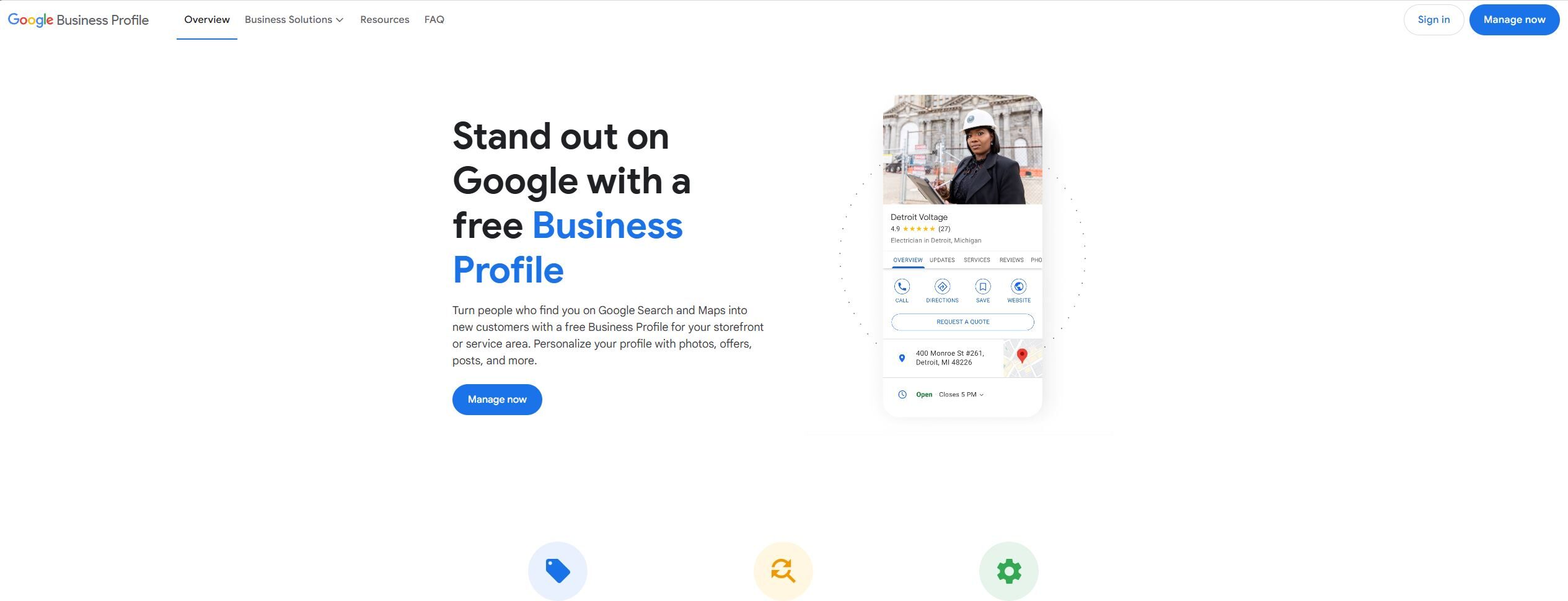
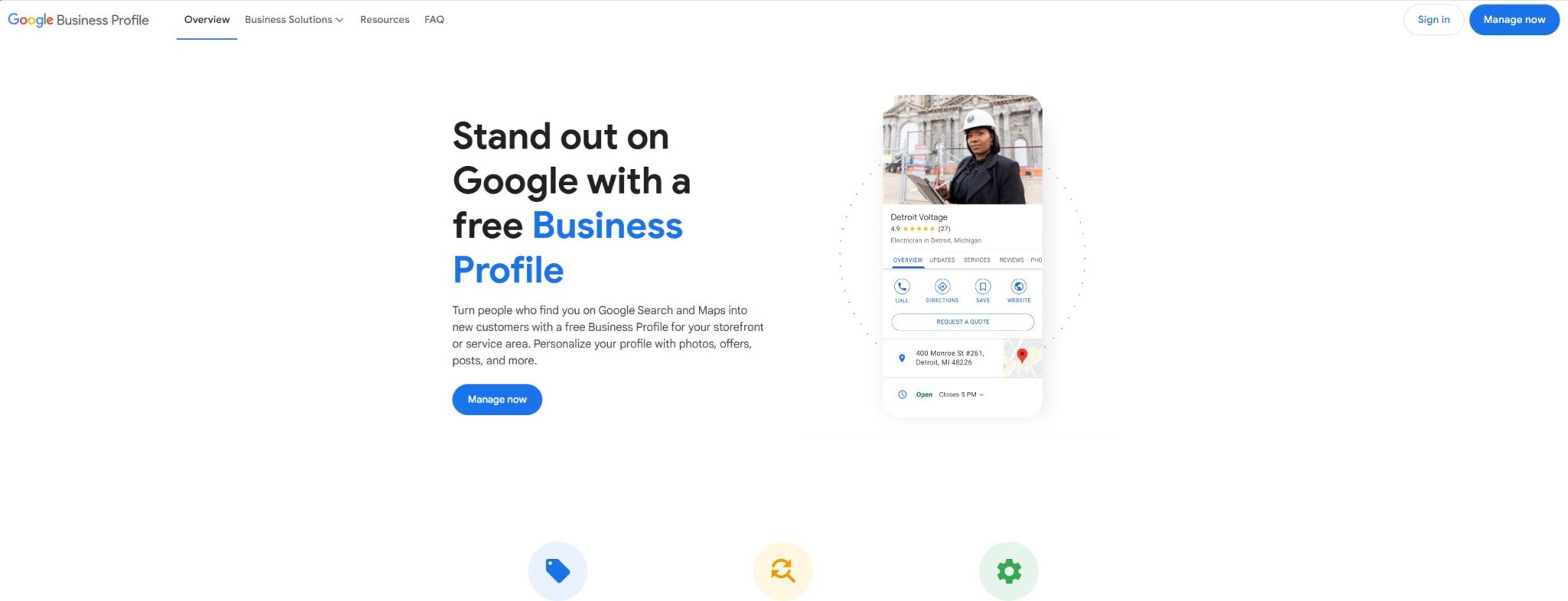
A strong Google Business Profile (formerly Google My Business) allows you to portray your services in a meaningful way.

Here’s a four-step process for setting up your Google Business Profile.

Step 1. Set up your Google Business account

Follow these steps to start setting up your account:

    • Register – If you don’t have a Google account, visit the Google Business portal and click Manage now to register. If you have a Google account, log in with your clinic account. If you use Gmail for your clinic, here’s a four-step process to ensure your Gmail is HIPAA compliant.
    • Add clinic details – Once you log in, you’ll have to enter basic information regarding your business. This includes the name, category, and various other details.
    • Enter your location – Google will prompt you to enter a location for your clinic. Make sure to enter the exact address and location pin. If your building has multiple businesses in it, make sure you mention the floor number, suite number, and other details that may help users find your clinic.
    • Add contact information – This includes your clinic’s complete address, phone numbers, and any other email addresses. Malicious emails are a serious cybersecurity risk and users will be reluctant to open an email if it seems it’s from an inauthentic source. Make sure any email addresses you add sound authentic and convey professionalism. Double-check the information you enter here.

When you’re done, check all your information and click the Finish button to establish your Google Business account.

Step 2. Verify your clinic

Verifying your clinic requires a physical check by Google. This is usually done by requesting a postcard be sent to your location at the address you entered in the last step.

To start the verification process:

  1. Sign in to your Google Business account.
  2. Click Verify now. Google shows you a prompt if you aren’t verified yet.
  3. Select your method of verification. You can verify through text, phone, email, video, or postcard.

Available verification methods depend on a number of factors, including region, business category, public information, volumes, and support hours. Google may ask you to verify with more than one method. However, as a clinic it’s likely you’ll have to use postcard verification in addition to at least one other method.

When you’re verified, Google will send you a notification. If your verification with one method was denied, try another method.

Verifications can take a few weeks, which means your updated business information may take some time to show up on your Google Business Profile.

Step 3. Optimize your Google Business Profile

If you want your clinic to be one of the top search results when users in your area search online, you need to optimize your Google Business Profile. This complements your marketing techniques and is an essential part of local SEO (search engine optimization). It can make the difference between a client visiting your clinic or your competitor.

It’s the same for any type of business. For example, if you were a retailer for medical scrubs based in Tulsa, Oklahoma, you’d want your GB Profile optimized so if a user searched for “medical scrubs Tulsa” Google would know to rank your business high in the SERPS (search engine results pages).

A properly optimized profile also helps you gain genuine reviews and ratings. These ratings help make your profile more credible and trustworthy, which is an indirect ranking factor for Google.

Here are a few ways you can optimize your clinic’s Google Business Profile:

    • Add media – Adding images and videos to your Google Business Profile gives it more authenticity, gives potential clients an idea of what your clinic is like, and helps people find your physical location. For example, if you have digital signage on your clinic that stands out, adding an image of it may help users easily find you.
    • Manage information – Add information like your clinic’s business hours, links for booking online appointments, and other services you offer. If possible, post photos and videos of your services.
    • Engage customers – Engaging with your patients online is a good way to provide information to others who may have similar questions. Reply to online reviews (especially negative ones), provide free advice occasionally, and encourage existing patients to leave a review.
    • Link to your Google Business Profile – If you have a working website, link back to your Google Business Profile. You can also embed it on your website so your location shows up on your site.

Step 4. Manage your Google Business Profile

Once you’re set up and your Google Business Profile is optimized, make a habit of checking your profile regularly so you can communicate with customers and respond to reviews.

Timely updates are important, and it’s crucial to interact with each review and comment you receive. You also have to make sure all your information remains in sync across various mediums, including your GB Profile, website, and other places where your clinic is registered.

Summary

While setting up your clinic’s Google Business Profile is one thing, optimizing and managing it is another.

Make sure your information is always up to date. Try to obtain patient reviews and testimonials on Google to strengthen your profile.

Most importantly, focus your local SEO efforts to further improve your ranking and optimization.

How To Start a Podcast: Step by Step Guide

Learn how to start a podcast as a therapist or assistant and amplify your impact! This guide covers the benefits of podcasting, from building your clinic’s reputation to reaching a global audience, and provides step-by-step instructions to start your podcast for free. Perfect for therapists looking to share expertise and grow their practice.

A therapist hosting a podcast, speaking into a microphone with headphones on, sharing insights on how to start a podcast.

How To Start a Podcast

Are you a therapist or assistant looking to learn how to start a podcast? Starting a podcast has many benefits, including reaching patients on a global scale, establishing yourself as an expert in your field, and creating an inexpensive way to promote your clinic. In this article, we’ll guide you through why, as a therapist or assistant, you should start a podcast and provide you with the exact steps on how to start a podcast today!

Why Should You Learn How to Start a Podcast?

There are many reasons why you should start a podcast. Below are the top 5 benefits for therapists and assistants:

  1. Create a Greater Impact on Society
    Podcasting allows you to reach a global audience at little to no cost. Learning how to start a podcast gives you the opportunity to educate, share your expertise, and provide valuable information to patients and professionals worldwide.
  2. Grow Your Clinic for Free
    By learning how to start a podcast, you create an inexpensive marketing tool. Once your podcast is published, it becomes available on platforms like Apple Podcasts, Google Podcasts, and Spotify, giving your clinic global visibility. Even better, podcast episodes remain online indefinitely, allowing you to attract clients continuously from one-time efforts.
  3. Position Yourself as an Expert
    Starting a podcast showcases your expertise in your niche. Telling patients and colleagues that you host a podcast helps establish credibility and sets you apart as a knowledgeable professional in your field.
  4. Build a Referral Network
    Learning how to start a podcast can help you create meaningful connections with other healthcare professionals. Inviting physicians, chiropractors, and other experts onto your podcast not only gives them free exposure but also establishes a bond that may lead to referrals.
  5. Share Your Passion and Knowledge
    Podcasting allows you to communicate directly with your audience. Whether you want to educate patients or inspire your peers, starting a podcast helps amplify your message and make a lasting impact.

How to Start a Podcast for Free

If you’re ready to learn how to start a podcast, follow these simple steps to get started without spending a dime:

  1. Define Your Niche or Topic
  2. Choose a Podcast Name
  3. Design Your Podcast Cover Art
  4. Plan Your First Episode
  5. Record and Edit Your Episode
  6. Upload to a Podcast Host

Let’s dive into each step in detail.

  1. Define Your Niche or Topic

When learning how to start a podcast, the first step is identifying your niche. For therapists, this often means focusing on the type of therapy you practice. For example:

  • If your clinic specializes in sports therapy, your podcast could center on sports recovery strategies.
  • If you’re an occupational therapist, you could focus on topics like ergonomics at work or managing chronic pain through therapy.

Having a clear and focused niche makes your podcast more engaging and easier to market.

  1. Choose a Podcast Name

The name of your podcast should reflect its purpose and niche. For example, if your podcast focuses on mental health, consider a name like “Mind Matters Therapy Podcast” or Clinictalk.” Remember to include keywords that make your podcast easy to find.

When learning how to start a podcast, research other podcast names within your niche for inspiration. A clear and descriptive name improves your chances of being discovered by listeners.

  1. Design Your Podcast Cover Art

Your podcast cover art is the first thing potential listeners see. Use free tools like Canva.com to create professional-looking artwork that reflects your niche. As of 2022, the recommended dimensions for podcast cover art are 3000×3000 pixels.

When designing your cover art, keep it simple and professional. If your podcast is about therapy, incorporate calming colors and therapy-related imagery.

  1. Plan Your First Episode

Now that you know how to start a podcast, it’s time to plan your first episode. Decide on the format:

  • Solo Episodes: You present the content yourself.
  • Interview Format: Invite guests to share insights and experiences.
  • Co-Hosting: Partner with a colleague to create engaging conversations.

Write an outline or bullet points to guide your episode. Planning ensures you deliver valuable content that keeps listeners engaged.

  1. Record and Edit Your Episode

To record your podcast, you’ll need software:

  • Mac Users: Use GarageBand (free).
  • PC Users: Use Audacity (free).

Record your episode, edit out any mistakes, and save the final version as an MP3 file. If you’re unsure how to use these tools, YouTube offers free tutorials to help you get started.

  1. Upload to a Podcast Host

The final step in learning how to start a podcast is uploading your episode to a podcast hosting platform. Anchor.fm is a free and user-friendly option that distributes your episodes to major platforms like Spotify, Apple Podcasts, and Google Podcasts.

Anchor.fm also allows you to monetize your podcast through advertising. While there are many paid hosting platforms, Anchor is a great starting point for beginners.

Final Thoughts on How to Start a Podcast

By following these steps, you can start a podcast that helps grow your clinic, builds your reputation, and connects you with a broader audience. Whether you’re a seasoned therapist or just starting out, podcasting is a powerful tool for sharing your expertise and making a difference.

We hope this guide on how to start a podcast inspires you to take action and launch your first episode today!

How to Add More OT Niches to Your Practice

Explore how to expand your occupational therapy practice by adding specialized OT niches like home modifications, ergonomics, low vision, and more. Learn how to integrate Electronic Medical Records (EMR) to streamline patient care and enhance the efficiency of your practice. Discover the benefits of niching down and how EMR can support your efforts in offering personalized, high-quality services for patients with specific needs.

Occupational therapy OT niches including home modifications, ergonomics, and low vision, supported by EMR for better patient management."

There is a common saying, “the niches are in the riches,” and this is no exception in the occupational therapy (OT) profession. As an OT, COTA, or OTA, you have a wealth of knowledge that can be translated into numerous OT niches. Each niche can not only help grow your business but also enable you to deliver targeted care to a variety of patient populations. In this article, we’ll highlight some of the most lucrative OT niches you could add to your occupational therapy practice and how using an EMR system can streamline these services.

Home Modifications:

If you’ve ever wanted to help seniors live safer and longer within their home, offering home modifications is an ideal OT niche. By offering this service, you can recommend safety adjustments such as chair glides, second stair rails, tub benches, raised toilet seats, and ramps.

This is an easy niche to integrate into your practice. For instance, during a routine evaluation, if a patient reports difficulty going up stairs or has fallen while transferring in the bathroom, you could suggest a home safety evaluation. From there, you can assess their home, provide recommendations, and document the process using your EMR system to track progress and follow-up.

While certifications are not required to offer home modifications, many OTs choose to pursue the Certified Aging in Place Specialist (CAPS) certification to provide more comprehensive service and gain visibility through the CAPS provider directory.

Ergonomics:

Another profitable OT niche is ergonomics, especially for patients who suffer from chronic neck, shoulder, elbow, wrist, or carpal tunnel symptoms—common issues among those who sit at a desk for long hours.

Like home modifications, no certification is required to offer ergonomic assessments, but specialized training, such as that provided by the Back School, can improve your skills in evaluating posture and recommending ergonomic solutions.

Ergonomics services can be offered to corporate clients as well as individuals. For example, during patient evaluations, if you identify signs of poor workstation setup, you could suggest an ergonomic assessment to reduce or prevent further symptoms. The EMR system will allow you to document each assessment and provide customized follow-ups.

Low Vision:

Low vision is a significant issue that can compromise safety and daily activities for individuals. As an OT, you can assist these patients by providing therapy focused on balance, strength, daily planning, caregiver training, and home modifications.

If you are passionate about working with individuals with low vision, you can pursue certification as a Low Vision Specialist to deepen your knowledge and improve your ability to serve this niche. Additionally, your EMR system will be essential in documenting patient progress, tracking goals, and coordinating care effectively.

Driver Rehabilitation:

Helping patients regain the ability to drive after a stroke, major surgery, or other medical events is a highly specialized OT niche. Few therapists hold the Certified Driver Rehabilitation Specialist certification, making this a unique and valuable service that can help your practice stand out.

By using an EMR system, you can streamline the evaluation process, monitor progress, and keep track of necessary follow-up actions for driver rehabilitation patients. This integration will enhance the quality of care provided and ensure the safety of patients as they return to driving.

Lymphedema and Cancer Recovery:

Lymphedema and cancer recovery are rapidly growing areas where OT services can make a significant impact. In fact, in 2010, there were over 2.5 million breast cancer survivors in the United States, and the rates of cancer are only increasing. OT can play a vital role in rehabilitation, offering strengthening, flexibility, home modification adjustments, assistive devices, caregiver training, and emotional support.

Lymphedema is often associated with cancer recovery, and treating these conditions requires specialized knowledge. Many OTs choose to pursue the Certified Lymphedema Therapist (CLT) certification to provide higher-quality care.

With the right EMR system, you can ensure that treatment plans for lymphedema and cancer recovery patients are well-documented and tracked efficiently, helping you deliver better care and improve patient outcomes.

Women’s Health:

The field of women’s health is a rapidly expanding OT niche, particularly in areas such as post-natal rehabilitation, pelvic floor therapy, and pregnancy-related care. Many OTs and assistants are finding success by providing specialized services to this population.

While you don’t need additional certifications to treat women’s health conditions, certifications like those for pelvic health can enhance your ability to serve this niche. EMR systems help you maintain detailed records, track patient progress, and ensure comprehensive care for women’s health patients.

Memory Deficits:

Memory deficits, particularly in cases of Alzheimer’s disease or other forms of dementia, are becoming a growing concern in healthcare. OTs can provide crucial services such as cognitive training, daily memory exercises, caregiver support, and home modifications.

While specialized education is not required to address memory deficits, certifications like the Certified Dementia Specialist can provide you with the tools to deliver more effective care. With the help of an EMR system, you can maintain detailed documentation, track progress over time, and collaborate with other healthcare providers to offer the best care possible.

Conclusion:

Expanding your practice by adding specialized OT niches such as home modifications, ergonomics, low vision, driver rehabilitation, lymphedema, cancer recovery, women’s health, and memory deficits can significantly enhance the care you provide to patients. Each niche offers a unique opportunity to serve specific populations while expanding your therapy practice. By integrating an EMR system into your workflow, you can streamline patient management, track progress, and deliver more personalized care, all of which will contribute to the growth and success of your occupational therapy business.

Top 5 Ways to Gather Testimonials and Patient Reviews for Your Clinic

Learn the top ways to gather impactful testimonials and patient reviews to enhance your clinic’s reputation and attract more patients. Discover actionable strategies like in-office requests, automated emails, social media outreach, and more to boost trust and grow your practice effectively.

A therapist interviewing a patient to gather testimonials for a clinic’s services.

If you’re a private practice owner, one of the best ways to attract new patients and grow your clinic is through testimonials and patient reviews. These valuable pieces of feedback not only showcase the quality of your services but also help establish trust and credibility for your practice.

But when was the last time you actively sought out patient testimonials or asked for reviews? If it’s been a while, don’t worry—we’re here to help. In this article, we’ll explore the top 5 ways to gather testimonials and patient reviews to enhance your clinic’s reputation and attract more patients.

Distinguishing Testimonials and Patient Reviews

Before diving in, it’s important to understand the difference between testimonials and patient reviews.

Although they differ, the two often overlap—many testimonials can be pulled directly from patient reviews.

Top 5 Ways to Gather Testimonials and Patient Reviews

  1. Ask During the Appointment

A great time to gather a testimonial or a patient review is during the patient’s visit. Direct feedback during an appointment allows you to express your gratitude and address any concerns they may have.

If a patient shares positive feedback, ask if they’d be willing to turn it into a testimonial or leave a review online. Remember, according to BrightLocal, 7 out of 10 people will leave a review if asked!

  1. Send Automated Emails

Automated emails are an excellent way to request testimonials and patient reviews. Use email platforms like MailerLite or Mailchimp to personalize your messages and include direct links to your review page.

Make it easy for patients to leave feedback by providing instructions and examples. For instance:

  • “We’d love to feature your testimonial on our website!”
  • “Your feedback in a patient review helps us grow and serve you better.”
  1. Add Review Features to Your Website

Incorporate a dedicated space for testimonials and patient reviews on your website. A call-to-action (CTA) button placed on frequently visited pages can direct patients to a landing page where they can submit their feedback.

This ensures you’re gathering both testimonials for marketing and reviews for third-party platforms in a streamlined way.

  1. Leverage Social Media

Social media platforms like Facebook and Instagram are perfect for requesting testimonials and patient reviews. Post regularly to encourage followers to share their experiences. Include direct links to your review page to make the process seamless.

  1. Use Text Messages

Text messaging is another effective way to collect patient reviews and testimonials, especially for patients who prefer quick communication. A short, friendly text with a direct link can result in more reviews than you’d expect.

For instance:

  • “We’d love your feedback! Click here to leave a quick testimonial: [Insert Link].”
  • “Help us grow by sharing your experience in a patient review: [Insert Link].”

Why Testimonials and Patient Reviews Matter

Patient reviews and testimonials are essential for growing your practice. They highlight your clinic’s strengths, establish trust, and encourage potential patients to choose your services.

As motivational speaker Dr. Wayne Dyer once said, “Your reputation is in the hands of others.” By actively gathering testimonials and patient reviews, you ensure your clinic’s reputation reflects the excellent care you provide.

Conclusion

Start implementing these strategies today to collect more testimonials and patient reviews. Whether through direct conversations, automated emails, or social media, your efforts will pay off as your clinic’s reputation grows.

5 Proven Marketing Techniques for Outpatient Physical Therapy Clinics

Boost your outpatient physical therapy clinic’s success with these five proven marketing techniques. From building a professional website to leveraging social media and word-of-mouth referrals, discover actionable strategies to attract new patients and grow your practice.

Man holding a pen, pointing to text with the title "5 Proven Marketing Techniques for Outpatient Physical Therapy Clinics.

Whether you are a first-time clinic owner or a veteran, marketing can truly help to either make or break your outpatient physical therapy clinic. Marketing, both online and offline, is essential for spreading the word about your services and bringing new referrals into your practice. New referrals mean new patients and continued business, which are crucial for keeping your clinic thriving.

Historically, therapy marketing efforts focused heavily on physician referrals. However, with direct access to physical therapy now available in several states, modern marketing techniques tailored for outpatient physical therapy clinics must be adopted. These strategies, combined with the integration of an EMR (Electronic Medical Records) system, can streamline operations and improve patient care while driving community engagement.

Below are five marketing techniques to increase visibility and attract more patients to your outpatient physical therapy clinic.

1. Create a Website for Your Outpatient Physical Therapy Clinic

In today’s digital world, a strong online presence starts with a well-designed website. When potential patients search for outpatient physical therapy services, they often turn to the internet first.

Your website should include essential information about your clinic, such as who you are, what services you provide, and what makes your practice stand out. Additionally, include patient testimonials, as they build credibility and trust. Ensure your website has an interactive component, such as a contact form, to allow potential patients to reach out easily.

An integrated EMR system can further enhance your website by enabling online appointment scheduling and secure patient communication, making your clinic more accessible to the community.

2. Utilize Social Media to Promote Outpatient Physical Therapy

Social media platforms like Facebook, Instagram, LinkedIn, and TikTok are excellent tools to promote your clinic. Creating a dedicated page for your outpatient physical therapy clinic allows you to share educational posts, videos, and links to your website.

Posting content related to your clinic’s specialties—such as tips for pain management or rehabilitation exercises—can attract and engage potential patients. Use a call-to-action in every post to guide viewers to your website or EMR-enabled patient portal.

Additionally, webinars and blog posts on trending topics (e.g., benefits of physical therapy for specific conditions) can establish your clinic as an authority in the field. Repurpose this content for future social media posts or newsletters to maintain consistent engagement.

3. Partner with Local News Stations for Community Outreach

Getting featured on local news channels can significantly increase awareness of your outpatient physical therapy clinic. News stations often look for compelling community stories or educational content.

You could gain attention by organizing local events, such as free therapy workshops or charity fundraisers, or by pitching an educational segment about the benefits of physical therapy. Highlight how your clinic leverages modern tools like EMR systems to improve patient care and outcomes.

This approach not only builds awareness but also establishes trust with potential patients, especially among older populations who may prefer traditional media.

4. Encourage Word-of-Mouth Referrals

Word-of-mouth referrals remain one of the most effective marketing tools for outpatient physical therapy clinics. Offering incentives like discounts or small gift cards can encourage your current patients to refer friends and family.

With an EMR system, tracking referral sources becomes simpler. You can analyze referral trends and optimize your strategies to boost new patient acquisition. According to HubSpot, “90% of people believe brand recommendations from friends,” making this an invaluable method for expanding your client base.

5. Attend Networking Events to Expand Connections

Networking with other professionals can open doors to new opportunities for your outpatient physical therapy clinic. Collaborating with wellness professionals, such as chiropractors and nutritionists, can help you reach a broader audience.

An EMR system can support this strategy by providing data insights into patient demographics and referral patterns. Use these insights to highlight your clinic’s strengths when forming partnerships. While large events may still be limited, virtual networking groups and smaller local events can still provide valuable connections.

Why EMR Integration is Vital for Outpatient Physical Therapy Clinics

Integrating an EMR system into your outpatient physical therapy clinic enhances both operational efficiency and patient care. EMR systems offer features like:

    • Automated appointment scheduling and reminders.
    • Streamlined billing and coding processes.
    • Real-time tracking of marketing and referral metrics.

By leveraging these tools, you can focus on implementing effective marketing strategies while reducing administrative burdens.

Conclusion

Marketing an outpatient physical therapy clinic requires a mix of traditional and modern approaches. By creating a strong online presence, utilizing social media, engaging with local media, encouraging referrals, and attending networking events, you can significantly boost your clinic’s visibility and patient base.

Integrating an EMR system into your practice not only enhances these efforts but also ensures efficient clinic management. With the right strategies and tools, your outpatient physical therapy clinic can thrive in today’s competitive landscape.

You've found a hidden discount!

  • 00Hours
  • 00Minutes
  • 00Seconds