


















Celebrating America’s 250th Birthday!

You've found a hidden discount!

HN Unlock Layer 1
HN Unlock Layer 2
HN Unlock Layer 3
HN Unlock Layer 4
HN Unlock Layer 5
  • 00Hours
  • 00Minutes
  • 00Seconds

Clearinghouse Switching: A Game-Changer for Therapy Billing and Revenue Cycle Management

Clearinghouse switching is a pivotal feature in the world of therapy billing and revenue cycle management, where efficiency and flexibility are crucial for maintaining steady cash flow and reducing costly claim denials. This capability, which sets advanced EMR solutions apart, allows clinics to seamlessly transition between multiple clearinghouses without disrupting operations, directly impacting the speed and success of getting paid.

For physical therapy, occupational therapy, and speech-language pathology practices, having such flexibility on demand provides greater financial control, faster reimbursements, and fewer claim processing issues. This article explores why the ability to switch intermediaries is a game-changer, how to reduce claim denials in therapy billing using this approach, how it benefits therapy practices, and why it should be a key factor in choosing an EMR system.


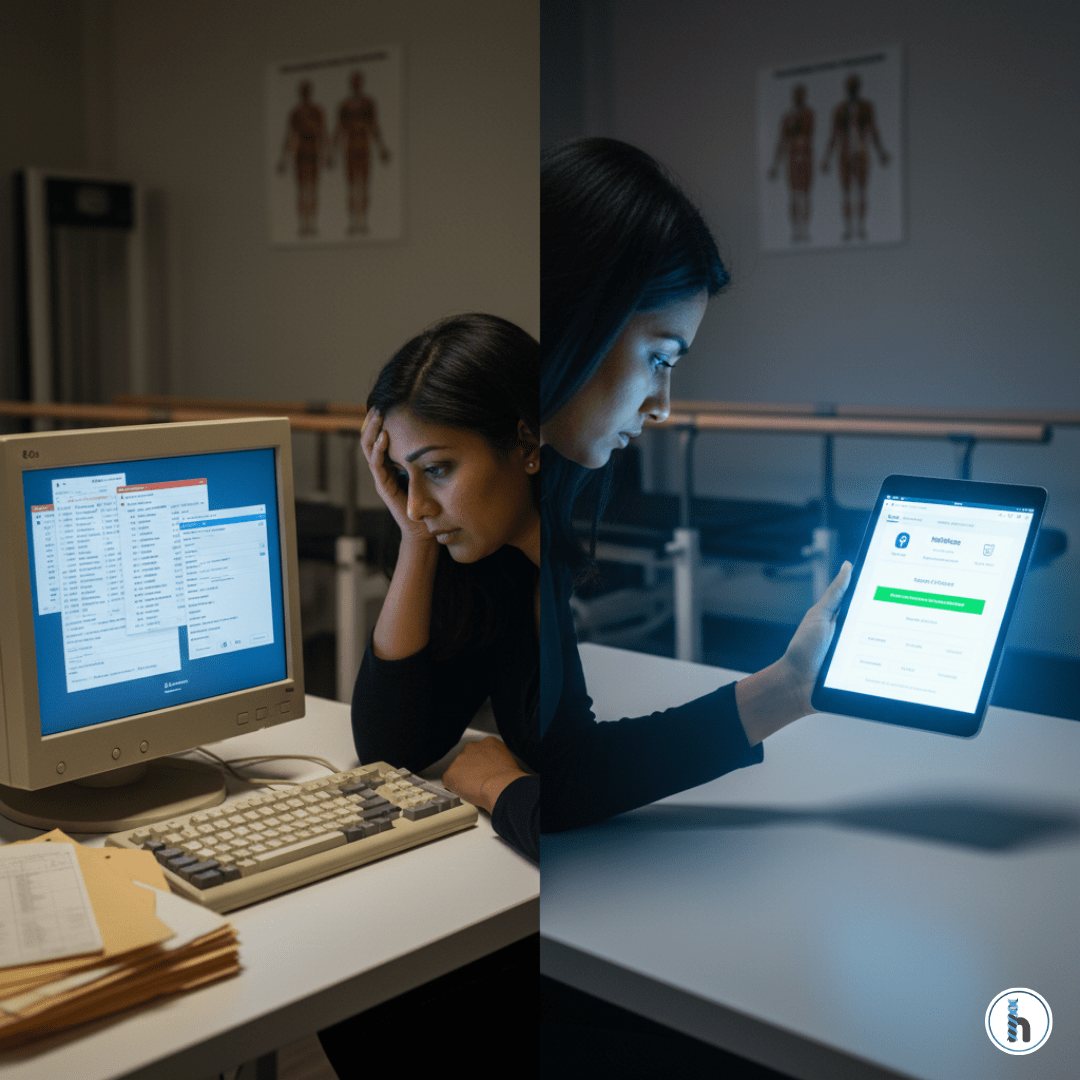
Conceptual image: HelloNote EMR transforms stacks of therapy claim denials into approvals, symbolizing improved reimbursements through efficient processes like clearinghouse switching.

What Is Clearinghouse Switching?

A clearinghouse is an intermediary between healthcare providers and insurance payers, helping to submit claims, verify patient eligibility, and detect errors before claims reach insurers. Traditionally, practices lock into a single clearinghouse, limiting flexibility and sometimes leading to delayed reimbursements or avoidable claim denials due to system inefficiencies.

This advanced system allows therapy clinics to:

Choose the best intermediary for their needs (e.g., Inovalon for Medicare, Trizetto for commercial payers) instead of being tied to just one.
Reduce claim rejections by selecting an intermediary with better claim acceptance rates for specific payers.
Adapt quickly if their primary clearinghouse experiences downtime or inefficiencies.
Optimize payment speed by selecting an option known for faster processing times for certain payers.

Instead of being forced into one-size-fits-all billing, having flexible intermediary options gives therapy clinics more control over their revenue cycle and financial health.

Why is the Ability to Switch Clearinghouses Crucial for Therapy Practices?

This operational advantage directly addresses several common frustrations in therapy billing and significantly impacts the bottom line.

1. Eliminates Clearinghouse Lock-In

Many EMR systems restrict therapy practices to a single clearinghouse partner. This can lead to billing inefficiencies and delays if that provider has:

Slow claim processing times
Higher rates of claim rejections
Limited payer connectivity

Having multiple options removes these limitations, allowing therapy practices to select the best partner for different payers, ultimately improving the rate of successful reimbursements.

2. Reduces Claim Denials and Rejections

If a clinic’s current intermediary has high rejection rates for certain payers, selecting another with better acceptance rates for those specific claims can significantly improve cash flow and reduce unpaid claims. This flexibility is key if you’re asking how to reduce claim denials in therapy billing effectively.

For example:

Provider A may process Medicare claims faster with fewer issues, while Provider B has better performance with specific commercial insurers.
With the means to select the optimal route, clinics can direct claims through the most efficient channel, reducing errors and increasing approval rates, leading to fewer frustrating claim denials.

3. Increases Revenue Collection Speed and Reimbursements

A slow clearinghouse can delay payments by weeks or even months, creating cash flow challenges. Changing to an intermediary with faster claim processing for key payers can:

Accelerate revenue collection
Reduce days in accounts receivable
Improve overall financial stability through quicker reimbursements.

For high-volume therapy practices, faster payment cycles are essential for sustainable business growth.

4. Provides Flexibility During Clearinghouse Downtime

Clearinghouses sometimes experience technical issues or processing delays. Being locked into one provider means clinics are stuck waiting, potentially halting their billing operations.

With the option to reroute, therapy practices can immediately send claims to another functional intermediary without significant delays, ensuring more consistent cash flow and uninterrupted billing.

5. Expands Payer Connectivity and Options

Some intermediaries have limited partnerships, restricting clinics from billing certain insurance providers efficiently. Using an EMR that supports multiple connections can:

Allow selection of providers that work optimally with target insurance payers
Increase the number of payers that can be billed smoothly
Maximize opportunities for reimbursements

This is especially beneficial for clinics expanding services or working with a diverse payer mix.

How This Feature Sets Advanced EMRs Apart

Most standard EMR systems force practices into a single clearinghouse agreement. However, advanced EMRs offer this built-in flexibility, empowering clinics to:

Avoid being trapped with a poorly performing provider.
Optimize claim approvals and reduce claim denials by choosing the most effective path for each payer.
Minimize cash flow disruptions by instantly redirecting claims during system downtimes.

Such a capability is particularly valuable for therapy practices needing efficient processing for high patient volumes and diverse payer mixes.

HelloNote EMR: Leveraging Clearinghouse Switching for Fewer Claim Denials

HelloNote EMR integrates robust clearinghouse switching capabilities to give therapy clinics unparalleled billing flexibility and efficiency. With HelloNote EMR, practices can:

Choose from multiple integrated clearinghouses, including Inovalon, Trizetto, and ClaimMD, to ensure maximum claim acceptance.
Benefit from intelligent routing suggestions based on payer performance (where applicable).
Prevent billing interruptions by easily changing intermediaries if one experiences delays.
Enhance the speed of reimbursements by optimizing claim pathways.

This specific function within HelloNote EMR ensures that therapy practices stay in control of their revenue cycle, making billing more efficient and reducing common causes of claim denials.

Looking for an EMR that optimizes billing and helps reduce claim denials? Book a free demo of HelloNote EMR today!

Final Thoughts: Optimizing Reimbursements with Clearinghouse Flexibility

The ability to choose and change claim intermediaries is a powerful tool for therapy practices looking to streamline billing, minimize claim denials, and improve cash flow. By selecting an EMR system with this core function, therapy clinics can:

Eliminate clearinghouse lock-in and maximize payment rates.
Reduce denials by selecting the most effective intermediary for each payer situation.
Maintain financial stability with uninterrupted claim processing for faster reimbursements.

As billing and insurance requirements evolve, therapy practices need control over their revenue cycle. Access to flexible claim submission options is no longer a luxury—it’s essential for financial success.

Chiropractic for Seniors: Enhancing Mobility, Posture & Function

Female therapist guides smiling senior man through a floor exercise on a mat, illustrating active rehabilitation in Chiropractic for Seniors

As the aging population continues to grow, healthcare professionals are increasingly focused on interventions that preserve mobility, reduce pain, and enhance overall function within geriatric care. Chiropractic treatment has become an integral component in the management of age-related musculoskeletal issues. This guide explores Chiropractic for Seniors, offering older adults a conservative and often effective approach to maintaining independence.

Seniors frequently experience limitations caused by joint degeneration, reduced flexibility, and poor postural alignment. These conditions contribute not only to physical discomfort but also to a decline in balance and increased fall risk. Appropriate chiropractic techniques, delivered with consideration for the physiological changes of aging, can play a meaningful role in mitigating these challenges.

Common Musculoskeletal Issues in Seniors

The most prevalent conditions addressed through chiropractic care in older adults include:

    • Osteoarthritis and degenerative joint disease

    • Lumbar and cervical spondylosis

    • Spinal stenosis and intervertebral disc degeneration

    • Chronic low back or neck pain

    • Kyphosis, forward head posture, and general postural decline

    • Gait dysfunction and balance impairments

These issues often lead to decreased engagement in activities of daily living (ADLs), compounding physical and psychological decline. Early intervention with targeted manual therapy can reduce symptom burden and improve function.

Enhancing Mobility Through Chiropractic Interventions

One of the primary goals in geriatric chiropractic is to maintain or restore mobility. Chiropractors trained in working with older adults utilize gentle mobilization techniques to reduce stiffness and improve joint function. Low-force adjustments, drop table methods, and instrument-assisted adjustments are commonly used to address restrictions without placing stress on compromised bone structures.

In addition to spinal adjustments, extremity mobilization may be incorporated to address shoulder impingement, hip stiffness, or restricted ankle dorsiflexion. Improving range of motion in these areas can have a direct impact on gait quality, stair navigation, and overall stability.

Posture Correction and Functional Alignment

Age-related postural changes, particularly thoracic kyphosis and anterior head carriage, are more than cosmetic issues. Poor alignment affects breathing mechanics, spinal loading, and balance. Chiropractic care aims to reduce compensatory patterns by addressing the biomechanical sources of dysfunction.

Key Interventions for Posture Correction

    • Targeted spinal adjustments to restore segmental mobility

    • Soft tissue work to release hypertonic muscles

    • Education on body mechanics and ergonomics

    • Prescribed home exercises to reinforce alignment gains

Combining manual therapy with posture training enables seniors to hold therapeutic gains longer and function more effectively in daily environments.

Improving Joint Health and Pain Modulation

Cartilage degradation, reduced synovial fluid production, and ligament laxity all contribute to joint pain in older adults. While chiropractic cannot reverse these changes, it can support joint health by promoting movement and improving alignment. Joint mobilization has been shown to enhance proprioceptive input, reduce pain signaling, and increase circulation to periarticular tissues.

Pain relief achieved through conservative care may also reduce the need for long-term analgesic use, particularly NSAIDs, which pose gastrointestinal and renal risks in elderly populations.

Fall Risk Reduction and Balance Support

Fall prevention remains a major priority in geriatric care. Balance impairments often stem from a combination of sensory decline, muscular deconditioning, and poor posture. Many ask, ‘does chiropractic help seniors with balance?’ Chiropractic interventions that address spinal alignment, vestibular input, and proprioceptive function can contribute to improved postural control.

Therapists may use balance testing protocols and reassess outcomes periodically to measure effectiveness. Incorporating vestibular challenges or dynamic balance exercises post-adjustment can further enhance outcomes.

Evidence Supporting Geriatric Chiropractic Benefits

Clinical literature supports the efficacy and safety of chiropractic treatment for seniors when appropriately delivered. A longitudinal study published in the Journal of Manipulative and Physiological Therapeutics found that older adults who used chiropractic services had fewer declines in ADLs and reported higher self-rated health, highlighting key geriatric chiropractic benefits.

Additional research in The Spine Journal has shown that spinal manipulative therapy is effective for reducing chronic low back pain in older populations, with low risk of adverse events when contraindications are respected.

Contraindications and Clinical Caution

Not all seniors are candidates for spinal manipulation. Conditions that warrant caution or referral include:

    • Severe osteoporosis or history of vertebral compression fractures

    • Unstable spinal segments

    • Vascular pathologies such as vertebrobasilar insufficiency

    • Advanced rheumatoid arthritis or active joint inflammation

Clinicians should perform detailed evaluations and may utilize imaging, bone density data, and interdisciplinary consultation to ensure safety.

Multidisciplinary Collaboration in Geriatric Care

Effective geriatric care of the older adult involves more than manual therapy. Chiropractors often work in coordination with physical therapists, occupational therapists, and primary care providers to ensure integrated management.

How HelloNote Facilitates Collaboration

In clinics where therapists use EMRs like HelloNote EMR, multidisciplinary communication is streamlined. This system allows for:

    • Centralized documentation across multiple providers

    • Functional outcome tracking (e.g., ROM, balance scores)

    • Secure sharing of treatment plans with referring physicians

This integration ensures that all providers involved in a senior’s care have access to updated records and can contribute to coordinated treatment planning.

Documentation and Workflow Efficiency with HelloNote

Chiropractors managing older patients often deal with complex cases involving comorbidities and multiple care settings. HelloNote EMR is equipped with tools that facilitate:

Key HelloNote EMR Features for Geriatric Documentation

    • Custom templates for geriatric assessments

    • SOAP note standardization for consistent documentation

    • Integrated billing codes that reflect Medicare compliance

  • Real-time progress tracking with visual reporting for outcome review

These features are particularly useful in outpatient rehab or senior-focused clinics where documentation and reporting are essential for both reimbursement and continuity of care.

How HelloNote Supports Geriatric Chiropractic Practices

For practices treating older adults, having a system like HelloNote EMR offers clear operational and clinical advantages. Therapists can track changes in balance, mobility, and postural outcomes over time using built-in outcome measures. Automated reminders for reassessments ensure patients are progressing, and administrative teams benefit from simplified billing processes that reduce claim errors. The ability to document telehealth sessions is especially beneficial for homebound or transportation-limited patients. These integrated tools position HelloNote EMR as a valuable partner in delivering effective and compliant geriatric care.

Training and Specialization

Clinics offering chiropractic services for seniors should ensure that providers are trained in low-force techniques and aware of age-specific risks. Continuing education in geriatric care, fall prevention, and postural rehabilitation enhances treatment safety and efficacy.

Some chiropractors choose to pursue certification in geriatric chiropractic through professional organizations, which reinforces clinical confidence in treating this population.

Practical Considerations for Clinic Setup

To serve senior populations effectively, clinics should consider:

    • Accessible treatment areas with non-slip flooring

    • Tables that accommodate limited mobility

    • Handrails and adaptive equipment where necessary

    • Clear signage and welcoming environments for older adults

Patient education materials should also be age-appropriate and include large fonts, simplified language, and visual aids when possible.

Conclusion

Chiropractic for Seniors offers significant benefits for older adults when tailored to their specific anatomical and functional needs. With careful screening, modified techniques, and a collaborative care model, chiropractors can improve mobility, reduce pain, and support better posture in aging patients.

By leveraging a modern EMR system like HelloNote EMR, clinics can enhance their operational workflows, improve communication with other providers, and deliver higher quality, more compliant care. In a healthcare landscape where demand for senior services is growing rapidly, integrating chiropractic approaches into a broader wellness plan is both clinically and financially strategic.

More Than Muscle Deep: The Science of Massage Therapy and Its Untapped Potential in Rehabilitation and Mental Well Being

Conceptual image showing therapist applying gentle touch to relaxed patient, visualizing the nervous system benefits of **massage therapy in rehabilitation** via glowing pathways.

Addressing the Whole Patient in Rehabilitation

As physical, occupational, and speech therapists, we’re dedicated to helping patients regain function, mobility, and communication. While we target physical recovery from injuries, surgeries, or health conditions, we often see progress complicated by factors beyond the primary diagnosis. Persistent pain fueled by stress, functional limits increased by anxiety, or recovery stalls linked to mood or sleep issues are common challenges. Recognizing this powerful mind-body connection is vital, suggesting that exploring complementary approaches could significantly enhance our effectiveness.

Understanding the science behind massage therapy in rehabilitation reveals it’s far more than just a tool for relaxation or muscle soreness relief. It possesses a robust scientific foundation demonstrating profound effects on the nervous system and mental state. For rehabilitation professionals and clinic administrators, grasping this science isn’t just academically interesting; it unlocks potential pathways to better patient outcomes, increased engagement, and a more holistic, effective approach to care. This article delves into the mechanisms behind massage therapy and explores its valuable, often underutilized, role in supporting the mental well being of the patients we serve within the rehabilitation context.

The Neurophysiological Symphony: How Massage Influences the Nervous System

The power of skilled touch extends far beyond superficial relaxation. Massage therapy directly influences the autonomic nervous system (ANS), orchestrating a shift away from the sympathetic “fight or flight” state towards the parasympathetic “rest and digest” state. This shift is critical for patients navigating the stresses of recovery and pain. Here’s how:

Stress Hormone Reduction

This is key to understanding how massage reduces cortisol rehabilitation. Research consistently shows that massage therapy decreases levels of cortisol, the body’s primary stress hormone. Chronically elevated cortisol contributes to inflammation, heightened pain perception, muscle tension, impaired tissue healing, and sleep disturbances—all significant barriers in rehabilitation. Lowering cortisol via massage creates a physiological environment more conducive to healing and recovery within the rehabilitation journey.

Boosting “Feel Good” Neurotransmitters

Massage stimulates the release of serotonin and dopamine. Serotonin plays a vital role in mood regulation, anxiety reduction, and promoting feelings of calm. Dopamine is associated with pleasure, motivation, and reward. Increased levels can improve a patient’s mood, outlook, and motivation to participate actively in their therapy program.

Endorphin Release

Massage encourages the production of endorphins, the body’s natural opioids. These neurochemicals act as potent analgesics (pain relievers) and mood elevators, contributing to both physical comfort and emotional uplift.

Vagal Nerve Stimulation

Techniques involving moderate pressure, common in many massage styles, have been shown to increase vagal tone. The vagus nerve is a major component of the parasympathetic nervous system. Enhanced vagal activity promotes relaxation, slows heart rate, reduces inflammation, and improves emotional regulation.

Understanding these mechanisms helps us appreciate that massage isn’t just a passive relaxation technique; it’s an active intervention influencing the neurochemical landscape in ways that directly support therapeutic goals, making it a strong consideration for massage therapy in rehabilitation.

Clinical Relevance for Rehabilitation Populations

The benefits of nervous system regulation via massage have direct applications for common challenges faced by patients in PT, OT, and SLP settings:

Chronic Pain Management

For patients experiencing conditions like chronic low back pain, fibromyalgia, or arthritis, massage for pain management rehab can be particularly beneficial:

    • Massage can help downregulate the nervous system, addressing central sensitization.

    • It aids in reducing persistent muscle guarding and tension.

    • It can decrease the perception of pain.

    • It potentially improves tolerance for therapeutic exercise. Effective massage for pain management rehab requires skilled application tailored to the patient’s condition.

Post-Surgical Recovery

Beyond standard PT/OT scar tissue and swelling management:

    • Massage can alleviate surgery-related anxiety and stress.

    • It may improve sleep quality, which is crucial for healing.

    • It helps address compensatory muscle tension developed before or after surgery.

Neurological Rehabilitation

For patients recovering from stroke, TBI, or managing conditions like MS or Parkinson’s:

    • Appropriate massage techniques can help modulate muscle tone and reduce spasticity.

    • It can assist in reducing associated anxiety.

    • It may improve sensory feedback and body awareness.

    • It can enhance body image and acceptance. Considering massage therapy in rehabilitation for neurological conditions requires specific training and precautions.

Stress Related Musculoskeletal Complaints

Many patients present with conditions exacerbated by stress, such as tension headaches, temporomandibular joint (TMJ) dysfunction, or postural strain. Massage can directly address the involved musculature while simultaneously mitigating the underlying stress contributing to the symptoms.

Mental Health Comorbidities

Anxiety and depression frequently accompany physical impairments. While massage is not a standalone treatment for these conditions, it can be a powerful adjunct, improving mood, reducing somatic symptoms of anxiety, and enhancing receptiveness to both rehabilitation and mental health interventions.

The Therapeutic Value of Intentional Touch

In a healthcare system often characterized by brief interactions and technological interventions, the simple power of human touch can be profoundly therapeutic. Skilled, intentional touch provided during massage therapy offers:

Proprioceptive Input and Body Awareness

Massage provides rich sensory information, helping patients reconnect with their bodies, improve proprioception (sense of body position), and enhance interoception (sense of internal state), which can be particularly valuable after injury or neurological events.

Non Verbal Communication of Safety

For patients feeling vulnerable, in pain, or anxious, therapeutic touch within a safe, professional context can communicate care, empathy, and safety, helping to calm the nervous system at a fundamental level.

Trauma Informed Potential

Recognizing that many patients may have histories of trauma (medical or otherwise), trauma informed massage approaches prioritize patient control, communication, and nervous system regulation, offering a gentle way to re establish a sense of safety within one’s own body.

Considering Different Massage Modalities

While various techniques exist, some are particularly relevant when considering mental well being and massage therapy in rehabilitation:

    • Swedish Massage: Often the foundation, utilizing long, flowing strokes, kneading, and gentle tapping to promote general relaxation, improve circulation, reduce muscle tension, and lower stress levels. Excellent for overall nervous system calming.

    • Myofascial Release (MFR): Focuses on releasing restrictions within the connective tissue (fascia). While often used by PTs/OTs for specific physical limitations, LMTs trained in MFR can address widespread fascial tension that contributes to pain, postural strain, and feelings of physical restriction linked to stress.

    • Craniosacral Therapy (CST): A very gentle technique focused on subtle manipulations of the skull, spine, and pelvis to influence the craniosacral system and promote deep relaxation and nervous system balance. Often sought for stress, headaches, and trauma related issues.

    • Lymphatic Drainage: A gentle technique to support the lymphatic system, relevant post surgery or injury to reduce swelling, but also has calming effects on the nervous system.

    • Neuromuscular Therapy (NMT) / Trigger Point Therapy: Focuses on releasing specific points of muscle hypersensitivity (trigger points) that can refer pain and contribute to chronic tension patterns often exacerbated by stress.

The choice of modality often depends on the patient’s specific needs, preferences, and the therapist’s training.

Integrating Massage into the Rehabilitation Ecosystem

How can rehabilitation clinics effectively leverage the benefits of massage therapy?

Develop Referral Networks

Build relationships with qualified, licensed massage therapists (LMTs) in your community who understand rehabilitation principles and ideally have experience with relevant patient populations (e.g., oncology massage, neuro massage, orthopedic massage). Clear communication about patient goals is key.

Consider In House Services

Some larger clinics or wellness centers may employ LMTs directly. This allows for closer collaboration and seamless integration into patient care plans, but requires careful consideration of space, scheduling, and management. This model optimizes the use of massage therapy in rehabilitation settings.

Patient Education

Inform patients about the potential benefits of massage as a complement to their primary rehabilitation therapy, particularly for managing stress, pain (where massage for pain management rehab is relevant), and improving overall well being related to their recovery.

Scope Awareness

Clearly differentiate between the manual therapy techniques performed by PTs/OTs within their scope (often focused on specific joint/tissue mobilization for functional goals) and the broader relaxation, stress reduction, and systemic effects often targeted by LMTs.

Efficient Documentation and Coordination: The HelloNote Advantage

Whether referring out or employing LMTs, managing information and coordinating care efficiently is crucial. This is where a versatile Electronic Medical Record (EMR) system like HelloNote becomes invaluable:

    • Tracking Referrals: Easily document referrals made to LMTs, including the reason for referral and communication sent, maintaining a comprehensive patient record.

    • Integrated Documentation (for In House LMTs): If employing LMTs, HelloNote can provide customizable templates (e.g., SOAP notes tailored for massage) allowing them to document sessions within the same patient chart, facilitating easy review by the primary rehab therapist.

    • Monitoring Patient Response: Rehab therapists can use HelloNote to document patient reported feedback on massage interventions and objectively track changes in pain levels, range of motion, functional scores, or goal achievement that may correlate with the addition of massage therapy.

    • Secure Inter provider Communication: Utilize secure messaging features within HelloNote to communicate (with patient consent) relevant information or progress updates between the rehab therapist and the LMT, ensuring continuity of care.

    • Goal Alignment: Document how adjunctive massage therapy supports specific rehabilitation goals (e.g., “Patient receiving weekly massage to manage stress and muscle tension, supporting improved participation in therapeutic exercise program”).

HelloNote helps streamline these processes, ensuring that integrating massage therapy enhances, rather than complicates, clinical workflow and supports quality patient care.

Discover how HelloNote’s features support integrated care models in your clinic.

Massage Therapy for Stress and Anxiety: How It Helps Your Mind and Body

Stress and anxiety are two of the most prevalent mental health challenges today. According to the American Psychological Association, nearly 75% of adults report experiencing moderate to high levels of stress, while the World Health Organization highlights anxiety as one of the leading contributors to global disability. While traditional treatments such as therapy and medication are effective, many individuals are also seeking complementary approaches. One such valuable approach is massage therapy for anxiety and stress reduction.

Massage therapy is far more than a luxury or occasional indulgence. It offers tangible physiological and psychological benefits, making it a valuable tool. The benefits of massage therapy extend deeply into mental well-being, especially for those struggling with persistent stress. This article explores how effective massage therapy for anxiety can be, and how it supports both mental and physical health.

Understanding the Stress-Anxiety Connection

Stress and anxiety are closely linked but not the same. Stress is typically a response to external pressures—deadlines, conflicts, financial concerns—and often subsides once the situation is resolved. Anxiety, on the other hand, is characterized by persistent and excessive worry that may not have an identifiable trigger.

Both conditions activate the sympathetic nervous system, also known as the “fight or flight” response. This results in increased heart rate, elevated cortisol levels, tense muscles, and disrupted digestion. Over time, chronic activation of this response can contribute to a host of physical issues, including headaches, insomnia, and weakened immunity. Addressing these physical manifestations is one of the key massage therapy mental health benefits.

Calming flat lay representing massage therapy for anxiety management with massage stones, lavender, essential oil, yoga mat, green smoothies, and tablet showing therapy resources.

How Massage Therapy Works to Reduce Stress and Anxiety

Understanding how massage therapy for anxiety works involves looking at its impact on the body’s core systems. It’s a multifaceted approach that yields significant results.

Calms the Nervous System

Effective massage therapy for anxiety helps shift the body from sympathetic dominance to parasympathetic dominance, the “rest and digest” state. This transition is crucial for calming the nervous system, lowering heart rate, and decreasing cortisol production. In a study published in the Journal of Alternative and Complementary Medicine, participants who received regular massage experienced significant reductions in cortisol and increases in serotonin and dopamine, neurotransmitters associated with mood regulation and well-being.

Lowers Blood Pressure and Heart Rate

Chronic stress and anxiety often lead to high blood pressure, increasing heart disease risk. Multiple studies found that regular massage therapy can lower both systolic and diastolic blood pressure. A 2016 meta-analysis in the International Journal of Nursing Studies reported significant reductions in heart rate and blood pressure among patients receiving massage, especially hypertensives. This cardiovascular improvement is one of the core benefits of massage therapy.

Relieves Muscle Tension

Stress and anxiety commonly manifest physically as muscle stiffness, particularly in the neck, shoulders, and lower back. Massage improves circulation, increases tissue elasticity, and physically relaxes tight muscle groups. This muscular relief achieved through massage therapy for anxiety can, in turn, reduce the perceived intensity of stress and discomfort.

Enhances Sleep Quality

Insomnia and poor sleep are common in people with anxiety. Massage can improve sleep by promoting relaxation and reducing muscle pain that might interfere with rest. A study published in Sleep Science showed that massage therapy increased delta wave activity—the brain waves associated with deep sleep—in patients with insomnia, highlighting another key benefit of massage therapy.

Improves Mood and Emotional Balance

Massage stimulates the production of endorphins and serotonin, natural mood elevators. In patients with generalized anxiety disorder, studies have shown that dedicated massage therapy for anxiety can significantly reduce symptoms over time. A study from the University of Miami School of Medicine found individuals reported reduced anxiety, improved mood, and higher energy levels after a series of sessions, showcasing important massage therapy mental health benefits.

Types of Massage Most Effective for Stress and Anxiety

Not all massage techniques are equally effective. Finding the right type of massage therapy for anxiety depends on individual needs and preferences. Some of the most beneficial types include:

    • Swedish Massage: Known for its long, flowing strokes, promotes relaxation and increases circulation.

    • Deep Tissue Massage: Targets deeper muscle layers, relieving chronic tension and improving blood flow.

    • Aromatherapy Massage: Combines massage with essential oils like lavender or chamomile, known for calming properties.

    • Craniosacral Therapy: A gentle technique focused on the head and spine that helps balance the nervous system.

    • Thai Massage: Involves stretching and acupressure to promote energy flow and relaxation.

Who Can Benefit from Massage Therapy?

The benefits of massage therapy are widely accessible and can help a broad range of people, including:

    • Adults with work-related stress or burnout

    • Students facing academic pressures

    • Caregivers experiencing emotional fatigue

    • Individuals managing chronic pain or anxiety disorders (where massage therapy for anxiety is particularly relevant)

    • Post-operative patients with muscle tension

However, massage therapy may not be suitable for everyone. People with certain conditions such as blood clots, fractures, or open wounds should consult with a healthcare provider before starting treatment.

Integrating Massage Therapy into a Comprehensive Wellness Plan

Massage therapy should not be viewed as a stand-alone cure for anxiety or stress-related disorders. Instead, it is most effective when integrated into a broader wellness plan that enhances overall massage therapy mental health benefits. This plan could include:

    • Regular physical activity

    • Healthy nutrition

    • Talk therapy or cognitive-behavioral therapy (CBT)

    • Mindfulness and meditation practices

    • Adequate sleep hygiene

Working with a licensed massage therapist and coordinating with mental health professionals ensures that massage therapy for anxiety complements other therapeutic efforts effectively.

HelloNote and Supporting Integrative Therapy Practices

For therapy clinics and massage therapists offering holistic services, using an EMR platform like HelloNote can streamline documentation, scheduling, and tracking the benefits of massage therapy. Therapists can document patient-reported anxiety levels, session frequency, and sleep quality changes over time when providing massage therapy for anxiety. These insights guide care plans and demonstrate effectiveness within an integrative treatment model.

Final Thoughts

Massage therapy is a scientifically supported and holistic method for reducing stress and anxiety. Through its ability to calm the nervous system, improve mood, enhance sleep, and relieve physical tension, it offers significant massage therapy mental health benefits. As part of a comprehensive care approach, incorporating massage therapy for anxiety can empower individuals to better manage stress and lead healthier, more balanced lives.

Whether offered as a stand-alone service or integrated into broader therapy practice, massage therapy represents a powerful, non-invasive strategy for promoting emotional resilience and long-term wellness. For clinics seeking to improve patient outcomes while delivering compassionate care, incorporating massage therapy and tracking its effectiveness with tools like HelloNote can be a strategic and healing move.

Understanding Your EMR System: Databases, Security, and Function

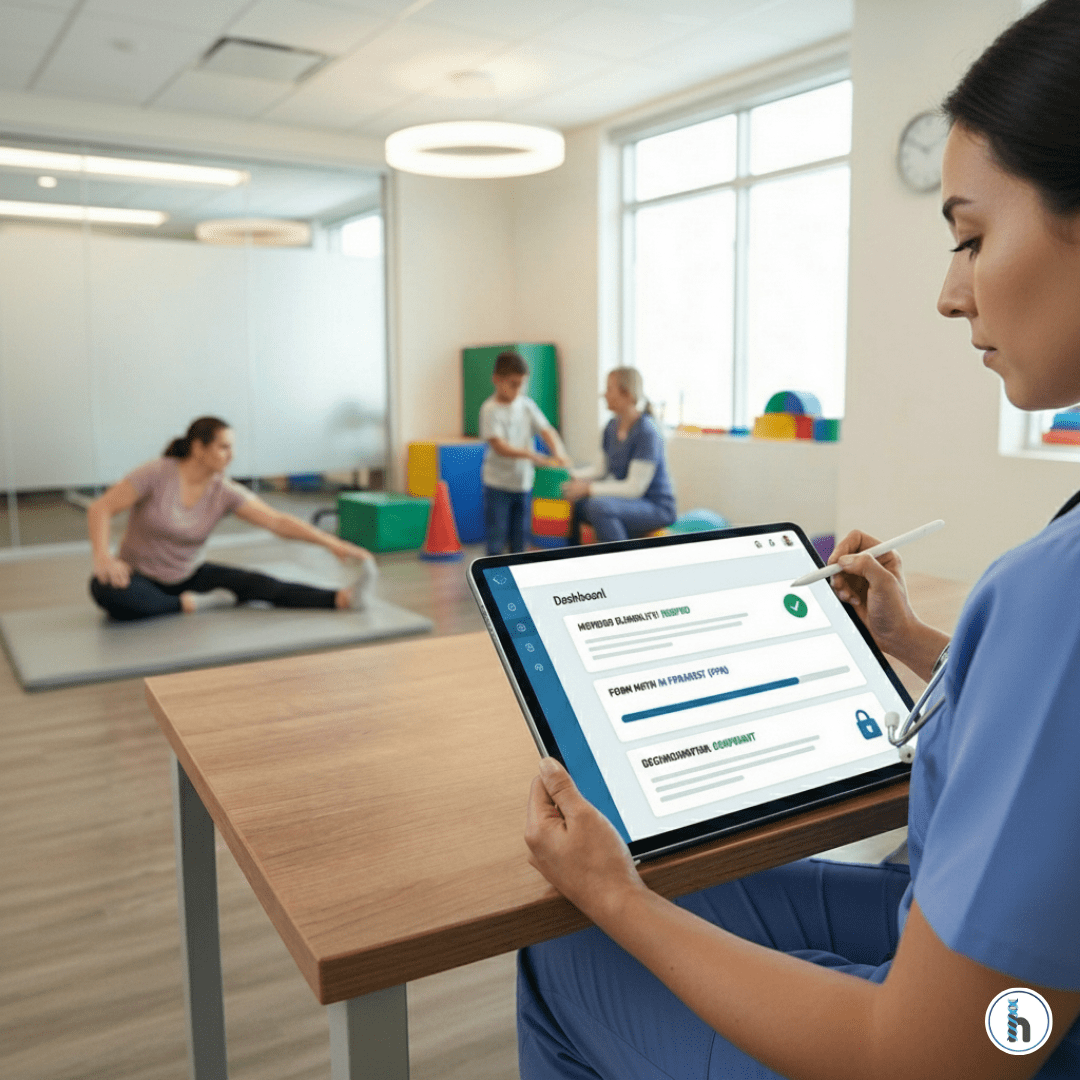
Therapy professional using a tablet to access an EMR system in a modern clinic setting.

An EMR system (Electronic Medical Record system) is central to modern healthcare, transforming how providers document, access, and share patient information. At its core lies a structured database designed to securely manage vast amounts of clinical and administrative data. For therapy practices, understanding this digital infrastructure is critical for accurate documentation, efficient billing, and ensuring compliance with data protection regulations like HIPAA.

Despite their central role in daily operations, the underlying databases within these platforms are often misunderstood. What exactly do they store? How are they structured? And most importantly, how does the overall software protect sensitive patient information?

This article explores the function and structure of the EMR system, focusing on its core database component and how it serves physical, occupational, and speech therapy professionals. From its technical foundation and security protocols to integration capabilities, understanding this technology can help therapy clinics make informed decisions about their digital infrastructure and safeguard the trust placed in them by their patients.

What is an EMR System?

An Electronic Medical Record system is a digital platform used by clinicians to create, store, manage, and track patient health information electronically. It replaces traditional paper charts and provides a centralized hub for all clinical and administrative data. The EMR database is the core component within this platform that handles the actual storage and organization of information.

In therapy practices, such a system typically manages:

    • Patient demographics and medical history

    • Therapy notes, evaluations, and standardized test results

    • Progress reports and detailed care plans

    • Billing records, superbills, and insurance information

    • Appointment scheduling and communication logs

EMR Technology vs. Traditional Paper Records

Paper records have long been the standard, but their limitations compared to modern electronic records are significant:

    • Prone to physical degradation, loss, or destruction

    • Difficult to duplicate, share quickly, or access remotely

    • Time-consuming for filing, retrieval, and updates

    • Susceptible to illegibility and manual errors

By contrast, electronic record-keeping provides a secure, dynamic, and scalable alternative, offering key benefits for efficiency and compliance.

Core Components of an EMR’s Architecture

A well-designed electronic medical record architecture consists of several key components working together, centered around the database:

The EMR Database

The heart of the platform. It stores all structured patient data, including clinical notes, ICD/CPT codes, and billing history. As mentioned earlier, it often functions as a relational database.

Application Layer (User Interface)

This is what therapists interact with – the screens, forms, and workflows. It interfaces between the user and the database, enabling data entry, report generation, scheduling, and communication.

Security Layer (Ensuring Platform Security)

Crucial for HIPAA compliance. This includes role-based access controls, robust encryption protocols (for data at rest and in transit), and comprehensive audit trails to monitor data usage and access.

Integration Framework (Interoperability)

Allows the software to connect securely with external services such as billing software, patient portals, telehealth platforms, or clearinghouses, enabling seamless data exchange.

HelloNote, as a therapy-specific solution, integrates these components, offering customizable documentation, integrated billing, and secure cloud-based storage suitable for various practice sizes.

How EMR Platforms Protect Patient Information (Data Security)

One of the primary benefits of using electronic medical records is enhanced data security compared to paper. Safeguarding protected health information (PHI) is paramount. Modern healthcare platforms employ multi-layered security features:

1. Encryption at Rest and in Transit

Data within the database is encrypted both when stored and during transmission, making it unreadable without authorization.

2. Role-Based Access Control (RBAC)

Access to sensitive information is strictly limited based on user roles and permissions defined within the software.

3. Regular Backups and Redundancy

These systems perform frequent, automated backups, often stored in geographically separate, secure locations to prevent data loss.

4. Audit Trails for HIPAA Compliance

Detailed logs track all user activity (who accessed what, when), which is essential for accountability and meeting HIPAA requirements.

5. Secure Cloud-Based Advantages

Many modern solutions, including HelloNote, are cloud-based. This typically offers higher security standards maintained by specialized IT teams, better uptime, and faster disaster recovery compared to managing on-premise servers.

The Paramount Importance of PHI Security within Healthcare Technology

While digital platforms streamline workflows and improve data access, their most critical function is the secure protection of PHI. This is achieved through the robust security layers discussed above. Maintaining patient trust and ensuring HIPAA compliance hinges on the effectiveness of the platform’s security measures. This foundation enables all other benefits.

Common Challenges and How Robust EMR Software Addresses Them

Implementing or using electronic records can present challenges:

1. Integration with Existing Tools (Interoperability)

A strong platform supports API integration, allowing seamless data flow with other essential tools (billing, scheduling) without creating data silos.

2. Scalability for Practice Growth

Cloud-based solutions are inherently scalable, easily adapting to increased data volume, users, and locations without major infrastructure changes.

3. Data Migration and Onboarding

Reputable vendors offer tools and support for securely migrating data from old systems or paper records.

4. User Training and Data Entry Consistency

Well-designed software like HelloNote uses templates, required fields, and intuitive workflows to guide users, improving data quality and consistency.

The Future of EMR Technology in Therapy Practices

Electronic medical record technology will become even more central, supporting value-based care, patient engagement, and data analytics. Future therapy software features like predictive analytics, integrated remote patient monitoring, and AI-assisted documentation will rely heavily on the capabilities of the underlying platform and its database. Investing in a robust, secure solution prepares practices for these advancements.

Conclusion: Why Understanding Your Healthcare Technology Matters

Understanding the components, security measures, and capabilities of your chosen EMR system is essential for clinic owners and therapy professionals leveraging modern healthcare tools. It’s the foundation of efficient operations, quality care delivery, and regulatory compliance.

By providing secure, scalable, and increasingly interoperable platforms, these technologies reduce administrative burden, enhance clinical accuracy, and ensure your practice is future-ready. When evaluating solutions like HelloNote EMR, consider the entire architecture – user interface, database structure, security protocols, and integration potential – to find the best fit for your therapy practice.

Take the Next Step with HelloNote EMR

Looking to learn more about how a therapy-specific EMR can support your clinic’s growth? Explore HelloNote’s features and see how its platform can work for you.


Physical Therapy Documentation: Best Practices to Streamline Notes and Compliance

Implementing PT documentation best practices is central to both clinical outcomes and administrative success. It ensures continuity of care, tracks patient progress, supports reimbursement, and serves as legal protection for the therapist and practice. Yet, many physical therapists continue to face challenges around documentation—namely, balancing thoroughness with time efficiency and meeting ever-evolving compliance requirements.

Improving physical therapy documentation efficiency isn’t just about reducing paperwork; it’s about building sustainable workflows that support clinicians, safeguard patient care, ensure therapy documentation compliance, and maximize reimbursement. This article outlines common documentation challenges, explores practical physical therapy documentation best practices, details key EMR features that help, and answers how to improve documentation efficiency.

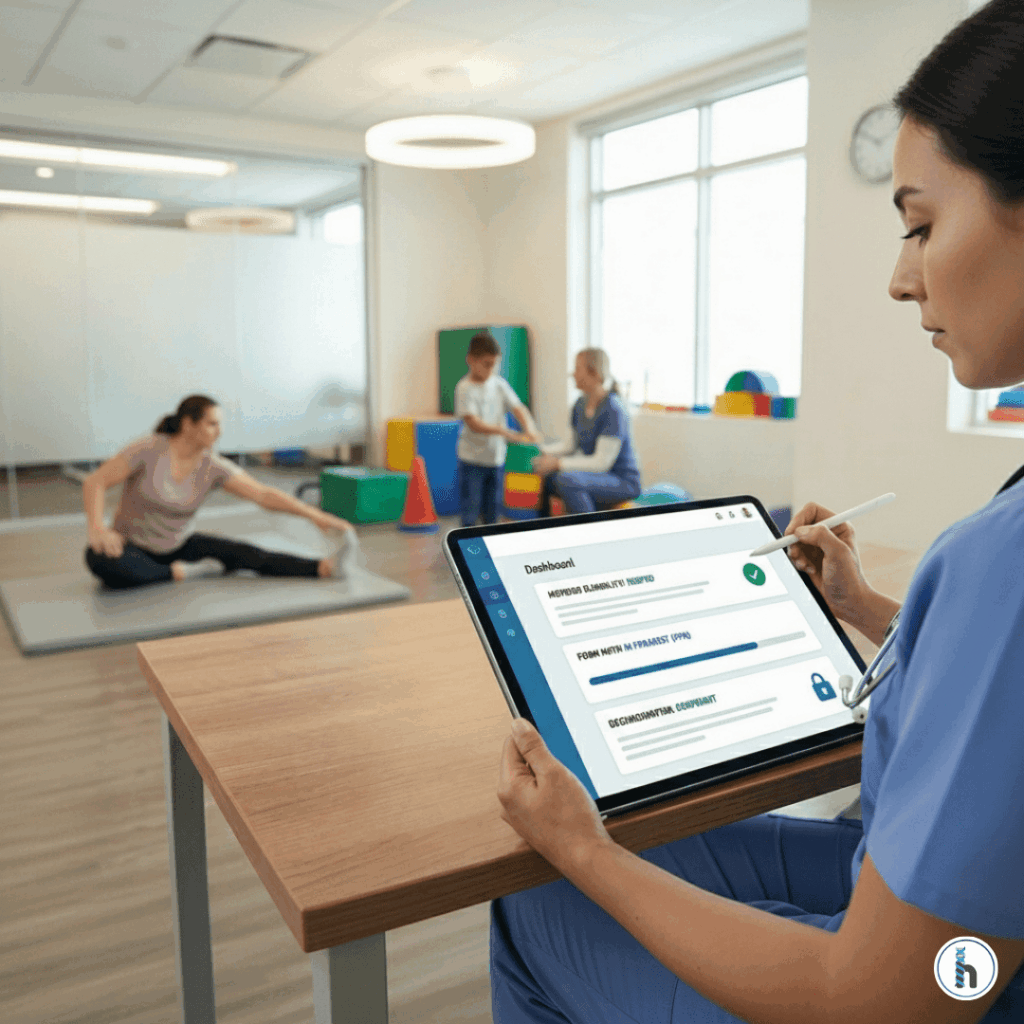
Therapist applying physical therapy documentation best practices using a tablet EMR system.

Why Adhering to Physical Therapy Documentation Best Practices Matters

In a fast-paced clinical environment, documentation is often seen as a time-consuming task that follows hands-on care. However, the importance of thorough physical therapy documentation extends far beyond recordkeeping.

Proper documentation adhering to best practices:

    • Captures the patient’s baseline and progress over time

    • Justifies the medical necessity of therapy services

    • Facilitates communication among providers

    • Ensures compliance with Medicare and private insurance requirements

    • Serves as a legal record in case of audits or disputes

Failing to meet documentation standards can lead to denied claims, compliance violations, or even loss of licensure. For this reason, therapists must approach documentation not as an afterthought but as a critical part of patient care where PT documentation best practices are consistently applied.

Common Documentation Challenges Addressed by Best Practices

Despite its importance, documentation is often one of the most burdensome aspects of clinical practice. Adopting best practices can help mitigate some of the most frequently reported issues:

1. Time Constraints

Therapists often juggle full caseloads, leaving limited time to complete detailed notes during or between sessions. As a result, documentation is frequently delayed, rushed, or completed after hours, contributing to burnout. Best practices focus on improving efficiency.

2. Inconsistent Note Quality

Without standardized templates or structured workflows – key elements of documentation best practices – notes can vary widely across providers. This inconsistency increases the risk of missing essential elements required for compliance or reimbursement.

3. Compliance Complexity

Navigating requirements from Medicare, Medicaid, and commercial insurers for therapy documentation compliance can be overwhelming. Each payer may require different levels of detail, terminology, or evidence of progress. Manual tracking of these criteria increases the likelihood of errors, which best practices aim to reduce.

4. Paper-Based or Outdated Systems

Some clinics still rely on paper charts or legacy software that lacks integration or automation. These systems make implementing and sustaining physical therapy documentation best practices difficult, increasing administrative burden and risk.

Core Physical Therapy Documentation Best Practices

Improving PT documentation requires a combination of clinical discipline, administrative planning, and the right technology. Below are key PT documentation best practices that therapy practices can implement.

Use Standardized Templates

Structured templates are a fundamental best practice, ensuring consistency in the documentation process while reducing the risk of omitting required details. Templates for evaluations, daily notes, progress reports, and discharge summaries should include prompts for:

Templates can be customized to reflect the specific needs of your patient population or referral sources while aligning with payer requirements.

Document in Real Time When Possible

Completing notes during or immediately after treatment is a crucial best practice that reduces the risk of forgetting key details and directly addresses how to improve documentation efficiency. While this is not always feasible, therapists can use shorthand, voice-to-text tools, or quick note features within their EMR to capture essential data before completing full documentation.

Real-time documentation also facilitates timely billing, which can improve cash flow and reduce denials due to missing or incomplete records.

Align Notes with Medical Necessity Criteria

Insurance carriers look for specific elements to determine whether therapy services are justified. A core documentation best practice involves ensuring notes clearly demonstrate that treatment is:

    • Reasonable and necessary for the patient’s condition

    • Delivered by a licensed professional

    • Progressing toward measurable goals

Phrases such as “patient tolerated treatment well” are often flagged as insufficient. Instead, therapists should document clinical reasoning, patient performance, and observed improvements tied to objective measures to meet payer requirements.

Conduct Regular Chart Audits

Periodic internal audits are a best practice for quality assurance. They help identify gaps in documentation and ensure that notes reflect current regulations. Clinic managers can review a sample of patient records for completeness, accuracy, and compliance with payer requirements.

Findings from these audits can be used to guide staff training and template adjustments, reinforcing physical therapy documentation best practices across the team.

How Key EMR Features Enhance Documentation & Enable Best Practices

A well-designed EMR system can significantly reduce the administrative load of physical therapy documentation while improving accuracy and compliance. Explore the specific EMR features that support physical therapy documentation best practices:

1. Built-In Templates and Smart Forms

An EMR designed for therapy practices includes standardized forms with required fields, dropdowns, and auto-fill features. These tools guide therapists through the documentation process, reducing variability and improving completeness. This EMR feature directly supports the best practice of standardization.

2. Compliance Prompts and Alerts

Modern EMR platforms offer built-in compliance tools that prompt users when documentation is incomplete or missing required information according to payer rules. This EMR feature is key for maintaining compliance best practices and can help prevent denials or audit issues before they arise.

3. Time-Saving Tools (Dictation, Macros, etc.)

Key EMR features like speech-to-text dictation, quick note macros, and copy-forward functionality allow therapists to complete notes more efficiently without sacrificing quality, directly contributing to how to improve documentation efficiency.

4. Centralized Record Access

An integrated EMR stores all documentation in a centralized, secure database. Therapists, billing staff, and administrative personnel can access the records they need without duplication or data loss. This promotes coordination across the clinic and simplifies audit preparation, supporting documentation management best practices.

5. Reporting and Analytics

By tracking documentation trends and productivity metrics via EMR reporting features, clinic managers can identify bottlenecks and implement data-driven improvements. For example, if daily notes are consistently delayed, additional training or schedule adjustments aligning with best practices may be needed.

HelloNote, as an EMR built by therapists for therapists, incorporates many of these EMR features. Its templates, workflow automation, and compliance tools are designed specifically to facilitate physical therapy documentation best practices for physical, occupational, and speech therapy practices.

Key Takeaways for Implementing Documentation Best Practices

Therapists are trained to focus on outcomes, functional improvement, and patient care—but without proper documentation following best practices, those efforts may not be recognized or reimbursed. Streamlining PT documentation is not about cutting corners. It is about creating a sustainable workflow that protects clinicians and supports patient progress.

To improve documentation practices:

    • Adopt structured physical therapy documentation best practices, starting with standardized templates.

    • Document as close to the time of service as possible to improve efficiency and accuracy.

    • Align every note with medical necessity standards.

    • Leverage EMR features for automation, compliance checks, and efficiency gains.

    • Conduct regular audits to maintain quality and accountability.

Incorporating these strategies helps therapists spend less time on paperwork and more time doing what they do best; helping patients move, function, and live better.

How HelloNote Streamlines Physical Therapy Documentation

HelloNote EMR was purposefully developed to reduce the documentation burden that therapists often face by embedding best practices into its workflow. By offering customizable, discipline-specific templates, HelloNote ensures that documentation stays compliant while remaining clinically relevant – a cornerstone of physical therapy documentation best practices. Physical therapists can easily record evaluations, daily notes, and progress updates using guided prompts that meet Medicare and private insurance standards. Key EMR features such as real-time note entry, voice dictation, and one-click carry-forward help therapists document accurately without spending extra hours after sessions, addressing how to improve physical therapy documentation efficiency. Built-in compliance alerts notify users if any required data is missing, preventing costly billing errors and rejected claims. HelloNote also tracks patient goals and outcomes over time, allowing for clear progress reporting. These EMR features not only support better care delivery but also make documentation more efficient, less error-prone, and fully aligned with payer requirements and documentation best practices. For therapy practices looking to improve workflow without compromising quality, HelloNote offers an intuitive and reliable solution.

Effective physical therapy documentation, achieved through adopting best practices, is both a clinical and administrative priority. By investing in smarter workflows and purpose-built tools like HelloNote EMR, clinics can support their teams, safeguard compliance, and enhance care delivery in every session.

Is Chiropractic Safe for Seniors? Benefits and Considerations for Older Adults

Chiropractic care is a widely used conservative treatment approach, often associated with spinal health, musculoskeletal conditions, and improved mobility. For older adults, who frequently deal with age-related physical decline, chronic pain, and functional limitations, chiropractic treatment can offer an alternative or complementary solution to medication or surgery. However, safety concerns and age-specific considerations must be addressed before implementing this modality in geriatric care.

This article explores the safety, benefits (especially for conditions like chronic low back pain), potential risks, and key considerations of chiropractic care for seniors. Many wonder, is chiropractic safe for older adults? We delve into why tailored care is crucial, along with how clinicians and caregivers can assess suitability on a case-by-case basis.

Common Conditions Treated with Chiropractic Care in Seniors (Incl. Chronic Low Back Pain)

As the body ages, the spine and joints experience natural degeneration, contributing to reduced flexibility and chronic discomfort. Chiropractic care is often sought by seniors for the following conditions:

    • Osteoarthritis and joint stiffness

    • Spinal degeneration, such as spinal stenosis

    • Chronic low back pain and sciatica, common issues impacting senior mobility

    • Neck pain and tension headaches

    • Postural issues and kyphosis

    • Balance challenges and fall risk

These conditions can limit a senior’s mobility, increase dependence, and negatively affect quality of life. Chiropractic treatment offers non-pharmacologic management aimed at preserving or restoring function.

Safety of Chiropractic Care in Older Adults: Addressing Concerns

Chiropractic care for seniors, when tailored appropriately, is generally considered safe. However, treatment should always begin with a thorough examination, including a review of the patient’s medical history, medication list, imaging (if necessary), and functional assessment.

Understanding Age-Specific Challenges

Older adults present with distinct challenges:

Gentle Chiropractic Techniques Utilized for Seniors

Chiropractors who treat elderly patients often adapt their techniques to minimize risk. High-velocity, low-amplitude (HVLA) spinal manipulations are sometimes substituted with low-force or gentle chiropractic techniques for seniors such as:

    • Activator method using handheld instruments

    • Soft tissue mobilization

    • Stretching and passive joint mobilization

    • Arthrostim and flexion-distraction techniques

When care is appropriately modified, the risk of adverse effects remains low, especially compared to pharmacologic interventions or invasive procedures. Still, chiropractors must maintain close communication with primary care providers or specialists involved in the patient’s care.

Chiropractor performing gentle back massage on an older patient, showcasing soft tissue techniques used in chiropractic care for seniors.

Benefits of Chiropractic Treatment for Seniors (Especially Back Pain Relief)

Older adults stand to benefit from conservative care that supports musculoskeletal health without the systemic side effects of medications. Documented benefits of chiropractic for elderly back pain and other musculoskeletal issues include:

    • Reduced back (chronic low back pain) and neck pain intensity

    • Improved spinal range of motion and joint mobility

    • Decreased muscular tension

    • Better balance and coordination, lowering fall risk

    • Improved posture and physical function

    • Reduced reliance on pain medications

For seniors who experience stiffness or functional limitations, even mild improvements in flexibility can significantly impact their ability to maintain independence. Regular chiropractic adjustments, soft tissue work, and rehabilitative exercises can promote active aging and enhance daily living.

Potential Risks and Contraindications for Senior Chiropractic Care

As with any clinical intervention, there are risks associated with chiropractic care, particularly when applied improperly or without consideration for age-related vulnerabilities. Adverse events are rare but may include:

    • Muscle soreness or fatigue after treatment

    • Worsening of symptoms if improper techniques are used

    • Vascular complications, especially in patients with known vertebral artery insufficiency

Absolute Contraindications to Spinal Manipulation

Absolute contraindications to spinal manipulation in older adults include:

    • Unstable fractures or acute spinal trauma

    • Severe osteoporosis with high fracture risk

    • Spinal or intracranial tumors

    • Active infection involving the spine

    • Recent surgery to the spine or nearby structures

Relative Contraindications and Necessary Precautions

Relative contraindications, which require caution and often collaborative management, include anticoagulant therapy, severe spinal stenosis, and inflammatory arthropathies. Chiropractors must use judgment, adapt interventions, and refer when necessary.

The Importance of Multidisciplinary Integration in Geriatric Chiropractic Care

Geriatric patients often receive care from multiple providers. Chiropractors should aim for integration with primary care, physical therapy, orthopedics, or neurology to create a comprehensive care plan. Interdisciplinary communication enhances safety and ensures consistency across all aspects of the patient’s care.

Additionally, a team-based approach supports evidence-based care planning. For example, a chiropractor may collaborate with a physical therapist for exercise prescription or a physician to coordinate imaging and monitor bone density status.

How Seniors Can Find a Qualified Chiropractor Specializing in Geriatric Care

Finding a chiropractor specializing in geriatric care is important for safety and efficacy. Older adults or their caregivers should:

    • Ask if the chiropractor has advanced training in treating older patients

    • Inquire about available gentle chiropractic techniques for seniors and alternatives to spinal manipulation

    • Review patient testimonials and treatment success rates

    • Confirm the chiropractor coordinates with other providers when appropriate

A good provider will take the time to assess the patient holistically and educate them on options, treatment expectations, and long-term care plans.

Considerations for Clinics and Caregivers Offering Senior Chiropractic Services

Clinics offering chiropractic care to older populations should ensure that their staff are trained in age-sensitive techniques. They should also provide:

    • Accessible treatment spaces with mobility aids or assistance

    • Thorough intake processes screening for risk factors

    • Ongoing documentation of clinical outcomes

    • Tools for measuring progress, such as functional mobility tests or pain scales

Caregivers should observe how the patient responds after sessions and maintain open lines of communication with both the chiropractor and the primary care provider.

Streamlining Senior Chiropractic Documentation with HelloNote EMR

For clinics providing chiropractic care to seniors, consistent documentation and compliance tracking is essential. HelloNote EMR is designed to support therapy professionals by streamlining documentation, goal tracking, and treatment planning, including for treatments like chiropractic adjustments for seniors with chronic low back pain. The platform’s customizable templates and integrated outcome measurement tools help providers:

    • Efficiently document geriatric-specific goals and progress

    • Share records with interdisciplinary teams using tools available in an EMR for chiropractors

    • Monitor and report changes in function and pain levels over time

With built-in telehealth options, SOAP note management, and compliance tools tailored to therapy workflows, HelloNote (as a comprehensive therapy documentation software) enhances continuity of care—especially important when managing complex cases across multiple providers. Clinics serving older adults benefit from both the clinical and operational structure HelloNote offers, making care more responsive and coordinated.

Conclusion: Embracing Safe and Effective Chiropractic Care for Aging Adults

Chiropractic care for seniors can be a valuable resource for older adults seeking relief from chronic musculoskeletal pain (like chronic low back pain), mobility limitations, and postural dysfunction. When delivered by experienced practitioners who understand the nuances of aging physiology, chiropractic treatment is both safe and effective.

For seniors, this conservative, hands-on approach can offer lasting benefits, including improved movement, reduced medication dependency, and enhanced quality of life. As with all medical care, collaboration, individualized treatment, and patient education are key to maximizing results and minimizing risk. And with tools like HelloNote EMR supporting clinical efficiency and documentation, therapy practices can confidently deliver high-quality care to aging populations while meeting regulatory and operational demands.

Mastering EMR Charting: Best Practices for Efficient and Accurate Documentation

Therapist doing EMR charting for therapists on a laptop computer

In modern therapy practice, the quality of your clinical documentation can directly influence patient outcomes, reimbursement, and legal compliance. Central to that documentation process is EMR charting for therapists—the digital method used to capture, organize, and store patient records within an electronic medical record system.

Unlike traditional paper charting, EMR charting provides a dynamic and centralized approach to patient documentation, crucial for meeting physical therapy documentation requirements and those of other disciplines. It allows clinicians to track patient progress, document interventions, and maintain regulatory compliance in a streamlined digital format. However, despite its benefits, many therapy professionals find EMR charting to be time-consuming and at times overwhelming.

This article explores the challenges clinicians face with EMR charting and provides a set of best practices and solutions that improve both the accuracy and efficiency of documentation. Whether you are running a therapy clinic or practicing in the field, optimizing your EMR charting workflow can result in better patient care and reduced administrative burden.

What Is EMR Charting for Therapists?

EMR charting refers to the process of documenting clinical encounters, assessments, treatments, and progress notes within an electronic medical record system. In physical, occupational, and speech therapy, this includes: 

    • Initial evaluations 
    • Treatment plans and goal setting 
    • Daily session notes 
    • Progress reports 
    • Discharge summaries 

An effective EMR charting system allows clinicians to maintain structured records, quickly retrieve patient data, and meet the documentation standards required by insurance providers and regulatory bodies. 

Why EMR Charting Matters in Therapy Practice

Efficient EMR charting is more than a technical necessity. It is a clinical and business imperative. Proper charting supports: 

    • Evidence-based patient care 
    • Legal and regulatory compliance 
    • Interdisciplinary communication 
    • Clinical outcomes tracking 

When documentation is incomplete or inconsistent, therapy providers risk denied claims, compliance violations, or gaps in patient care. 

Common Pain Points in EMR Charting

Despite its importance, many therapy professionals experience significant frustration when managing EMR charting. Common challenges include:

1. Time-Consuming Data Entry

Manually entering detailed clinical information can slow down productivity. Therapists often struggle to complete charting within a standard workday, leading to late hours or incomplete notes.

2. Documentation Errors

Copy-pasting notes, using incorrect codes, or forgetting required elements are frequent sources of error, making reducing EMR documentation errors a key goal for many clinics. These mistakes can lead to reimbursement delays or compliance risks.

3. Compliance Complexity

Therapists must ensure that each note meets the requirements of different payers, including Medicare, Medicaid, and private insurers. Failing to document medical necessity or progress can result in audits or claim rejections.

4. Learning Curve of EMR Systems

Some EMR systems are not intuitive. Poor user experience and lack of training contribute to inefficiencies and staff frustration.

Practical Solutions to Streamline EMR Charting

Improving the charting experience does not require overhauling your entire clinical workflow. Small, strategic changes can yield significant results. Below are solutions that therapy clinics can adopt to enhance EMR charting processes:

Use Smart Templates

Pre-built templates tailored to therapy services help standardize documentation while reducing manual input. Smart templates include prompts for key information such as: 

    • Objective measurements 
    • Functional goals 
    • Interventions used 
    • Patient response 
    • Plan of care updates 

Templates minimize omissions and help ensure that documentation is payer-compliant and clinically thorough. 

Implement Automation Tools

Automation can significantly reduce administrative workload. For example: 

    • Auto-populating demographic fields or prior visit data 
    • Linking diagnosis codes with corresponding treatment plans 

These tools eliminate redundancy and free up time for direct patient care. 

Leverage Voice Recognition Software

Voice-to-text tools integrated with EMR systems allow therapists to dictate notes quickly, improving speed without sacrificing detail. This is especially helpful during or immediately after a session, when memory is freshest.

Voice recognition tools also reduce the physical fatigue associated with typing and allow clinicians to document more naturally.

Standardize Clinical Terminology

Creating a clinic-wide reference guide for common terms, abbreviations, and documentation styles ensures consistency across providers. This makes records easier to read and audit while promoting accuracy.

Best Practices for Efficient and Accurate EMR Charting

Once the foundational tools are in place, refining your approach involves adopting specific EMR best practices. These habits help therapists chart more effectively while maintaining compliance and quality:

1. Chart in Real Time

Whenever possible, complete notes during or immediately after the patient visit. Real-time charting improves recall accuracy and prevents backlog.

2. Use Clinical Decision Support Features

Modern EMR systems often include features that flag missing fields, suggest appropriate codes, or alert users to inconsistencies. These built-in checks are vital for reducing EMR documentation errors and enhancing compliance.

3. Keep Notes Patient-Specific

Avoid overuse of generic or copied notes. Tailor documentation to the individual’s condition, progress, and response to treatment to meet standards of medical necessity.

4. Review and Sign Daily

Leaving charts unsigned for extended periods increases the risk of missed deadlines, billing delays, or audit exposure. Make chart review and finalization a part of your daily workflow.

5. Train Regularly on EMR Updates

EMR systems evolve. Ongoing training helps clinicians use new features effectively and adapt to interface changes that could impact documentation speed.

The Role of a Therapy-Focused EMR in Better Charting

Not all EMR systems are created equal. A therapy-focused platform can make a substantial difference in how efficiently your team manages documentation.

HelloNote, for instance, offers therapy-specific charting templates, compliance safeguards, and integrated tools like speech-to-text functionality and auto-filling of recurring data. By aligning the EMR interface with how therapists actually work, systems like this reduce the time spent on charting while improving overall accuracy.

Clinics that leverage specialized EMR solutions see improved billing turnaround, lower audit risk, and better staff satisfaction due to reduced after-hours work.

Final Thoughts

Mastering EMR charting for therapists is essential for delivering high-quality, accountable therapy services. As expectations around documentation continue to rise, therapy providers must adopt tools and EMR best practices that make charting both efficient and compliant.

By focusing on structured templates, automation, real-time entry, and consistent training, clinics can turn documentation from a burden into a clinical asset. The right EMR platform can help every team member chart with greater clarity, accuracy, and ease.

How Occupational Therapy Software Enhances Patient Care and Documentation

Delivering high-quality occupational therapy requires more than clinical expertise. It also depends on having the right systems in place to support accurate documentation, smooth scheduling, and reliable billing. As therapy practices grow more complex, many are turning to purpose-built occupational therapy software to streamline operations, improve therapy practice management, and enhance care delivery.

This technology does more than digitize paperwork; it transforms how occupational therapists plan, deliver, and manage treatment. With features designed specifically for the unique demands of occupational therapy, these platforms help reduce administrative burden, improve compliance, and enhance patient engagement.

In this article, we’ll explore the benefits of OT software and how occupational therapy software addresses key challenges therapists face.

The Role of Occupational Therapy Software

Occupational therapy software refers to digital platforms that manage both the clinical and administrative functions of occupational therapy practices. Unlike general healthcare software, these tools are built with OT-specific needs in mind, supporting functions like customizable evaluation templates and efficient OT scheduling, as well as:

    • Customizable evaluation and treatment templates

    • Real-time documentation

    • Progress tracking and goal setting

    • Appointment scheduling and reminders

    • Automated billing and claims management

    • HIPAA-compliant data storage and access

By centralizing these functions, occupational therapy software helps clinics streamline operations, reduce errors, and dedicate more time to patient care.

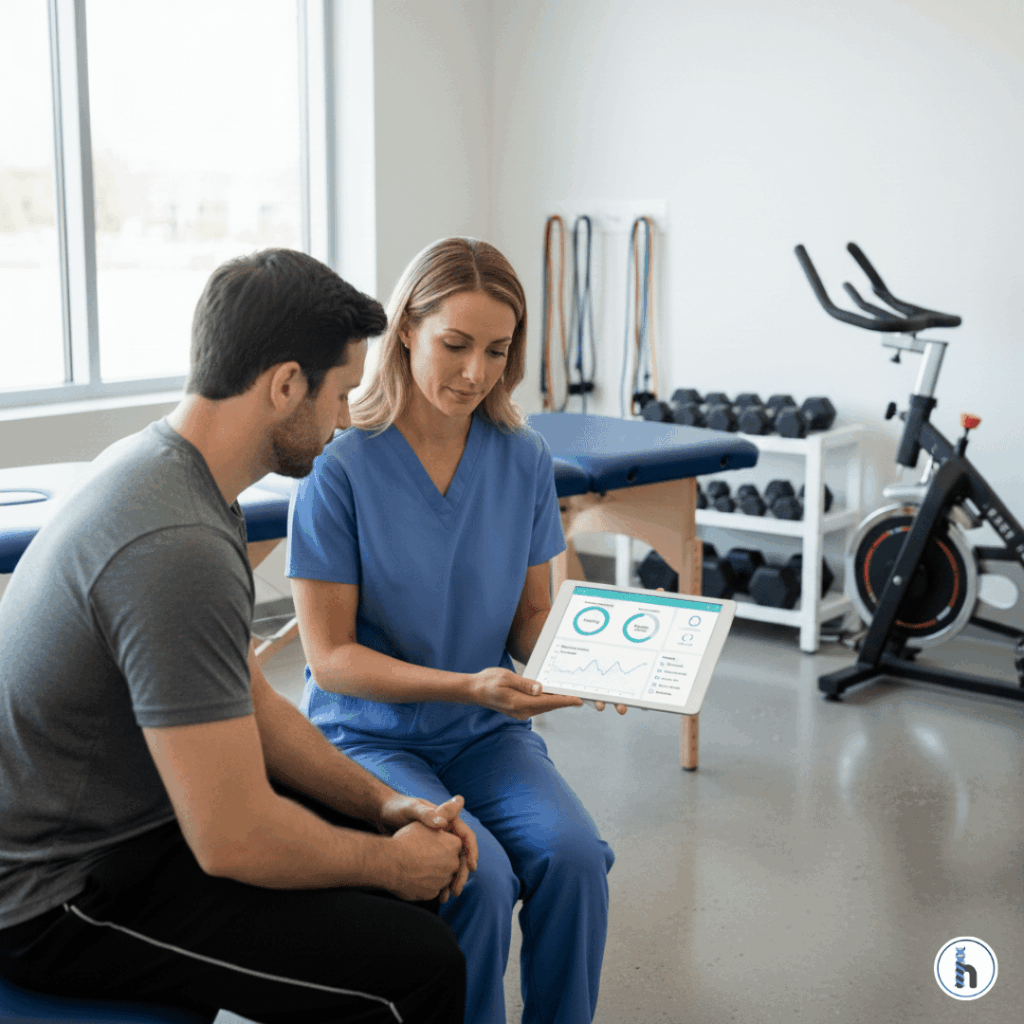
Occupational therapist using a tablet displaying the HelloNote EMR occupational therapy software.

Common Challenges in Occupational Therapy Practice

Occupational therapists face several day-to-day obstacles that can impact care delivery and efficiency. Many of these challenges in occupational therapy are tied to outdated therapy practice management approaches or manual processes.

Manual Documentation

Writing notes by hand or using generic word processors is not only time-consuming but also increases the risk of missing key documentation elements. Manual systems make it harder to track patient progress or ensure compliance with payer requirements.

Scheduling Inefficiencies

Double-bookings, missed appointments, and communication breakdowns often occur when scheduling is handled through spreadsheets or separate systems. Without a centralized calendar that syncs with documentation and billing, administrative tasks become disjointed.

Compliance and Audit Risk

Meeting documentation standards for Medicare, Medicaid, and private insurers requires precision. Missing data or inconsistencies can lead to denied claims or audit flags, putting financial strain on the practice.

Billing and Coding Errors

Manual billing increases the risk of incorrect CPT codes, missed deadlines, and claim rejections. Without automated systems that link clinical documentation to billing, therapists spend more time chasing payments than focusing on care.

How Occupational Therapy Software Solves These Issues

Investing in dedicated occupational therapy software offers a range of solutions that directly address these pain points—empowering therapists to work more efficiently and confidently.

Improved Documentation Accuracy and Speed

With built-in templates designed for OT workflows, therapists using dedicated OT documentation software can document evaluations, daily notes, and progress reports more efficiently. Key features include:

    • Auto-fill fields for demographics and prior session data

    • Drop-down menus and checkboxes to reduce typing

    • Voice-to-text capabilities for faster note entry

    • Required fields to ensure completeness and compliance

These tools effectively answer how occupational therapy software improves documentation, minimizing the risk of documentation errors while significantly reducing the time therapists spend writing notes.

Real-Time Progress Tracking

Monitoring patient goals is central to occupational therapy. Advanced occupational therapy software allows therapists to:

    • Set and update short-term and long-term goals

    • Track progress against benchmarks

    • Use visual progress charts to enhance patient communication

  • Quickly generate progress reports for payers and referring physicians

This not only improves patient engagement but also strengthens the justification for continued treatment.

Streamlined Scheduling and Session Management

A centralized calendar system enables staff to schedule, cancel, and reschedule appointments with ease. Features include:

By eliminating double bookings and reducing no-shows, the software increases operational efficiency and patient satisfaction.

Automated Billing and Claims Processing

Software for occupational therapy billing simplifies this complex process through:

These features reduce billing errors, improve reimbursement speed, and minimize the need for rework or appeals.

Customization for Therapist and Clinic Needs

No two OT clinics are exactly alike. The best occupational therapy software platforms allow users to tailor templates, workflows, and access permissions. Whether you’re a solo practitioner or part of a multi-provider clinic, customization ensures the software adapts to your practice—not the other way around.

HIPAA-Compliant and Secure Data Storage

Patient confidentiality is non-negotiable. Top-tier, HIPAA compliant therapy software platforms offer:

    • Secure, cloud-based storage with end-to-end encryption

    • Role-based access controls to protect sensitive information

    • Audit logs to monitor user activity

    • Automated backups to prevent data loss

These built-in security measures support compliance with HIPAA and other healthcare data regulations, providing peace of mind to therapists and clinic owners.

Enhancing the Patient Experience

When therapists spend less time on paperwork and more time engaging with patients, patient care and outcomes improve. Occupational therapy software allows for more personalized and responsive care by:

    • Providing access to real-time patient history and progress

    • Reducing administrative distractions during sessions

    • Offering patient portals for easier communication and scheduling

Patients benefit from faster service, clearer goal tracking, and a more professional, tech-enabled therapy experience.

Final Thoughts

The right occupational therapy software can make a measurable difference in how your clinic operates—from reducing documentation time to improving billing accuracy, supporting better patient care, and boosting overall clinic efficiency.

Choosing a solution like HelloNote, a leading occupational therapy software, can further streamline these processes. Designed specifically for therapy practices, we offer customizable documentation, built-in compliance features, and integrated billing tools that support occupational therapists in delivering high-quality, efficient care. With HelloNote, your clinic can stay focused on patient outcomes while staying compliant and financially organized.

If your current processes are holding you back, it may be time to explore a solution built specifically for occupational therapists. Investing in software that aligns with your clinical goals and administrative needs is one of the most effective ways to strengthen your practice for the future.

Common Blogging Mistakes Therapy Clinics Make (and How to Fix Them)

Therapist creating blog content on laptop to avoid common therapy clinics blogging mistakes.

Addressing common therapy clinics blogging mistakes is crucial for maximizing this powerful tool used for patient education, referral engagement, and strengthening an online presence. Whether your therapy clinic specializes in physical therapy, occupational therapy, or speech-language pathology, an informative blog builds trust and attracts new patients.

Blogging is a powerful tool for therapy clinics, offering an opportunity to educate patients, engage with referral sources, and strengthen an online presence. Whether a clinic specializes in physical therapy, occupational therapy, or speech-language pathology, an informative and well-maintained blog can help build trust, attract new patients, and improve search engine rankings.

However, many therapy clinics struggle to make the most of their blogs. Common blogging mistakes therapy clinics make, such as using excessive medical jargon, neglecting SEO, and writing overly promotional content, can limit a blog’s effectiveness. If a clinic’s blog is not engaging, informative, or visible in search results, it is unlikely to reach its full potential.

This article explores the most common blogging mistakes therapy clinics make and provides practical solutions to improve content strategy, increase visibility, and enhance patient engagement.

1. Using Too Much Medical Jargon

Many therapy clinics make the mistake of writing blog content using complex medical terms that patients and caregivers may not fully understand. While therapists are comfortable with technical language, most patients are not familiar with terms like neuromuscular re-education, vestibular dysfunction, or proprioception.

Examples of Medical Jargon in Therapy Blogs

Here are common examples found in therapy blogs and simpler ways to phrase them: 

Neuromuscular Re-Education – Instead of saying “Neuromuscular re-education improves proprioception and movement coordination,” simplify it to “These exercises help retrain your muscles and nerves to work together for better movement.”

Vestibular Dysfunction – Rather than saying “Vestibular dysfunction impacts equilibrium and spatial orientation,” explain it as “A condition that affects balance and can make you feel dizzy or unsteady.”

Proprioception – Instead of using “Proprioception is the body’s ability to sense its position in space,” say “Your body’s natural ability to know where it is without looking.”

Gait Training – Rather than saying “Gait training helps with ambulation and weight-bearing symmetry,” say “Therapy exercises that help people regain their ability to walk safely after an injury or surgery.”

Joint Mobilization – Instead of “Joint mobilization techniques decrease synovial joint adhesions and increase ROM,” say “A hands-on therapy method that helps loosen stiff joints and improve movement.”

How to Fix It: Simplify Your Language

Write in clear, simple language that the average reader can understand. Instead of saying, “Therapeutic exercises enhance neuromuscular control and motor planning,” say, “Exercises help improve coordination and movement control.” Define medical terms when necessary. If a term like “gait training” is used, follow it with a brief explanation such as, “Gait training helps patients relearn how to walk after an injury or surgery.” Use analogies or real-life examples to make complex concepts easier to grasp. For example, comparing joint mobilization to lubricating a stiff door hinge can help readers visualize the treatment. Clear communication ensures that blog content is accessible, engaging, and useful for a wider audience.

2. Neglecting SEO (Search Engine Optimization)

Many therapy clinics write excellent blog content but fail to optimize it for search engines like Google. Without proper SEO strategies, even the most informative posts may go unnoticed, reducing the chances of attracting new patients. Neglecting SEO means missing out on valuable organic traffic from people actively searching for help.

How to Fix It: Boost Your Blog’s Visibility

Use relevant keywords that potential patients are searching for. Instead of just writing about “physical therapy techniques,” incorporate specific phrases like “best physical therapy exercises for knee pain” or “occupational therapy for stroke recovery.”
Write compelling titles and meta descriptions that include keywords and a clear summary of the post. A title like “Speech Therapy Techniques for Children with Autism: A Parent’s Guide” is more likely to attract clicks than “Speech Therapy Overview.”
Include internal links to other relevant pages on the clinic’s website. If writing about back pain relief, link to a service page about physical therapy for back pain.
Optimize images with alt text that describes what they show. This improves accessibility and helps search engines understand the content.
An SEO-friendly blog will reach more people, bringing in new visitors who are actively looking for therapy services.

3. Writing Overly Promotional Content

While blogging is a great way to promote a therapy clinic, focusing too much on sales-driven content can turn readers away. Patients visit blogs to gain information, not to be sold a service. If every post is about booking an appointment, the blog will feel like an advertisement rather than a trusted resource.

How to Fix It: Focus on Education and Value

Focus on educating patients rather than selling services. Instead of writing “Why You Should Choose Our Physical Therapy Clinic,” write “How Physical Therapy Helps Prevent Surgery for Knee Pain.” This shift is a fundamental way to improve content strategy for patient trust.
Offer valuable insights and actionable tips. Posts like “Five At-Home Exercises for Shoulder Pain” give readers useful information while subtly reinforcing the importance of professional therapy.
Share success stories to illustrate how therapy makes a difference without sounding like an advertisement. A post like “How Occupational Therapy Helped Sarah Regain Her Independence After a Stroke” tells a compelling story that builds credibility.
Providing educational content builds trust, making potential patients more likely to book an appointment when they are ready.

4. Failing to Post Consistently

Many therapy clinics start blogging with enthusiasm but fail to maintain a regular posting schedule. Inconsistent posting makes a blog look outdated and can reduce engagement.

How to Fix It: Maintain a Regular Schedule

Set a realistic posting schedule. Even one high-quality blog post per month is better than sporadic updates.
Create a content calendar to plan topics in advance and stay on track. Developing and sticking to a content calendar is crucial to improve content strategy and maintain momentum.
Repurpose content by turning blog posts into social media updates, email newsletters, or short videos to maximize reach.
Consistency signals credibility and reliability, making the clinic’s website a valuable resource for patients and caregivers.

5. Not Addressing Patient Concerns and Questions

If a blog does not answer the questions patients are asking, it will fail to engage its audience. Many therapy clinics focus on general topics rather than the specific concerns patients have before and during treatment.

How to Fix It: Answer Real Patient Needs

To truly improve content strategy, pay attention to frequently asked questions in therapy sessions. If patients often ask, “How long does physical therapy take?” or “What should I bring to my first session?”, create blog posts answering these questions.
Use tools like Google’s “People Also Ask” feature to find common search queries related to therapy.
Address misconceptions about therapy. If patients believe “speech therapy is only for children” or “occupational therapy is just for workplace injuries,” write blog posts debunking these myths.
Answering real patient concerns makes blog content more relevant and valuable, increasing engagement and website traffic.

6. Overlooking Readability and Engagement

A blog should be easy to read, but some therapy clinics make the mistake of publishing long, dense paragraphs without structure. If a post is difficult to skim, readers may lose interest and leave the page.

How to Fix It: Make Your Content Easy to Digest

Break up text with short paragraphs, subheadings, and bullet points.
Use clear headings (like the numbered headings in this optimized version) so readers can quickly find the information they need.
Include images, infographics, or videos to make content visually appealing.
Write in a conversational yet professional tone to keep the content engaging.
Improving readability makes the blog more inviting, increasing the likelihood that visitors will stay and explore other content.

7. Not Promoting Blog Content

Even well-written blog posts will not generate traffic if they are not shared beyond the clinic’s website. Many therapy clinics miss out on valuable exposure by failing to promote their content effectively. Promotion should be a key part of how you improve content strategy.

How to Fix It: Amplify Your Reach

Share blog posts on social media platforms like Facebook, LinkedIn, and Instagram to reach a broader audience.
Include blog links in email newsletters to keep existing patients engaged.
Encourage clinic staff to share articles with patients who might find them helpful.
A well-promoted blog maximizes its reach and impact, bringing in more website visitors, new patients, and referral opportunities.

Conclusion: Turn Your Blog into a Patient Magnet

Blogging is an essential part of a therapy clinic’s digital strategy, but common therapy clinics blogging mistakes can limit its effectiveness. Avoiding pitfalls like using jargon, neglecting SEO, and failing to post consistently requires a conscious effort to improve content strategy.

By addressing patient concerns, improving readability, and actively promoting content, therapy clinics can increase engagement, strengthen credibility, and attract new patients. A well-maintained blog does not just enhance a clinic’s online presence—it serves as a trusted resource for patients, caregivers, and referral sources alike.

You've found a hidden discount!

  • 00Hours
  • 00Minutes
  • 00Seconds