


















You've found a hidden discount!

HN Unlock Layer 1
HN Unlock Layer 2
HN Unlock Layer 3
HN Unlock Layer 4
HN Unlock Layer 5
  • 00Hours
  • 00Minutes
  • 00Seconds

Category: Blogs

How to Become an Occupational Therapist (OT): Your 2025 Career Guide

Table of Contents

Learning how to become an occupational therapist is the first step toward a meaningful and inspiring career one that blends science, creativity, and human connection. Whether you’re just beginning to explore the profession or fully committed to pursuing OT school, this guide walks you through every essential step so you can confidently enter this growing and highly respected healthcare field.

Student studying neuroscience and OT coursework on a laptop while preparing for exams — representing the journey of how to become an occupational therapist.

Is Occupational Therapy a Good Career? A Look at Salary and Demand

Before diving into the educational steps, let’s address the most important question: is it worth it? All signs point to yes. The U.S. Bureau of Labor Statistics projects a 12% growth in OT jobs between 2022 and 2032 much faster than the average profession.

    • Median Salary (2023): $96,370 per year

    • High Job Satisfaction: OTs consistently report a high level of personal fulfillment from their work.

    • Strong Demand: The need for OTs is growing due to an aging population and increased recognition of their role in mental health, rehabilitation, and pediatric care.

The 5 Essential Steps to Your OT Career

The journey of how to become an occupational therapist is a structured process of education, certification, and licensure. of education, certification, and licensure.

Step 1: Excel in Your Bachelor's Degree & Prerequisites

Your journey starts with a four-year bachelor’s degree. While no specific major is required, many candidates choose fields like kinesiology, psychology, biology, or health sciences. What’s most important is your performance and completing the necessary prerequisites for OT school.

    • Focus On: Achieving a high GPA, especially in science courses.

    • Must-Do: Fulfill prerequisite courses like anatomy, physiology, and statistics.

    • Gain Experience: Complete 40-100+ hours of observation or volunteering under a licensed OT. This is non-negotiable for a competitive application.

Step 2: Get Accepted to an Accredited MOT or OTD Program

To become an OT, you must graduate from a program accredited by the Accreditation Council for Occupational Therapy Education (ACOTE®).

You have two-degree options:

  1. Master of Occupational Therapy (MOT): A 2-year graduate program focused on foundational clinical skills.
  2. Doctor of Occupational Therapy (OTD): A 3-year clinical doctorate with extra training in research, leadership, and advocacy.

Both degrees prepare you for licensure. A key part of either program is completing Level I and II Fieldwork, where you’ll get hundreds of hours of hands-on clinical experience.

Step 3: Pass the National NBCOT® Certification Exam

After graduation, you must pass the exam from the National Board for Certification in Occupational Therapy (NBCOT®). Passing this exam earns you the “OTR” (Occupational Therapist, Registered) credential, which is required for licensing in all 50 states. The exam is a four-hour, multiple-choice test covering all aspects of clinical practice and decision-making.

Step 4: Secure Your State-Specific OT License

With your OTR credential, you can now apply for a license in the state where you wish to practice. Each state’s licensing board has its own process, but most require:

    • Proof of graduation from an accredited program.

    • Official NBCOT exam scores.

    • A background check.

    • A state jurisprudence exam (on local laws and regulations).

Step 5: Launch Your Career and Specialize

Once licensed, you’re ready to practice! OTs are needed everywhere, from hospitals and schools to home health agencies and mental health facilities. As you gain experience, you can pursue specialty certifications in areas like pediatrics, gerontology, physical rehabilitation, or hand therapy to advance your career and earning potential.

How Smart EMRs Set New OTs Up for Success

Being a great clinician is only half the battle. The other half is managing the administrative side of patient care from documenting every session to billing and compliance. A modern Electronic Medical Record (EMR) built for therapists, like HelloNote, is designed to handle this workload securely and efficiently. By automating tasks like CPT coding, goal tracking, and note-taking, it frees you up to focus on patient care, not paperwork.

Taking the Next Step

The path to becoming an occupational therapist is a commitment, but it leads to a stable, fulfilling, and impactful career. By focusing on academic excellence and gaining real-world experience, you can position yourself for success and join a profession dedicated to helping people live life to its fullest.

Frequently Asked Questions (FAQ)

Q1. How many years will it take to be an occupational therapist?

It generally takes 6 to 7 years to become an occupational therapist after high school. This consists of a 4-year bachelor’s degree followed by a 2-to-3-year master’s (MOT) or doctoral (OTD) program.

Q2. What degree do most occupational therapists need?

To practice as an OT, you must have a graduate degree either a Master of Occupational Therapy (MOT) or a Doctor of Occupational Therapy (OTD) from an accredited institution. A bachelor’s degree in any field is required for admission to these programs.

Q3. Who gets paid more, PT or OT?

According to the U.S. Bureau of Labor Statistics (2023 data), physical therapists (PTs) have a slightly higher median salary at $97,720 per year, while occupational therapists (OTs) have a median salary of $93,180 per year. Salaries for both can vary significantly based on location, setting, and specialty.

Q4. How difficult is it to get into OT school?

Getting into OT school is competitive. Acceptance rates for master’s and doctoral programs typically range from 20% to 40%. Successful applicants usually have a strong GPA (often 3.5 or higher), compelling letters of recommendation, and significant experience with patient observation or volunteer hours.

Q5. What is the difference between an MOT and an OTD?

An MOT is a master’s degree focused on clinical practice preparation. An OTD is a clinical doctorate that includes advanced training in research, leadership, and advocacy. Both degrees qualify you for the NBCOT exam and state licensure.

Q6. Is becoming an occupational therapist worth it?

Yes, for those passionate about helping others, occupational therapy is widely considered a worthwhile career. It has high job satisfaction, strong projected job growth (12% from 2022-2032), and a median salary of over $93,000, offering both personal fulfillment and financial stability.

Chiropractic Care for Chronic Pain: An Evidence-Based Guide for Therapists

Table of Contents

Chiropractic care for chronic pain is an effective complementary approach for conditions like sciatica, arthritis, and migraines, especially when pain is rooted in spinal misalignment or nerve compression. For physical and occupational therapists, integrating chiropractic care can enhance traditional rehab by improving joint mobility and restoring functional movement.

This article examines the evidence behind this approach for these three major chronic pain conditions and shows how PTs/OTs can integrate it into treatment plans. We’ll also explore how HelloNote EMR helps clinics track progress for coordinated care.

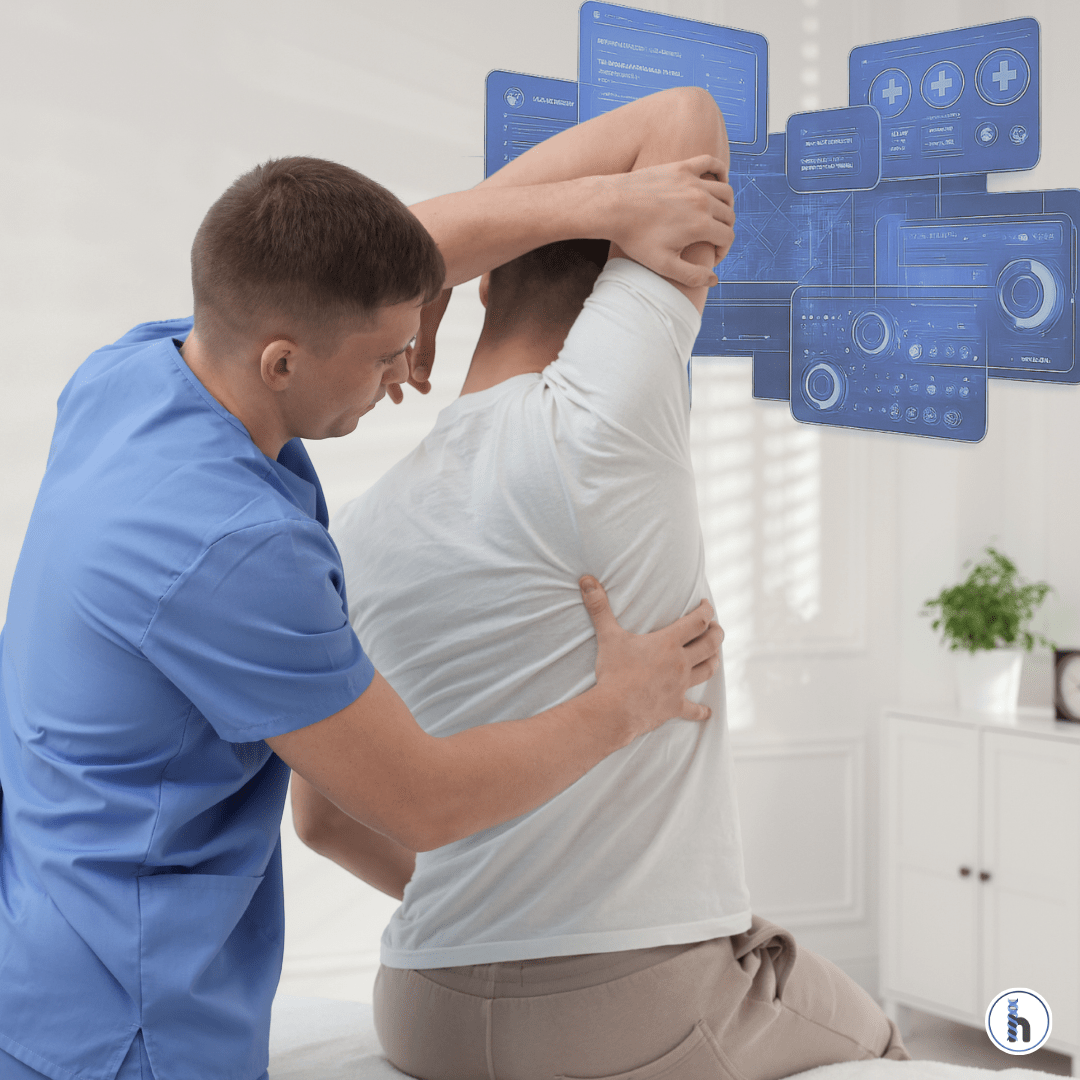
Physical therapist assessing a patient’s arm mobility in a rehab clinic as part of a treatment plan that may include chiropractic care for chronic pain.

1. Chiropractic for Sciatica: Addressing Nerve Compression

Sciatica (radiating leg pain from lumbar nerve compression) often stems from:

    • Herniated discs pressing on nerve roots
    • Piriformis syndrome (tight muscle compressing the sciatic nerve)
    • Sacroiliac (SI) joint dysfunction altering nerve pathways

How Chiropractic Adjustments Help

Spinal manipulation, specifically lumbar adjustments, can reduce disc pressure and relieve nerve irritation. Correcting SI joint dysfunction may also decrease sciatic nerve tension.

PT/OT Integration Example

A patient with limited forward bending due to sciatic pain may benefit from:

    • Chiropractic: Lumbar decompression to improve spinal mobility.
    • Physical Therapy: PT-guided nerve glides and core stabilization exercises to prevent recurrence.
    • Functional Improvements: Increased sit-to-stand tolerance and improved gait symmetry.

2. Chiropractic for Arthritis Pain: Restoring Joint Function

Arthritis, especially osteoarthritis, leads to stiff, inflamed joints and compensatory movement patterns.

How Chiropractic Adjustments Help

Gentle, low-force mobilizations can improve joint play without aggravating inflammation. By correcting spinal posture, adjustments may also decrease uneven loading on affected joints like the hips and knees.

PT/OT Integration Example

A patient with knee osteoarthritis and a stiff lumbar spine might receive:

    • Chiropractic: Adjustments to improve hip and spine mobility, reducing strain on the knee.
    • Physical Therapy: PT-prescribed quadriceps strengthening to better support the knee joint.
    • Functional Improvements: Better stair-climbing ability and increased overhead reach.

3. Chiropractic for Migraines: Reducing Cervical Nerve Irritation

Chronic migraines are often linked to cervicogenic (neck-related) issues, including C1-C3 nerve irritation, forward head posture, or TMJ dysfunction.

How Chiropractic Adjustments Help

Upper cervical adjustments may reduce nerve-mediated migraine triggers. Postural re-education and TMJ alignment can also decrease muscle tension contributing to headaches.

PT/OT Integration Example

A patient with desk-job-related migraines could benefit from:

    • Chiropractic: Cervical spine adjustments to improve nerve function.
    • Occupational Therapy: OT-prescribed ergonomic modifications (e.g., monitor height).
    • Physical Therapy: PT-guided neck stabilization exercises.
    • Functional Improvements: Fewer workday migraine interruptions and improved neck rotation.

Tracking Progress with HelloNote EMR

    • Compare pre/post spinal mobility (e.g., cervical ROM for migraine patients).
    • Log pain frequency/triggers to identify trends.
    • Share data with referring providers for seamless coordinated care.

Final Verdict: Is This an Effective Part of Chronic Pain Management?

    • Sciatica? Helpful for nerve-related cases (when combined with PT).
    • Arthritis? Beneficial for maintaining joint mobility (not a cure).
    • Migraines? Effective if cervicogenic (neck-related).

For PTs/OTs, chiropractic care is a valuable tool—not a standalone fix. By integrating adjustments with rehab exercises, therapists can help patients achieve lasting pain relief.

Key Takeaway

Chiropractic care isn’t just about “cracking backs” it’s about restoring optimal movement so patients can return to daily life. For clinics documenting these complex cases, HelloNote EMR ensures no critical detail is overlooked in the patient’s journey to recovery.

Q1. Can a chiropractor help with sciatica?

Yes, especially for sciatica caused by herniated discs, SI joint dysfunction, or piriformis syndrome. Chiropractic spinal manipulation can help reduce pressure on the sciatic nerve. For best results, it should be combined with physical therapy to strengthen supporting muscles and prevent recurrence.

Q2. Is chiropractic safe for arthritis?

For osteoarthritis, gentle, low-force chiropractic mobilization is generally considered safe and effective for improving joint mobility and reducing stiffness. It is not a cure but can be a valuable part of a pain management plan. However, for inflammatory arthritis (like Rheumatoid Arthritis), adjustments may be contraindicated during a flare-up.

Q3. How does chiropractic help migraines?

For osteoarthritis, gentle, low-force chiropractic mobilization is generally considered safe and effective for improving joint mobility and reducing stiffness. It is not a cure but can be a valuable part of a pain management plan. However, for inflammatory arthritis (like Rheumatoid Arthritis), adjustments may be contraindicated during a flare-up.

Q4. Should a physical therapist refer a patient to a chiropractor?

Yes, a referral is appropriate when a patient’s limited mobility appears to be caused by joint restriction or spinal misalignment that isn’t resolving with therapy alone. The best outcomes occur when PTs and chiropractors collaborate, with the chiropractor restoring joint mechanics and the therapist strengthening the surrounding muscles.

Q5. Can chiropractors and physical therapists work together?

Absolutely. PTs and chiropractors complement each other: chiropractors restore joint alignment and mobility, while PTs/OTs strengthen supportive muscles, correct movement patterns, and prevent symptoms from returning. Coordinated care often results in faster and more lasting pain relief.

Chiropractic and Massage Therapy for Rehabilitation: A Recovery Plan for Therapists

Table of Contents

For physical and occupational therapists, building an effective injury recovery plan often requires more than just traditional rehab techniques. Integrating chiropractic and massage therapy for rehabilitation can offer a more holistic path to healing. While chiropractic adjustments restore joint alignment and nerve function, massage therapy addresses soft tissue restrictions together supporting better outcomes.

This guide outlines actionable rehab strategies for physical therapists using this integrated model, and shows how HelloNote EMR can help document and track injury recovery progress seamlessly.

Physical therapist and chiropractor collaborating on an injury recovery plan with a patient during rehabilitation, showcasing integrated chiropractic and massage therapy for rehabilitation.

Why Combine Chiropractic and Massage Therapy for Rehabilitation?

Combining chiropractic and massage therapy for rehabilitation allows therapists to treat both structural and soft tissue dysfunctions. This dual approach improves mobility, reduces pain, and accelerates healing especially when tailored to common musculoskeletal injuries.

Chiropractic Benefits

    • Restores proper joint mechanics (e.g., spinal or shoulder adjustments)
    • Reduces nerve compression (e.g., sciatica, radiculopathy)
    • Improves proprioception and motor control (especially for chronic instability)

Massage Therapy Benefits

    • Relieves muscle tightness and adhesions (e.g., post-injury scar tissue)

    • Increases circulation and lymphatic drainage

    • Lowers muscle guarding and compensatory movement patterns

Clinic Owner Tip: This multidisciplinary model expands your service offerings and helps deliver better patient outcomes while improving documentation flow with HelloNote EMR.

Injury Recovery Plan for Therapists: A Multimodal Approach

Below are three common clinical cases showing how chiropractic, massage therapy, and PT/OT rehab work together.

Rotator Cuff Strains & Shoulder Impingement

Chiropractic Care

    • Thoracic spine mobilization for better scapular control
    • Glenohumeral joint adjustments to restore overhead reach

Massage Therapy

    • Myofascial release to pectoralis minor and infraspinatus
    • Cross-friction for scar tissue and tendon adherence

PT/OT Rehab

    • External rotation strengthening with bands
    • Scapular stabilization (wall slides, prone Y’s)

EMR Tip:

Use HelloNote to track shoulder ROM and pain levels pre/post session.

Ankle Sprains & Chronic Instability

Chiropractic Care

    • Talocrural adjustments

    • Fibular mobilization

Massage Therapy

    • Peroneal + calf release

    • Manual lymph drainage

PT/OT Rehab

    • Balance training
    • Eccentric calf strengthening

Progress Tracking:

Log improvements in hop distance and balance metrics in HelloNote.

Low Back Pain (Acute & Chronic)

Chiropractic Care

    • SI joint & lumbar adjustments
    • Pelvic alignment correction

Massage Therapy

PT/OT Rehab

    • Core activation (e.g., bird-dogs, dead bugs)
    • Hip mobility and hamstring flexibility routines

Outcome Tracking:

Document improvements in HelloNote EMR.

Structuring a Phased Rehab Plan

A clear timeline helps guide both clinical care and EMR documentation.

Phase 1: Acute (0–2 Weeks)

    • Chiropractic: Gentle mobilizations for pain relief
    • Massage: Light effleurage to reduce swelling
    • PT/OT: Protected range-of-motion exercises

Phase 2: Subacute (2–6 Weeks)

    • Chiropractic: More targeted adjustments
    • Massage: Deeper work for adhesions
    • PT/OT: Strengthening + neuromuscular re-education

Phase 3: Return to Function (6+ Weeks)

    • Chiropractic: Maintenance care
    • Massage: Sport/work-specific bodywork
    • PT/OT: Functional drills and return-to-play protocols

Documentation Tip

Use HelloNote EMR for documenting rehab milestones and tracking changes over time.

EMR for Documenting Rehab Progress

Using an EMR designed for therapists helps keep multi-provider care organized. HelloNote EMR allows you to:

    • Log chiropractic adjustments and soft tissue findings

    • Track patient-reported outcomes and functional tests

    • Share progress notes across care teams (e.g., ortho, trainers)

    • Automate SOAP notes tied to each discipline

Whether you’re a solo practitioner or a multidisciplinary clinic, HelloNote makes it easier to track injury recovery progress EMR-wide with no extra steps.

Final Takeaways for Therapy Clinics

    • Chiropractic and massage therapy for rehabilitation supports faster recovery by addressing joint and soft tissue dysfunction together.

    • Building an effective injury recovery plan for therapists means integrating hands-on techniques with active rehab strategies.

    • These rehab strategies for physical therapists improve outcomes and reduce re-injury risk.

    • Using an EMR for documenting rehab like HelloNote simplifies communication and data tracking.

    • To fully track injury recovery progress EMR-based, therapists need smart, integrated tools that match how they work.

Want to see how HelloNote can support your integrated care model?
Book a free demo today and discover how to streamline your clinic’s documentation, billing, and outcomes.

Frequently Asked Questions (FAQ)

Q1: Why combine chiropractic and massage therapy for rehabilitation?

Chiropractic improves joint alignment while massage reduces soft tissue tension, providing more complete recovery than either technique alone.

Q2: What rehab strategies can physical therapists use with chiropractic and massage?

Joint mobilization, soft tissue release, strengthening, balance training—all enhanced when paired with adjustments and massage therapy.

Q3: How can therapists track injury recovery progress in an EMR?

Use HelloNote EMR to track ROM, pain levels, strength tests, and soft tissue changes throughout the recovery process.

Q4: What role does EMR play in multi-provider rehab?

An EMR keeps chiropractic, PT, and massage documentation aligned, improving care continuity and communication.

Q5: Is chiropractic and massage therapy safe to integrate with PT/OT rehabilitation?

Yes—when applied correctly. Collaboration ensures adjustments and soft tissue work align with active rehab goals.

Sports Massage for Athletes: Benefits, Techniques, and Rehab Integration

Table of Contents

For physical and occupational therapists, sports massage for athletes is a powerful, hands-on tool to accelerate recovery, prevent re-injury, and achieve superior performance. While therapeutic exercise is foundational, integrating targeted massage techniques elevates a standard rehabilitation plan. This guide explores the key clinical benefits of sports massage and how to apply it in your practice.

What is Sports Massage (and How Is It Different)?

Physical therapist assessing an athlete’s knee injury on a track as part of a sports massage for athletes recovery plan.

Unlike a relaxing Swedish massage or a generalized deep tissue massage, sports massage is a targeted therapy designed for the specific needs of an athlete. It uses a combination of techniques, including stroking, kneading, trigger point therapy, and stretching, to address the muscles and connective tissues stressed during athletic activity. The primary goal is not just relaxation, but functional restoration and performance enhancement.

The Top 5 Clinical Benefits of Sports Massage

Integrating sports massage delivers measurable outcomes that directly support physical and occupational therapy goals.

1. Accelerates Muscle Recovery and Reduces Soreness

Intense training leads to microscopic muscle tears and inflammation, causing delayed onset muscle soreness (DOMS). Studies show that sports massage significantly improves blood flow, which helps flush out metabolic byproducts (like lactic acid) and deliver oxygen-rich blood to tissues, speeding up the repair process.

2. Improves Flexibility and Range of Motion

Repetitive movements can create adhesions and stiffness in muscles and fascia. Techniques like myofascial release break down these restrictions. For an athlete recovering from ACL reconstruction, targeted soft tissue work on the quadriceps and hamstrings can be critical for restoring full knee extension and flexion.

3. Reduces the Risk of Future Injuries

By keeping muscles pliable and elastic, sports massage helps prevent the strains and tears that often occur when tight muscles are pushed too hard. Regular massage allows therapists to identify and treat potential problem areas, like trigger points or excessive tension, before they lead to a major injury.

4. Corrects Muscular Imbalances and Poor Patterns

Athletes often develop compensatory patterns to work around a weak or injured area. Massage helps release tension in these overworking muscles, allowing therapists to retrain proper movement. For a runner with chronic IT band syndrome, releasing tightness in the hip and gluteal muscles is key to restoring a balanced, symmetrical gait.

5. Enhances Proprioception and Body Awareness

Muscle tightness can dull the nerve signals that contribute to proprioception (your sense of body position), increasing the risk of missteps and sprains. By releasing this tension, massage enhances the body’s neuromuscular feedback loop, improving balance and coordination—an invaluable benefit for any athlete.

When to Use Sports Massage: Pre-Event vs. Post-Event

The application of sports massage varies depending on the timing relative to competition.

    • Pre-Event Massage: A shorter, more stimulating massage performed 15-45 minutes before an event. It focuses on increasing circulation and warming up key muscle groups without causing excessive relaxation.

    • Post-Event Massage: Performed within a few hours after competition, this massage is slower and more restorative. The goal is to calm the nervous system, reduce inflammation, and begin the recovery process.

Documenting Sports Massage to Prove Outcomes

To truly demonstrate the value of sports massage, precise documentation is crucial. Tracking interventions and their results validates the treatment’s effectiveness and informs future sessions. This is where a specialized EMR becomes essential.

HelloNote allows therapists to seamlessly document massage interventions in their SOAP notes, quantitatively track range-of-motion improvements with built-in goniometry tools, and generate clear progress reports. This ensures that you can prove the functional gains your athletes are making with every session.

Elevate Your Practice with Sports Massage

Sports massage is not a luxury it’s an evidence-based therapeutic tool that produces significant clinical outcomes. By incorporating these techniques into your PT/OT practice, you help athletes recover faster, move better, and return to sport stronger and more resilient.

Frequently Asked Questions About Sports Massage for Athletes

Q1. Is sports massage good for athletes?

Yes. It is designed to address athletic strain, accelerate recovery, prevent injuries, and improve flexibility and muscle function.

Q2. What is the difference between a sports massage and a deep tissue massage?

Sports massage is targeted toward sport-specific muscle groups and may include stretching.
Deep tissue massage broadly addresses chronic tension throughout the body.

Q3. How often should an athlete get a sports massage?

Serious athletes benefit from sessions every 1–2 weeks.
Recreational athletes may do well with once per month.

Q4. What is a therapist for athletes called?

Titles include Sports Physical Therapist (DPT), Certified Athletic Trainer (ATC), or Sports Massage Therapist (LMT).

Q5. What is the difference between a sports massage and a deep tissue massage?

A deep tissue massage focuses broadly on relieving chronic muscle tension throughout the body. A sports massage is more targeted; it uses a variety of techniques to address the specific muscles used in an athlete’s sport to improve performance, prevent injury, and speed up recovery.

Q6. What is physical therapy for athletes?

Physical therapy for athletes, also known as sports physical therapy, is a specialized branch of healthcare focused on preventing, evaluating, and treating sports-related injuries. It aims to restore an athlete’s function, strength, mobility, and sport-specific skills to facilitate a safe return to play.

Q7. How does therapy help athletes?

Therapy helps athletes by accelerating recovery from injury, reducing pain and inflammation, improving flexibility and range of motion, correcting movement dysfunctions, preventing future injuries through corrective exercise, and ultimately enhancing overall athletic performance.

Chiropractic and PT Integration: A Collaborative Approach to Better Sports Injury Recovery

Table of Contents

For modern therapy clinics aiming to elevate care, the path forward is through collaboration. The strategic implementation of a chiropractic and PT integration model is more than just a new service line; it’s a fundamental shift towards a more holistic and effective interdisciplinary care model. For therapy clinics striving to be the top choice in their local community, this integrated approach is a powerful differentiator that leads to superior patient outcomes.

Chiropractor and physical therapist working together on a patient during an integrated treatment session, demonstrating a chiropractic and PT integration model in a clinical setting.

The Power of an Interdisciplinary Care Model in Sports Medicine

This collaborative model leverages the unique skills of multiple providers to achieve a common goal. In sports medicine, this means combining the diagnostic and manual treatment of neuromuscular disorders by a chiropractor with the functional and exercise-based rehabilitation from a PT.

When this expertise is combined, the benefits for athletes are twofold: enhanced sports injury recovery and proactive performance optimization.

Enhancing Patient Outcomes with Chiropractic and PT Integration

Advanced Sports Injury Recovery with Manual Therapy

Athletes often suffer from a complex mix of issues following an injury. A chiropractor can perform adjustments and soft tissue mobilization to reset joint alignment, while a PT focuses on strengthening the surrounding muscles. This synergistic partnership shortens the rehabilitation timeline and improves functional outcomes.

Restoring Neuromuscular Function After Injury

Chiropractic adjustments can positively influence proprioceptive input and spinal reflexes, which is highly relevant in post-concussion rehabilitation. This work helps reset dysfunctional neuromotor pathways, creating a better foundation for a PT focused on gait retraining or improving motor planning.

Proactive Care for Better Return-to-Play Results

A key advantage of this collaborative approach is its focus on prevention. By identifying and addressing asymmetries early, the collaborative team can reduce the risk of overuse syndromes and design a more robust return-to-play protocol for athletes.

How to Manage a Multidisciplinary Therapy Clinic: Key Considerations

For clinic owners, expanding services requires careful planning. Success depends on clear protocols for collaboration, including clear documentation and collaborative progress tracking. Administrators must also align the scope of practice, credentialing, and billing procedures to create a seamless patient experience.

The EMR Solution for a Truly Integrated Clinic

Bringing a chiropractor onto your team creates a major challenge: siloed communication. Without the right system, shared goals can be undermined by disjointed notes and a lack of real-time information.

At HelloNote, we designed our EMR to solve this exact problem.

Our platform provides a single source of truth where your PTs, OTs, and chiropractors contribute to one unified patient story. SOAP Notes, progress reports, and outcome measures are instantly accessible to the entire team. With customizable templates and collaborative goal tracking, HelloNote provides the integrated framework you need to confidently manage your practice.

Implementing this strategy can help your clinic become the go-to provider for athletes in your area.

Frequently Asked Questions About Integrated Care

Q1. Can a chiropractor and a PT work together?

Yes, absolutely. A successful collaboration between a chiropractor and a PT allows them to focus on their respective strengths—functional exercise and spinal alignment—leading to more comprehensive sports injury recovery.

Q2. What are the benefits of integrated sports medicine?

The primary benefits include faster recovery times, more holistic patient care, and a reduced risk of re-injury. By combining disciplines, clinics can address an injury from multiple angles, leading to better outcomes and a quicker, safer return-to-play.

Q3. How do you manage a multidisciplinary therapy clinic?

Successful management hinges on shared goals, open communication, and a unified technology platform. A robust EMR is critical for sharing SOAP Notes and tracking progress in a collaborative setting involving both chiropractors and PTs.

Q4. Should you go to the chiropractor before or after PT?

The ideal sequence depends on your specific treatment plan for that day. In a truly integrated clinic, your providers communicate and decide the best order to maximize your session’s effectiveness for instance, an adjustment before therapy to improve mobility for exercises. A unified EMR is key to coordinating this schedule.

Q5. Can a chiropractor refer you to PT?

Yes. In many states with direct access, a chiropractor can evaluate a patient and refer them directly to a physical therapist if they identify a need for rehabilitative exercise or functional training. This seamless handoff is a core benefit of an interdisciplinary care model.

Types of EMR Software | Best Guide for Therapy Practices

Table of Contents

An Electronic Medical Record (EMR) is the operational backbone of a modern therapy practice. But with countless systems on the market, understanding the different types of EMR software is the first step in choosing a platform that fits your clinic’s needs.

The primary difference lies in how the software is deployed and where your data is stored (Cloud vs. On-Premise). However, other key classifications, like whether the EMR is specialty-specific, also play a crucial role. This guide breaks down all the major types to help you make an informed decision.

Comparison graphic showing cloud-based EMR, on-premise EMR, and hybrid EMR systems, illustrating the different types of EMR software for therapy clinics.

Part 1: Deployment-Based EMR Types

This is the most fundamental classification, defining where your software and data live.

1. Cloud-Based EMR

A cloud-based EMR is hosted on secure, remote servers managed by the EMR vendor (like HelloNote). You access it securely via the internet from any device. This is the most popular model for modern therapy practices.

    • Best For: Most modern solo, small, and growing therapy practices.
    • Pros: Lower upfront costs, accessibility from anywhere, automatic security and feature updates, minimal IT burden.
    • Cons: Requires a stable internet connection.

2. On-Premise EMR

An on-premise EMR is installed directly onto your clinic’s local servers. Your practice is responsible for all maintenance, security, and backups.

    • Best For: Large institutions with a dedicated IT department and policies requiring on-site data storage.
    • Pros: Complete physical control over your data; does not require internet for access.
    • Cons: Very high upfront costs for hardware and licensing; full burden of IT maintenance, security, and manual updates.

3. Hybrid EMR

A hybrid system combines an on-premise server for local data storage with a cloud component for syncing and remote access.

    • Best For: Large organizations with complex needs and the IT resources to manage a more complicated infrastructure.
    • Pros: Offers a balance of local control and remote flexibility.
    • Cons: Can be the most complex and expensive to set up and maintain; less common for therapy clinics today.

Part 2: Other Key EMR Classifications

Beyond the deployment model, you should also consider these important distinctions.

Specialty-Specific vs. General EMR

    • Specialty-Specific EMR (Recommended): This type of EMR is designed from the ground up for a specific field, like physical, occupational, or speech therapy. It includes relevant templates (SOAP notes), built-in CPT codes for therapy, functional goal tracking, and workflows that match how a therapist actually works. HelloNote is a specialty-specific EMR for therapy.
    • General EMR: This is a one-size-fits-all system designed for general medical practices. While it can store records, it often lacks the specific documentation and billing features that a therapy clinic needs, leading to inefficient workarounds and frustration.

Open-Source vs. Proprietary EMR

    • Proprietary EMR: This is the most common type. The software is owned and managed by a company (like HelloNote) that provides the license, support, and updates for a fee.
    • Open-Source EMR: The source code for the software is free and publicly available. While the software itself is free, a clinic would need to hire an expert IT team to install, customize, secure, and maintain it, which can be very costly and complex.

Conclusion: Choosing the Right Model for Your Clinic

Understanding the different types of EMR software is crucial. For most modern therapy clinics, a cloud-based, specialty-specific system provides the ideal balance of power, flexibility, and security. It allows you to focus on patient care, not on managing complex IT infrastructure.

HelloNote offers a powerful, cloud-based EMR designed by therapists, for therapists. Book your free demo today to see how our platform can empower your clinic.

Frequently Asked Questions About Types of EMR Software

Q1. What type of EMR is best for a therapy practice?

For nearly all modern therapy practices, a cloud-based, specialty-specific EMR is the best choice. It offers the most flexibility, the lowest upfront cost, and the highest level of security and support without requiring an in-house IT department.

Q2. What is the most used EMR system?

While large EMR systems like Epic and Cerner are common in hospitals, they are not designed for outpatient therapy. Among independent therapy practices, the most widely used systems are cloud-based, therapy-specific EMRs. The “best” one is the one that best fits your specific workflow, and HelloNote is a leading choice in this category.

Q3. Is a cloud-based EMR secure?

Yes, when provided by a reputable, HIPAA-compliant vendor. Reputable cloud EMRs use advanced encryption and security protocols that are often more robust and consistently updated than what a small clinic can manage on its own. They handle the backups, security updates, and server maintenance for you.

Q4. How many EMR platforms are there?

There are hundreds of certified EMR platforms available in the United States. However, the number of platforms designed specifically for the needs of outpatient rehabilitation therapy (PT, OT, SLP) is much smaller, making it easier to narrow down your choices and find a true specialty-specific solution.

Chiropractic Care for Stress and Sleep: How Nervous System Regulation Supports Better Rest

Table of Contents

Chiropractic care is often associated with back pain and joint alignment, but its impact reaches far beyond musculoskeletal relief. For many patients, chiropractic care plays a meaningful role in reducing stress and improving sleep quality by supporting nervous system regulation.

As more people seek natural, non-pharmacological ways to manage stress and sleep problems, chiropractors are increasingly positioned as part of a broader wellness approach—one that addresses how the spine, nervous system, and stress response are connected.

This article explores how chiropractic care for stress and sleep works, what the research suggests, and how clinics can integrate this approach into patient care responsibly and effectively.

Understanding the Stress–Sleep Connection

Stress and sleep are tightly linked. Chronic stress keeps the body in a heightened state of alert, making it difficult to fall asleep, stay asleep, or reach deeper stages of rest.

Chiropractor providing gentle spinal adjustment to help reduce stress and support relaxation in a calm wellness clinic

How Stress Disrupts Sleep

When stress persists:

    • Cortisol levels remain elevated
    • Muscle tension increases
    • Heart rate and breathing stay elevated
    • The nervous system struggles to shift into a restorative state

Over time, this imbalance contributes to poor sleep quality, insomnia, and fatigue, even when patients are exhausted.

Why Nervous System Regulation Matters

The spine protects the spinal cord, which acts as the communication highway between the brain and the body. When spinal function is impaired, nervous system signaling may become less efficient contributing to prolonged stress responses.

This is where chiropractic care becomes relevant.

How Chiropractic Care May Help Reduce Stress Naturally

Chiropractic care focuses on improving spinal motion and nervous system communication, which can influence how the body responds to stress.

Supporting Autonomic Nervous System Balance

One of the primary ways chiropractic adjustments may help reduce stress is by encouraging balance between:

    • The sympathetic nervous system (fight-or-flight)
    • The parasympathetic nervous system (rest-and-digest)

Improved balance supports relaxation, recovery, and emotional regulation.

Reducing Physical Tension Linked to Stress

Stress often shows up physically as:

    • Neck and shoulder tightness
    • Jaw clenching
    • Headaches
    • Mid-back tension

By addressing joint restrictions and muscular tension, chiropractic adjustments may help reduce the physical load that reinforces stress patterns.

Influencing Stress-Related Biomarkers

Some research suggests spinal adjustments may positively influence:

    • Heart rate variability (HRV)
    • Cortisol levels
    • Endorphin and serotonin release

These changes are associated with improved stress resilience and emotional regulation.

Lorem ipsum dolor sit amet, consectetur adipiscing elit. Ut elit tellus, luctus nec ullamcorper mattis, pulvinar dapibus leo.

How Chiropractic Care May Improve Sleep Quality

Better sleep is often a downstream effect of reduced pain, lower stress, and improved nervous system regulation.

Pain Reduction and Sleep Quality

Pain is one of the most common reasons people struggle with sleep. Chiropractic care addresses spinal and joint dysfunction that can contribute to:

    • Nighttime discomfort
    • Difficulty finding a comfortable sleeping position
    • Frequent awakenings

Reducing pain supports deeper, more restorative sleep cycles.

Enhancing the Body’s Relaxation Response

Many patients report feeling deeply relaxed after chiropractic adjustments. This relaxation response supports:

    • Slower heart rate
    • Reduced muscle tone
    • Easier sleep onset

Over time, consistent care may help the body enter this relaxed state more easily at night.

Supporting Healthy Sleep–Wake Cycles

By improving nervous system communication, chiropractic care may support more consistent circadian rhythms helping patients fall asleep and wake more naturally.

What Research Says About Chiropractic for Stress and Sleep

While research continues to evolve, existing studies suggest potential benefits:

    • Improvements in relaxation markers following spinal adjustments
    • Reduced muscle tension and improved sleep in patients with musculoskeletal pain
    • Clinical observations linking pain reduction with better sleep quality

Chiropractic care should be viewed as supportive, not standalone, within a broader wellness strategy.

Integrating Chiropractic Care Into a Holistic Wellness Approach

Chiropractic care is most effective when combined with:

    • Physical therapy or movement-based rehab
    • Stress management education
    • Sleep hygiene coaching
    • Lifestyle and ergonomic guidance

Patient Education and Expectations

Patients benefit when providers explain that chiropractic care:

    • Supports nervous system regulation
    • Complements not replaces other treatments
    • Focuses on functional improvement, not quick fixes

How Documentation Supports Integrated Care

Tracking outcomes related to stress and sleep helps clinics:

    • Demonstrate functional improvement
    • Adjust care plans appropriately
    • Coordinate with other providers

Structured documentation can track:

    • Pain levels
    • Sleep quality changes
    • Stress-related symptoms
    • Functional progress over time

Frequently Asked Questions About Chiropractic Care for Stress and Sleep

Q1. Can chiropractic care really help with stress?

Yes. Chiropractic care may help reduce stress naturally by supporting nervous system balance, reducing muscle tension, and promoting relaxation responses.

Q2. Can a chiropractor help improve sleep quality?

Many patients report better sleep after chiropractic care, especially when pain, tension, or nervous system overactivation is contributing to poor sleep.

Q3. How long does it take to see sleep improvements with chiropractic care?

Some patients notice changes quickly, while others experience gradual improvements with consistent care.

Q4. Is chiropractic care safe for people with anxiety or sleep disorders?

Chiropractic care is generally safe when delivered by a licensed provider, though patients should always discuss health conditions beforehand.

Q5. Does chiropractic care replace sleep medication or therapy?

No. Chiropractic care supports overall wellness and works best alongside medical care, behavioral therapy, and healthy sleep habits when needed.

Massage Therapy vs. Chiropractic Care: Choosing the Right Path to Pain Relief

Table of Contents

When pain starts affecting your daily routine, choosing the right treatment becomes a top priority. One of the most common comparisons people search for is massage therapy vs chiropractic care and for good reason. Both therapies help reduce pain, improve mobility, and support recovery, but they work in very different ways.

This guide helps you understand how each approach works, when to choose one over the other, and how therapy professionals can use EMR tools like HelloNote to support patient outcomes.

Understanding Massage Therapy

Massage therapy focuses on soft tissue manipulation the muscles, tendons, ligaments, and fascia that support movement. It helps reduce tension, improve circulation, and enhance flexibility.

Side-by-side comparison of massage therapy vs chiropractic care showing a therapist performing soft tissue work and a chiropractor adjusting a patient’s neck.

When Massage Therapy Is a Good Choice

Massage may be the right option if your goal is to:

    • Increase range of motion by releasing soft-tissue restrictions
    • Reduce muscle tension from stress, posture, or overuse
    • Improve circulation and support natural healing
    • Promote relaxation, which can indirectly ease pain

Therapists often recommend massage when pain stems from tight muscles, minor strains, or movement restrictions caused by soft-tissue dysfunction.

Understanding Chiropractic Care

Chiropractic care focuses on the musculoskeletal system, particularly the spine and its impact on the nervous system, making it a strong option in the massage therapy vs chiropractic care discussion for structural or alignment-based pain.

When Chiropractic Care Is a Good Choice

Chiropractic care may be recommended when your goals include:

    • Improving spinal alignment

    • Reducing nerve compression that affects mobility or causes radiating pain

    • Treating localized issues such as back pain, neck pain, sciatica, or certain headaches

    • Improving nervous system function for better movement patterns

Chiropractic treatment often addresses the structural root cause of pain.

Massage Therapy vs Chiropractic Care: Key Differences

Here’s how the core techniques differ in their approach to alleviating discomfort when comparing massage therapy vs chiropractic care for pain relief.

Soft Tissue Manipulation (Massage)

    • Targets muscles and fascia

    • Reduces inflammation in soft tissues

    • Improves mobility and flexibility

    • Supports circulation-driven healing

Spinal Adjustments (Chiropractic)

    • Corrects mechanical misalignments

    • Reduces nerve irritation

    • Restores normal joint movement

    • Improves neurological function involved in posture and coordination

The right option depends on the source of your pain, which is why evaluation by a licensed professional is so important.

Why You Should Consult a Professional Before Choosing

Self-diagnosis can delay proper treatment. Consulting a licensed massage therapist, chiropractor, or physical therapist ensures you receive:

    • An accurate diagnosis

    • A personalized treatment plan

    • Guidance on whether massage, chiropractic care, or both are appropriate

    • Safety screening if you have health conditions that require caution

Professionals can determine whether your pain stems from muscle tightness, structural misalignment, or a combination of both.

For Therapy Professionals: Helping Patients Decide

Therapists play a crucial role in helping patients navigate the massage therapy vs chiropractic care decision. Understanding when to recommend soft tissue work versus spinal adjustments improves outcomes and builds patient trust.

How HelloNote EMR Supports Better Clinical Decision-Making

Regardless of the method chosen, high-quality care depends on accurate documentation, clear communication, and efficient workflow management.

With HelloNote EMR, therapists can:

Track Patient Goals

Document progress toward range-of-motion improvements, mobility goals, or pain reduction.

Coordinate Multi-Disciplinary Care

If a patient sees both a chiropractor and a massage therapist, HelloNote helps unify documentation for smoother collaboration.

Educate Patients with Clear Data

Progress reports help patients understand why a certain treatment is recommended and how well it’s working.

Final Thoughts: Which One Is Better for Pain Relief?

Both therapies offer meaningful benefits massage for soft-tissue issues and chiropractic care for structural alignment problems. For many people, the best solution is a combination of both, guided by professional evaluation.

Understanding your pain source and consulting the right provider is the first step toward lasting relief.

Frequently Asked Questions (FAQ)

Q1. Is massage therapy or chiropractic care better for pain relief?

The answer depends on what’s causing your pain. Massage therapy is best for soft-tissue issues like muscle tightness, trigger points, and limited flexibility. Chiropractic care is better for structural problems such as spinal misalignment, joint restrictions, sciatica, or nerve irritation.

Q2. Can I combine massage therapy and chiropractic care?

Yes. Many patients benefit most from a combined approach. Massage prepares the muscles by releasing tension, and chiropractic adjustments restore joint mechanics—together supporting longer-lasting pain relief.

Q3. How do I know which therapy I need?

A licensed professional must evaluate your symptoms. They can determine whether your pain comes from muscles, joints, nerves, or a combination of these. Consulting a therapist, chiropractor, or PT ensures you choose the safest and most effective path.

Q4. Are massage therapy and chiropractic care safe?

Both treatments are safe when provided by licensed, trained professionals. Certain health conditions may require caution such as osteoporosis, fractures, or cardiovascular conditions so always disclose your medical history before treatment.

Q5. How can therapists document progress for massage or chiropractic treatment?

An EMR like HelloNote allows providers to track range of motion, pain ratings, functional goals, and treatment notes in one integrated system. This helps streamline clinical workflows and ensures clear communication across disciplines.

Massage Therapy Insurance: What Therapists Need to Know for Coverage, Billing, and Compliance

Table of Contents

Massage therapy plays a valuable role in pain management, injury recovery, and overall rehabilitation. Yet for many clinics and massage therapists, navigating massage therapy insurance requirements can feel overwhelming. Coverage rules vary widely by payer, documentation standards are strict, and billing errors often lead to delayed or denied claims.

Understanding how insurance reimbursement works and how to document massage therapy correctly is essential for practices that want to get paid consistently while staying compliant.

This guide breaks down how massage therapy insurance works, when services may be covered, and how the right EMR system can make the entire process easier.

Massage therapist providing treatment while using tablet-based documentation to support massage therapy insurance billing and clinical records.

What Is Massage Therapy Insurance?

Massage therapy insurance refers to insurance plans that reimburse massage therapy services when they are deemed medically necessary and properly documented. Coverage is most common when massage therapy is part of a broader rehabilitation or treatment plan, often tied to physical therapy, occupational therapy, or injury recovery.

Insurance for massage therapy coverage is typically seen in:

Direct coverage under Medicare is rare, but massage therapy is often reimbursed when billed under supervised or integrated care models.

When Massage Therapy Is Covered by Insurance

Massage therapy is not automatically covered by insurance. In most cases, coverage depends on medical necessity and how the service is positioned within a broader plan of care.

Insurance providers are more likely to reimburse massage therapy when it is:

  • Part of a documented rehabilitation or treatment plan

  • Prescribed or delegated by a licensed provider (such as a PT, OT, or physician)

  • Used to treat a specific diagnosis, not for general wellness

  • Properly documented with functional goals and progress notes

Massage therapy insurance reimbursement is commonly tied to conditions such as post-surgical recovery, musculoskeletal injuries, chronic pain, or neurological impairments especially when massage is integrated with skilled therapy services.

Common Limitations and Restrictions

Even when massage therapy is allowed, insurance plans often impose restrictions. These may include:

    • Visit caps or annual limits

    • Coverage only when billed incident-to another provider

    • Denial of standalone massage codes

    • Requirement that massage supports a skilled intervention

Because massage therapy insurance policies vary by payer and state, clinics must verify benefits carefully before treatment begins.

Coding and Documentation Requirements

Accurate documentation is one of the most critical factors in successful reimbursement.

Insurance reviewers expect therapy notes to clearly show:

    • Why massage therapy was necessary

    • How it supports functional improvement

    • How it integrates into the overall plan of care

Massage therapy insurance claims are frequently denied due to vague notes, missing goals, or unclear links between the intervention and patient outcomes.

Strong documentation should include:

    • The patient’s diagnosis and functional deficits

    • Measurable goals tied to treatment

    • Time spent and techniques used

    • Ongoing progress toward outcomes

Why Massage Therapy Claims Get Denied

Denials are common when documentation or workflows fall short. The most frequent issues include:

    • Billing massage as a standalone service

    • Using incorrect or unsupported CPT codes

    • Lack of medical necessity language

    • Missing progress reports or reassessments

    • Inconsistent documentation across visits

Practices that rely on manual workflows or disconnected systems are especially vulnerable to these issues when managing massage therapy insurance claims.

How an EMR Helps Manage Massage Therapy Insurance

An EMR designed for rehab and therapy practices plays a major role in reducing billing friction.

With the right system, clinics can:

    • Align documentation with payer expectations

    • Link massage therapy to functional goals

    • Track visit limits and authorizations

    • Maintain audit-ready notes

HelloNote helps therapy practices manage massage therapy insurance by integrating documentation, billing, and compliance into a single workflow. Instead of juggling spreadsheets, paper notes, and external billing tools, everything stays connected and consistent.

Supporting Massage Therapists Within Multidisciplinary Clinics

Many massage therapists work alongside physical therapists, occupational therapists, and chiropractors. In these settings, insurance coverage is more likely when massage therapy supports skilled care.

HelloNote allows clinics to:

    • Coordinate massage therapy with PT or OT plans of care

    • Maintain consistent documentation across disciplines

    • Clearly demonstrate medical necessity to payers

    • Reduce administrative back-and-forth

This structured approach makes massage therapy insurance billing more predictable and defensible.

Final Takeaway for Clinics and Massage Therapists

Insurance billing doesn’t have to be a barrier to offering massage therapy services. With proper documentation, clear workflows, and the right technology, clinics can reduce denials and protect revenue.

Massage therapy insurance works best when:

    • Services are goal-driven and medically justified

    • Documentation is consistent and audit-ready

    • Billing workflows support payer rules

    • Therapists and admins work from one system

If your practice struggles with insurance billing, documentation consistency, or denied claims, it may be time to rethink your EMR.

Ready to Simplify Insurance-Based Massage Therapy?

HelloNote helps therapy clinics manage documentation, billing, and compliance so massage therapy insurance fits smoothly into insurance-based care.

Book a HelloNote demo to see how we support massage therapists, rehab clinics, and multidisciplinary practices with smarter workflows and cleaner claims.

Frequently Asked Questions About Massage Therapy Insurance

Q1. Is massage therapy covered by insurance?

Coverage depends on medical necessity, payer rules, and proper documentation. Massage therapy insurance is often approved when services are part of a rehabilitation plan.

Q2. Can massage therapists bill insurance directly?

In many cases, massage therapy must be billed under a supervising provider or as part of a skilled therapy plan, depending on payer and state regulations.

Q3. Why do massage therapy insurance claims get denied?

Common reasons include lack of medical necessity, incorrect coding, missing documentation, or billing massage as a standalone service.

Q4. What documentation is required for insurance reimbursement?

Payers typically require diagnosis linkage, functional goals, treatment details, and progress notes that justify continued care.

Q5. How can an EMR help with massage therapy insurance billing?

A therapy-focused EMR like HelloNote keeps documentation, billing, and compliance aligned reducing errors and improving reimbursement outcomes.

How Auto ERA Transforms Payment Posting for Therapy Clinics 

Table of Contents

Payment posting is one of the most time-consuming and error-prone steps in the billing cycle for therapy practices. Between deciphering payer remittance advice, matching payments to claims, and correcting small discrepancies, billing teams often spend hours on work that adds no clinical value.

This is where Auto ERA makes a real difference.

Instead of manually reviewing electronic remittance advice and entering payments line by line, Auto ERA allows eligible payments to post automatically inside your EMR improving speed, accuracy, and financial visibility without increasing staff workload.

For PT, OT, SLP, and chiropractic clinics managing high claim volume, this automation is no longer a “nice to have.” It’s a practical safeguard against billing backlogs and revenue leakage.

What Is Auto ERA?

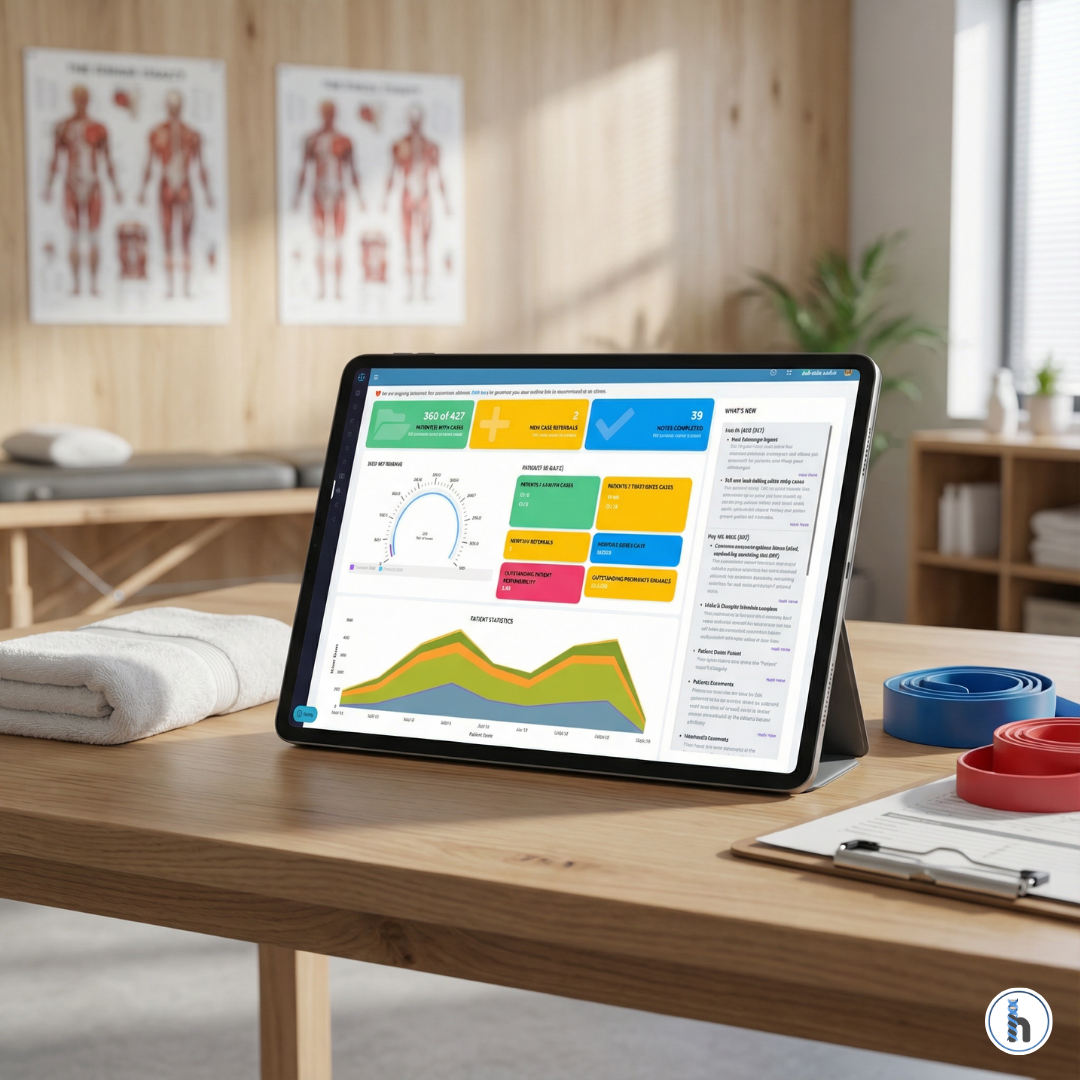
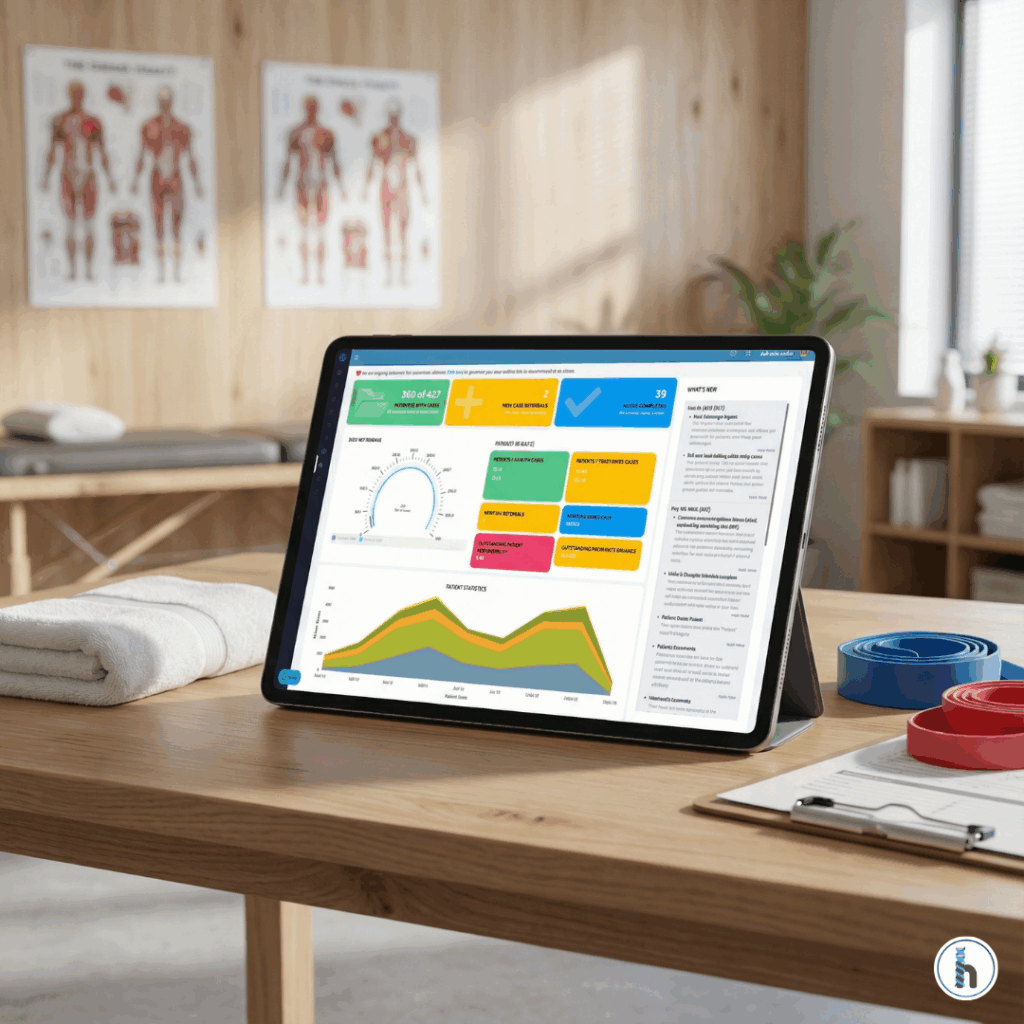
Modern EMR billing dashboard showing automated insurance payments, claims confirmation, and payment posting across desktop and tablet screens in a therapy clinic workspace.

Auto ERA refers to the automated posting of Electronic Remittance Advice (ERA) directly into your EMR system.

When insurance payments are received electronically, the ERA contains detailed information about:

    • Allowed amounts

    • Adjustments

    • Patient responsibility

    • Denials or partial payments

With Auto ERA enabled, the EMR reads this data and applies payments to the correct claims automatically without manual entry.

Why Manual ERA Posting Creates Problems for Therapy Clinics

Many clinics still rely on manual processes for payment posting, even when ERAs are already available electronically. This approach introduces several risks:

    • Increased posting errors from manual data entry

    • Delayed reconciliation, especially during high-volume weeks

    • Missed underpayments that go unnoticed

    • Billing staff burnout from repetitive, low-value work

Over time, these issues impact cash flow, reporting accuracy, and compliance readiness.

The Operational Benefits for Therapy Practices

When Auto ERA is built into an EMR workflow, clinics typically see improvements across multiple areas:

Faster Payment Posting

Payments are reflected in the system sooner, improving real-time financial visibility.

Cleaner Reporting

Accurate posting leads to more reliable A/R, write-off, and revenue reports.

Better Use of Staff Time

Billing teams spend less time on repetitive tasks and more time resolving denials or following up on unpaid claims

Reduced Backlogs

ERA files are processed as they arrive, preventing week-long posting delays.

How Auto ERA Fits Into a Modern EMR Workflow

Auto ERA works best when it is fully integrated into the EMR not layered on as a separate billing tool.

In a well-designed system like HelloNote:

    • ERA files are imported automatically

    • Eligible payments post without manual review

    • Exceptions are clearly flagged for staff attention

    • Payment history remains fully auditable

This creates a billing workflow that is faster, cleaner, and easier to manage as a clinic grows.

Compliance and Audit Considerations

Accurate payment posting is not just about speed it also supports compliance.

Automated ERA posting helps clinics:

    • Maintain consistent adjustment logic

    • Preserve clear audit trails

    • Reduce discrepancies between claims, payments, and reports

For practices working with Medicare, Medicaid, and commercial payers, this consistency reduces audit risk and documentation stress.

Is Auto ERA Right for Every Clinic?

Auto ERA is most valuable for clinics that:

    • Process a steady volume of insurance claims

    • Work with multiple payers

    • Have limited billing staff capacity

    • Want clearer financial reporting without adding headcount

Even smaller practices benefit as soon as claim volume increases beyond what manual posting can reasonably support.

Q1. What does Auto ERA mean in medical billing?

Auto ERA refers to the automated posting of electronic remittance advice into an EMR, allowing insurance payments and adjustments to apply without manual entry.

Q2. Does Auto ERA replace billing staff?

No. It reduces repetitive data entry while allowing billing staff to focus on exceptions, denials, and follow-ups that require human judgment.

Q3. Is Auto ERA safe for insurance compliance?

Yes, when implemented correctly. Automated posting maintains audit trails and consistency, which can improve compliance accuracy.

Q4. Can Auto ERA handle partial payments or denials?

Most systems flag exceptions rather than auto-posting them, ensuring staff review is still required where needed.

Q5. Do small therapy practices benefit from Auto ERA?

Yes. Even small clinics save time and reduce errors as claim volume increases, especially when working with multiple payers.

Final Thoughts

Billing efficiency directly impacts a clinic’s financial health. While documentation and scheduling often get the most attention, payment posting is where small inefficiencies quietly add up.

Auto ERA helps therapy clinics reduce billing friction, improve accuracy, and gain clearer control over revenue without sacrificing oversight or compliance.

When paired with an EMR designed for therapy workflows, automation becomes a practical advantage rather than a risky shortcut.

You've found a hidden discount!

  • 00Hours
  • 00Minutes
  • 00Seconds