


















You've found a hidden discount!

HN Unlock Layer 1
HN Unlock Layer 2
HN Unlock Layer 3
HN Unlock Layer 4
HN Unlock Layer 5
  • 00Hours
  • 00Minutes
  • 00Seconds

Category: article

A Modern Guide to Physical Therapy Marketing: 10 Strategies to Grow Your Clinic

Providing excellent care is only half the battle in running a successful practice. Without effective physical therapy marketing strategies, even the most skilled therapists can struggle to attract physical therapy patients and grow their physical therapy clinic.

Marketing for physical therapy is unique, requiring a blend of patient education, physician outreach, and digital savvy. This guide outlines 10 proven strategies to increase visibility, build trust, and create a sustainable growth engine for your practice.

A clinic owner plans her physical therapy marketing strategy by reviewing a blueprint that shows clinic growth resulting from SEO, content marketing, and physician referrals.

Part 1: The Foundational PT Clinic Marketing Plan

A strategic blueprint is essential. Before launching any campaign, you must define your goals, understand your market, and allocate resources effectively.

1. Understand Your Target Patient

Effective marketing begins with knowing your audience. Ask yourself:

    • Why do they need you? (e.g., post-surgical rehab, chronic pain, sports injury)

    • What motivates them? (e.g., pain relief, improved function, returning to a hobby)

    • Where do they find you? (e.g., online searches, physician referrals, community events)

    • What influences their choice? (e.g., online reviews, location, specialty)

2. Analyze Your Competition

Identify other therapy clinics and wellness centers in your area. Understand their strengths and weaknesses to define your unique selling proposition. What makes you different? Do you excel in a specific niche like pediatrics or sports medicine?

3. Set Clear, Measurable Goals

Your marketing plan needs specific objectives. For example:

    • Increase new patient bookings by 20% in the next quarter.

    • Boost your Google review rating to 4.8 stars within 6 months.

    • Grow physician referrals by 15% this year.

Part 2: Building Your Digital Presence

4. Build an Informative, User-Friendly Website

Your website is your digital front door. It must be mobile-friendly, load quickly, and include:

    • A clear and easy-to-navigate layout.

    • Detailed descriptions of your services and specialties.

    • A simple online appointment scheduling tool.

    • Patient testimonials and success stories to build trust.

    • An educational blog with valuable content.

5. Master Local SEO to Attract Patients

When patients search “physical therapy near me,” you need to be at the top.

    • Optimize Google My Business: This is the most critical step for local search. Ensure your clinic’s name, address, and phone number (NAP) are accurate and consistent everywhere online.

    • Use Local Keywords: Integrate location-based terms (e.g., “physical therapy in [Your City]”) naturally into your website content and page titles.

    • Publish Educational Blog Content: Write articles that answer common patient questions (e.g., “benefits of PT for knee pain”). This establishes you as an expert.

    • Encourage Reviews: More positive Google reviews directly improve your local search ranking.

6. Use Social Media to Engage and Educate

Social media is for building community and trust, not just for direct advertising.

    • Facebook: Share patient success stories, clinic updates, and educational videos.

    • Instagram: Use visual content like exercise demonstrations and behind-the-scenes clinic photos.

    • LinkedIn: Network with physicians and other healthcare professionals to build referral relationships.

Part 3: Referrals, Retention, and Growth

7. Build a Strong Physician Referral Network

Strong relationships with local doctors are a primary source of new patients.

    • Schedule brief, in-person meetings to introduce your clinic and specialties.

    • Provide them with professional informational packets for their patients.

    • Send timely patient progress reports to demonstrate your value. An EMR like HelloNote can generate these reports efficiently, strengthening your professional image.

8. Run Targeted Digital Advertising Campaigns

Reach patients who are actively seeking care now.

    • Google Ads: Target local keywords like “back pain relief in [Your City]” to capture users with high intent. Send them to a dedicated landing page for booking.

    • Facebook Ads: Target users based on specific demographics or interests, like “runners,” “seniors,” or “new mothers,” depending on your clinic’s specialties.

9. Cultivate Patient Loyalty

Focusing on physical therapy patient retention is crucial for long-term success.

    • Simplify Booking: Offer seamless online scheduling on your website and Google profile.

    • Measure Loyalty with NPS: Use the Net Promoter Score (NPS) to ask patients, “On a scale of 0-10, how likely are you to recommend us?” This identifies your biggest fans and highlights areas for improvement.

    • Automate Communication: Use your EMR to send appointment reminders, which reduces cancellations and improves adherence to the plan of care.

10. Leverage Your EMR for Marketing Insights

A modern EMR like the HelloNote EMR system is a key marketing tool. It helps you:

  • Track Referral Sources: Generate reports to see exactly which doctors are sending you the most patients so you know where to focus your relationship-building efforts.

  • Showcase Patient Outcomes: Create professional progress reports to share with referring physicians.

  • Improve Patient Experience: Use features like a patient portal and automated reminders to enhance communication and retention.

Frequently Asked Questions About Physical Therapy Marketing

  • Q1: How do I market my physical therapy clinic effectively?

    A successful strategy combines a strong digital foundation (a great website with local SEO), relationship building (physician referrals), and a focus on the patient experience (encouraging reviews and measuring loyalty).

  • Q2: How to get more physician referrals for physical therapy?

    Build personal relationships. Schedule brief meetings with local doctors, provide them with informational packets about your clinic’s specialties, and consistently send them detailed patient progress reports to demonstrate your value and effectiveness.

  • Q3: Is social media effective for physical therapy marketing?

    Yes, when used for education and community building. Instead of direct advertising, focus on providing value. Share exercise tips, patient success stories, and behind-the-scenes looks at your clinic to build trust and stay top-of-mind.

  • Q4: What are the best marketing ideas for physical therapy?

    The best ideas focus on providing value. Host a free injury prevention workshop at a local gym, write blog posts that answer common patient questions, and showcase patient success stories. These activities build trust and attract the right kind of patients.

Conclusion

Effective physical therapy marketing is about fostering relationships and demonstrating value. By developing a strategic plan, optimizing your online presence, building referral networks, and prioritizing the patient experience with tools like HelloNote, your clinic can achieve sustainable growth and long-term success.

Clinical Specialization for Therapists: Advancing Expertise & Patient Outcomes

A confident female rehabilitation professional in a clinic, representing clinical specialization for therapists.

Introduction: Why Clinical Specialization Matters for Therapy Professionals

As healthcare evolves, therapists must continuously enhance their knowledge and skills to provide specialized, high-quality patient care. Clinical specialization for therapists allows rehabilitation professionals to maintain expertise, improve patient outcomes, and stay competitive in their respective fields, contributing to therapy professional growth.

This article explores the importance of this expertise in Physical Therapists (PTs), Occupational Therapists (OTs), and Speech-Language Pathologists (SLPs), emphasizing how maintaining expertise, continuing education for therapists, and adapting to communication diversity can enhance professional growth and patient care.

Clinical Specialization in Physical Therapy: Enhancing PT Expertise & Care

Physical Therapists (PTs) treat a wide range of conditions, from musculoskeletal injuries to neurological disorders. Specializing in a specific practice area allows PTs to provide advanced, evidence-based treatments that lead to better patient outcomes. This focus on PT Specialization is key, offering benefits for physical therapists.

Importance of Clinical Specialization for Therapists

Enhances patient care and treatment efficiency by developing expertise in a targeted area.
Increases career opportunities by qualifying PTs for specialized roles in hospitals, private practices, and rehabilitation centers.
Helps PTs stay aligned with research-based interventions that improve mobility and function.

Popular Specialization Areas for PTs

PTs can pursue certification in various specialties through organizations like the American Board of Physical Therapy Specialties (ABPTS). Some recognized specialties include:
Orthopedic Physical Therapy – Focuses on treating musculoskeletal injuries, post-surgical rehab, and chronic pain conditions.
Neurologic Physical Therapy – Specializes in rehabilitating patients with stroke, spinal cord injuries, and Parkinson’s disease.
Pediatric Physical Therapy – Helps children with developmental delays, cerebral palsy, and neuromuscular conditions.
Geriatric Physical Therapy – Addresses age-related conditions like osteoporosis, balance deficits, and joint degeneration.
Sports Rehabilitation – Works with athletes recovering from injuries to restore performance and prevent re-injury.

Maintaining Expertise in PT Specializations

Pursuing board certifications to validate expertise and enhance credibility.
Attending workshops and seminars to stay updated on emerging treatment techniques.
Engaging in mentorship programs to refine skills under experienced specialists.
Utilizing EMR systems like HelloNote EMR to track patient progress and document specialized interventions efficiently.

Continuing Education for Occupational Therapists: Staying Updated in a Dynamic Field

Occupational Therapists (OTs) help individuals regain independence in daily activities through customized interventions. With continuous advancements in rehabilitation, OTs must stay informed about the latest research, tools, and treatment techniques. This commitment to OT Continuing Education is crucial, demonstrating how OTs stay updated in rehabilitation.

The Role of Continuing Education for OTs

Keeps therapists informed about regulatory updates, therapy advancements, and evidence-based practices.
Improves clinical decision-making by integrating new rehabilitation techniques and assistive technologies.
Expands career growth opportunities by allowing OTs to specialize in high-demand areas such as hand therapy or neurorehabilitation.

Key Specialization Areas for OTs

OTs can focus on specific populations or treatment areas, including:
Hand Therapy – Treating upper extremity injuries, post-surgical rehabilitation, and fine motor impairments.
Sensory Integration Therapy – Working with children with sensory processing disorders, autism, and ADHD.
Neurological Rehabilitation – Assisting stroke survivors and brain injury patients in regaining motor and cognitive function.
Ergonomics and Workplace Therapy – Helping employees prevent workplace injuries and improve productivity.
Geriatric and Dementia Care – Supporting older adults in maintaining independence and managing cognitive decline.

How OTs Can Stay Updated

Earning advanced certifications like Certified Hand Therapist (CHT) or Neuro-Developmental Treatment (NDT) Certification.
Attending professional conferences hosted by organizations like AOTA (American Occupational Therapy Association).
Taking online courses and webinars to learn new therapy techniques and adaptive equipment use.
Documenting patient progress with HelloNote EMR to track outcomes and enhance treatment planning.

Speech-Language Pathologists: Adapting to Diverse Communication Needs Through SLP Specialization

Speech-Language Pathologists (SLPs) work with patients of all ages, addressing speech, language, voice, and swallowing disorders. As language and communication needs evolve, SLPs must continuously adapt their approaches to provide effective treatment. This need for SLP Specialization is growing.

The Need for Specialization in SLP

Expands clinical expertise to support patients with complex speech and language disorders.
Improves patient-centered care by tailoring interventions to culturally and linguistically diverse populations.
Addresses new challenges, such as increasing demand for teletherapy and alternative communication methods.

Key Specialization Areas for SLPs

SLPs can specialize in various fields, including:
Pediatric Speech Therapy – Assisting children with speech delays, articulation disorders, and language development.
Swallowing and Dysphagia Therapy – Helping patients with swallowing disorders caused by neurological conditions or surgery.
Accent Modification and Multilingual Therapy – Supporting individuals in improving pronunciation and communication in multiple languages.
Augmentative and Alternative Communication (AAC) – Working with non-verbal patients to implement speech-generating devices and communication tools.
Voice Therapy – Treating vocal cord dysfunction, professional voice users, and gender-affirming voice training.

How SLPs Can Adapt to Changing Communication Needs

Engaging in cultural competency training to serve diverse linguistic populations.
Using advanced AAC technology to assist non-verbal or minimally verbal individuals.
Specializing in telepractice to provide virtual speech therapy for remote patients. This highlights the importance of telehealth for therapists.
Leveraging EMR solutions like HelloNote EMR to customize therapy plans and track progress efficiently.

The Role of HelloNote EMR in Supporting Therapy Specialization

Specialization in therapy requires advanced documentation, streamlined workflow management, and data tracking. HelloNote EMR enhances specialized therapy practices by:

Providing customizable templates for documenting specialized interventions, supporting specialized documentation for therapy.
Tracking patient progress in real time to evaluate treatment effectiveness and facilitate improving patient outcomes.
Integrating telehealth options for remote therapy sessions, an essential feature for telehealth for therapists.
Ensuring compliance with insurance and Medicare requirements for specialized services.

By integrating HelloNote, therapists and clinic owners can focus on delivering expert care while maintaining accurate and efficient documentation, contributing to rehabilitation clinic optimization.

Looking to enhance your therapy practice with specialized documentation tools? Book a free demo of HelloNote EMR today!

Final Thoughts: Boosting Therapy Professional Growth Through Specialization

Clinical specialization for therapists is essential for Physical Therapists (PTs), Occupational Therapists (OTs), and Speech-Language Pathologists (SLPs) to provide high-quality, evidence-based care. It is key for continued therapy professional growth.

PTs benefit from maintaining expertise in specialized areas like orthopedics, neurology, and sports rehabilitation, demonstrating the benefits of clinical specialization for physical therapists.

OTs must engage in continuing education for therapists to stay informed about new treatment techniques and assistive technologies, showcasing how OTs stay updated in rehabilitation.

SLPs must adapt to diverse language and communication needs by specializing in AAC, voice therapy, and multilingual interventions, addressing SLP specialization areas and communication needs.

By investing in advanced training, certifications, and EMR solutions like HelloNote EMR, rehabilitation professionals can enhance their practice, improve patient outcomes, and stay ahead in their field.

Chiro vs Deep Tissue for Sports Injuries: Which is Best for Athletes

Athletes consistently push their bodies to the limit, making injuries an unfortunate yet common part of the dynamic sporting landscape. From acute sprains and strains to chronic overuse issues, identifying the most effective treatment is paramount for a swift and comprehensive recovery. When considering hands-on therapies, the question often arises: Chiro vs Deep Tissue for Sports Injuries – which approach offers superior benefits? While both chiropractic adjustments and deep tissue massage aim to alleviate pain and restore function, they operate on distinct principles and target different bodily tissues. Understanding their unique methodologies is key to determining which therapy might be more beneficial, or if a combined strategy is optimal for a specific sports-related injury.

This article will compare chiropractic adjustments and deep tissue massage, exploring how each addresses sports injuries, their respective benefits, common Sports Injury Treatment Options, and crucial factors to consider when choosing the right path for your athletic recovery.

Athlete receiving hands-on manual therapy for a sports injury, relevant to discussions of Chiro vs Deep Tissue for Sports Injuries. HelloNote.

Understanding Chiropractic Care for Athletes

Chiropractic care primarily focuses on the diagnosis, treatment, and prevention of neuromuscular and musculoskeletal disorders, with a strong emphasis on the spine and its intricate relationship with the nervous system. The hallmark of chiropractic treatment is the “adjustment” – a precise, controlled force (often a high-velocity, low-amplitude thrust) applied to specific joints. These joints are often spinal vertebrae but can also include peripheral joints like shoulders, knees, or ankles, particularly those exhibiting restricted movement or improper alignment relevant to Sports Medicine.

How Chiropractic Adjustments Can Help Sports Injuries

    • Restoring Joint Mobility: Injuries, impacts, or repetitive athletic stress can cause joints to become stiff, restricted, or “locked.” Chiropractic adjustments for joint mobility aim to restore the normal physiological range of motion, which is essential for optimal athletic performance and preventing compensatory strain patterns in other areas of the body.
    • Improving Biomechanics and Spinal Alignment: Correcting joint misalignments, a key focus of chiropractors, can improve overall body mechanics. This potentially reduces uneven stress distribution that may have contributed to the initial injury or could predispose an athlete to future problems. Many athletes seek the Benefits of Chiropractic for Athletes for this reason.
    • Reducing Nerve Irritation: Misaligned joints, particularly within the spine, can sometimes irritate or impinge upon nearby nerves. Chiropractic adjustments may help alleviate this pressure, potentially reducing pain, numbness, or tingling that can result from nerve issues relevant to certain sports injuries (e.g., sciatica-like symptoms from a lumbar issue).
    • Addressing Acute Joint Issues: Chiropractic care is often sought for acute conditions such as facet joint syndrome in the spine or certain types of joint dysfunction following a fall, impact, or sudden awkward movement during sport.

Potential Benefits of Chiropractic for Athletes

    • Faster recovery from certain joint-related sports injuries.

    • Improved overall posture and spinal alignment, contributing to better performance.

    • Potential reduction in nerve-related pain or dysfunction impacting athletic activities.
      Chiropractic care might be particularly considered for: Injuries involving sudden joint locking, suspected spinal misalignments contributing to widespread pain, or nerve irritation stemming from spinal joint issues.

Understanding Deep Tissue Massage for Athletes

Deep tissue massage is a therapeutic massage technique that targets deeper layers of muscle and connective tissue, including fascia. It utilizes slower strokes, more sustained pressure, and specific friction techniques compared to more superficial or relaxation-focused massage. The primary goals are to address chronic muscle tension, break down scar tissue (adhesions), and release trigger points (hyperirritable knots) that frequently develop as a result of overuse, repetitive strain, or acute muscle injuries common in Athletic Therapy. This is a key component of many Manual Therapy Techniques.

How Deep Tissue Massage Can Help Sports Injuries

    • Breaking Down Adhesions and Deep tissue for scar tissue: After a muscle strain or tear, the body forms scar tissue as part of the healing process. While necessary, excessive or disorganized scar tissue can restrict movement, cause pain, and limit flexibility. Deep tissue techniques aim to realign these scar tissue fibers, improving tissue pliability and reducing stiffness.

    • Releasing Muscle Tension and Trigger point therapy: Intense training, overuse, or direct injury can lead to chronic muscle tightness, protective spasms, and the formation of painful trigger points. Deep tissue massage works to release these constricted areas, often incorporating Myofascial release techniques to address fascial restrictions, thereby alleviating pain and restoring normal muscle function and length.

    • Improving Circulation and Aiding Inflammation Resolution: The pressure applied during deep tissue massage can enhance blood flow to injured or overworked tissues. This brings vital oxygen and nutrients needed for repair and helps flush out metabolic waste products that contribute to soreness and prolonged inflammation (though very intense deep tissue might cause a temporary, localized inflammatory response before a net positive effect).

    • Increasing Flexibility and Range of Motion: By releasing tight muscles, fascia, and breaking down restrictive adhesions, deep tissue massage can significantly improve flexibility and joint range of motion, which is crucial for preventing re-injury and optimizing athletic movement patterns.

Potential Benefits of Deep Tissue Massage for Athletes

    • Relief from chronic muscle soreness, stiffness, and Delayed Onset Muscle Soreness (DOMS).

    • Improved recovery times from muscle strains, tears, and contusions.

    • Increased flexibility and reduced risk of future muscle-related injuries.

    • Effective management of conditions where muscular components are significant, such as IT band syndrome, plantar fasciitis, or rotator cuff tendinopathies.
      Deep tissue massage is often indicated for: Muscle strains, chronic muscle tightness and imbalances, injuries involving significant scar tissue formation, overuse injuries causing muscular pain and restriction, and as a general recovery support tool within a comprehensive Sports Rehabilitation program.

Chiropractic vs. Deep Tissue: Key Differences for Sports Injuries

Understanding the primary distinctions helps in deciding the appropriate approach for various musculoskeletal injuries.

Comparison Table

Feature Chiropractic Adjustments Deep Tissue Massage
Primary Target Joints (especially spine), nervous system function related to joint mechanics Muscles (deep layers), fascia, connective tissue, trigger points
Primary Technique High-velocity, low-amplitude thrusts (adjustments), joint mobilization Slow, sustained deep pressure, friction, stripping, trigger point release
Main Goal (Sports) Restore joint mobility, correct biomechanical alignment, reduce nerve irritation Release muscle tension, break down scar tissue/adhesions, improve tissue flexibility
Focus Structural alignment, joint kinematics, biomechanics, neurological influences from joints Soft tissue health, muscle recovery, fascial integrity, tissue extensibility
Best Suited For… Acute joint dysfunction/locking, spinal misalignments affecting nerves or biomechanics Muscle strains, chronic tightness, scar tissue restriction, overuse muscle pain/knots

Which Approach is “Better” for Your Sports Injury? It Depends.

Declaring one therapy universally “better” than the other for the broad category of sports injuries is misleading and inaccurate. The most effective approach – be it Chiro vs Deep Tissue for Sports Injuries – depends heavily on the specific nature of the injury, its current stage (acute, subacute, or chronic), the tissues primarily involved, and the individual athlete’s specific needs and recovery goals.

Consider Chiropractic Adjustments if:

    • The injury involves a clear joint restriction, a “locking” sensation, or pain specifically reproduced with joint movement.

    • Pain seems directly related to spinal alignment issues or involves distinct nerve-like symptoms (e.g., sharp, shooting pain, numbness, tingling that follows a nerve path, potentially answering Is chiropractic or massage better for back pain from sports? if the back pain has a clear spinal joint component).

    • There was a specific impact, fall, or awkward movement leading to immediate joint pain or notable dysfunction.

Consider Deep Tissue Massage if:

    • The injury is primarily muscular in nature (e.g., muscle strain, tear, significant chronic tightness, or spasm).

    • There’s considerable muscle soreness, widespread stiffness not clearly related to a single joint, or palpable knots/adhesions within the muscle tissue.

    • The primary goal is to improve flexibility restricted by soft tissues, manage scar tissue effectively post-injury, or aid in muscle recovery.

    • It’s being used as part of a recovery protocol to reduce soreness and enhance tissue readiness after intense training periods.

Important Note on Acute Injuries: In the immediate aftermath of an acute injury (typically the first 24-72 hours), intense deep tissue massage directly on the freshly injured area is often contraindicated due to the active inflammatory process. Similarly, chiropractic adjustments might need to be modified, delayed, or avoided depending on the injury’s severity, stability, and the presence of acute inflammation or muscle guarding. Initial management frequently focuses on principles like RICE (Rest, Ice, Compression, Elevation) or POLICE (Protection, Optimal Loading, Ice, Compression, Elevation).

The Power of a Combined Approach: Chiropractic and Massage for Athletic Recovery

For many sports injuries, it’s rarely a case of “either/or.” Chiropractic adjustments and deep tissue massage can be highly complementary, as an injury seldom affects just one type of tissue in complete isolation. Exploring Combining chiropractic and massage for athletic recovery can often yield superior results. For example:

    • A spinal misalignment or joint restriction (best addressed by chiropractic) might cause protective muscle spasms and fascial tightening in the surrounding musculature (which deep tissue massage can effectively treat).

    • Chronically tight muscles and restricted fascia around a joint (best addressed by deep tissue massage) can limit its movement, potentially leading to joint dysfunction or compensatory stress that chiropractic can help correct.

Using both therapies, when appropriate and guided by proper assessment, can provide a more holistic recovery strategy. Chiropractic care addresses the structural, biomechanical, and neurological components related to joint function, while deep tissue massage tackles the muscular, fascial, and soft tissue restrictions. It’s also worth noting that a skilled physical therapist might integrate aspects of both joint mobilization (similar to some chiropractic techniques) and soft tissue work (similar to massage) within their comprehensive treatment plan, alongside therapeutic exercise.

The Crucial First Step: Accurate Diagnosis by a Healthcare Professional

Before choosing any specific treatment modality, obtaining an accurate diagnosis from a qualified healthcare professional (such as a sports physician, orthopedic specialist, or a physical therapist specializing in sports injuries) is paramount. Self-diagnosing or relying on anecdotal advice can lead to ineffective, delayed, or even harmful treatment choices. A proper assessment will identify the specific tissues involved (bone, joint, ligament, tendon, muscle, nerve), the nature and severity of the injury, and any contributing biomechanical factors. This diagnosis is essential for guiding the most appropriate and effective therapeutic interventions.

Finding Qualified Practitioners for Your Sports Injury Care

Ensure you seek treatment from appropriately licensed and experienced professionals, depending on your specific injury and needs:

    • Chiropractors: Look for a Doctor of Chiropractic (DC) degree and valid state licensure. Experience working specifically with athletes and sports injuries is a significant advantage.

    • Massage Therapists: Seek Licensed Massage Therapists (LMT or RMT, depending on state) who have specialized training and certification in deep tissue massage or sports massage.

    • Physical Therapists (PTs): Ideally, choose a Doctor of Physical Therapy (DPT), particularly one who is a Board-Certified Clinical Specialist in Sports Physical Therapy (SCS) or has extensive experience in sports rehabilitation.

    • Sports Medicine Physicians: These are typically primary care physicians or physiatrists who have completed a fellowship and are board-certified with a Certificate of Added Qualifications (CAQ) in Sports Medicine. They excel in diagnosis and non-surgical management.

    • Certified Athletic Trainers (ATCs): Often found working directly with sports teams, ATCs are skilled in injury prevention, acute on-field management, and initial rehabilitation phases.

    • Osteopathic Physicians (DOs): DOs who specialize in Osteopathic Manipulative Treatment (OMT) can also address joint and muscle issues with hands-on techniques.

    • Acupuncturists: Licensed Acupuncturists (LAc) can provide complementary care for pain management and recovery support.

For severe injuries like complete ligament tears, significant fractures, or conditions requiring surgical intervention, consultation with an orthopedic surgeon, preferably one with sports medicine fellowship training, is necessary. Often, a multidisciplinary team approach involving several of these professionals yields the best and most comprehensive recovery outcomes for athletes.

Conclusion: Making an Informed Choice for Your Sports Injury Recovery

Ultimately, neither chiropractic adjustments nor deep tissue massage holds a singular monopoly on effectively treating all sports injuries. Chiropractic care often excels in addressing joint mechanics, structural alignment, and related nerve function, making it a strong choice for certain types of joint dysfunctions and spinal issues. Deep tissue massage, on the other hand, is highly effective for resolving muscular tightness, breaking down adhesions, and improving overall soft tissue health and flexibility.

The “better” choice in the Chiro vs Deep Tissue for Sports Injuries debate truly hinges on the specific injury accurately diagnosed by a qualified healthcare professional. Frequently, a thoughtfully combined approach, potentially integrated within a broader physical therapy plan that includes corrective exercises and functional retraining, offers the most comprehensive and effective path back to peak athletic performance. Understanding the distinct roles and benefits of each therapy empowers athletes to engage proactively in their recovery journey and make well-informed decisions about their care.


Clearinghouse Switching: A Game-Changer for Therapy Billing and Revenue Cycle Management

Clearinghouse switching is a pivotal feature in the world of therapy billing and revenue cycle management, where efficiency and flexibility are crucial for maintaining steady cash flow and reducing costly claim denials. This capability, which sets advanced EMR solutions apart, allows clinics to seamlessly transition between multiple clearinghouses without disrupting operations, directly impacting the speed and success of getting paid.

For physical therapy, occupational therapy, and speech-language pathology practices, having such flexibility on demand provides greater financial control, faster reimbursements, and fewer claim processing issues. This article explores why the ability to switch intermediaries is a game-changer, how to reduce claim denials in therapy billing using this approach, how it benefits therapy practices, and why it should be a key factor in choosing an EMR system.


Conceptual image: HelloNote EMR transforms stacks of therapy claim denials into approvals, symbolizing improved reimbursements through efficient processes like clearinghouse switching.

What Is Clearinghouse Switching?

A clearinghouse is an intermediary between healthcare providers and insurance payers, helping to submit claims, verify patient eligibility, and detect errors before claims reach insurers. Traditionally, practices lock into a single clearinghouse, limiting flexibility and sometimes leading to delayed reimbursements or avoidable claim denials due to system inefficiencies.

This advanced system allows therapy clinics to:

Choose the best intermediary for their needs (e.g., Inovalon for Medicare, Trizetto for commercial payers) instead of being tied to just one.
Reduce claim rejections by selecting an intermediary with better claim acceptance rates for specific payers.
Adapt quickly if their primary clearinghouse experiences downtime or inefficiencies.
Optimize payment speed by selecting an option known for faster processing times for certain payers.

Instead of being forced into one-size-fits-all billing, having flexible intermediary options gives therapy clinics more control over their revenue cycle and financial health.

Why is the Ability to Switch Clearinghouses Crucial for Therapy Practices?

This operational advantage directly addresses several common frustrations in therapy billing and significantly impacts the bottom line.

1. Eliminates Clearinghouse Lock-In

Many EMR systems restrict therapy practices to a single clearinghouse partner. This can lead to billing inefficiencies and delays if that provider has:

Slow claim processing times
Higher rates of claim rejections
Limited payer connectivity

Having multiple options removes these limitations, allowing therapy practices to select the best partner for different payers, ultimately improving the rate of successful reimbursements.

2. Reduces Claim Denials and Rejections

If a clinic’s current intermediary has high rejection rates for certain payers, selecting another with better acceptance rates for those specific claims can significantly improve cash flow and reduce unpaid claims. This flexibility is key if you’re asking how to reduce claim denials in therapy billing effectively.

For example:

Provider A may process Medicare claims faster with fewer issues, while Provider B has better performance with specific commercial insurers.
With the means to select the optimal route, clinics can direct claims through the most efficient channel, reducing errors and increasing approval rates, leading to fewer frustrating claim denials.

3. Increases Revenue Collection Speed and Reimbursements

A slow clearinghouse can delay payments by weeks or even months, creating cash flow challenges. Changing to an intermediary with faster claim processing for key payers can:

Accelerate revenue collection
Reduce days in accounts receivable
Improve overall financial stability through quicker reimbursements.

For high-volume therapy practices, faster payment cycles are essential for sustainable business growth.

4. Provides Flexibility During Clearinghouse Downtime

Clearinghouses sometimes experience technical issues or processing delays. Being locked into one provider means clinics are stuck waiting, potentially halting their billing operations.

With the option to reroute, therapy practices can immediately send claims to another functional intermediary without significant delays, ensuring more consistent cash flow and uninterrupted billing.

5. Expands Payer Connectivity and Options

Some intermediaries have limited partnerships, restricting clinics from billing certain insurance providers efficiently. Using an EMR that supports multiple connections can:

Allow selection of providers that work optimally with target insurance payers
Increase the number of payers that can be billed smoothly
Maximize opportunities for reimbursements

This is especially beneficial for clinics expanding services or working with a diverse payer mix.

How This Feature Sets Advanced EMRs Apart

Most standard EMR systems force practices into a single clearinghouse agreement. However, advanced EMRs offer this built-in flexibility, empowering clinics to:

Avoid being trapped with a poorly performing provider.
Optimize claim approvals and reduce claim denials by choosing the most effective path for each payer.
Minimize cash flow disruptions by instantly redirecting claims during system downtimes.

Such a capability is particularly valuable for therapy practices needing efficient processing for high patient volumes and diverse payer mixes.

HelloNote EMR: Leveraging Clearinghouse Switching for Fewer Claim Denials

HelloNote EMR integrates robust clearinghouse switching capabilities to give therapy clinics unparalleled billing flexibility and efficiency. With HelloNote EMR, practices can:

Choose from multiple integrated clearinghouses, including Inovalon, Trizetto, and ClaimMD, to ensure maximum claim acceptance.
Benefit from intelligent routing suggestions based on payer performance (where applicable).
Prevent billing interruptions by easily changing intermediaries if one experiences delays.
Enhance the speed of reimbursements by optimizing claim pathways.

This specific function within HelloNote EMR ensures that therapy practices stay in control of their revenue cycle, making billing more efficient and reducing common causes of claim denials.

Looking for an EMR that optimizes billing and helps reduce claim denials? Book a free demo of HelloNote EMR today!

Final Thoughts: Optimizing Reimbursements with Clearinghouse Flexibility

The ability to choose and change claim intermediaries is a powerful tool for therapy practices looking to streamline billing, minimize claim denials, and improve cash flow. By selecting an EMR system with this core function, therapy clinics can:

Eliminate clearinghouse lock-in and maximize payment rates.
Reduce denials by selecting the most effective intermediary for each payer situation.
Maintain financial stability with uninterrupted claim processing for faster reimbursements.

As billing and insurance requirements evolve, therapy practices need control over their revenue cycle. Access to flexible claim submission options is no longer a luxury—it’s essential for financial success.

Online Speech Therapy Degree Programs: A Modern Practice Guide

The landscape of professional education is continually evolving, driven by technological advancements and the need for greater accessibility. Within the rehabilitation therapy fields, this evolution is particularly evident in the rise of online degree programs, including those for aspiring Speech-Language Pathologists. For clinic owners, administrators, and practicing therapists (SLPs, OTs, and PTs), understanding the nature, quality, and implications of these online speech therapy degree programs is increasingly important for hiring, collaboration, and appreciating the diverse pathways into the profession.

This article explores the world of online speech therapy degree programs, shedding light on their structure, accreditation, benefits, challenges, and how they are shaping the future SLP workforce.

Professional speech-language pathologist, showcasing the competence gained from an online speech therapy degree programs, smiling while using a laptop in a modern clinic.

The Emergence of Online SLP Education: More Than Just Convenience

While flexibility is a significant draw, the growth of speech language pathology masters online goes beyond mere convenience. These programs have emerged to meet several critical needs

Addressing Geographic Barriers

Prospective students in rural or underserved areas may not have access to a traditional brick-and-mortar university offering an SLP program. Online options remove this limitation.

Increasing Accessibility for Diverse Learners

Online programs can offer pathways for non-traditional students, career changers, or individuals with family or work commitments that make full-time, on-campus study challenging.

Leveraging Technology for Enhanced Learning

Modern educational technology allows for sophisticated online learning experiences, including virtual labs, interactive simulations, and robust communication platforms for student-faculty and peer-to-peer interaction.

Meeting Growing Workforce Demands for SLPs

The demand for SLPs continues to grow across various settings (schools, hospitals, private clinics, early intervention). This expansion driven by online speech therapy degree programs helps expand the pipeline of qualified professionals entering the field.

What Does an “Online” SLP Program Actually Entail?

When exploring online speech therapy degree programs, it’s crucial to understand that reputable options are not simply correspondence courses; understanding these components is key when researching how to become a speech therapist online through a quality program. They typically involve a combination of learning modalities:

Didactic Coursework: Asynchronous and Synchronous Learning

Foundational knowledge (anatomy, physiology, neuroscience, phonetics, language development, acoustics, etc.) and specialized courses (aphasia, dysphagia, voice disorders, child language disorders, fluency, etc.) are delivered online. This often involves recorded lectures, readings, assignments, online discussions, and exams. Learning can be asynchronous (students access materials and complete work on their own schedule within set deadlines) or synchronous (requiring students to log in for live online classes or discussions at specific times), or a blend of both.

Supervised Clinical Practicum: Real-World Experience

This is the cornerstone of SLP training and cannot be completed entirely online. Online programs facilitate and oversee the required clinical clock hours (typically supervised by ASHA-certified SLPs) in real-world settings.

Potential Campus Visits for Hybrid Programs

Some online programs are fully online for coursework, while others are “hybrid” and may require occasional visits to campus for intensive labs, specific training modules, or orientations.

Accreditation: The Undisputed Seal of Quality for Online Speech Therapy Degrees

Perhaps the most critical factor when considering online speech therapy degree programs, or even traditional ones, is accreditation by the Council on Academic Accreditation in Audiology and Speech-Language Pathology (CAA) of the American Speech-Language-Hearing Association (ASHA).

Why CAA Accreditation Matters for SLP Careers

Graduation from a CAA-accredited program is essential for eligibility to obtain the Certificate of Clinical Competence in Speech-Language Pathology (CCC-SLP) from ASHA, which is the gold standard credential in the field. It answers the common question, ‘are online speech therapy degrees legitimate?’ by ensuring they meet rigorous national standards. It is also a requirement for state licensure in almost all states.

Ensuring Program Standards and Graduate Preparedness

Accreditation signifies that the program meets rigorous standards for curriculum, faculty qualifications, clinical education, resources, and student outcomes. It assures students, employers, and the public that graduates are adequately prepared for entry-level practice.

Verifying Accreditation Status

Prospective students and employers should always verify the status of accredited online SLP programs directly through the ASHA CAA website. Reputable online programs prominently display their accreditation.

Navigating the Clinical Education Component in Online SLP Programs

A common question surrounding SLP online programs clinical hours and experiences is how they are managed. Accredited online programs have robust systems in place.

Coordinated Clinical Placement Support

Programs typically have dedicated clinical placement coordinators who work with students to secure appropriate practicum sites and qualified supervisors in or near the student’s community.

Gaining Experience in Diverse Settings

Students are required to gain experience across different age groups and disorder types, just as in traditional programs. Placements might be in schools, hospitals, skilled nursing facilities, private practices, or early intervention programs.

Upholding ASHA Supervision Standards

All clinical hours must be supervised by an ASHA-certified SLP who meets specific supervision requirements. The quality of supervision is paramount, regardless of the program’s delivery format.

Technology Integration in Clinical Supervision

While supervision is in-person, technology might be used for communication between the student, the university supervisor, and the on-site supervisor (e.g., video conferencing for check-ins).

Advantages of Online SLP Programs for Students and the Profession

Online speech therapy degree programs offer distinct benefits for both students and the wider profession.

Unparalleled Flexibility and Work-Life Balance

Allows students to better balance education with work, family, or other obligations.

Enhanced Accessibility to SLP Education

Opens doors for individuals who cannot relocate or commute to a traditional campus.

Diverse Cohorts and Enriched Learning

Can bring together students from various geographic locations and backgrounds, enriching discussions and perspectives.

Innate Technology Proficiency for Modern Practice<

Graduates are often inherently comfortable with digital tools, communication platforms, and potentially telehealth technologies (like telehealth speech therapy), skills valuable in modern practice.

Potential Challenges and Considerations for Online SLP Students

Despite the advantages, there are considerations.

The Need for Self-Discipline and Time Management

Online learning requires significant motivation, time management, and organizational skills.

Essential Technology Requirements and Access

Reliable internet access and comfort with learning technologies are essential.

Securing Local Clinical Placements

Depending on the student’s location and the program’s network, securing suitable local placements can sometimes be challenging, requiring proactivity from both the student and the program.

Building a Strong Sense of Community Online

Creating a strong cohort connection can require more deliberate effort compared to on-campus programs. Programs often address this through virtual social events, group projects, and active discussion forums.

Understanding State Licensure Variations

While ASHA CCC-SLP requirements are national, specific state licensure rules can vary. Students must ensure their chosen program meets the requirements of the state(s) where they intend to practice.

Implications for Clinic Owners and Administrators Hiring Online Program Graduates

As graduates from online speech therapy degree programs enter the workforce, clinic owners and administrators should.

Focus on Competency, Not Program Format

Evaluate candidates based on their clinical skills, knowledge, critical thinking, and professionalism, just as you would graduates from traditional programs. The accreditation ensures they have met the required educational and clinical standards.

Recognize Potential Strengths of Online Graduates

Graduates may bring strong technology skills and adaptability.

Always Verify Credentials (Accreditation and Licensure)

Always confirm graduation from a CAA-accredited program and relevant state licensure.

Provide Robust Clinical Fellowship (CF) Support

Provide robust mentorship and supervision during the Clinical Fellowship (CF) year, regardless of the graduate’s educational pathway.

Streamlining Practice for Every Therapist: The Role of Technology and EMRs

The rise of online education underscores the integral role technology plays in modern healthcare. Whether an SLP graduated from an online or a traditional program, efficiency, organization, and secure communication are vital for effective practice. This efficiency is paramount, whether one trained via an online SLP program or traditional campus, highlighting the need for robust SLP documentation software. This is where robust Electronic Medical Record (EMR) systems become indispensable tools for therapists and clinics.

For SLPs, managing diverse caseloads, tracking complex goals, generating detailed documentation, and ensuring compliant billing requires significant administrative effort. An intuitive and therapy-specific EMR can dramatically reduce this burden, freeing up valuable time for direct patient care.

>How HelloNote Empowers SLPs and Therapy Clinics

HelloNote is a leading therapy EMR platform, specifically an EMR for SLPs, designed for the unique needs of rehabilitation therapists, including SLPs. It recognizes the unique workflow and documentation requirements of the profession, offering features that align perfectly with the need for efficiency and compliance highlighted by the integration of technology in both education and practice.

SLP-Specific Templates for Efficient Documentation

Utilize customizable templates for evaluations, treatment notes (SOAP notes), progress reports, and discharge summaries, tailored to various disorders and settings. This speeds up documentation while ensuring thoroughness.

Intuitive Goal Tracking and Progress Reporting

Easily create, track, and update patient goals, linking them directly to interventions and progress data within notes. This simplifies progress reporting and demonstrates treatment efficacy.

Integrated Billing for Improved Revenue Cycle<

Streamline the billing process with features that help ensure accuracy and compliance, reducing claim denials and improving revenue cycle management – a crucial aspect for clinic owners and administrators.

Secure Communication for Enhanced Team Collaboration

Facilitate secure messaging within the platform for better team collaboration and coordination of care, essential in multi-disciplinary clinics.

Cloud-Based Accessibility for Modern Therapists

As a cloud-based platform, HelloNote allows therapists and administrators secure access to patient information from anywhere, mirroring the flexibility valued in modern work and educational environments. By adopting a system like HelloNote, clinics can support all their therapists – regardless of their educational background – in working more efficiently, maintaining high standards of documentation, and ultimately focusing more energy on delivering excellent patient outcomes.

Conclusion: Embracing the Evolution of SLP Education and Practice

Online speech therapy degree programs, when CAA-accredited, represent a legitimate and valuable pathway into the profession. They effectively prepare individuals seeking how to become a speech therapist online for the realities of the profession. They produce competent, qualified SLPs equipped to meet the demands of modern practice. For established professionals, clinic owners, and administrators, understanding these programs allows for informed hiring decisions and a better appreciation of the diverse educational backgrounds within the field. As technology continues to shape both how therapists are trained and how they practice, embracing tools that enhance efficiency and effectiveness, like specialized EMRs, becomes increasingly vital for success across the rehabilitation therapy landscape.

Ready to Streamline Your SLP Practice with HelloNote?

Explore our features specifically designed for Speech-Language Pathologists or request a personalized demo today to discover how technology can support your practice’s success.

Chiropractic for Seniors: Enhancing Mobility, Posture & Function

Female therapist guides smiling senior man through a floor exercise on a mat, illustrating active rehabilitation in Chiropractic for Seniors

As the aging population continues to grow, healthcare professionals are increasingly focused on interventions that preserve mobility, reduce pain, and enhance overall function within geriatric care. Chiropractic treatment has become an integral component in the management of age-related musculoskeletal issues. This guide explores Chiropractic for Seniors, offering older adults a conservative and often effective approach to maintaining independence.

Seniors frequently experience limitations caused by joint degeneration, reduced flexibility, and poor postural alignment. These conditions contribute not only to physical discomfort but also to a decline in balance and increased fall risk. Appropriate chiropractic techniques, delivered with consideration for the physiological changes of aging, can play a meaningful role in mitigating these challenges.

Common Musculoskeletal Issues in Seniors

The most prevalent conditions addressed through chiropractic care in older adults include:

    • Osteoarthritis and degenerative joint disease

    • Lumbar and cervical spondylosis

    • Spinal stenosis and intervertebral disc degeneration

    • Chronic low back or neck pain

    • Kyphosis, forward head posture, and general postural decline

    • Gait dysfunction and balance impairments

These issues often lead to decreased engagement in activities of daily living (ADLs), compounding physical and psychological decline. Early intervention with targeted manual therapy can reduce symptom burden and improve function.

Enhancing Mobility Through Chiropractic Interventions

One of the primary goals in geriatric chiropractic is to maintain or restore mobility. Chiropractors trained in working with older adults utilize gentle mobilization techniques to reduce stiffness and improve joint function. Low-force adjustments, drop table methods, and instrument-assisted adjustments are commonly used to address restrictions without placing stress on compromised bone structures.

In addition to spinal adjustments, extremity mobilization may be incorporated to address shoulder impingement, hip stiffness, or restricted ankle dorsiflexion. Improving range of motion in these areas can have a direct impact on gait quality, stair navigation, and overall stability.

Posture Correction and Functional Alignment

Age-related postural changes, particularly thoracic kyphosis and anterior head carriage, are more than cosmetic issues. Poor alignment affects breathing mechanics, spinal loading, and balance. Chiropractic care aims to reduce compensatory patterns by addressing the biomechanical sources of dysfunction.

Key Interventions for Posture Correction

    • Targeted spinal adjustments to restore segmental mobility

    • Soft tissue work to release hypertonic muscles

    • Education on body mechanics and ergonomics

    • Prescribed home exercises to reinforce alignment gains

Combining manual therapy with posture training enables seniors to hold therapeutic gains longer and function more effectively in daily environments.

Improving Joint Health and Pain Modulation

Cartilage degradation, reduced synovial fluid production, and ligament laxity all contribute to joint pain in older adults. While chiropractic cannot reverse these changes, it can support joint health by promoting movement and improving alignment. Joint mobilization has been shown to enhance proprioceptive input, reduce pain signaling, and increase circulation to periarticular tissues.

Pain relief achieved through conservative care may also reduce the need for long-term analgesic use, particularly NSAIDs, which pose gastrointestinal and renal risks in elderly populations.

Fall Risk Reduction and Balance Support

Fall prevention remains a major priority in geriatric care. Balance impairments often stem from a combination of sensory decline, muscular deconditioning, and poor posture. Many ask, ‘does chiropractic help seniors with balance?’ Chiropractic interventions that address spinal alignment, vestibular input, and proprioceptive function can contribute to improved postural control.

Therapists may use balance testing protocols and reassess outcomes periodically to measure effectiveness. Incorporating vestibular challenges or dynamic balance exercises post-adjustment can further enhance outcomes.

Evidence Supporting Geriatric Chiropractic Benefits

Clinical literature supports the efficacy and safety of chiropractic treatment for seniors when appropriately delivered. A longitudinal study published in the Journal of Manipulative and Physiological Therapeutics found that older adults who used chiropractic services had fewer declines in ADLs and reported higher self-rated health, highlighting key geriatric chiropractic benefits.

Additional research in The Spine Journal has shown that spinal manipulative therapy is effective for reducing chronic low back pain in older populations, with low risk of adverse events when contraindications are respected.

Contraindications and Clinical Caution

Not all seniors are candidates for spinal manipulation. Conditions that warrant caution or referral include:

    • Severe osteoporosis or history of vertebral compression fractures

    • Unstable spinal segments

    • Vascular pathologies such as vertebrobasilar insufficiency

    • Advanced rheumatoid arthritis or active joint inflammation

Clinicians should perform detailed evaluations and may utilize imaging, bone density data, and interdisciplinary consultation to ensure safety.

Multidisciplinary Collaboration in Geriatric Care

Effective geriatric care of the older adult involves more than manual therapy. Chiropractors often work in coordination with physical therapists, occupational therapists, and primary care providers to ensure integrated management.

How HelloNote Facilitates Collaboration

In clinics where therapists use EMRs like HelloNote EMR, multidisciplinary communication is streamlined. This system allows for:

    • Centralized documentation across multiple providers

    • Functional outcome tracking (e.g., ROM, balance scores)

    • Secure sharing of treatment plans with referring physicians

This integration ensures that all providers involved in a senior’s care have access to updated records and can contribute to coordinated treatment planning.

Documentation and Workflow Efficiency with HelloNote

Chiropractors managing older patients often deal with complex cases involving comorbidities and multiple care settings. HelloNote EMR is equipped with tools that facilitate:

Key HelloNote EMR Features for Geriatric Documentation

    • Custom templates for geriatric assessments

    • SOAP note standardization for consistent documentation

    • Integrated billing codes that reflect Medicare compliance

  • Real-time progress tracking with visual reporting for outcome review

These features are particularly useful in outpatient rehab or senior-focused clinics where documentation and reporting are essential for both reimbursement and continuity of care.

How HelloNote Supports Geriatric Chiropractic Practices

For practices treating older adults, having a system like HelloNote EMR offers clear operational and clinical advantages. Therapists can track changes in balance, mobility, and postural outcomes over time using built-in outcome measures. Automated reminders for reassessments ensure patients are progressing, and administrative teams benefit from simplified billing processes that reduce claim errors. The ability to document telehealth sessions is especially beneficial for homebound or transportation-limited patients. These integrated tools position HelloNote EMR as a valuable partner in delivering effective and compliant geriatric care.

Training and Specialization

Clinics offering chiropractic services for seniors should ensure that providers are trained in low-force techniques and aware of age-specific risks. Continuing education in geriatric care, fall prevention, and postural rehabilitation enhances treatment safety and efficacy.

Some chiropractors choose to pursue certification in geriatric chiropractic through professional organizations, which reinforces clinical confidence in treating this population.

Practical Considerations for Clinic Setup

To serve senior populations effectively, clinics should consider:

    • Accessible treatment areas with non-slip flooring

    • Tables that accommodate limited mobility

    • Handrails and adaptive equipment where necessary

    • Clear signage and welcoming environments for older adults

Patient education materials should also be age-appropriate and include large fonts, simplified language, and visual aids when possible.

Conclusion

Chiropractic for Seniors offers significant benefits for older adults when tailored to their specific anatomical and functional needs. With careful screening, modified techniques, and a collaborative care model, chiropractors can improve mobility, reduce pain, and support better posture in aging patients.

By leveraging a modern EMR system like HelloNote EMR, clinics can enhance their operational workflows, improve communication with other providers, and deliver higher quality, more compliant care. In a healthcare landscape where demand for senior services is growing rapidly, integrating chiropractic approaches into a broader wellness plan is both clinically and financially strategic.

More Than Muscle Deep: The Science of Massage Therapy and Its Untapped Potential in Rehabilitation and Mental Well Being

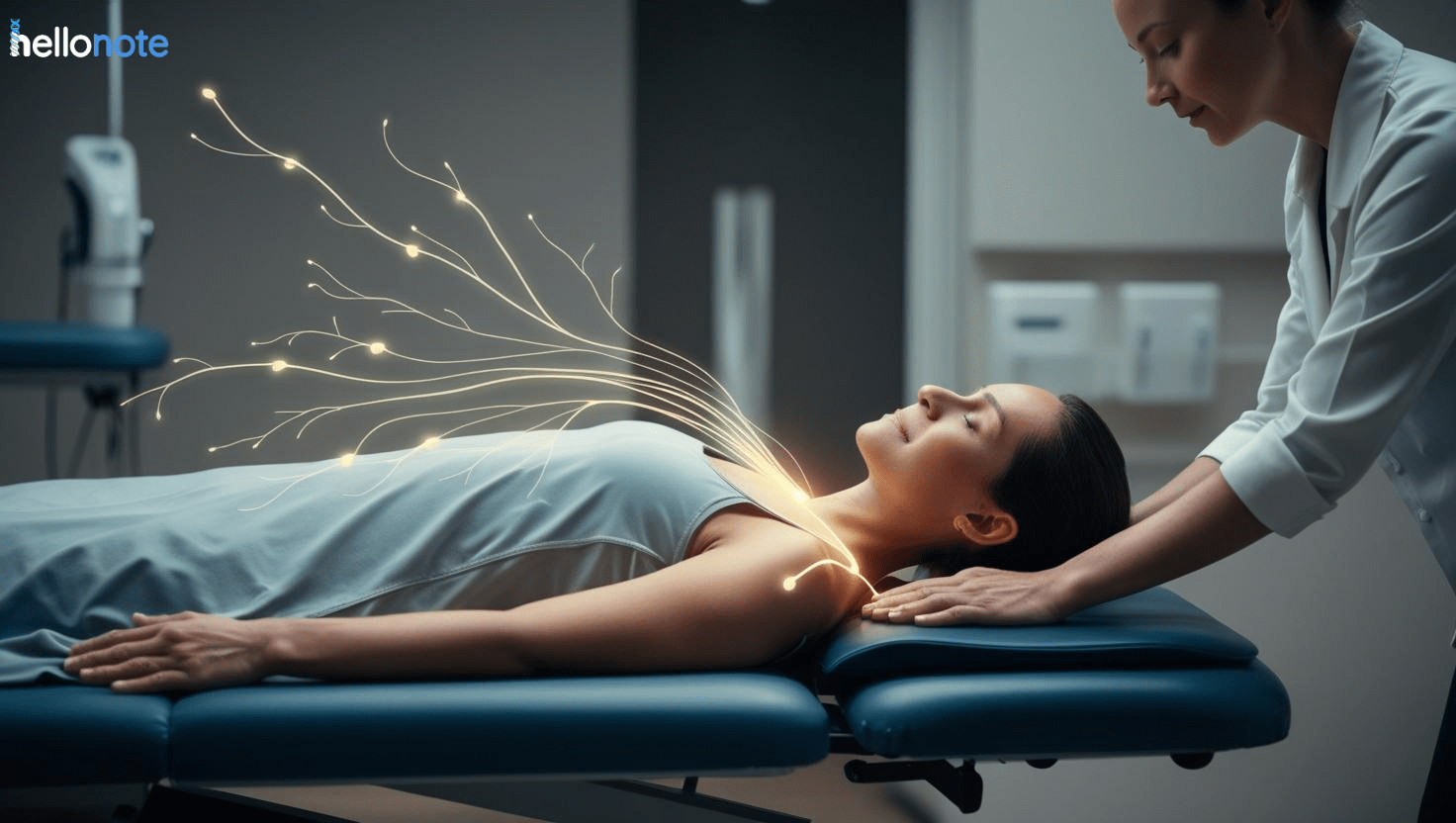
Conceptual image showing therapist applying gentle touch to relaxed patient, visualizing the nervous system benefits of **massage therapy in rehabilitation** via glowing pathways.

Addressing the Whole Patient in Rehabilitation

As physical, occupational, and speech therapists, we’re dedicated to helping patients regain function, mobility, and communication. While we target physical recovery from injuries, surgeries, or health conditions, we often see progress complicated by factors beyond the primary diagnosis. Persistent pain fueled by stress, functional limits increased by anxiety, or recovery stalls linked to mood or sleep issues are common challenges. Recognizing this powerful mind-body connection is vital, suggesting that exploring complementary approaches could significantly enhance our effectiveness.

Understanding the science behind massage therapy in rehabilitation reveals it’s far more than just a tool for relaxation or muscle soreness relief. It possesses a robust scientific foundation demonstrating profound effects on the nervous system and mental state. For rehabilitation professionals and clinic administrators, grasping this science isn’t just academically interesting; it unlocks potential pathways to better patient outcomes, increased engagement, and a more holistic, effective approach to care. This article delves into the mechanisms behind massage therapy and explores its valuable, often underutilized, role in supporting the mental well being of the patients we serve within the rehabilitation context.

The Neurophysiological Symphony: How Massage Influences the Nervous System

The power of skilled touch extends far beyond superficial relaxation. Massage therapy directly influences the autonomic nervous system (ANS), orchestrating a shift away from the sympathetic “fight or flight” state towards the parasympathetic “rest and digest” state. This shift is critical for patients navigating the stresses of recovery and pain. Here’s how:

Stress Hormone Reduction

This is key to understanding how massage reduces cortisol rehabilitation. Research consistently shows that massage therapy decreases levels of cortisol, the body’s primary stress hormone. Chronically elevated cortisol contributes to inflammation, heightened pain perception, muscle tension, impaired tissue healing, and sleep disturbances—all significant barriers in rehabilitation. Lowering cortisol via massage creates a physiological environment more conducive to healing and recovery within the rehabilitation journey.

Boosting “Feel Good” Neurotransmitters

Massage stimulates the release of serotonin and dopamine. Serotonin plays a vital role in mood regulation, anxiety reduction, and promoting feelings of calm. Dopamine is associated with pleasure, motivation, and reward. Increased levels can improve a patient’s mood, outlook, and motivation to participate actively in their therapy program.

Endorphin Release

Massage encourages the production of endorphins, the body’s natural opioids. These neurochemicals act as potent analgesics (pain relievers) and mood elevators, contributing to both physical comfort and emotional uplift.

Vagal Nerve Stimulation

Techniques involving moderate pressure, common in many massage styles, have been shown to increase vagal tone. The vagus nerve is a major component of the parasympathetic nervous system. Enhanced vagal activity promotes relaxation, slows heart rate, reduces inflammation, and improves emotional regulation.

Understanding these mechanisms helps us appreciate that massage isn’t just a passive relaxation technique; it’s an active intervention influencing the neurochemical landscape in ways that directly support therapeutic goals, making it a strong consideration for massage therapy in rehabilitation.

Clinical Relevance for Rehabilitation Populations

The benefits of nervous system regulation via massage have direct applications for common challenges faced by patients in PT, OT, and SLP settings:

Chronic Pain Management

For patients experiencing conditions like chronic low back pain, fibromyalgia, or arthritis, massage for pain management rehab can be particularly beneficial:

    • Massage can help downregulate the nervous system, addressing central sensitization.

    • It aids in reducing persistent muscle guarding and tension.

    • It can decrease the perception of pain.

    • It potentially improves tolerance for therapeutic exercise. Effective massage for pain management rehab requires skilled application tailored to the patient’s condition.

Post-Surgical Recovery

Beyond standard PT/OT scar tissue and swelling management:

    • Massage can alleviate surgery-related anxiety and stress.

    • It may improve sleep quality, which is crucial for healing.

    • It helps address compensatory muscle tension developed before or after surgery.

Neurological Rehabilitation

For patients recovering from stroke, TBI, or managing conditions like MS or Parkinson’s:

    • Appropriate massage techniques can help modulate muscle tone and reduce spasticity.

    • It can assist in reducing associated anxiety.

    • It may improve sensory feedback and body awareness.

    • It can enhance body image and acceptance. Considering massage therapy in rehabilitation for neurological conditions requires specific training and precautions.

Stress Related Musculoskeletal Complaints

Many patients present with conditions exacerbated by stress, such as tension headaches, temporomandibular joint (TMJ) dysfunction, or postural strain. Massage can directly address the involved musculature while simultaneously mitigating the underlying stress contributing to the symptoms.

Mental Health Comorbidities

Anxiety and depression frequently accompany physical impairments. While massage is not a standalone treatment for these conditions, it can be a powerful adjunct, improving mood, reducing somatic symptoms of anxiety, and enhancing receptiveness to both rehabilitation and mental health interventions.

The Therapeutic Value of Intentional Touch

In a healthcare system often characterized by brief interactions and technological interventions, the simple power of human touch can be profoundly therapeutic. Skilled, intentional touch provided during massage therapy offers:

Proprioceptive Input and Body Awareness

Massage provides rich sensory information, helping patients reconnect with their bodies, improve proprioception (sense of body position), and enhance interoception (sense of internal state), which can be particularly valuable after injury or neurological events.

Non Verbal Communication of Safety

For patients feeling vulnerable, in pain, or anxious, therapeutic touch within a safe, professional context can communicate care, empathy, and safety, helping to calm the nervous system at a fundamental level.

Trauma Informed Potential

Recognizing that many patients may have histories of trauma (medical or otherwise), trauma informed massage approaches prioritize patient control, communication, and nervous system regulation, offering a gentle way to re establish a sense of safety within one’s own body.

Considering Different Massage Modalities

While various techniques exist, some are particularly relevant when considering mental well being and massage therapy in rehabilitation:

    • Swedish Massage: Often the foundation, utilizing long, flowing strokes, kneading, and gentle tapping to promote general relaxation, improve circulation, reduce muscle tension, and lower stress levels. Excellent for overall nervous system calming.

    • Myofascial Release (MFR): Focuses on releasing restrictions within the connective tissue (fascia). While often used by PTs/OTs for specific physical limitations, LMTs trained in MFR can address widespread fascial tension that contributes to pain, postural strain, and feelings of physical restriction linked to stress.

    • Craniosacral Therapy (CST): A very gentle technique focused on subtle manipulations of the skull, spine, and pelvis to influence the craniosacral system and promote deep relaxation and nervous system balance. Often sought for stress, headaches, and trauma related issues.

    • Lymphatic Drainage: A gentle technique to support the lymphatic system, relevant post surgery or injury to reduce swelling, but also has calming effects on the nervous system.

    • Neuromuscular Therapy (NMT) / Trigger Point Therapy: Focuses on releasing specific points of muscle hypersensitivity (trigger points) that can refer pain and contribute to chronic tension patterns often exacerbated by stress.

The choice of modality often depends on the patient’s specific needs, preferences, and the therapist’s training.

Integrating Massage into the Rehabilitation Ecosystem

How can rehabilitation clinics effectively leverage the benefits of massage therapy?

Develop Referral Networks

Build relationships with qualified, licensed massage therapists (LMTs) in your community who understand rehabilitation principles and ideally have experience with relevant patient populations (e.g., oncology massage, neuro massage, orthopedic massage). Clear communication about patient goals is key.

Consider In House Services

Some larger clinics or wellness centers may employ LMTs directly. This allows for closer collaboration and seamless integration into patient care plans, but requires careful consideration of space, scheduling, and management. This model optimizes the use of massage therapy in rehabilitation settings.

Patient Education

Inform patients about the potential benefits of massage as a complement to their primary rehabilitation therapy, particularly for managing stress, pain (where massage for pain management rehab is relevant), and improving overall well being related to their recovery.

Scope Awareness

Clearly differentiate between the manual therapy techniques performed by PTs/OTs within their scope (often focused on specific joint/tissue mobilization for functional goals) and the broader relaxation, stress reduction, and systemic effects often targeted by LMTs.

Efficient Documentation and Coordination: The HelloNote Advantage

Whether referring out or employing LMTs, managing information and coordinating care efficiently is crucial. This is where a versatile Electronic Medical Record (EMR) system like HelloNote becomes invaluable:

    • Tracking Referrals: Easily document referrals made to LMTs, including the reason for referral and communication sent, maintaining a comprehensive patient record.

    • Integrated Documentation (for In House LMTs): If employing LMTs, HelloNote can provide customizable templates (e.g., SOAP notes tailored for massage) allowing them to document sessions within the same patient chart, facilitating easy review by the primary rehab therapist.

    • Monitoring Patient Response: Rehab therapists can use HelloNote to document patient reported feedback on massage interventions and objectively track changes in pain levels, range of motion, functional scores, or goal achievement that may correlate with the addition of massage therapy.

    • Secure Inter provider Communication: Utilize secure messaging features within HelloNote to communicate (with patient consent) relevant information or progress updates between the rehab therapist and the LMT, ensuring continuity of care.

    • Goal Alignment: Document how adjunctive massage therapy supports specific rehabilitation goals (e.g., “Patient receiving weekly massage to manage stress and muscle tension, supporting improved participation in therapeutic exercise program”).

HelloNote helps streamline these processes, ensuring that integrating massage therapy enhances, rather than complicates, clinical workflow and supports quality patient care.

Discover how HelloNote’s features support integrated care models in your clinic.

Massage Therapy for Stress and Anxiety: How It Helps Your Mind and Body

Stress and anxiety are two of the most prevalent mental health challenges today. According to the American Psychological Association, nearly 75% of adults report experiencing moderate to high levels of stress, while the World Health Organization highlights anxiety as one of the leading contributors to global disability. While traditional treatments such as therapy and medication are effective, many individuals are also seeking complementary approaches. One such valuable approach is massage therapy for anxiety and stress reduction.

Massage therapy is far more than a luxury or occasional indulgence. It offers tangible physiological and psychological benefits, making it a valuable tool. The benefits of massage therapy extend deeply into mental well-being, especially for those struggling with persistent stress. This article explores how effective massage therapy for anxiety can be, and how it supports both mental and physical health.

Understanding the Stress-Anxiety Connection

Stress and anxiety are closely linked but not the same. Stress is typically a response to external pressures—deadlines, conflicts, financial concerns—and often subsides once the situation is resolved. Anxiety, on the other hand, is characterized by persistent and excessive worry that may not have an identifiable trigger.

Both conditions activate the sympathetic nervous system, also known as the “fight or flight” response. This results in increased heart rate, elevated cortisol levels, tense muscles, and disrupted digestion. Over time, chronic activation of this response can contribute to a host of physical issues, including headaches, insomnia, and weakened immunity. Addressing these physical manifestations is one of the key massage therapy mental health benefits.

Calming flat lay representing massage therapy for anxiety management with massage stones, lavender, essential oil, yoga mat, green smoothies, and tablet showing therapy resources.

How Massage Therapy Works to Reduce Stress and Anxiety

Understanding how massage therapy for anxiety works involves looking at its impact on the body’s core systems. It’s a multifaceted approach that yields significant results.

Calms the Nervous System

Effective massage therapy for anxiety helps shift the body from sympathetic dominance to parasympathetic dominance, the “rest and digest” state. This transition is crucial for calming the nervous system, lowering heart rate, and decreasing cortisol production. In a study published in the Journal of Alternative and Complementary Medicine, participants who received regular massage experienced significant reductions in cortisol and increases in serotonin and dopamine, neurotransmitters associated with mood regulation and well-being.

Lowers Blood Pressure and Heart Rate

Chronic stress and anxiety often lead to high blood pressure, increasing heart disease risk. Multiple studies found that regular massage therapy can lower both systolic and diastolic blood pressure. A 2016 meta-analysis in the International Journal of Nursing Studies reported significant reductions in heart rate and blood pressure among patients receiving massage, especially hypertensives. This cardiovascular improvement is one of the core benefits of massage therapy.

Relieves Muscle Tension

Stress and anxiety commonly manifest physically as muscle stiffness, particularly in the neck, shoulders, and lower back. Massage improves circulation, increases tissue elasticity, and physically relaxes tight muscle groups. This muscular relief achieved through massage therapy for anxiety can, in turn, reduce the perceived intensity of stress and discomfort.

Enhances Sleep Quality

Insomnia and poor sleep are common in people with anxiety. Massage can improve sleep by promoting relaxation and reducing muscle pain that might interfere with rest. A study published in Sleep Science showed that massage therapy increased delta wave activity—the brain waves associated with deep sleep—in patients with insomnia, highlighting another key benefit of massage therapy.

Improves Mood and Emotional Balance

Massage stimulates the production of endorphins and serotonin, natural mood elevators. In patients with generalized anxiety disorder, studies have shown that dedicated massage therapy for anxiety can significantly reduce symptoms over time. A study from the University of Miami School of Medicine found individuals reported reduced anxiety, improved mood, and higher energy levels after a series of sessions, showcasing important massage therapy mental health benefits.

Types of Massage Most Effective for Stress and Anxiety

Not all massage techniques are equally effective. Finding the right type of massage therapy for anxiety depends on individual needs and preferences. Some of the most beneficial types include:

    • Swedish Massage: Known for its long, flowing strokes, promotes relaxation and increases circulation.

    • Deep Tissue Massage: Targets deeper muscle layers, relieving chronic tension and improving blood flow.

    • Aromatherapy Massage: Combines massage with essential oils like lavender or chamomile, known for calming properties.

    • Craniosacral Therapy: A gentle technique focused on the head and spine that helps balance the nervous system.

    • Thai Massage: Involves stretching and acupressure to promote energy flow and relaxation.

Who Can Benefit from Massage Therapy?

The benefits of massage therapy are widely accessible and can help a broad range of people, including:

    • Adults with work-related stress or burnout

    • Students facing academic pressures

    • Caregivers experiencing emotional fatigue

    • Individuals managing chronic pain or anxiety disorders (where massage therapy for anxiety is particularly relevant)

    • Post-operative patients with muscle tension

However, massage therapy may not be suitable for everyone. People with certain conditions such as blood clots, fractures, or open wounds should consult with a healthcare provider before starting treatment.

Integrating Massage Therapy into a Comprehensive Wellness Plan

Massage therapy should not be viewed as a stand-alone cure for anxiety or stress-related disorders. Instead, it is most effective when integrated into a broader wellness plan that enhances overall massage therapy mental health benefits. This plan could include:

    • Regular physical activity

    • Healthy nutrition

    • Talk therapy or cognitive-behavioral therapy (CBT)

    • Mindfulness and meditation practices

    • Adequate sleep hygiene

Working with a licensed massage therapist and coordinating with mental health professionals ensures that massage therapy for anxiety complements other therapeutic efforts effectively.

HelloNote and Supporting Integrative Therapy Practices

For therapy clinics and massage therapists offering holistic services, using an EMR platform like HelloNote can streamline documentation, scheduling, and tracking the benefits of massage therapy. Therapists can document patient-reported anxiety levels, session frequency, and sleep quality changes over time when providing massage therapy for anxiety. These insights guide care plans and demonstrate effectiveness within an integrative treatment model.

Final Thoughts

Massage therapy is a scientifically supported and holistic method for reducing stress and anxiety. Through its ability to calm the nervous system, improve mood, enhance sleep, and relieve physical tension, it offers significant massage therapy mental health benefits. As part of a comprehensive care approach, incorporating massage therapy for anxiety can empower individuals to better manage stress and lead healthier, more balanced lives.

Whether offered as a stand-alone service or integrated into broader therapy practice, massage therapy represents a powerful, non-invasive strategy for promoting emotional resilience and long-term wellness. For clinics seeking to improve patient outcomes while delivering compassionate care, incorporating massage therapy and tracking its effectiveness with tools like HelloNote can be a strategic and healing move.

Understanding Your EMR System: Databases, Security, and Function

Therapy professional using a tablet to access an EMR system in a modern clinic setting.

An EMR system (Electronic Medical Record system) is central to modern healthcare, transforming how providers document, access, and share patient information. At its core lies a structured database designed to securely manage vast amounts of clinical and administrative data. For therapy practices, understanding this digital infrastructure is critical for accurate documentation, efficient billing, and ensuring compliance with data protection regulations like HIPAA.

Despite their central role in daily operations, the underlying databases within these platforms are often misunderstood. What exactly do they store? How are they structured? And most importantly, how does the overall software protect sensitive patient information?

This article explores the function and structure of the EMR system, focusing on its core database component and how it serves physical, occupational, and speech therapy professionals. From its technical foundation and security protocols to integration capabilities, understanding this technology can help therapy clinics make informed decisions about their digital infrastructure and safeguard the trust placed in them by their patients.

What is an EMR System?

An Electronic Medical Record system is a digital platform used by clinicians to create, store, manage, and track patient health information electronically. It replaces traditional paper charts and provides a centralized hub for all clinical and administrative data. The EMR database is the core component within this platform that handles the actual storage and organization of information.

In therapy practices, such a system typically manages:

    • Patient demographics and medical history

    • Therapy notes, evaluations, and standardized test results

    • Progress reports and detailed care plans

    • Billing records, superbills, and insurance information

    • Appointment scheduling and communication logs

EMR Technology vs. Traditional Paper Records

Paper records have long been the standard, but their limitations compared to modern electronic records are significant:

    • Prone to physical degradation, loss, or destruction

    • Difficult to duplicate, share quickly, or access remotely

    • Time-consuming for filing, retrieval, and updates

    • Susceptible to illegibility and manual errors

By contrast, electronic record-keeping provides a secure, dynamic, and scalable alternative, offering key benefits for efficiency and compliance.

Core Components of an EMR’s Architecture

A well-designed electronic medical record architecture consists of several key components working together, centered around the database:

The EMR Database

The heart of the platform. It stores all structured patient data, including clinical notes, ICD/CPT codes, and billing history. As mentioned earlier, it often functions as a relational database.

Application Layer (User Interface)

This is what therapists interact with – the screens, forms, and workflows. It interfaces between the user and the database, enabling data entry, report generation, scheduling, and communication.

Security Layer (Ensuring Platform Security)

Crucial for HIPAA compliance. This includes role-based access controls, robust encryption protocols (for data at rest and in transit), and comprehensive audit trails to monitor data usage and access.

Integration Framework (Interoperability)

Allows the software to connect securely with external services such as billing software, patient portals, telehealth platforms, or clearinghouses, enabling seamless data exchange.

HelloNote, as a therapy-specific solution, integrates these components, offering customizable documentation, integrated billing, and secure cloud-based storage suitable for various practice sizes.

How EMR Platforms Protect Patient Information (Data Security)

One of the primary benefits of using electronic medical records is enhanced data security compared to paper. Safeguarding protected health information (PHI) is paramount. Modern healthcare platforms employ multi-layered security features:

1. Encryption at Rest and in Transit

Data within the database is encrypted both when stored and during transmission, making it unreadable without authorization.

2. Role-Based Access Control (RBAC)

Access to sensitive information is strictly limited based on user roles and permissions defined within the software.

3. Regular Backups and Redundancy

These systems perform frequent, automated backups, often stored in geographically separate, secure locations to prevent data loss.

4. Audit Trails for HIPAA Compliance

Detailed logs track all user activity (who accessed what, when), which is essential for accountability and meeting HIPAA requirements.

5. Secure Cloud-Based Advantages

Many modern solutions, including HelloNote, are cloud-based. This typically offers higher security standards maintained by specialized IT teams, better uptime, and faster disaster recovery compared to managing on-premise servers.

The Paramount Importance of PHI Security within Healthcare Technology

While digital platforms streamline workflows and improve data access, their most critical function is the secure protection of PHI. This is achieved through the robust security layers discussed above. Maintaining patient trust and ensuring HIPAA compliance hinges on the effectiveness of the platform’s security measures. This foundation enables all other benefits.

Common Challenges and How Robust EMR Software Addresses Them

Implementing or using electronic records can present challenges:

1. Integration with Existing Tools (Interoperability)

A strong platform supports API integration, allowing seamless data flow with other essential tools (billing, scheduling) without creating data silos.

2. Scalability for Practice Growth

Cloud-based solutions are inherently scalable, easily adapting to increased data volume, users, and locations without major infrastructure changes.

3. Data Migration and Onboarding

Reputable vendors offer tools and support for securely migrating data from old systems or paper records.

4. User Training and Data Entry Consistency

Well-designed software like HelloNote uses templates, required fields, and intuitive workflows to guide users, improving data quality and consistency.

The Future of EMR Technology in Therapy Practices

Electronic medical record technology will become even more central, supporting value-based care, patient engagement, and data analytics. Future therapy software features like predictive analytics, integrated remote patient monitoring, and AI-assisted documentation will rely heavily on the capabilities of the underlying platform and its database. Investing in a robust, secure solution prepares practices for these advancements.

Conclusion: Why Understanding Your Healthcare Technology Matters

Understanding the components, security measures, and capabilities of your chosen EMR system is essential for clinic owners and therapy professionals leveraging modern healthcare tools. It’s the foundation of efficient operations, quality care delivery, and regulatory compliance.

By providing secure, scalable, and increasingly interoperable platforms, these technologies reduce administrative burden, enhance clinical accuracy, and ensure your practice is future-ready. When evaluating solutions like HelloNote EMR, consider the entire architecture – user interface, database structure, security protocols, and integration potential – to find the best fit for your therapy practice.

Take the Next Step with HelloNote EMR

Looking to learn more about how a therapy-specific EMR can support your clinic’s growth? Explore HelloNote’s features and see how its platform can work for you.


Physical Therapy Documentation: Best Practices to Streamline Notes and Compliance

Implementing PT documentation best practices is central to both clinical outcomes and administrative success. It ensures continuity of care, tracks patient progress, supports reimbursement, and serves as legal protection for the therapist and practice. Yet, many physical therapists continue to face challenges around documentation—namely, balancing thoroughness with time efficiency and meeting ever-evolving compliance requirements.

Improving physical therapy documentation efficiency isn’t just about reducing paperwork; it’s about building sustainable workflows that support clinicians, safeguard patient care, ensure therapy documentation compliance, and maximize reimbursement. This article outlines common documentation challenges, explores practical physical therapy documentation best practices, details key EMR features that help, and answers how to improve documentation efficiency.

Therapist applying physical therapy documentation best practices using a tablet EMR system.

Why Adhering to Physical Therapy Documentation Best Practices Matters

In a fast-paced clinical environment, documentation is often seen as a time-consuming task that follows hands-on care. However, the importance of thorough physical therapy documentation extends far beyond recordkeeping.

Proper documentation adhering to best practices:

    • Captures the patient’s baseline and progress over time

    • Justifies the medical necessity of therapy services

    • Facilitates communication among providers

    • Ensures compliance with Medicare and private insurance requirements

    • Serves as a legal record in case of audits or disputes

Failing to meet documentation standards can lead to denied claims, compliance violations, or even loss of licensure. For this reason, therapists must approach documentation not as an afterthought but as a critical part of patient care where PT documentation best practices are consistently applied.

Common Documentation Challenges Addressed by Best Practices

Despite its importance, documentation is often one of the most burdensome aspects of clinical practice. Adopting best practices can help mitigate some of the most frequently reported issues:

1. Time Constraints

Therapists often juggle full caseloads, leaving limited time to complete detailed notes during or between sessions. As a result, documentation is frequently delayed, rushed, or completed after hours, contributing to burnout. Best practices focus on improving efficiency.

2. Inconsistent Note Quality

Without standardized templates or structured workflows – key elements of documentation best practices – notes can vary widely across providers. This inconsistency increases the risk of missing essential elements required for compliance or reimbursement.

3. Compliance Complexity

Navigating requirements from Medicare, Medicaid, and commercial insurers for therapy documentation compliance can be overwhelming. Each payer may require different levels of detail, terminology, or evidence of progress. Manual tracking of these criteria increases the likelihood of errors, which best practices aim to reduce.

4. Paper-Based or Outdated Systems

Some clinics still rely on paper charts or legacy software that lacks integration or automation. These systems make implementing and sustaining physical therapy documentation best practices difficult, increasing administrative burden and risk.

Core Physical Therapy Documentation Best Practices

Improving PT documentation requires a combination of clinical discipline, administrative planning, and the right technology. Below are key PT documentation best practices that therapy practices can implement.

Use Standardized Templates

Structured templates are a fundamental best practice, ensuring consistency in the documentation process while reducing the risk of omitting required details. Templates for evaluations, daily notes, progress reports, and discharge summaries should include prompts for:

Templates can be customized to reflect the specific needs of your patient population or referral sources while aligning with payer requirements.

Document in Real Time When Possible

Completing notes during or immediately after treatment is a crucial best practice that reduces the risk of forgetting key details and directly addresses how to improve documentation efficiency. While this is not always feasible, therapists can use shorthand, voice-to-text tools, or quick note features within their EMR to capture essential data before completing full documentation.

Real-time documentation also facilitates timely billing, which can improve cash flow and reduce denials due to missing or incomplete records.

Align Notes with Medical Necessity Criteria

Insurance carriers look for specific elements to determine whether therapy services are justified. A core documentation best practice involves ensuring notes clearly demonstrate that treatment is:

    • Reasonable and necessary for the patient’s condition

    • Delivered by a licensed professional

    • Progressing toward measurable goals

Phrases such as “patient tolerated treatment well” are often flagged as insufficient. Instead, therapists should document clinical reasoning, patient performance, and observed improvements tied to objective measures to meet payer requirements.

Conduct Regular Chart Audits

Periodic internal audits are a best practice for quality assurance. They help identify gaps in documentation and ensure that notes reflect current regulations. Clinic managers can review a sample of patient records for completeness, accuracy, and compliance with payer requirements.

Findings from these audits can be used to guide staff training and template adjustments, reinforcing physical therapy documentation best practices across the team.

How Key EMR Features Enhance Documentation & Enable Best Practices

A well-designed EMR system can significantly reduce the administrative load of physical therapy documentation while improving accuracy and compliance. Explore the specific EMR features that support physical therapy documentation best practices:

1. Built-In Templates and Smart Forms

An EMR designed for therapy practices includes standardized forms with required fields, dropdowns, and auto-fill features. These tools guide therapists through the documentation process, reducing variability and improving completeness. This EMR feature directly supports the best practice of standardization.

2. Compliance Prompts and Alerts

Modern EMR platforms offer built-in compliance tools that prompt users when documentation is incomplete or missing required information according to payer rules. This EMR feature is key for maintaining compliance best practices and can help prevent denials or audit issues before they arise.

3. Time-Saving Tools (Dictation, Macros, etc.)

Key EMR features like speech-to-text dictation, quick note macros, and copy-forward functionality allow therapists to complete notes more efficiently without sacrificing quality, directly contributing to how to improve documentation efficiency.

4. Centralized Record Access

An integrated EMR stores all documentation in a centralized, secure database. Therapists, billing staff, and administrative personnel can access the records they need without duplication or data loss. This promotes coordination across the clinic and simplifies audit preparation, supporting documentation management best practices.

5. Reporting and Analytics

By tracking documentation trends and productivity metrics via EMR reporting features, clinic managers can identify bottlenecks and implement data-driven improvements. For example, if daily notes are consistently delayed, additional training or schedule adjustments aligning with best practices may be needed.

HelloNote, as an EMR built by therapists for therapists, incorporates many of these EMR features. Its templates, workflow automation, and compliance tools are designed specifically to facilitate physical therapy documentation best practices for physical, occupational, and speech therapy practices.

Key Takeaways for Implementing Documentation Best Practices

Therapists are trained to focus on outcomes, functional improvement, and patient care—but without proper documentation following best practices, those efforts may not be recognized or reimbursed. Streamlining PT documentation is not about cutting corners. It is about creating a sustainable workflow that protects clinicians and supports patient progress.

To improve documentation practices:

    • Adopt structured physical therapy documentation best practices, starting with standardized templates.

    • Document as close to the time of service as possible to improve efficiency and accuracy.

    • Align every note with medical necessity standards.

    • Leverage EMR features for automation, compliance checks, and efficiency gains.

    • Conduct regular audits to maintain quality and accountability.

Incorporating these strategies helps therapists spend less time on paperwork and more time doing what they do best; helping patients move, function, and live better.

How HelloNote Streamlines Physical Therapy Documentation

HelloNote EMR was purposefully developed to reduce the documentation burden that therapists often face by embedding best practices into its workflow. By offering customizable, discipline-specific templates, HelloNote ensures that documentation stays compliant while remaining clinically relevant – a cornerstone of physical therapy documentation best practices. Physical therapists can easily record evaluations, daily notes, and progress updates using guided prompts that meet Medicare and private insurance standards. Key EMR features such as real-time note entry, voice dictation, and one-click carry-forward help therapists document accurately without spending extra hours after sessions, addressing how to improve physical therapy documentation efficiency. Built-in compliance alerts notify users if any required data is missing, preventing costly billing errors and rejected claims. HelloNote also tracks patient goals and outcomes over time, allowing for clear progress reporting. These EMR features not only support better care delivery but also make documentation more efficient, less error-prone, and fully aligned with payer requirements and documentation best practices. For therapy practices looking to improve workflow without compromising quality, HelloNote offers an intuitive and reliable solution.

Effective physical therapy documentation, achieved through adopting best practices, is both a clinical and administrative priority. By investing in smarter workflows and purpose-built tools like HelloNote EMR, clinics can support their teams, safeguard compliance, and enhance care delivery in every session.

You've found a hidden discount!

  • 00Hours
  • 00Minutes
  • 00Seconds