



















The Ultimate Guide to Renting Out a Massage Room in Your Therapy Practice
Table of Contents
Subletting an unused treatment room is one of the most efficient ways to generate predictable passive income while expanding your clinic’s wellness footprint. By transforming empty square footage into a revenue-generating asset, you can offset overhead and create a more holistic environment for your patients.
Typical rental income ranges from:
-
-
$500–$1,500 per month (Part-time use)
-
$600–$1,800 per month (Full-time use)
-
However, success depends on three foundational pillars: a landlord-approved sublease, verified liability insurance, and centralized digital scheduling to prevent operational friction.
Step 1: Legal & Regulatory Essentials
Before advertising your space, you must clear these hurdles to ensure your “passive” income doesn’t become an active liability.
Review Your Master Lease Agreement
Confirm your lease allows for subletting or “License Agreements.” Most commercial leases require written landlord consent. In the current market, landlords are increasingly enforcing Recapture Clauses, so it is vital to get approval in writing.
The “Additional Insured” Requirement
Your malpractice policy will NOT cover a subtenant. Require the renter to carry their own professional liability policy (Industry standard: $2M/$4M aggregate) and name your clinic as an Additional Insured.
Zoning & Licensing Verification
Confirm the modality is permitted under your zoning. For example, medical massage may be permitted, while esthetics or cosmetic procedures might require a different business license category.
Step 2: Choosing the Best Pricing Model
Modern rental models have shifted toward Amenity-Inclusive Pricing, where the rent includes utilities, high-speed WiFi, and access to common areas.
| Rental Model | Estimated Market Rate | Best Use Case |
| Hourly / On-Demand | $15–$35 per hour | Rotating users or new therapists |
| Daily (Set Days) | $75–$150 per day | Part-time niche specialists |
| Monthly (Full-Time) | $600–$1,800 per month | Stable, long-term passive income |

Step 3: Operational Standards for Shared Spaces
Shared space only works when invisible expectations are made visible.
Integrated Room Scheduling
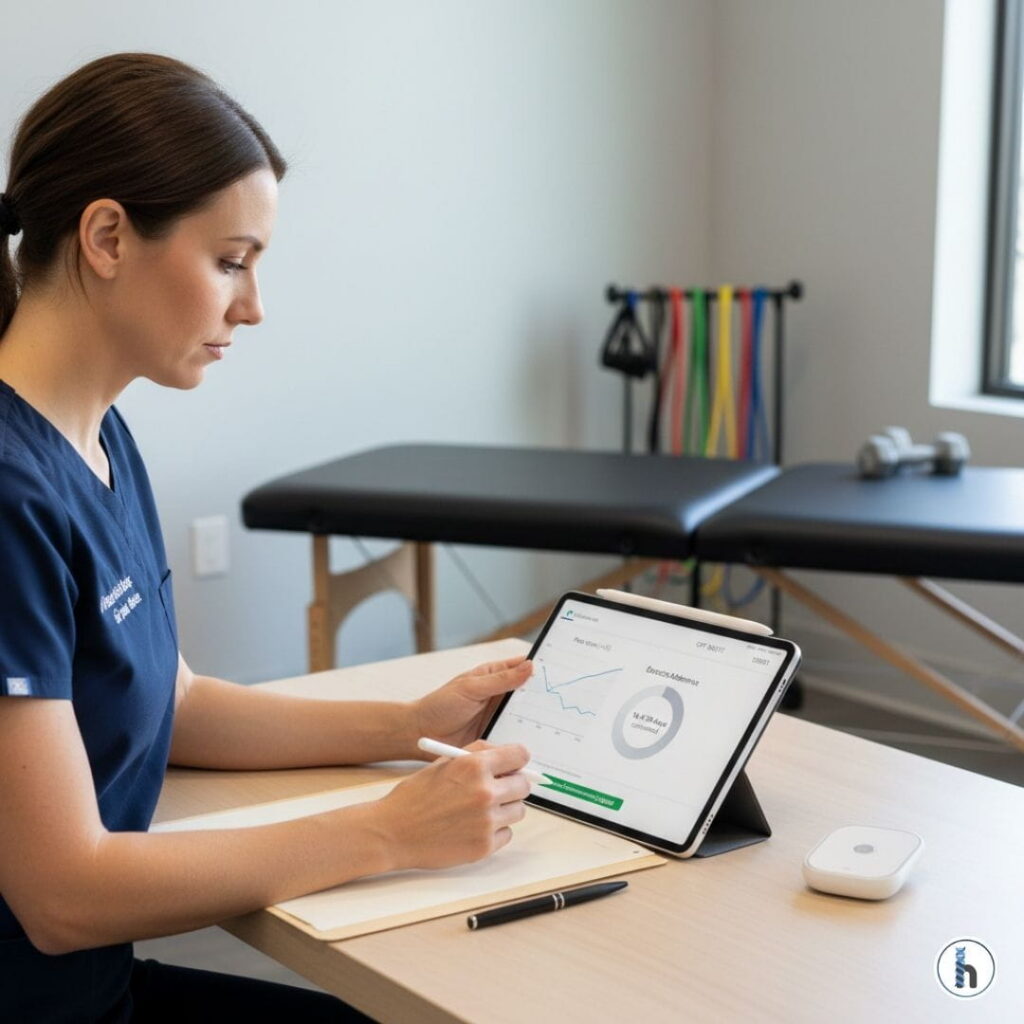
Manual calendars lead to “Schedule Friction.” Using a system like HelloNote allows you to assign specific rooms digitally. This prevents double-booking while maintaining strict provider separation.
The 10-Minute Turnover Protocol
Create a written cleaning rule: Sanitize equipment, wipe down bottles, remove trash, and neutralize strong scents. This prevents tenant disputes and keeps patients happy.
Smart Access & Security
Digital smart locks are now the industry standard. Provide unique entry codes for each subtenant to maintain security and provide time-stamped access logs.
Step 4: The "Culture Fit" Strategy
The biggest mistake clinic owners make is assuming that a signed check equals compatibility.
Avoid "Acoustic Seepage" and Scent Conflicts
A tenant who uses loud percussion tools or heavy eucalyptus oils next to a quiet counseling or pediatric session can destabilize your environment. Always include a 30-Day Compatibility Clause in your agreement.
Step 5: Leveraging HelloNote for Multi-Provider Management
Managing subtenants shouldn’t take more time than the income is worth.
Role-Based Permissions & HIPAA Privacy
HelloNote allows you to grant subtenants access to their own schedule and billing without ever seeing your clinic’s sensitive patient files or SOAP notes.
Inventory and Overhead Control
If you provide linens or supplies, use the HelloNote Inventory module to track usage and ensure your margins aren’t eroded by hidden costs.
Frequently Asked Questios
Look at local coworking spaces. Generally, a clinical room should be priced 10-20% higher than a standard office due to specialized medical-grade features and waiting room amenities.
Yes. HelloNote supports independent billing profiles, allowing subtenants to keep their financial records isolated while using your professional interface.
A sublease grants an interest in real estate; a License Agreement simply grants permission to use the space. Most clinics prefer Licenses because they are easier to terminate if a conflict arises.
Specify in writing who is responsible for sanitation. It is recommended that each therapist provides their own linens and specialized bolsters.
Flat fees are best for passive income. Percentage splits are only recommended if you are actively marketing for the therapist and providing front-desk support.
Conclusion: Structure Protects Revenue
Renting out a massage room is a powerful way to grow. By using structured agreements and digital oversight through HelloNote, you ensure your revenue is secure and truly passive.
Ready to see how HelloNote handles room management? Schedule a demo today.