




















Table of Contents
In 2026, the cash-pay physical therapy model is no longer a niche experiment—it’s becoming the preferred model for clinicians seeking greater clinical autonomy and stronger margins.
By removing insurance billing complexity, cash-based clinics simplify operations and improve patient relationships. But that shift also changes what you need from your EMR.
Traditional insurance-focused EMRs prioritize claim scrubbing, ICD-10 validation, and payer workflows. A cash-pay practice needs something different. Your EMR should function less like a billing machine and more like the operational engine of your clinic, supporting patient acquisition, retention, and efficient documentation.
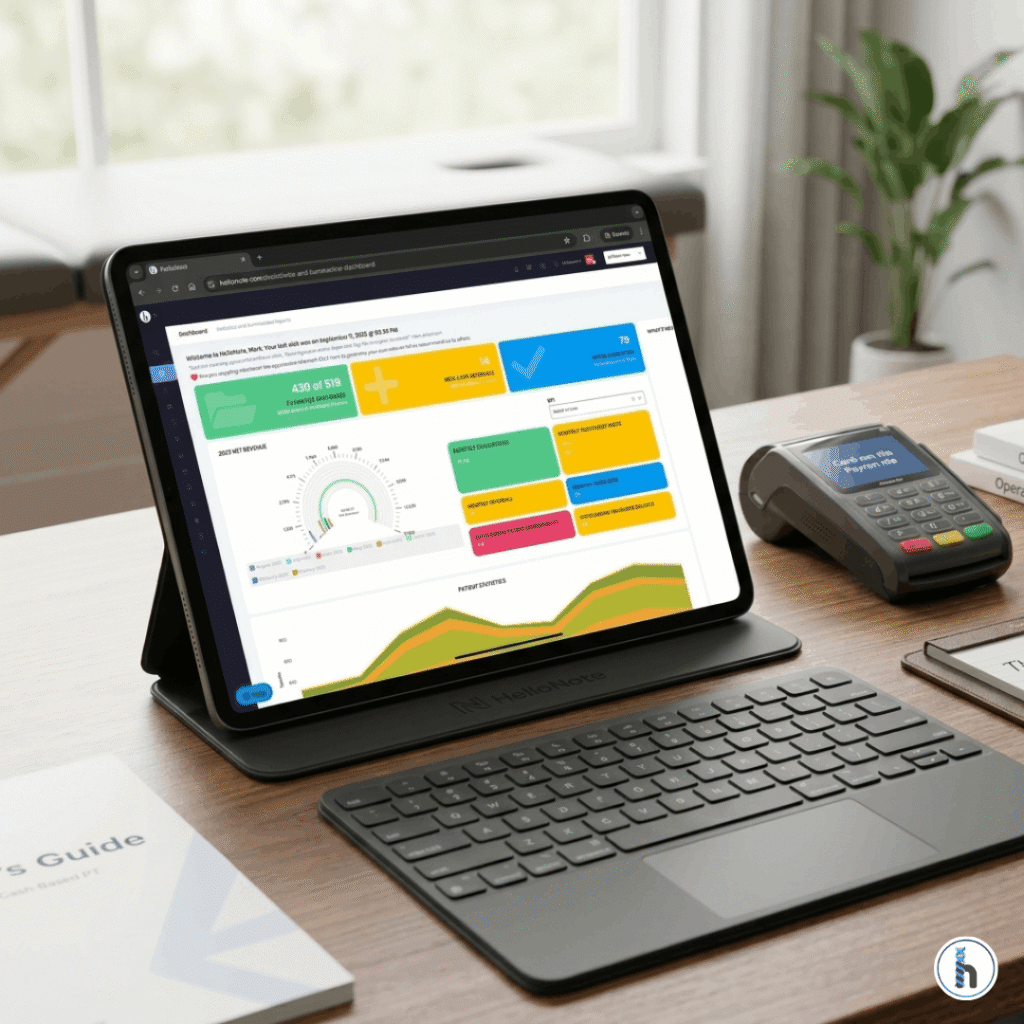
What Cash-Based Clinics Actually Need from an EMR
When a patient pays directly for care, their expectations shift. They are not just patients—they are consumers of healthcare. That means the experience your clinic provides matters just as much as the clinical outcome.
1. Frictionless Patient Onboarding
In a cash-based model, the first impression often happens online. Patients expect to book appointments easily, complete forms from their phone, and interact with your clinic without administrative friction.
The Shift to Self-Service Scheduling
Industry data in 2026 shows that more than half of cash-pay therapy appointments are booked after business hours. If patients cannot book instantly, they will often move on to the next clinic.
Mobile-First Intake Forms
Asking patients to download, print, and scan paperwork feels outdated. Digital intake that flows directly into the patient’s chart removes this barrier and improves both convenience and documentation accuracy.
2. The Invisible Payment Workflow
One of the biggest operational differences in cash-based practices is how payments are handled. Modern systems remove friction through secure card-on-file workflows and automated billing.
Performance Membership Models
Platforms such as HelloNote allow clinics to automatically charge for visits or recurring memberships. This supports the increasingly common performance membership model, where patients pay a monthly fee for continued access to care.
One-Click Superbill Generation
For patients who wish to use their out-of-network benefits, generating a professional superbill with CPT codes in one click saves both the therapist and patient valuable time.
3. Documentation at the Speed of Care
Cash-based clinicians prioritize EMR platforms that allow them to complete documentation quickly. Custom templates, macros, and streamlined note structures help reduce the time spent on charting.
AI-Assisted Documentation Tools
A major development in 2026 is the integration of AI scribes. These allow therapists to narrate findings or capture portions of the clinical interaction, generating structured SOAP note drafts automatically.
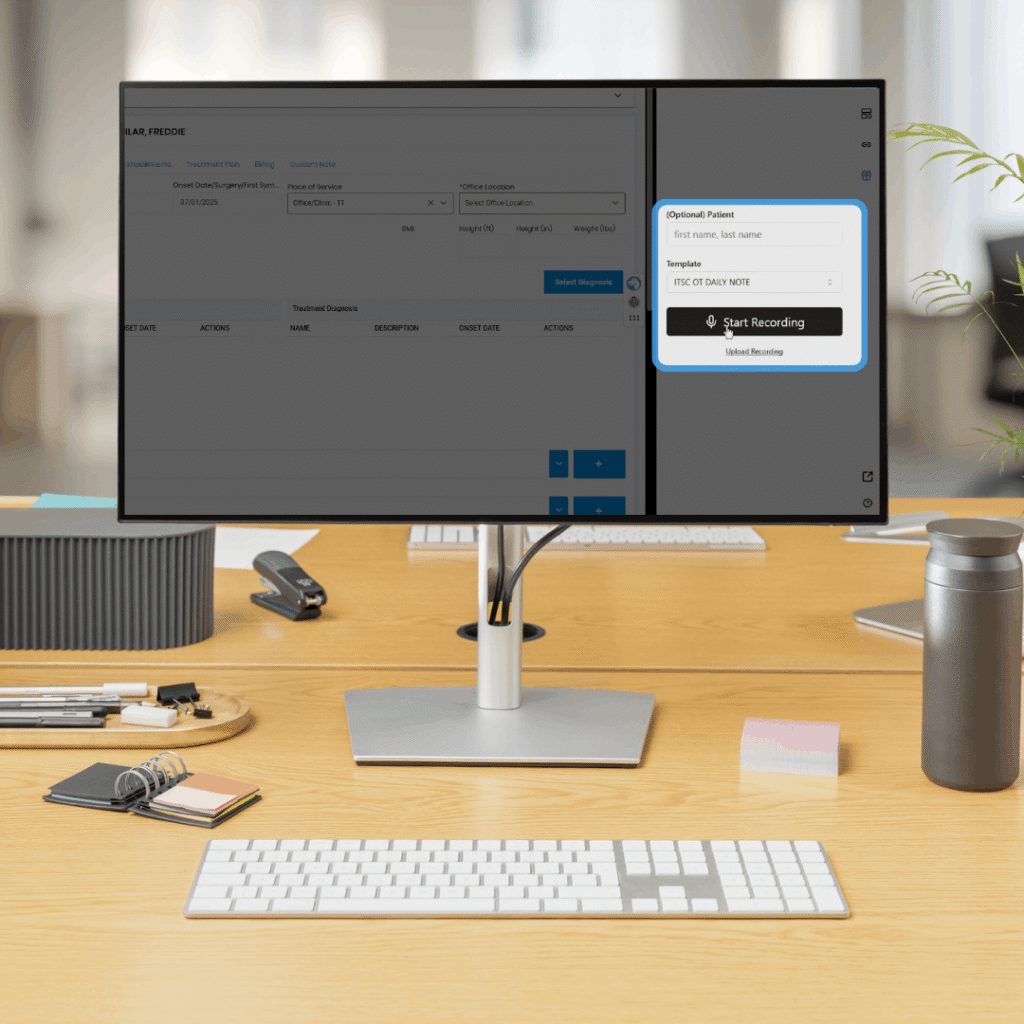
As seen in the HippoScribe interface (above), therapists can now simply start a recording to capture the clinical encounter, letting the AI handle the heavy lifting of drafting the SOAP note while the clinician stays focused on the patient.
4. The Role of Patient Retention
For cash-based practices, Patient Lifetime Value (PLV) is the most important business metric. Without insurance referrals, clinics must focus more intentionally on keeping patients engaged.
Automated Follow-Up Reminders
If a patient hasn’t scheduled a follow-up, automated reminders can help bring them back before they disengage from treatment.
The Therapist’s Insight: The Efficiency Dividend
One pattern consistently appears among successful cash-based practice owners: They don’t just charge higher rates; they operate more efficiently.
Every extra minute spent navigating a complicated EMR is a minute that could have been spent treating a patient, building referral relationships, or strengthening the clinic brand. A practical rule many therapists use is the “Three-Click Test”: You should be able to move from the schedule to a clinical note to a payment screen in three clicks or fewer.
The Bottom Line
Cash-based physical therapy is growing because it allows clinicians to focus on outcomes rather than insurance processes. But the success of that model depends heavily on the tools that support your workflow.
In 2026, patients are not only paying for therapy—they are paying for convenience, clarity, and a smooth clinical experience. Choosing the right EMR helps ensure your clinic can deliver exactly that.
Frequently Asked Questions
Do cash-based physical therapists still need an EMR?
Yes. Even without insurance billing, an EMR is required for HIPAA-compliant documentation and the professional generation of superbills.
How does AI-assisted documentation work for PTs in 2026?
Modern EMRs like HelloNote integrate AI scribes that can listen to a session or a therapist’s narrated summary to draft a structured SOAP note. This allows therapists to focus on the patient rather than the screen, significantly reducing “pajama time” (charting at home).
What is the "Three-Click Test" for EMR efficiency?
It is a usability standard: a clinician should be able to navigate from the calendar to a patient’s clinical note and then to the billing/payment screen in three clicks or fewer. This minimizes administrative fatigue and keeps the focus on patient care.
Can a cash-based EMR handle patient memberships or packages?
Yes. Specialized EMRs allow you to set up recurring membership billing or pre-paid packages. This “Performance Membership” model is a key trend in 2026 for maintaining steady clinic revenue and long-term patient engagement.
How do my patients get reimbursed if I am a cash-pay provider?
The EMR generates a “Superbill”—a detailed receipt containing the necessary ICD-10 and CPT codes. The patient then submits this document to their insurance provider to seek out-of-network reimbursement directly, removing the billing burden from your clinic.

AboutHellonote Expert
The HelloNote Expert Research Team publishes educational resources for physical therapy, occupational therapy, speech therapy, and rehabilitation practices. Their content focuses on documentation workflows, Medicare operations, billing processes, clinician efficiency, AI-assisted charting, and therapy practice management. Articles are developed using healthcare industry research, CMS resources, operational workflow analysis, and therapy-focused EMR expertise.